


As a shop owner, you understand that the safety and security of your business are paramount. An alarm system serves as a crucial line of defense against theft, vandalism, and other potential threats. By investing in a reliable alarm system, you not only protect your physical assets but also safeguard your reputation and customer trust.
A well-implemented alarm system can deter criminals from targeting your shop, as the presence of security measures often makes potential thieves think twice before attempting to break in. Moreover, having an alarm system can provide you with peace of mind. Knowing that your shop is monitored and protected allows you to focus on running your business without the constant worry of potential threats.
In the unfortunate event of a break-in or emergency, an alarm system can alert you and the authorities promptly, minimizing damage and loss. This proactive approach to security is essential in today’s unpredictable environment, where businesses face various risks.
Key Takeaways
- Having an alarm system for your shop is crucial for protecting your assets and deterring theft.
- Types of alarm systems available for shops include monitored, unmonitored, and wireless systems, each with their own benefits and drawbacks.
- When choosing an alarm system for your shop, consider factors such as the size of your shop, the level of security needed, and your budget.
- Installing an alarm system in your shop requires careful planning, professional installation, and regular testing to ensure it functions properly.
- Benefits of having an alarm system for your shop include peace of mind, potential insurance discounts, and the ability to remotely monitor your shop’s security.
Types of alarm systems available for shops
When it comes to choosing an alarm system for your shop, you’ll find a variety of options tailored to meet different needs and budgets. One common type is the burglar alarm, which typically includes door and window sensors that trigger an alert when unauthorized access is detected. These systems can be wired or wireless, with wireless options offering easier installation and flexibility in placement.
Another popular choice is the monitored alarm system, which connects directly to a security company that monitors your shop 24/7. In the event of an alarm trigger, the monitoring center can quickly dispatch law enforcement or emergency services. Additionally, there are smart alarm systems that integrate with your smartphone or other devices, allowing you to monitor your shop remotely.
These systems often come with features like video surveillance, motion detection, and real-time alerts, providing you with comprehensive security coverage.
Factors to consider when choosing an alarm system for your shop
Selecting the right alarm system for your shop involves careful consideration of several factors. First and foremost, assess the size and layout of your space. A larger shop may require more sensors and cameras to cover all entry points effectively.
Additionally, consider the specific vulnerabilities of your location; for instance, if you’re in a high-crime area, investing in a more robust system may be necessary. Budget is another critical factor. While it’s tempting to opt for the cheapest option available, remember that quality often comes at a price.
Look for systems that offer a good balance between cost and features. You should also consider the ease of installation and maintenance. Some systems may require professional installation, while others can be set up by you or your staff.
Lastly, think about scalability; as your business grows, you may need to expand your security measures, so choose a system that can adapt to your evolving needs.
How to install an alarm system in your shop
Installing an alarm system in your shop can be a straightforward process if you follow a few key steps. First, start by conducting a thorough assessment of your shop’s layout to identify vulnerable areas that need protection. This includes entry points like doors and windows, as well as high-value areas such as cash registers or inventory storage.
Once you have a clear understanding of where to place sensors and cameras, you can begin the installation process. If you’ve chosen a wired system, you may need to run cables through walls or ceilings, which can be more complex and may require professional help. However, many modern systems are wireless and come with easy-to-follow instructions for self-installation.
After setting up the hardware, ensure that all components are connected properly and test each sensor to confirm they are functioning correctly. Finally, familiarize yourself with the system’s control panel or app so that you can easily manage alerts and settings.
Benefits of having an alarm system for your shop
The advantages of having an alarm system for your shop extend beyond mere theft prevention. One significant benefit is the potential reduction in insurance premiums. Many insurance companies offer discounts for businesses equipped with security systems, which can lead to substantial savings over time.
This financial incentive makes investing in an alarm system not only a protective measure but also a smart business decision. Additionally, an alarm system enhances overall safety for both employees and customers. In case of emergencies such as fires or medical incidents, alarms can alert authorities quickly, ensuring timely assistance.
Furthermore, the presence of visible security measures can create a safer shopping environment, encouraging more customers to visit your store. Ultimately, an effective alarm system contributes to a positive atmosphere that fosters trust and loyalty among your clientele.
How to maintain and test your shop’s alarm system
Regular maintenance and testing of your shop’s alarm system are essential to ensure its reliability when needed most. Start by creating a maintenance schedule that includes routine checks on all components of the system—sensors, cameras, control panels, and backup batteries. This proactive approach helps identify any issues before they become significant problems.
Testing your alarm system should be done at least once a month. This involves triggering each sensor to confirm it responds correctly and checking that notifications are sent to your monitoring service or mobile device. Additionally, ensure that all software is up-to-date to protect against vulnerabilities.
By staying on top of maintenance and testing, you can rest assured that your alarm system will function effectively when it matters most.
Integrating your shop’s alarm system with other security measures
To create a comprehensive security strategy for your shop, consider integrating your alarm system with other security measures. For instance, combining video surveillance with your alarm system allows for real-time monitoring and recorded evidence in case of incidents. This integration not only enhances security but also provides valuable insights into customer behavior and store operations.
Access control systems are another excellent addition to bolster security. By restricting entry to certain areas within your shop—such as stockrooms or offices—you can minimize the risk of internal theft or unauthorized access. Additionally, consider implementing employee training programs focused on security awareness; educating staff about recognizing suspicious behavior can further enhance the effectiveness of your overall security strategy.
Common misconceptions about shop alarm systems
Despite their importance, there are several misconceptions surrounding shop alarm systems that may deter business owners from investing in them. One common myth is that alarms are only necessary for high-crime areas; however, theft can happen anywhere, regardless of location. Even if you believe your neighborhood is safe, having an alarm system is a proactive measure that can protect against unexpected incidents.
Another misconception is that alarm systems are too complicated to operate or maintain. In reality, many modern systems are designed with user-friendliness in mind, featuring intuitive interfaces and mobile apps for easy management. Additionally, professional monitoring services often handle maintenance and troubleshooting, alleviating concerns about technical difficulties on your part.
How to respond to alarm system alerts in your shop
When an alarm alert is triggered in your shop, knowing how to respond effectively is crucial for minimizing potential damage or loss. First and foremost, remain calm; panicking can lead to hasty decisions that may compromise safety. If you have a monitoring service, they will typically contact you immediately upon receiving an alert; follow their instructions carefully.
If it’s safe to do so, assess the situation from a secure location before approaching the area where the alert was triggered. If you suspect a break-in or emergency situation, do not confront any intruders; instead, contact law enforcement immediately and provide them with as much information as possible about the situation. After the incident has been resolved, review the event with your staff to identify any areas for improvement in response protocols.
The legal requirements for having an alarm system in your shop
Understanding the legal requirements surrounding alarm systems is essential for compliance and avoiding potential fines or penalties. Depending on your location, there may be specific regulations regarding the installation and monitoring of alarm systems. For instance, some jurisdictions require businesses to register their alarm systems with local authorities or obtain permits before installation.
Additionally, familiarize yourself with laws related to false alarms; many areas impose fines for repeated false alarms triggered by malfunctioning systems or user error. To mitigate this risk, ensure that your staff is trained on how to operate the system correctly and conduct regular maintenance checks to keep everything functioning smoothly.
Tips for maximizing the effectiveness of your shop’s alarm system
To get the most out of your shop’s alarm system, consider implementing several best practices that enhance its effectiveness. First, ensure that all employees are trained on how to use the system properly; this includes understanding how to arm and disarm it as well as how to respond in case of an alert. Regular training sessions can help reinforce this knowledge and keep security top-of-mind.
Additionally, consider using signage to inform customers about the presence of an alarm system; visible security measures can act as a deterrent against potential thieves. Finally, stay informed about advancements in security technology; regularly evaluate whether upgrades or additional features could further enhance your shop’s protection. By taking these proactive steps, you can maximize the effectiveness of your alarm system and create a safer environment for everyone involved in your business.
If you’re considering installing an alarm system for your shop, it’s essential to explore various options and services available in different regions. For instance, the article on home security system services in Salem, Oregon provides valuable insights into the types of security systems that can be adapted for commercial use. This resource highlights the importance of choosing a reliable service provider to ensure the safety and security of your business premises. By understanding the features and benefits of different systems, you can make an informed decision that best suits your shop’s security needs.
FAQs
What is an alarm system for a shop?
An alarm system for a shop is a security system designed to protect a retail or commercial space from unauthorized access, theft, and vandalism. It typically includes sensors, alarms, and a control panel to monitor and alert the owner or authorities of any security breaches.
How does an alarm system for a shop work?
An alarm system for a shop works by using sensors to detect unauthorized entry, motion, or other security breaches. When a sensor is triggered, it sends a signal to the control panel, which then activates an alarm and may also alert the owner or a monitoring service.
What are the components of an alarm system for a shop?
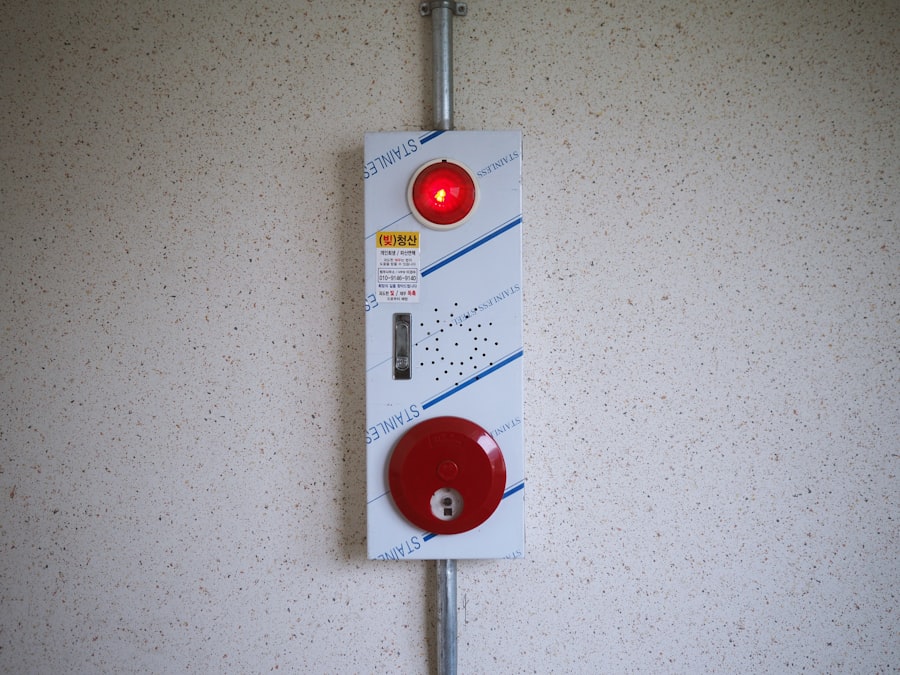
The components of an alarm system for a shop typically include sensors (such as door/window contacts, motion detectors, and glass break detectors), a control panel, an alarm (such as a siren or strobe light), and a monitoring system (which may include a keypad, remote access, or a connection to a monitoring service).
Why is an alarm system important for a shop?
An alarm system is important for a shop because it helps to deter theft and vandalism, protects valuable inventory and assets, and provides peace of mind for the owner. It can also help to lower insurance premiums and may be required by law in some areas.
What are the different types of alarm systems for shops?
There are several types of alarm systems for shops, including wired systems, wireless systems, monitored systems (connected to a monitoring service), and unmonitored systems (which rely on local alarms only). Some systems may also include video surveillance and access control features.


