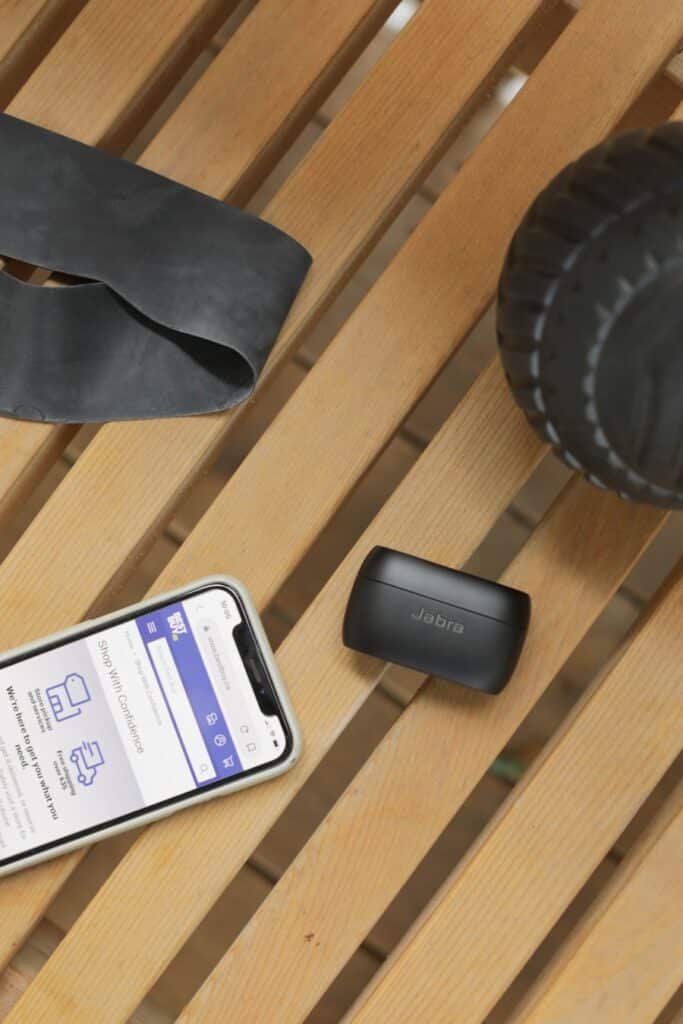
In an age where technology is seamlessly integrated into our daily lives, the concept of home security has evolved significantly. You may have noticed that traditional security systems, while effective, often lack the convenience and flexibility that modern consumers desire. Enter wearable home security devices—an innovative solution that combines personal safety with cutting-edge technology.
These devices not only enhance your home security but also empower you to take control of your safety in a way that feels personal and immediate. Wearable home security devices are designed to be carried or worn on your person, providing real-time alerts and monitoring capabilities. Imagine having a device that not only keeps you informed about your home’s security status but also allows you to respond quickly in case of an emergency.
As you explore the world of wearable technology, you’ll find that these devices can range from smartwatches with built-in security features to specialized wearables designed specifically for personal safety. The integration of these devices into your daily routine can offer peace of mind, knowing that you are equipped to handle potential threats.
Key Takeaways
- Wearable home security devices provide convenient and portable protection for individuals and families.
- Types of wearable home security devices include smartwatches, key fobs, and personal alarms.
- Benefits of using wearable home security devices include peace of mind, emergency assistance, and real-time monitoring.
- Features to look for in wearable home security devices include GPS tracking, two-way communication, and waterproof design.
- When choosing the right wearable home security device, consider your lifestyle, budget, and specific security needs.
Types of Wearable Home Security Devices
When it comes to wearable home security devices, the options are as diverse as your personal preferences and lifestyle. One of the most popular types is the smart wearable, such as a smartwatch or fitness tracker, which often includes features like GPS tracking, emergency alerts, and even health monitoring. These devices can notify you if there’s unusual activity at home or if you stray too far from a designated safe zone.
You might find that a smartwatch with security features not only keeps you connected but also enhances your overall safety. Another category includes dedicated personal safety devices, such as panic buttons or personal alarms. These compact gadgets are designed to be easily accessible and can emit loud sounds or send alerts to emergency contacts when activated.
If you’re someone who frequently travels alone or spends time in unfamiliar areas, having a personal alarm can provide an extra layer of security. Additionally, some wearables come equipped with advanced features like fall detection or two-way communication, allowing you to stay connected with loved ones or emergency services when needed.
Benefits of Using Wearable Home Security Devices
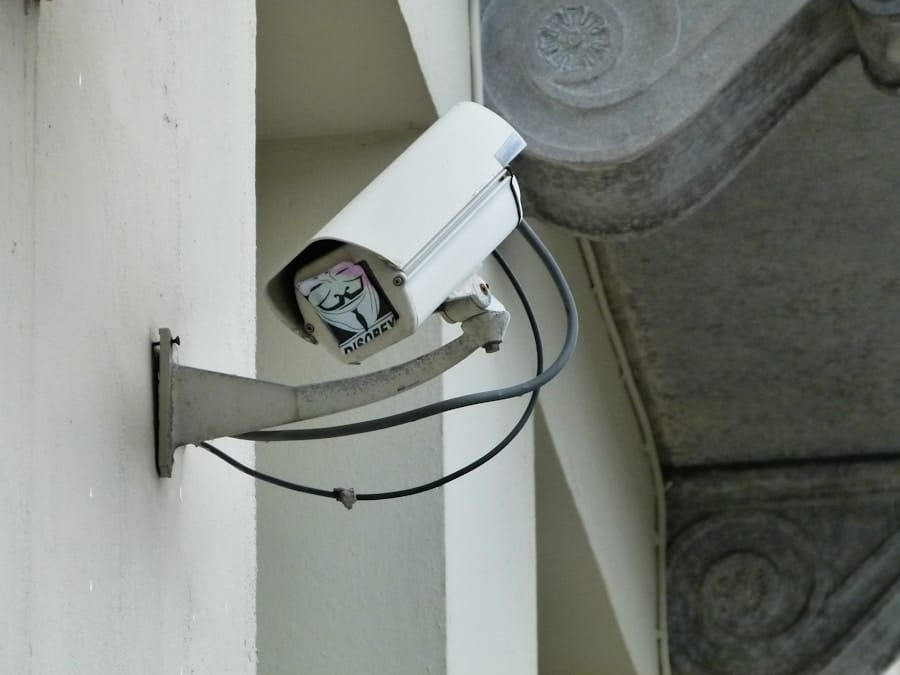
The benefits of incorporating wearable home security devices into your life are numerous and compelling. First and foremost, these devices enhance your personal safety by providing immediate access to help in case of an emergency. Whether you’re at home or out and about, knowing that you have a reliable device at your fingertips can significantly reduce anxiety and increase your sense of security.
You may find that the peace of mind these devices offer allows you to go about your daily activities with greater confidence. Moreover, wearable home security devices often come with features that promote proactive safety measures. For instance, many smartwatches can send alerts when they detect unusual movements or sounds in your home, allowing you to respond quickly before a situation escalates.
This proactive approach not only helps protect your property but also ensures the safety of your loved ones. Additionally, many devices allow for remote monitoring, enabling you to keep an eye on your home even when you’re miles away. This level of control can be particularly beneficial for busy individuals or families who want to stay connected to their home environment.
Features to Look for in Wearable Home Security Devices
When selecting a wearable home security device, it’s essential to consider the features that will best suit your needs. One key feature to look for is real-time alerts. You want a device that can notify you instantly if there’s any suspicious activity detected at home or if someone attempts to breach your security system.
This immediate feedback can be crucial in preventing potential threats and ensuring a swift response. Another important feature is GPS tracking capabilities. If you’re someone who often travels or spends time outdoors, having a device that can track your location can be invaluable.
This feature not only helps in emergencies but also allows loved ones to know where you are at all times. Additionally, consider devices with long battery life and durability; after all, a device that runs out of power or breaks easily won’t serve its purpose effectively. Look for wearables that are water-resistant and designed for everyday use, ensuring they can withstand various conditions.
How to Choose the Right Wearable Home Security Device for Your Needs
Choosing the right wearable home security device involves assessing your lifestyle and specific safety needs. Start by evaluating how often you find yourself in situations where personal safety is a concern. If you frequently travel alone or engage in outdoor activities, a device with robust tracking and alert features may be essential for you.
On the other hand, if your primary concern is home security while you’re away, a smartwatch with integrated home monitoring capabilities might be more suitable. Additionally, consider the compatibility of the device with other smart home systems you may already have in place. Many wearable devices can integrate seamlessly with existing security systems, allowing for a more cohesive approach to home safety.
Take the time to read reviews and compare different models to find one that aligns with your preferences and budget. Ultimately, the right device should feel like an extension of your lifestyle while providing the security features you need.
Installation and Setup of Wearable Home Security Devices

Once you’ve chosen the perfect wearable home security device, the next step is installation and setup. Fortunately, most modern wearables are designed with user-friendliness in mind, making the setup process straightforward. Begin by downloading the accompanying app on your smartphone or tablet; this app will serve as the central hub for managing your device’s settings and notifications.
Follow the on-screen instructions to pair your wearable with your smartphone via Bluetooth or Wi-Fi. During this process, you’ll likely need to create an account and customize your preferences regarding alerts and notifications. It’s essential to take the time to familiarize yourself with all the features available on your device; this knowledge will empower you to utilize it effectively in various situations.
Don’t hesitate to consult the user manual or online resources if you encounter any challenges during setup.
Tips for Using Wearable Home Security Devices Effectively
To maximize the benefits of your wearable home security device, consider implementing some best practices for effective use. First and foremost, ensure that your device is always charged and functioning correctly. Regularly check for software updates as manufacturers often release enhancements that improve performance and security features.
By keeping your device up-to-date, you’ll ensure it operates at its best when you need it most. Another tip is to familiarize yourself with all available features and settings. Take time to explore the app associated with your wearable; understanding how to customize alerts and notifications can significantly enhance your experience.
Additionally, consider sharing access with trusted family members or friends so they can assist in monitoring your safety when necessary. This collaborative approach not only strengthens your support network but also provides additional peace of mind.
Future Trends in Wearable Home Security Devices
As technology continues to advance at a rapid pace, the future of wearable home security devices looks promising and exciting. One trend gaining traction is the integration of artificial intelligence (AI) into these devices. AI can enhance predictive analytics capabilities, allowing wearables to learn from user behavior and provide tailored alerts based on patterns observed over time.
Imagine a device that not only alerts you about potential threats but also anticipates them based on historical data. Another emerging trend is the development of more sophisticated health monitoring features within wearable security devices. As personal safety becomes increasingly intertwined with health awareness, future wearables may include advanced sensors capable of detecting medical emergencies such as heart attacks or falls.
This dual functionality could revolutionize how we think about personal safety, making wearables indispensable tools for both health and security. In conclusion, wearable home security devices represent a significant leap forward in personal safety technology. By understanding their types, benefits, features, and future trends, you can make informed decisions about how best to integrate these devices into your life for enhanced security and peace of mind.
As you navigate this evolving landscape, remember that the ultimate goal is not just protection but empowerment—giving you the tools needed to feel safe and secure in any situation.
If you are interested in exploring modern home security solutions beyond wearable devices, you may want to check out the article Beyond Locks and Alarms: Modern Home Security Solutions. This article delves into innovative technologies and strategies that can enhance the security of your home in cities like Paterson, New Jersey, and Cary, North Carolina. Whether you are looking to upgrade your existing system or are starting from scratch, this article offers valuable insights into the latest trends in home security.
FAQs
What are wearable home security devices?
Wearable home security devices are small, portable devices that can be worn on the body to provide personal security and protection. These devices are designed to alert the user or a monitoring service in the event of an emergency or security threat.
What types of wearable home security devices are available?
There are several types of wearable home security devices available, including personal alarms, panic buttons, GPS trackers, and smartwatches with built-in security features. These devices are designed to be discreet and easy to carry, allowing users to have quick access to help in case of an emergency.
How do wearable home security devices work?
Wearable home security devices typically work by allowing the user to trigger an alert in the event of an emergency. This can be done by pressing a button, activating a voice command, or through automatic detection of unusual activity. Once an alert is triggered, the device will notify a monitoring service or designated contacts, providing them with the user’s location and other relevant information.
What are the benefits of using wearable home security devices?
Wearable home security devices provide users with a sense of safety and security, especially when they are alone or in unfamiliar environments. These devices can also offer peace of mind to family members and caregivers, knowing that their loved ones have access to help in case of an emergency.
Are there any limitations to wearable home security devices?
While wearable home security devices can provide added protection, they are not a substitute for comprehensive home security systems. These devices are designed for personal use and may not be suitable for monitoring larger properties or deterring intruders. Additionally, the effectiveness of wearable home security devices may depend on factors such as battery life, signal strength, and response time from monitoring services.