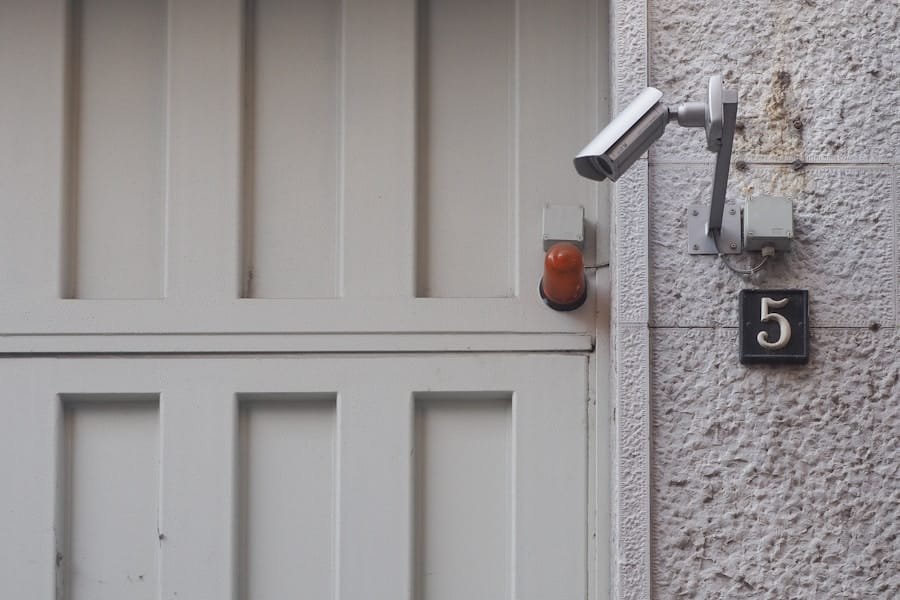
In an age where safety and security are paramount, home security devices have become essential tools for protecting your living space. These devices not only serve as deterrents against potential intruders but also provide peace of mind for you and your loved ones. With advancements in technology, the range of home security devices available has expanded significantly, offering various features that cater to different needs and preferences.
Whether you live in a bustling urban environment or a quiet suburban neighborhood, understanding the importance of these devices can help you make informed decisions about safeguarding your home. As you explore the world of home security, you’ll find that these devices come in various forms, from traditional alarm systems to smart home technology. Each type of device plays a unique role in creating a comprehensive security strategy.
By familiarizing yourself with the different options available, you can tailor a security system that best fits your lifestyle and enhances your overall sense of safety. In this article, we will delve into the types of alarms that home security devices can identify, how they function, their benefits and limitations, and what to consider when choosing the right system for your home.
Key Takeaways
- Home security devices are essential for protecting your home and loved ones from potential threats.
- Types of alarms home security devices can identify include fire, carbon monoxide, intrusion, and medical emergencies.
- Home security devices identify different types of alarms through sensors, detectors, and monitoring systems.
- Benefits of home security devices identifying different types of alarms include early detection, quick response, and peace of mind for homeowners.
- Limitations of home security devices in identifying different types of alarms include false alarms, technical malfunctions, and limited coverage in large properties.
Types of Alarms Home Security Devices Can Identify
Home security devices are designed to detect a variety of alarms that signal potential threats to your property. One of the most common types is the intrusion alarm, which activates when unauthorized entry is detected. These alarms can be triggered by motion sensors, door/window contacts, or glass break detectors.
When you leave your home, arming the system ensures that any unexpected movement or breach will set off an alert, notifying you and potentially scaring off intruders. Another significant category of alarms includes environmental alerts, which monitor for hazards such as smoke, carbon monoxide, or flooding. Smoke detectors are crucial for alerting you to fire hazards, while carbon monoxide detectors can save lives by warning you of this colorless, odorless gas.
Flood sensors can help prevent extensive water damage by alerting you to leaks or rising water levels. By integrating these environmental alarms into your home security system, you can protect not only against theft but also against potentially life-threatening situations.
How Home Security Devices Identify Different Types of Alarms
Home security devices utilize various technologies to identify different types of alarms effectively. For intrusion detection, motion sensors play a pivotal role. These sensors use passive infrared technology to detect changes in heat signatures within their field of view.
When you move through the sensor’s range, it registers the change and triggers the alarm. Door and window contacts work on a simpler principle: they consist of two parts that create a circuit when closed. If the door or window is opened, the circuit breaks, activating the alarm.
Environmental alarms operate on different mechanisms tailored to their specific functions. Smoke detectors typically use either ionization or photoelectric technology to sense smoke particles in the air. Ionization detectors are more responsive to flaming fires, while photoelectric detectors are better at detecting smoldering fires.
Carbon monoxide detectors often use electrochemical sensors that react to the presence of CO in the air, triggering an alarm when levels become dangerous. Flood sensors usually employ probes that detect moisture; when water comes into contact with the probes, an alert is sent out.
Benefits of Home Security Devices Identifying Different Types of Alarms
The ability of home security devices to identify various types of alarms offers numerous benefits that enhance your overall safety and security. First and foremost, having a comprehensive alarm system means that you are not only protected against break-ins but also against environmental hazards that could threaten your home and family. This multi-faceted approach allows you to address different risks simultaneously, providing a more robust security solution.
Moreover, many modern home security systems come equipped with smart technology that allows for remote monitoring and control. This means you can receive real-time alerts on your smartphone or tablet whenever an alarm is triggered, regardless of where you are. This feature empowers you to take immediate action if necessary, whether that means contacting authorities or checking in on your property through live video feeds.
The convenience and peace of mind that come with remote access cannot be overstated; it allows you to stay connected to your home even when you’re miles away.
Limitations of Home Security Devices in Identifying Different Types of Alarms
While home security devices offer significant advantages, they are not without limitations. One major concern is the potential for false alarms, which can occur due to various factors such as pets moving around or equipment malfunctions. Frequent false alarms can lead to alarm fatigue, where you may become desensitized to alerts over time, potentially causing you to overlook genuine threats.
Additionally, false alarms can strain relationships with local law enforcement if they are dispatched repeatedly for non-emergencies. Another limitation is the reliance on technology itself. Home security devices require power sources and internet connectivity to function optimally.
In cases of power outages or internet disruptions, your system may become compromised, leaving your home vulnerable during critical moments. Furthermore, while many devices are designed for ease of use, improper installation or configuration can lead to gaps in security coverage. It’s essential to ensure that your system is set up correctly and maintained regularly to mitigate these risks.
Considerations When Choosing Home Security Devices
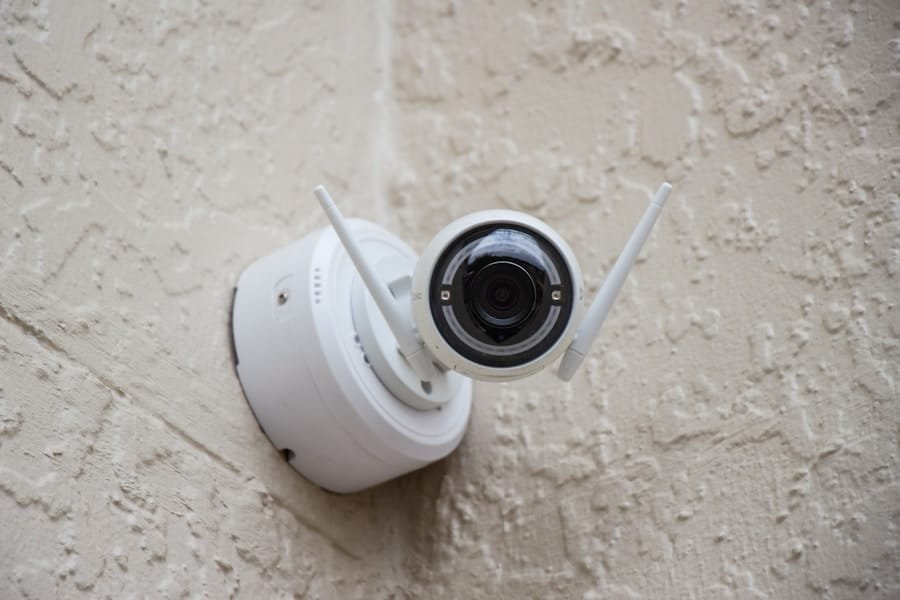
When selecting home security devices, several factors should guide your decision-making process. First and foremost, assess your specific needs based on your living situation and lifestyle. Consider the size of your home and the number of entry points that require monitoring.
A larger property may necessitate a more extensive system with multiple sensors and cameras, while a smaller apartment might only need basic coverage. Budget is another critical consideration. Home security systems can vary widely in price depending on features and technology.
While it may be tempting to opt for the cheapest option available, investing in quality devices can pay off in the long run through enhanced reliability and performance. Additionally, think about whether you prefer a DIY installation or professional installation services; some systems are designed for easy self-setup, while others may require expert assistance for optimal functionality.
Integrating Home Security Devices with Monitoring Services
Integrating your home security devices with professional monitoring services can significantly enhance their effectiveness. Monitoring services provide 24/7 surveillance of your system, ensuring that any alarms triggered are promptly addressed by trained professionals. This means that if an intrusion or environmental hazard occurs while you’re away from home, the monitoring center can quickly notify local authorities on your behalf.
Moreover, many monitoring services offer additional features such as mobile app access and real-time alerts tailored to your preferences. This integration allows you to stay informed about your home’s status at all times and provides an extra layer of protection against potential threats. When choosing a monitoring service, consider factors such as response times, customer reviews, and whether they offer customizable plans that fit your specific needs.
Conclusion and Recommendations for Home Security Devices
In conclusion, investing in home security devices is a proactive step toward safeguarding your property and ensuring the safety of those who reside within it. By understanding the various types of alarms these devices can identify and how they function, you can make informed choices about which systems best suit your needs. While there are limitations to consider—such as false alarms and reliance on technology—the benefits far outweigh these concerns when it comes to protecting your home.
As you navigate the options available in the market today, take time to assess your unique requirements and budget constraints. Consider integrating professional monitoring services for added peace of mind and enhanced protection against potential threats. Ultimately, a well-thought-out home security system will not only deter intruders but also provide invaluable protection against environmental hazards—ensuring that you can enjoy your home with confidence and tranquility.
Can Home Security Devices Identify Different Types of Alarms, Like Smoke, Burglar, Etc.? This question is explored in more detail in a related article on oursecurehome.net. The article discusses the importance of professional security services in protecting your home from various threats, including smoke and burglar alarms. It delves into how advanced home security systems can differentiate between different types of alarms and respond accordingly to keep your home safe.
FAQs
What types of alarms can home security devices identify?
Home security devices can identify various types of alarms, including smoke alarms, carbon monoxide alarms, burglar alarms, and even water leak alarms.
How do home security devices identify different types of alarms?
Home security devices use different sensors and technologies to identify different types of alarms. For example, smoke alarms are typically identified using photoelectric or ionization sensors, while burglar alarms are identified using motion sensors or door/window sensors.
Can home security devices differentiate between different types of alarms?
Yes, advanced home security devices can differentiate between different types of alarms. For example, a home security system can distinguish between a smoke alarm and a burglar alarm and alert the homeowner accordingly.
Can home security devices send alerts for different types of alarms?
Yes, home security devices can send alerts for different types of alarms. For example, if a smoke alarm is triggered, the home security system can send an alert to the homeowner’s smartphone or to a monitoring service. Similarly, if a burglar alarm is triggered, the system can send an alert for that as well.