When you invest in home security cameras, you likely envision a reliable system that will keep your property safe and secure. However, it’s essential to recognize that these devices are not infallible. One of the primary limitations of home security cameras is their dependency on environmental conditions.
Factors such as lighting, weather, and even the angle at which the camera is mounted can significantly impact their performance. For instance, a camera that works perfectly during the day may struggle to capture clear images at night or in low-light conditions. Moreover, the technology behind these cameras, while advanced, is not immune to interference from external elements.
You may find that heavy rain, fog, or snow can obscure the camera’s view, rendering it less effective in monitoring your property. Understanding these limitations is crucial for you as a homeowner. It allows you to set realistic expectations and take proactive measures to enhance your security system’s effectiveness.
By acknowledging these challenges, you can better prepare for potential vulnerabilities in your home security setup.
Key Takeaways
- Home security cameras have limitations in terms of visibility and effectiveness, especially in adverse weather conditions.
- Fog can significantly impact the visibility of home security cameras, reducing their effectiveness in monitoring and surveillance.
- Rain can also affect the visibility of home security cameras, leading to obscured or distorted footage.
- Overcoming visibility challenges with home security cameras may involve using specific camera features or alternative monitoring solutions.
- Choosing the right home security camera for inclement weather is crucial for ensuring reliable surveillance and monitoring.
The Impact of Fog on Home Security Cameras
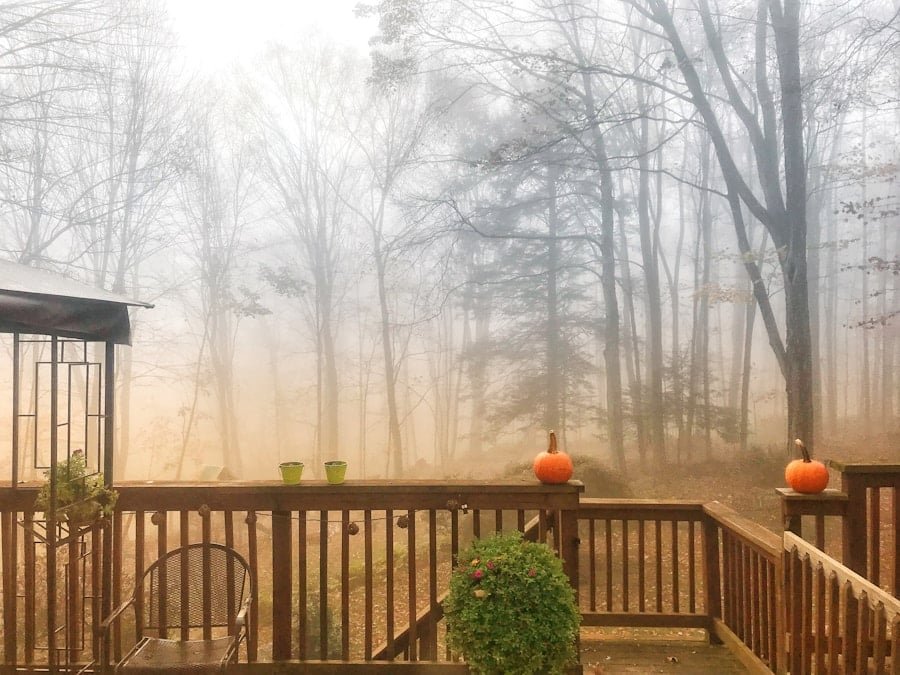
Fog can be a significant obstacle for home security cameras, often leading to reduced visibility and compromised image quality. When fog rolls in, it creates a thick layer of moisture in the air that scatters light, making it difficult for cameras to capture clear images. You might notice that your camera’s footage appears blurry or indistinct during foggy conditions, which can hinder your ability to identify faces or license plates in the event of an incident.
This lack of clarity can be particularly concerning if you rely on your cameras for monitoring high-risk areas around your home. Additionally, fog can create a false sense of security. You may feel reassured by the presence of your cameras, believing they will provide adequate surveillance even in poor weather conditions.
However, if you are unaware of how fog affects their performance, you could be leaving your property vulnerable. It’s essential to understand that while cameras can deter some criminal activity, their effectiveness can be significantly diminished in foggy conditions. Being aware of this limitation allows you to take additional precautions to ensure your home remains secure.
How Rain Affects the Visibility of Home Security Cameras
Rain presents another challenge for home security cameras, impacting both visibility and functionality. When rain falls heavily, it can create streaks on the camera lens, obstructing the view and distorting images. You may find that your camera captures footage that is washed out or unclear due to water droplets clinging to the lens.
This can be particularly problematic if you rely on your cameras for real-time monitoring or evidence collection after an incident. Moreover, rain can also affect the overall performance of your security system. If your cameras are not adequately weatherproofed, they may suffer from malfunctions or even complete failure during heavy downpours.
You might experience issues such as connectivity problems or loss of power if the camera’s housing is not designed to withstand wet conditions. Understanding how rain impacts your security cameras is vital for ensuring that they remain functional and effective throughout various weather scenarios.
Overcoming Visibility Challenges with Home Security Cameras
To overcome the visibility challenges posed by fog and rain, there are several strategies you can implement to enhance the performance of your home security cameras. One effective approach is to invest in high-quality cameras specifically designed for adverse weather conditions. Look for models with features such as enhanced low-light performance, built-in wipers, or heated lenses that can help prevent moisture buildup on the lens.
These features can significantly improve visibility during inclement weather. Another strategy is to adjust the positioning of your cameras. By angling them slightly downward or away from direct exposure to rain or fog, you can minimize the impact of these elements on image quality.
Additionally, consider using protective housing or covers that shield the camera from direct exposure to rain while still allowing for optimal visibility. These adjustments can help ensure that your cameras remain effective even when faced with challenging weather conditions.
Choosing the Right Home Security Camera for Inclement Weather
When selecting a home security camera for inclement weather, it’s essential to prioritize features that enhance durability and performance in adverse conditions. Look for cameras with an IP (Ingress Protection) rating that indicates their resistance to water and dust. A higher IP rating means better protection against the elements, ensuring that your camera remains functional even during heavy rain or fog.
In addition to weather resistance, consider cameras equipped with advanced imaging technology. Features such as infrared night vision and wide dynamic range (WDR) capabilities can significantly improve visibility in low-light situations or when dealing with glare from headlights or streetlights. By choosing a camera with these features, you can enhance your home security system’s effectiveness and ensure that it performs well regardless of the weather.
Alternative Solutions for Monitoring in Fog or Rain
While home security cameras are a valuable tool for monitoring your property, they are not the only option available to you. In situations where visibility is severely compromised due to fog or rain, consider supplementing your camera system with alternative monitoring solutions. For instance, motion-activated floodlights can illuminate areas around your home, making it easier for both you and your cameras to detect movement.
Another alternative is to utilize smart doorbells equipped with video capabilities. These devices often have enhanced features such as two-way audio and motion detection alerts, allowing you to monitor activity at your front door even when visibility is poor. Additionally, integrating other smart home devices into your security system can provide an extra layer of protection and peace of mind during inclement weather.
Tips for Maximizing the Effectiveness of Home Security Cameras in Poor Weather Conditions
To maximize the effectiveness of your home security cameras during poor weather conditions, there are several practical tips you can follow. First and foremost, regular maintenance is crucial. Ensure that your cameras are clean and free from debris or moisture buildup on the lens.
A simple wipe-down with a microfiber cloth can make a significant difference in image clarity. Additionally, consider adjusting the settings on your cameras to optimize performance in varying weather conditions. Many modern cameras come equipped with customizable settings that allow you to adjust sensitivity levels and image quality based on environmental factors.
By fine-tuning these settings, you can enhance the overall effectiveness of your surveillance system during foggy or rainy days.
The Future of Home Security Camera Technology in Adverse Weather Conditions
As technology continues to advance, the future of home security cameras looks promising, particularly regarding their performance in adverse weather conditions. Innovations such as artificial intelligence and machine learning are paving the way for smarter surveillance systems that can adapt to changing environments. These technologies may enable cameras to automatically adjust their settings based on weather conditions, ensuring optimal performance regardless of external factors.
Furthermore, advancements in materials science may lead to the development of more durable and weather-resistant camera housings. This could result in devices that not only withstand harsh weather but also maintain high-quality image capture under challenging circumstances. As a homeowner, staying informed about these technological advancements will empower you to make better decisions regarding your home security system and ensure that it remains effective in protecting your property against potential threats.
In conclusion, understanding the limitations of home security cameras is essential for maximizing their effectiveness in various weather conditions. By recognizing how fog and rain impact visibility and taking proactive measures to address these challenges, you can enhance your home’s security system and ensure peace of mind regardless of the elements at play.
If you are interested in learning more about home security systems in different cities, you may want to check out this article on home security system service in Bakersfield, California. It provides valuable information on how to protect your home in this specific location.
FAQs
Can home security cameras see through fog or rain?
Yes, some home security cameras are equipped with features that allow them to see through fog or rain to a certain extent.
How do home security cameras see through fog or rain?
Home security cameras with advanced technology such as infrared or thermal imaging can penetrate fog and rain to capture clear images.
Are all home security cameras able to see through fog or rain?
Not all home security cameras have the capability to see through fog or rain. It depends on the specific features and technology of the camera.
What are some features to look for in home security cameras that can see through fog or rain?
Look for cameras with infrared or thermal imaging capabilities, as well as those with high-quality lenses and image processing technology.
Are there limitations to home security cameras seeing through fog or rain?
While some cameras can see through fog or rain to a certain extent, there are still limitations in extreme weather conditions. Heavy fog or rain may still obstruct the camera’s view.