In today’s world, the safety of your home is more important than ever. With the rise in crime rates and the increasing sophistication of burglars, investing in a home security system has become a necessity for many homeowners. These systems are designed to protect your property, deter intruders, and provide peace of mind.
Home security devices come in various forms, including alarms, cameras, motion detectors, and smart locks. Each of these devices plays a crucial role in creating a comprehensive security network that safeguards your home and loved ones. As you consider enhancing your home’s security, it’s essential to understand the various devices available and how they work together.
A well-integrated system can provide real-time alerts, remote monitoring, and even automation features that allow you to control your home’s security from anywhere. However, the effectiveness of these devices largely depends on how well they are configured and managed. One critical aspect of this management is the use of passcodes, which serve as a first line of defense against unauthorized access.
Key Takeaways
- Home security system devices are essential for protecting your home and loved ones from potential threats.
- Setting passcodes for home security system devices is crucial for preventing unauthorized access and ensuring the safety of your property.
- Various home security system devices, such as smart locks, alarm systems, and security cameras, can be equipped with passcode protection.
- It is important to follow the manufacturer’s instructions and guidelines when setting passcodes for home security system devices to ensure their effectiveness.
- Creating strong and unique passcodes, regularly updating them, and managing access to your home security system devices are key best practices for maintaining security.
Importance of Setting Passcodes for Home Security System Devices
Protecting Against Cyber Threats
In today’s digital age, hackers are constantly on the lookout for vulnerabilities to exploit. Having a strong passcode is essential to prevent unauthorized access to your system.
Layered Security Approach
Having unique passcodes for each device enhances your overall security strategy. This ensures that if one device is compromised, the others remain protected, minimizing risks and ensuring your home remains a safe haven.
Safeguarding Your Privacy
By setting passcodes, you not only protect your physical property but also safeguard your personal information and privacy, which can be at risk if intruders gain access to your security system.
Types of Home Security System Devices that Can Have Passcodes
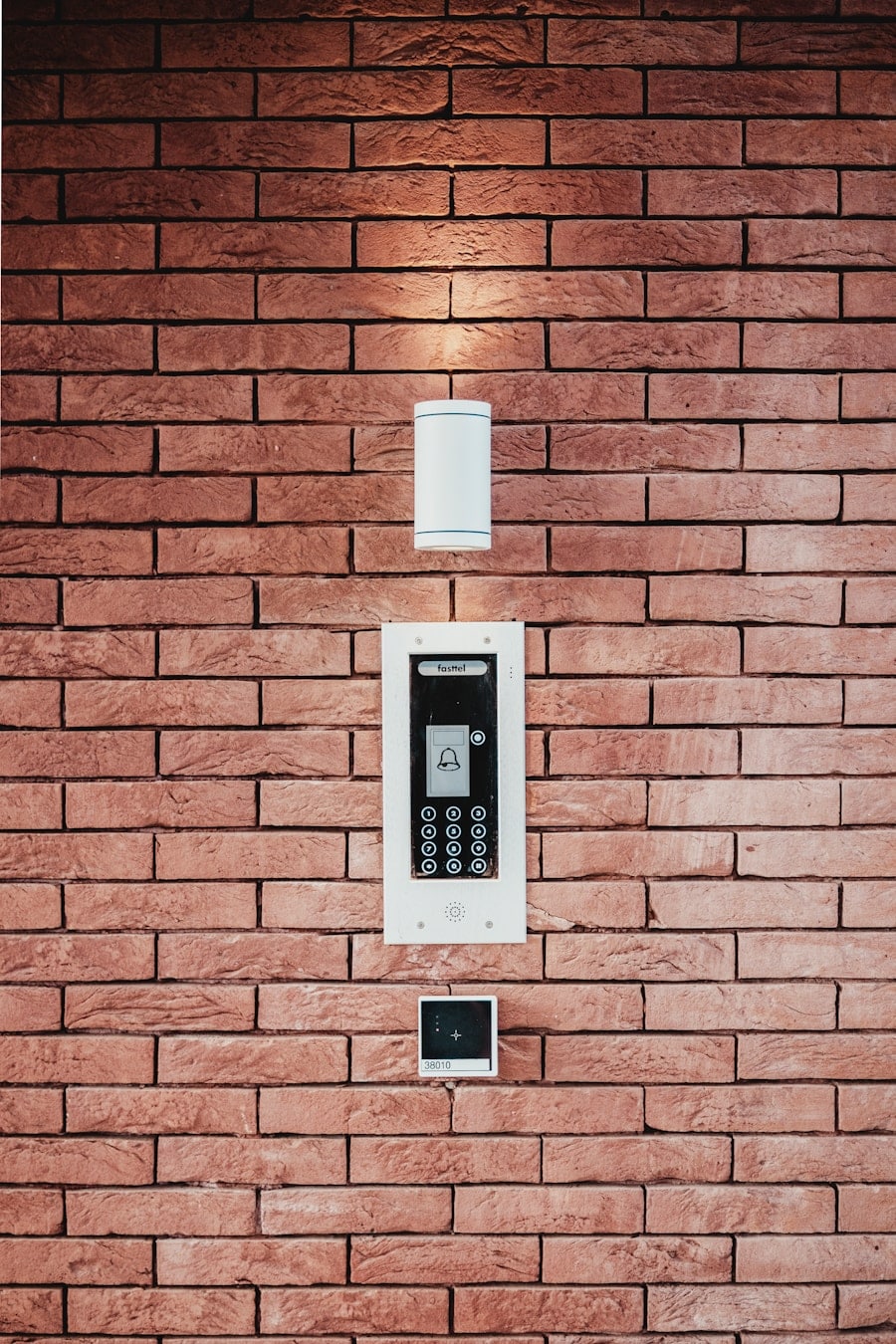
A variety of home security devices can be secured with passcodes, each serving a specific purpose in protecting your home. One of the most common devices is the smart lock. These locks allow you to control access to your home remotely and can be programmed with unique codes for different users.
This feature is particularly useful for families or households with multiple occupants, as it enables you to grant temporary access to guests or service providers without compromising your overall security. Another essential device that often requires a passcode is the alarm system. Many modern alarm systems come equipped with keypads that require a code to disarm the system.
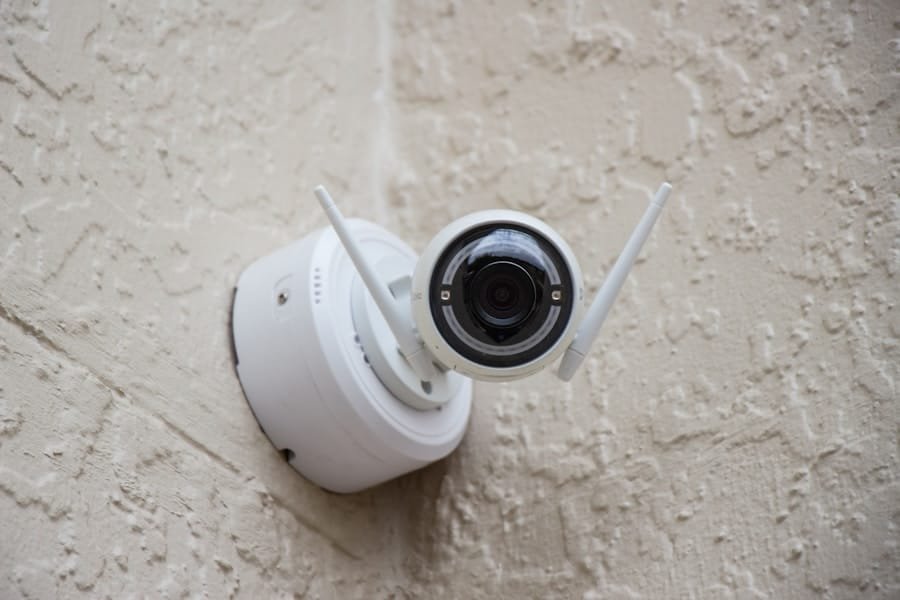
This feature ensures that only authorized individuals can deactivate the alarm, preventing false alarms and unauthorized entry. Additionally, surveillance cameras and monitoring systems may also have passcodes to restrict access to live feeds and recorded footage, ensuring that sensitive information remains confidential.
How to Set Passcodes for Home Security System Devices
Setting passcodes for your home security devices is typically a straightforward process, but it can vary depending on the specific device and manufacturer. Generally, you will start by accessing the device’s settings through its accompanying app or control panel. From there, you will find an option to create or change the passcode.
It’s important to follow the manufacturer’s instructions carefully to ensure that the passcode is set correctly. When setting a passcode, consider using a combination of numbers that are not easily guessable. Avoid using birthdays, anniversaries, or any other easily obtainable information about you or your family members.
Once you have created a passcode, test it to ensure it works as intended. Additionally, make sure to document the passcode securely in case you forget it in the future. Some devices may also allow you to set up recovery options or backup codes for added convenience.
Best Practices for Creating Strong Passcodes
Creating strong passcodes is crucial for maintaining the integrity of your home security system. A strong passcode typically consists of at least eight characters and includes a mix of uppercase letters, lowercase letters, numbers, and special symbols. This complexity makes it significantly harder for potential intruders or hackers to guess or crack your code through brute force methods.
In addition to complexity, it’s essential to avoid using the same passcode across multiple devices or accounts. If one device is compromised, having unique codes for each will help protect your other systems from being breached as well. Regularly updating your passcodes is another best practice; consider changing them every few months or immediately after any suspected security breach.
By following these guidelines, you can significantly enhance the security of your home.
Managing and Updating Passcodes for Home Security System Devices
Streamlining Passcode Management
To streamline this process, consider using a password manager application that securely stores all your passcodes in one place. This way, you can easily access and manage them without having to remember each one individually.
Clear Communication is Key
Additionally, ensure that any changes made are communicated clearly to all authorized users within your household so that everyone remains informed about current access codes.
Potential Risks and Vulnerabilities of Using Passcodes for Home Security System Devices
While passcodes are an essential component of home security systems, they are not without their vulnerabilities. One significant risk is the potential for someone to guess or obtain your passcode through social engineering tactics or brute force attacks. If an intruder knows personal details about you or has access to information such as your phone number or email address, they may attempt to reset or bypass your codes.
Another concern is the possibility of technological vulnerabilities within the devices themselves. Some older models may have outdated security protocols that can be exploited by savvy hackers. Therefore, it’s crucial to stay informed about any updates or patches released by manufacturers and apply them promptly to ensure that your devices remain secure against emerging threats.
Conclusion and Final Considerations for Setting Passcodes for Home Security System Devices
In conclusion, setting strong passcodes for your home security system devices is a vital step in protecting your home from unauthorized access and potential threats. By understanding the importance of these codes and implementing best practices for creating and managing them, you can significantly enhance the overall security of your property. Remember that while technology plays a crucial role in safeguarding your home, human vigilance is equally important.
As you navigate the world of home security systems, take the time to educate yourself about the various devices available and how they work together to create a secure environment. Regularly review and update your passcodes while remaining aware of potential risks associated with their use. By doing so, you will not only protect your physical space but also ensure peace of mind for yourself and your loved ones in an increasingly uncertain world.
If you are considering setting passcodes for your home security system devices, you may also be interested in reading about the importance of choosing the right home security camera system for your needs. This article discusses the various factors to consider when selecting a home security camera system to ensure optimal protection for your home. To learn more, check out Choosing the Right Home Security Camera System for Your Needs.
FAQs
What is a home security system passcode?
A home security system passcode is a unique code that is used to arm or disarm the security system. It is typically entered into a keypad or mobile app to control the system.
Can I set passcodes for individual devices in a home security system?
Yes, many home security systems allow users to set passcodes for individual devices such as door locks, motion sensors, and cameras. This allows for personalized access control and monitoring.
How do I set passcodes for home security system devices?
The process for setting passcodes for home security system devices varies depending on the specific system and devices being used. Generally, it involves accessing the system’s settings or control panel and following the instructions for setting up user codes.
Are there any limitations to setting passcodes for home security system devices?
Some home security systems may have limitations on the number of passcodes that can be set or the length and complexity of the codes. It’s important to check the specifications of your specific system to understand any limitations.
Why is it important to set passcodes for home security system devices?
Setting passcodes for home security system devices adds an extra layer of security and control to the system. It allows homeowners to restrict access to certain areas of the home and monitor who is entering and exiting the property.