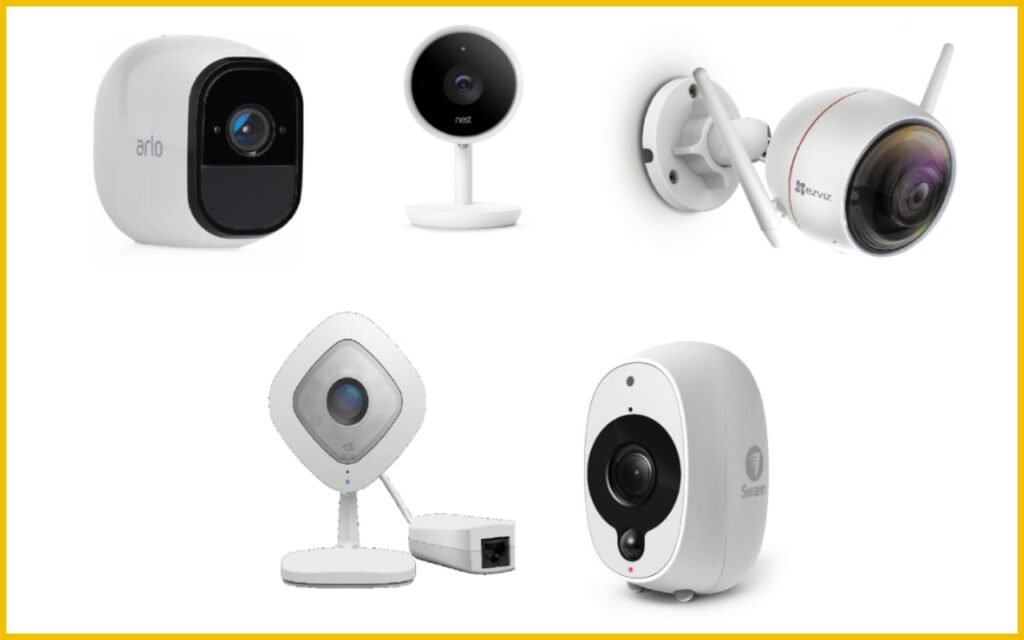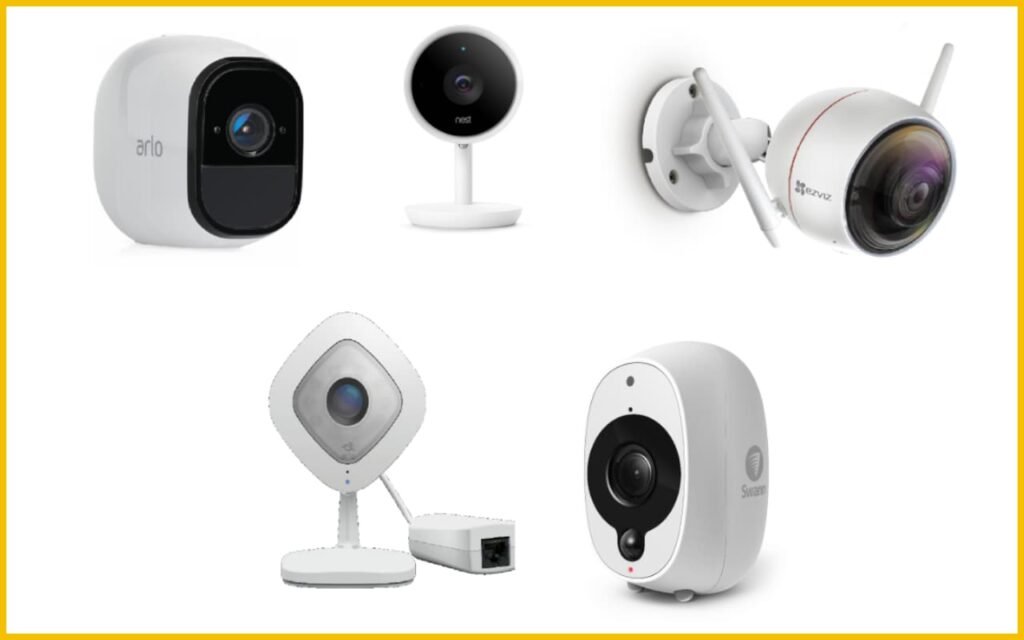
When it comes to the safety and security of your home, investing in a reliable and effective home security camera system is a crucial step. With the ever-increasing options available in the market, finding the right camera system that suits your specific needs can be overwhelming. Whether you want to keep an eye on your property while you’re away or simply ensure the safety of your loved ones, this article will guide you in choosing the perfect home security camera system that fits your requirements. It’s a topic that we all need to think about in our fast-paced and ever-changing world. With advancements in technology, it’s easier than ever to secure your home and ensure the safety of your loved ones. But with so many options available, how do you choose the right home security camera system for your needs?
Understanding Your Security Needs
Before diving into the various types of home security camera systems, it’s important to understand your specific security needs. What are your goals for implementing a surveillance system? Are you looking to deter potential criminals, monitor your home while you’re away, or keep an eye on your children and pets? Determining the purpose of surveillance will help guide you in selecting the right components for your system.
Determining the Purpose of Surveillance
The first step in understanding your security needs is to determine the purpose of the surveillance. Are you primarily concerned about protecting your home from burglaries? Or are you more interested in monitoring your property for any suspicious activity? By identifying the specific goals you want to achieve with your security camera system, you can better understand the features and capabilities that are necessary for your needs.
Identifying Areas to be Monitored
Once you have determined the purpose of your surveillance, it’s essential to identify the specific areas of your home that you want to monitor. This could include entry points such as doors and windows, high-traffic areas like the living room or kitchen, or even outdoor spaces like the front yard or backyard. By evaluating the areas you want to be covered by your security camera system, you can determine the number and placement of the cameras needed.
Considering Indoor vs. Outdoor Surveillance
Indoor and outdoor surveillance have different requirements and considerations. For indoor monitoring, you’ll want to focus on features like wide-angle lenses and motion detection to cover a larger area. Outdoor surveillance, on the other hand, requires cameras that are weatherproof and can withstand harsh conditions. Understanding whether your surveillance needs are primarily indoor or outdoor will help you choose the right cameras for each specific application.
Assessing the Desired Features
Beyond the basic surveillance needs, it’s essential to consider the desired features of your security camera system. Do you want cameras that can pan, tilt, and zoom (PTZ) to provide a greater range of coverage? Would you like to be able to communicate through your cameras with two-way audio? Are you interested in cameras that have night vision capabilities? Assessing the desired features will help narrow down your options and ensure you choose a system that meets your specific needs.
Setting a Budget
Setting a budget is an important step in choosing the right home security camera system. Security camera systems can vary greatly in price, depending on their features, brand, and quality. It’s important to determine how much you are willing to invest in your surveillance system and then look for options that fit within your budget. Remember, while price is an important factor, it’s also crucial to consider the quality and reliability of the system you choose.
Types of Home Security Camera Systems
Now that you have a clear understanding of your security needs, it’s time to explore the different types of home security camera systems available. Each type has its own advantages and considerations, so let’s delve into the various options to help you make an informed decision.
Wired vs. Wireless Systems
One of the first decisions you will need to make is whether to choose a wired or wireless home security camera system. Wired systems require cables to connect the cameras to the recording device, which can limit flexibility in camera placement but often provide a more reliable and secure connection. Wireless systems, on the other hand, offer more flexibility in camera placement but rely on a Wi-Fi network, which can be less reliable in some situations. Consider your home layout and preferences when deciding between wired and wireless systems.
Analog vs. IP Cameras
Another consideration when choosing a home security camera system is whether to opt for analog or IP (internet protocol) cameras. Analog cameras are the traditional choice and transmit video signals over coaxial cables. IP cameras, on the other hand, use the internet to transmit video signals and offer higher resolution and more advanced features. When deciding between analog and IP cameras, consider your image quality requirements, budget, and compatibility with other devices you may already have.
NVR vs. DVR Systems
When it comes to recording and storing footage from your security cameras, you will need to choose between a network video recorder (NVR) or a digital video recorder (DVR) system. NVR systems are used with IP cameras and store footage on a dedicated network device, offering higher resolution and more flexibility in terms of accessing and managing your recordings. DVR systems, on the other hand, are used with analog cameras and store footage on a hard drive within the recording device. Consider the type of cameras you have and your storage needs when deciding between NVR and DVR systems.
PTZ vs. Fixed Cameras
PTZ (pan-tilt-zoom) cameras provide greater coverage, as they can pan horizontally, tilt vertically, and zoom in and out to capture details from a distance. Fixed cameras, on the other hand, are stationary and provide a fixed field of view. When considering PTZ vs. fixed cameras, think about the areas you want to cover and whether the ability to adjust the camera’s position and zoom level is important for your surveillance needs.
Choosing Between Standalone and Cloud-Based Systems
Finally, you’ll need to decide whether to opt for a standalone security camera system or a cloud-based system. Standalone systems store all the footage on a local storage device like an NVR or DVR and provide more control over your recordings. Cloud-based systems, on the other hand, upload the footage to remote servers, offering greater accessibility and potential for remote monitoring. Consider your storage and accessibility preferences when choosing between standalone and cloud-based systems.
Factors to Consider in Camera Selection
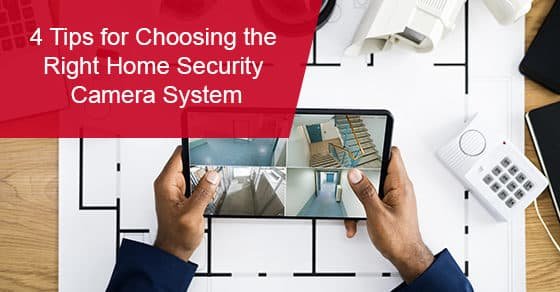
Once you have narrowed down the type of camera system that best suits your needs, it’s time to dive deeper into the specific factors to consider when selecting individual cameras. Each factor plays a crucial role in the performance and effectiveness of your security camera system, so let’s explore them one by one.
Resolution and Image Quality
One of the most important factors to consider when choosing security cameras is the resolution and image quality they offer. Higher resolution cameras provide clearer and more detailed images, allowing you to capture important details or identify individuals with greater accuracy. Look for cameras with at least 1080p resolution for sharp and crisp footage.
Field of View and Lens Size
The field of view (FOV) of a camera refers to the area it can capture and monitor. A wide-angle lens provides a larger FOV, allowing you to cover more area with fewer cameras. On the other hand, a narrow field of view may be more suitable for capturing details in a specific location. Consider the areas you want to monitor and choose cameras with the appropriate lens size and FOV for your needs.
Low Light Performance
Effective surveillance extends beyond daylight hours, so it’s important to choose cameras with good low light performance. Look for cameras with features like infrared (IR) technology or low light sensors, which allow the camera to capture clear footage even in low light or completely dark conditions. This is particularly important for outdoor cameras or areas with limited lighting.
Recording Capability
Consider the recording capabilities of your security cameras. Some cameras offer continuous recording, while others use motion detection to trigger recording only when activity is detected. Think about your specific needs and preferences for recording and ensure the cameras you choose offer the desired recording capabilities.
Audio and Two-Way Communication
Audio capabilities can be a valuable addition to your security camera system. Cameras equipped with audio may allow you to listen to audio recordings or even engage in two-way communication with people in the camera’s vicinity. Consider whether audio features are important for your surveillance needs and choose cameras that offer the desired audio capabilities.
Motion Detection and Alerts
Motion detection is an essential feature of many security cameras. With motion detection, the camera can identify any movement within its field of view and trigger an alert or recording. This allows you to be notified of any potential suspicious activity and review the footage as needed. Consider the sensitivity and customization options of the motion detection feature when selecting your cameras.
Remote Access and Mobile App Integration
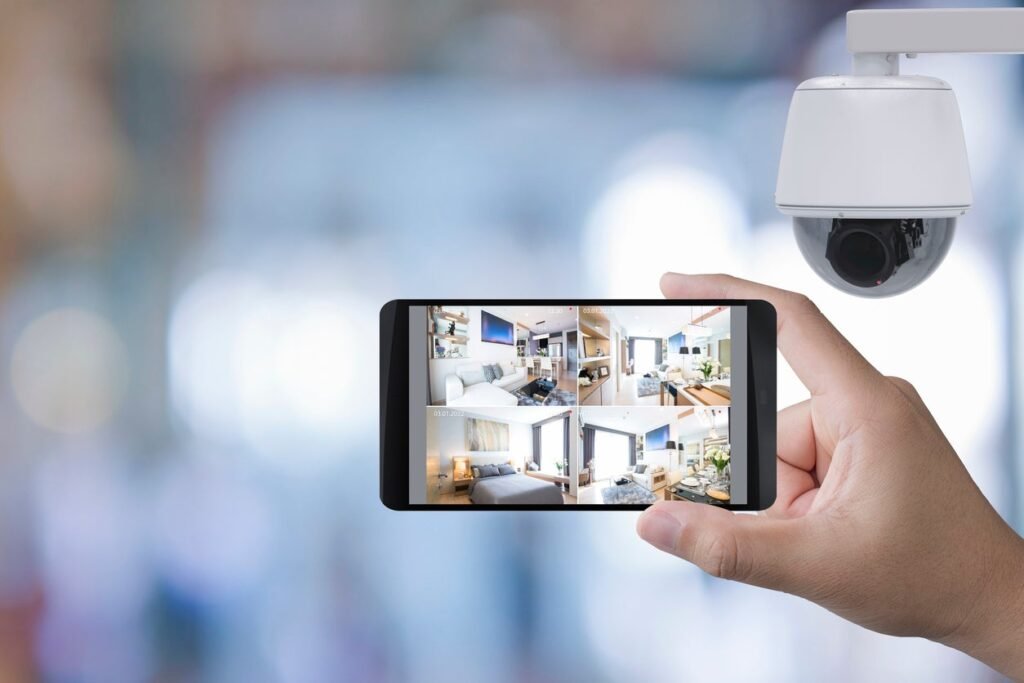
Remote access and mobile app integration allow you to monitor your security cameras and access recorded footage from anywhere using your smartphone or tablet. This feature provides convenience and ensures that you can stay connected to your home and loved ones even when you’re away. Look for cameras with user-friendly mobile apps and reliable remote access features.
Camera Placement and Installation
Consider the placement and installation requirements of your security cameras. Some cameras are designed for specific locations, such as indoor or outdoor use, while others can be more versatile. Think about where you want to install the cameras and ensure that the chosen models are suitable for those areas. Additionally, consider the ease of installation and whether you will require professional assistance or can handle the installation yourself.
Power Source Options
Security cameras can be powered using different methods, including wired connections, power over Ethernet (PoE), or batteries. Wired connections and PoE provide constant power but may require additional setup. Battery-powered cameras offer more flexibility in terms of installation but will require periodic battery changes. Consider your power source preferences and choose cameras that align with your desired setup.
Weather Resistance
For outdoor surveillance, it’s crucial to choose cameras that are weather-resistant and can withstand various weather conditions. Look for cameras with an IP (Ingress Protection) rating, which indicates the level of protection against dust and water. Higher IP ratings offer better weather resistance, ensuring that your cameras can perform reliably in outdoor environments.
Considering Storage Options
Recording and storing footage from your security cameras is a vital component of any surveillance system. There are different storage options available, each with its own advantages and considerations. Let’s explore the various storage options to help you make an informed decision.
Local Storage
Local storage involves saving the recorded footage directly onto a physical device within your premises, such as an NVR or DVR. This option provides you with full control over your recordings and ensures that your data remains on-site. However, local storage may have limitations in terms of storage capacity, and it may require additional maintenance and backup procedures.
Cloud Storage
Cloud storage involves uploading your recorded footage to remote servers and accessing it via an internet connection. This option offers greater accessibility, as you can view and manage your recordings from anywhere. Cloud storage also provides scalability, allowing you to increase your storage capacity as needed. However, it is important to consider factors such as security, reliability, and ongoing costs when opting for cloud storage.
Hybrid Storage
Hybrid storage combines the benefits of both local and cloud storage. With a hybrid system, you can store a certain amount of footage locally for quick access and rely on cloud storage for additional storage capacity or backup. Hybrid systems offer flexibility and redundancy, ensuring that you have multiple copies of your footage for added security. Consider the advantages and limitations of hybrid storage when determining your storage needs.
Capacity and Scalability
When choosing a storage option, consider the capacity and scalability requirements of your surveillance system. Calculate the amount of storage space needed based on factors such as the number of cameras, resolution, recording settings, and desired retention period. Ensure that your chosen storage solution can accommodate your current needs and offer scalability options in case your storage requirements increase in the future.
Data Backup and Retrieval
Regardless of the storage option you choose, it’s essential to have a data backup and retrieval plan in place. Regularly backing up your recorded footage will protect against potential data loss due to equipment failure, theft, or other incidents. Additionally, consider the ease of retrieving and exporting your footage when needed, as smooth access to your recordings can be crucial in the event of an incident.
Subscription Plans and Costs
When it comes to cloud-based storage options, it’s important to understand the subscription plans and costs associated with the service. Different providers offer various pricing models, including monthly or annual subscriptions based on storage capacity and features. Consider the long-term costs of the storage option you choose and ensure that it fits within your budget.
Integration with Home Automation Systems
Today’s home security camera systems can be seamlessly integrated with home automation systems, providing added convenience and control over your surveillance. Let’s explore the different aspects of integration to help you make an informed decision.
Compatibility with Smart Home Devices
Check whether the security camera system you are considering is compatible with other smart home devices you have or plan to install. Integration with devices like smart locks, door/window sensors, and motion sensors allows for a more comprehensive and automated security solution. Look for cameras that support popular smart home platforms like Amazon Alexa, Google Assistant, or Apple HomeKit.
Integration with Voice Assistants
Voice assistants like Amazon Alexa or Google Assistant can enhance the usability and accessibility of your security camera system. With voice commands, you can view live feeds, check recordings, or control other smart home devices connected to your surveillance system. Ensure that the cameras you choose are compatible with your preferred voice assistant for seamless integration and voice control capabilities.
Automation and Scheduling
Integration with home automation systems allows for automation and scheduling of your security camera system. You can set up rules and schedules to trigger specific actions based on various events or time-based conditions. For example, you can automate your cameras to start recording when a motion sensor is triggered or turn on outdoor lights when a camera detects motion at night. Consider the automation and scheduling capabilities offered by the cameras you are considering.
Linking with Security Alarms and Sensors
For a more robust security solution, consider linking your security camera system with security alarms and sensors. Integration with these devices allows for enhanced detection and response capabilities. For instance, when a camera detects motion or a door/window sensor is triggered, you can set up your system to activate an alarm or send alerts to your smartphone. Ensure that the cameras you choose support integration with security alarms and sensors for comprehensive security coverage.
Evaluating Security Camera Brands
Choosing the right security camera brand is an essential step in ensuring the reliability and performance of your surveillance system. Here are some aspects to consider when evaluating security camera brands:
Researching Trusted and Reliable Brands
Start by researching trusted and reliable security camera brands. Look for manufacturers with a proven track record in the industry and positive reviews from customers. Manufacturers that have been in the market for a while tend to have a better understanding of customer needs and offer quality products.
Reading Customer Reviews and Ratings
Customer reviews and ratings can provide valuable insights into the performance and reliability of a security camera brand. Read reviews from verified customers to get an idea of the pros and cons of different camera models. Pay attention to feedback regarding durability, image quality, software reliability, and customer support.
Comparing Product Features and Specifications
Compare the features and specifications of different camera models from the brands you are considering. Look for features that align with your specific security needs, such as resolution, field of view, low light performance, and integration capabilities. Compare cameras side by side to determine which brand offers the features that are most important to you.
Checking for Warranty and Customer Support
Warranty and customer support are crucial when it comes to security camera brands. Ensure that the brand you choose offers a warranty that covers any potential defects or malfunctions. Additionally, check the availability and quality of customer support channels, such as email, phone, or online chat. Prompt and knowledgeable customer support can make a significant difference in resolving any issues that may arise.
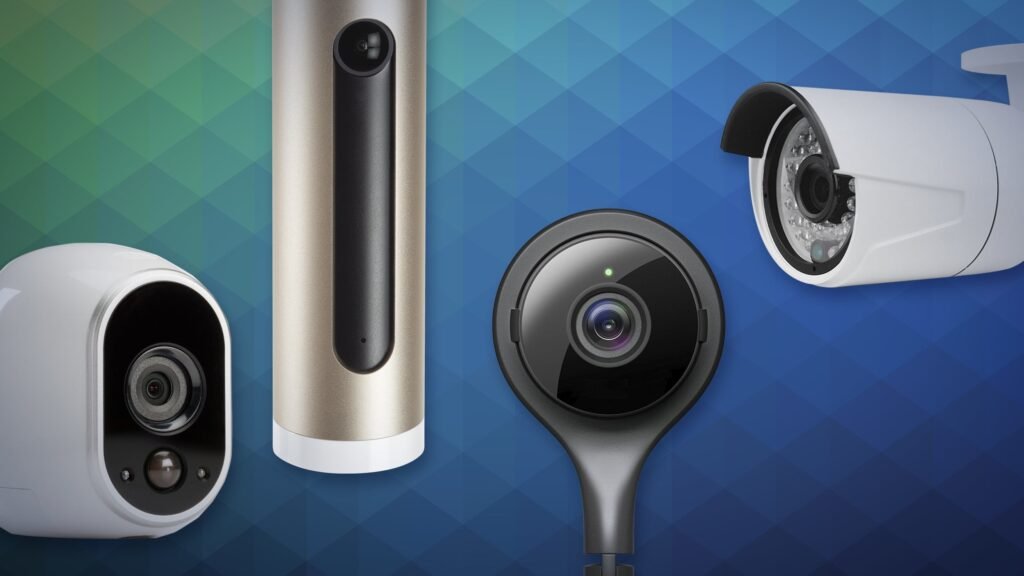
Considerations for DIY Installation vs. Professional Installation
Once you have selected the right security camera system and brand, you will need to decide whether to opt for DIY installation or professional installation. Here are some factors to consider when making this decision:
Assessing Technical Skill Level
DIY installation requires a basic level of technical skills and knowledge. Consider your comfort level with tasks such as mounting cameras, running cables, configuring settings, and troubleshooting potential issues. If you feel confident in your abilities and enjoy tackling DIY projects, then DIY installation may be a good option for you. Otherwise, professional installation can provide peace of mind and ensure that the system is set up correctly.
Time Availability for Installation
Installing a security camera system can be time-consuming, especially if it involves running cables and configuring multiple devices. Consider the time you have available and whether you are willing to invest the necessary time for installation. DIY installation allows you to work at your own pace, whereas professional installation typically offers a quicker and more convenient setup process.
Cost Comparison
Cost is an essential factor when deciding between DIY and professional installation. DIY installation can be more cost-effective since you don’t have to pay for professional installation services. However, professional installation ensures that the system is properly installed and optimized for your specific needs. Consider your budget and weigh the cost savings of DIY installation against the potential benefits of professional installation.
Warranty and Support
Professional installation often comes with warranties and ongoing support from the installation company. This provides additional assurance that any issues or maintenance needs will be addressed promptly. DIY installation, on the other hand, may require you to rely on the brand’s customer support or troubleshoot issues on your own. Consider the warranty and support aspects and choose the installation method that aligns with your preferences and needs.
Security System Integrations
If you have a larger security system with multiple components, such as security alarms, access control systems, or video doorbells, professional installation may be necessary to ensure seamless integration. Professionals have the expertise to integrate various devices and systems, ensuring that they work together seamlessly. DIY installation may limit your ability to integrate multiple security components effectively.
Additional Considerations for Outdoor Cameras
If you are planning to install outdoor security cameras, there are additional factors to consider to ensure optimal performance and durability:
Weatherproof Rating and Tamper Resistance
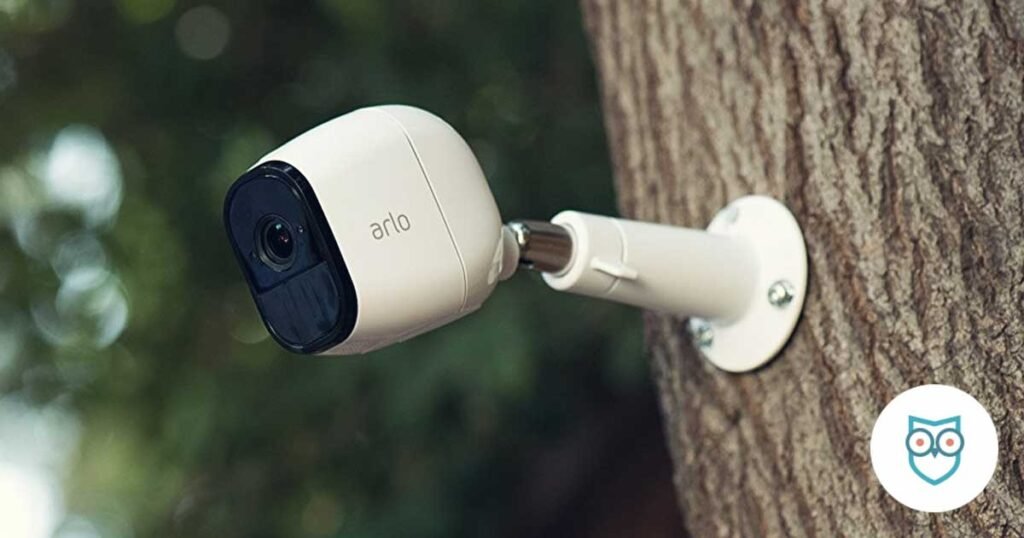
Outdoor cameras need to be weatherproof and capable of withstanding various weather conditions. Look for cameras with a high IP rating, as it indicates resistance to dust and water. Additionally, consider tamper-resistant features to protect the cameras from vandalism or attempted theft.
Infrared and Night Vision Capability
Outdoor cameras often need to capture clear footage in low-light or completely dark conditions. Look for cameras with infrared (IR) capabilities, as they emit infrared light to illuminate the scene, allowing the camera to capture clear images. Ensure that the night vision range of the cameras meets your specific requirements.
Wide Dynamic Range
Outdoor environments can have high contrast, with areas of bright sunlight and deep shadows. Cameras with wide dynamic range (WDR) can handle these challenging lighting conditions, ensuring that both dark and bright areas are properly exposed. This feature is particularly important for outdoor cameras.
Vandal-Proof Construction
Outdoor cameras are exposed to the risk of vandalism or tampering. Look for cameras with sturdy construction and additional protective features to deter and withstand any malicious attempts. Vandal-proof cameras are designed to resist physical damage, ensuring the longevity and reliability of your surveillance system.
Considering Privacy and Legal Constraints
While home security cameras provide valuable protection and peace of mind, it’s crucial to consider privacy and legal constraints. Here are some factors to keep in mind:
Familiarizing with Local Privacy Laws
Different regions and countries have specific laws and regulations regarding the use of surveillance cameras. Familiarize yourself with the local privacy laws and ensure that you comply with all requirements. This may include obtaining consent when recording in certain areas or displaying signage to inform individuals of the presence of surveillance cameras.
Avoiding Neighboring Property Intrusions
When installing outdoor cameras, ensure that their field of view is focused on your property and does not intrude on neighboring properties. Respect the privacy of your neighbors by pointing cameras away from their windows or private areas. Consider adjusting the camera angles or using privacy shields if needed.
Ensuring Encrypted Data Transmission
To protect the privacy and security of your surveillance footage, ensure that your camera system uses encrypted data transmission. This prevents unauthorized access to your video feeds and recordings. Look for cameras that support secure protocols like Secure Sockets Layer (SSL) or Transport Layer Security (TLS) for encrypted data transmission.
Implementing User Access Controls
To maintain privacy within your household, it’s important to implement user access controls for your security camera system. Assign unique usernames and strong passwords to prevent unauthorized access to the camera footage. Additionally, consider setting up different user accounts with varying levels of access based on individual needs and responsibilities.
Conclusion
Choosing the right home security camera system requires careful consideration of your specific security needs, the type of camera system, individual camera features, storage options, integration capabilities, installation methods, and additional considerations for outdoor use, privacy, and legal constraints. By understanding your requirements and considering all these factors, you can select a security camera system that provides the protection, peace of mind, and convenience you desire.