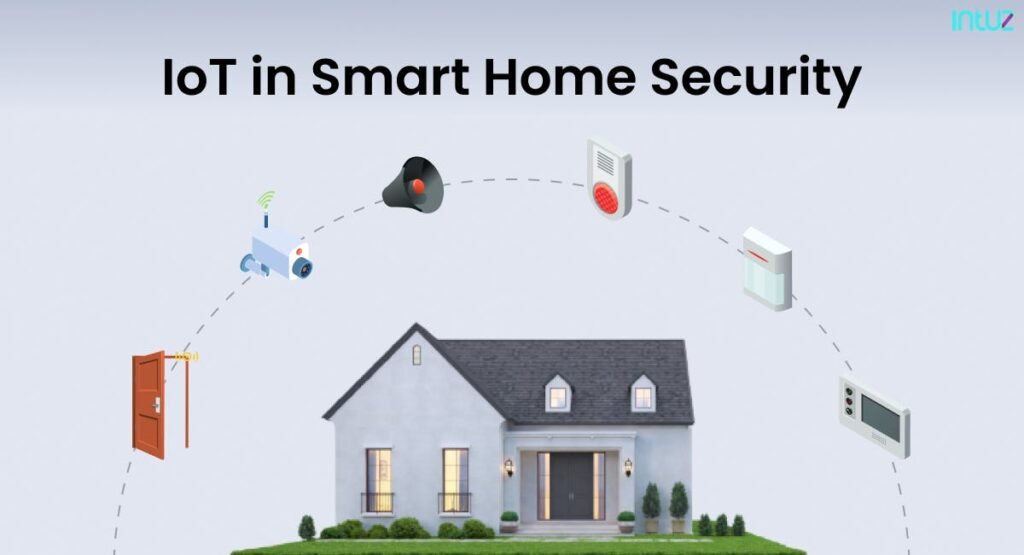
Are you concerned about the safety of your home? Enhancing home security is the key to achieving peace of mind and protecting your loved ones. In this article, we will explore the various ways you can safeguard your home against potential threats. From installing a robust alarm system to reinforcing doors and windows, we will provide you with valuable tips and insights to help you enhance your home security. By implementing these measures, you can create a safe and secure environment for you and your family.
Enhancing Home Security: The Key to Home Protection
Home is a place where we find solace and create cherished memories with our loved ones. It is essential to prioritize the safety and security of our homes to ensure peace of mind and protect our family and belongings. Enhancing home security is the key to creating a safe and secure environment, and this article will guide you through various aspects of home protection.
Importance of Home Security
Peace of Mind
One of the primary reasons to invest in home security is to achieve peace of mind. Knowing that your home is well-protected allows you to relax and go about your daily activities without constant worry. With an effective home security system in place, you can rest assured that your home and loved ones are safe, even when you are away.
Protecting Your Family and Belongings
Your family’s safety is of utmost importance, and securing your home is crucial in ensuring their well-being. By implementing home security measures, you can protect your loved ones from potential threats such as burglaries, invasions, and vandalism. Additionally, a robust security system can help safeguard your valuable possessions, providing an added layer of protection.
Deterrence against Criminals
Investing in home security not only protects your property but also acts as a deterrent for criminals. Visible security measures, such as surveillance cameras, alarm systems, and signage, can discourage potential intruders from targeting your home. Criminals are more likely to bypass a well-secured home in favor of an easier target, making home security an effective deterrent for would-be intruders.
Insurance Benefits
Another advantage of home security systems is the potential for insurance benefits. Many insurance companies offer discounted rates on homeowners’ insurance for homes equipped with security systems. By taking proactive steps to enhance your home security, you can potentially save money on insurance premiums while enjoying the added protection.
Preventing Home Invasions
Home invasions are a nightmare scenario that can have severe consequences for you and your family. By investing in a comprehensive home security system, you can significantly reduce the risk of a home invasion. Surveillance cameras, alarm systems, and proper security measures act as a strong defense against unwanted intrusions, ensuring the safety of your home and loved ones.
Common Home Security Threats
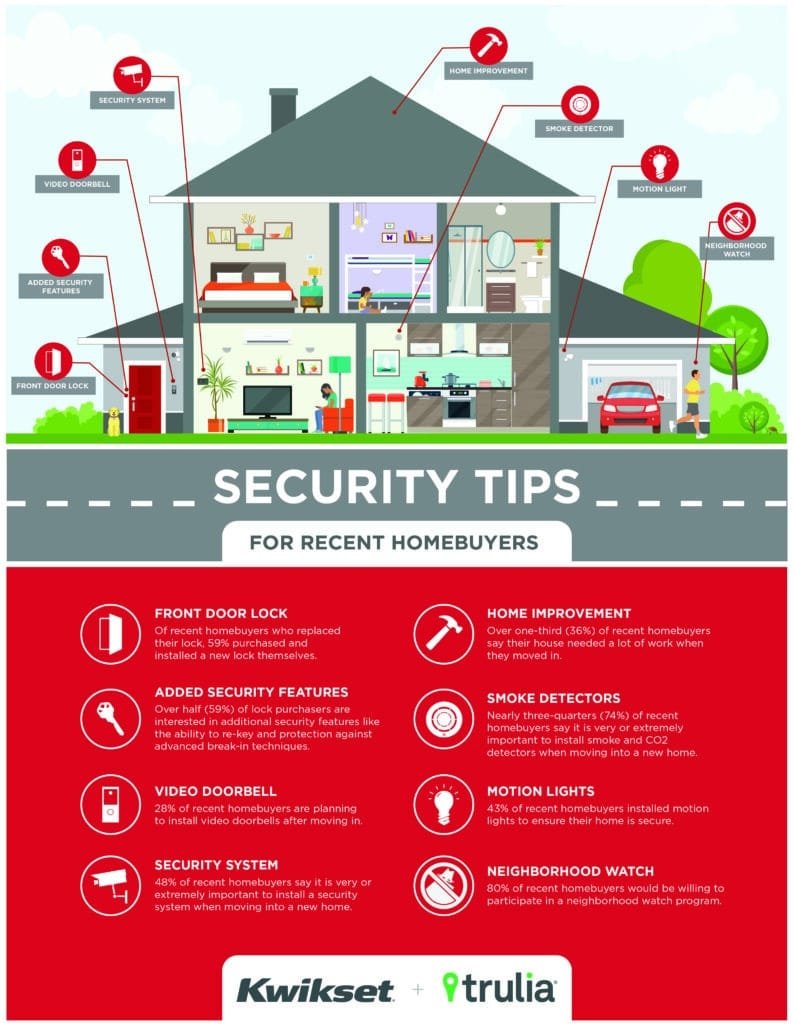
To effectively enhance home security, it’s important to be aware of the common threats that homeowners often face. By understanding these risks, you can take proactive measures to protect your home and loved ones.
Burglaries
Burglaries are a prevalent threat to homeowners. These crimes typically occur when the occupants are away, and the trespassers take advantage of vulnerabilities in home security. Installing a robust security system, including surveillance cameras, alarms, and sturdy locks, can significantly reduce the risk of a burglary.
Home Invasions
Unlike burglaries, home invasions involve criminals intentionally targeting occupied homes, often with the intention to commit violence or theft. These incidents can have severe consequences for homeowners and their families. Implementing strong security measures, such as reinforced doors, alarm systems, and community engagement, can deter potential invaders and protect your home.
Vandalism
Property vandalism can range from minor acts of graffiti to extensive damage to your home or belongings. Securing your property with adequate lighting, surveillance cameras, and visible signs of security can discourage vandals from targeting your home. Quick identification and reporting of any vandalism incidents can help authorities take appropriate action.
Package Theft
With the rise of online shopping, package theft has become a growing concern for homeowners. Thieves often target unattended packages left on doorsteps, leading to financial loss and inconvenience for homeowners. To mitigate the risk of package theft, consider installing security cameras near your entrance, requesting signature confirmations for deliveries, or using secure package lockers.
Identity Theft
While not directly related to physical home security, identity theft is a significant concern for homeowners. Protecting your personal information and securing your home network with strong passwords and encryption can help prevent identity theft. Additionally, shredding sensitive documents and being cautious of sharing personal information online are important steps to safeguard your identity.
Fire Hazards
Fire hazards pose a significant risk to both your home and the safety of your loved ones. Implementing fire safety measures, such as smoke detectors, fire extinguishers, and fire-resistant building materials, is crucial in preventing fires. Regularly inspecting and maintaining electrical systems, as well as practicing fire evacuation drills with your family, can help ensure everyone’s safety in case of an emergency.
Assessing Your Home Security Needs
Every home is unique, and understanding your specific security needs is essential to create an effective security plan. Assessing your home security needs involves evaluating the vulnerabilities, potential threats, and available resources that can help you determine the best security measures to implement.
Conducting a Security Assessment
Start by conducting a thorough security assessment of your property. Walk around your home, evaluating potential entry points, weak spots, and areas that require additional protection. This assessment will help you identify specific areas where security measures should be implemented.
Identifying Vulnerable Areas
Identify the vulnerable areas of your home that are more susceptible to breaches. These may include ground-level windows, back doors, or poorly lit areas. By pinpointing these vulnerabilities, you can prioritize security measures to address these areas first.
Considering Potential Threats
Consider the potential threats that are specific to your location and neighborhood. Research crime rates, talk to neighbors, and consult local law enforcement for insights into common security issues in your area. Understanding the specific threats you may face will help you tailor your home security measures accordingly.
Determining Budget and Resources
Evaluate your budget and available resources to determine how much you can invest in your home security. Setting a budget will guide your decision-making process and help you allocate funds effectively to address the most critical security needs.
Seeking Professional Assessments
For a comprehensive understanding of your home security needs, consider seeking professional assessments from reputable security companies or a certified security consultant. These experts can provide expert advice and recommendations based on your specific circumstances and requirements.
Choosing an Effective Home Security System
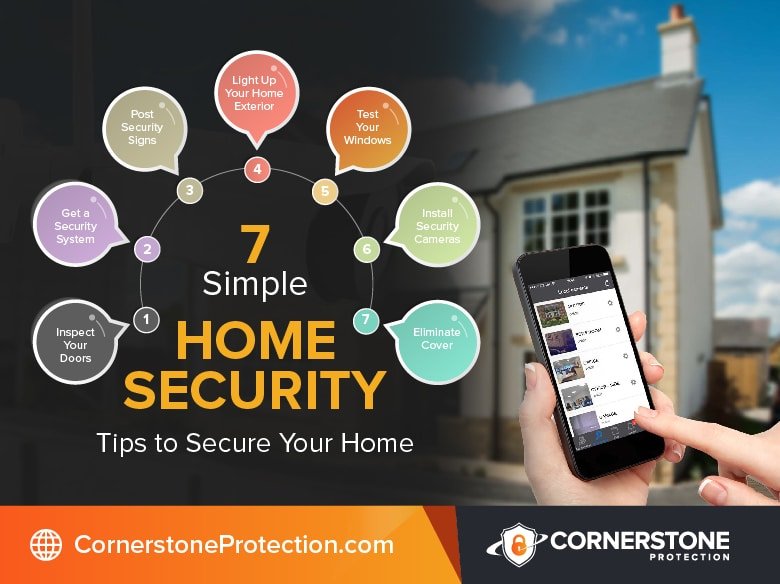
Choosing the right home security system is vital in creating a robust defense against potential threats. Understanding the basics and evaluating different aspects of security systems will help you make an informed decision.
Understanding the Basics
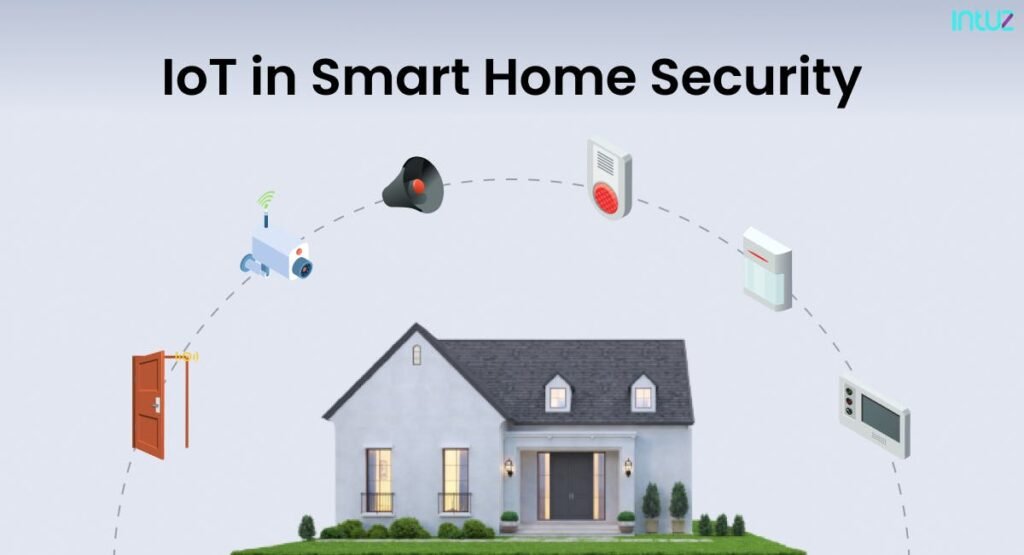
Begin by familiarizing yourself with the basic components of a home security system. These typically include surveillance cameras, alarm systems, motion detectors, door and window sensors, and a control panel. Understanding these components will assist you in selecting a system that meets your needs.
Wireless vs Wired Systems
Consider whether you prefer a wireless or wired security system. Wireless systems offer easy installation and scalability but may be more susceptible to hacking. On the other hand, wired systems provide a more reliable connection but require professional installation.
Integrated vs Stand-Alone Systems
Decide if you want a stand-alone security system or an integrated system that can connect with other smart devices in your home. Integrated systems offer convenience and increased functionality, such as remote access and automation capabilities.
DIY vs Professional Installation
Evaluate whether you prefer a do-it-yourself (DIY) installation or professional assistance. DIY systems are generally more affordable and offer flexibility, while professional installation ensures proper setup and minimizes the risk of errors.
Evaluating Costs and Features
Consider the costs and features of different security systems within your budget. Compare pricing, monthly monitoring fees, contract terms, and warranty options. Additionally, assess the features offered by each system, such as smartphone integration, video monitoring, and smart home compatibility, to determine the best fit for your home.
Outdoor Security Measures
Securing the exterior areas of your home is essential in deterring potential intruders and enhancing overall home security. Implementing outdoor security measures will fortify your home’s defenses and minimize the risk of unauthorized entry.
Installing Outdoor Lighting
Proper outdoor lighting is crucial in deterring burglars and vandals. Install motion sensor lights near entry points, pathways, and dark corners of your property. Well-lit areas create a sense of visibility and make it harder for criminals to approach your home undetected.
Securing Gates and Fences
Ensure your gates and fences are sturdy and difficult to breach. Consider installing locks on gates and reinforcing fences with materials that are resistant to tampering. This adds an extra layer of security and prevents unauthorized access to your property.
Landscaping for Security
Strategic landscaping can enhance your home’s security. Trim trees and shrubs near windows and entry points to eliminate hiding spots for potential intruders. Additionally, consider thorny plants as a natural deterrent and avoid planting large shrubs that could obstruct visibility.
Using Motion Sensor Technology
Install motion sensor technology to detect any movement around your property. These sensors can trigger lights or activate surveillance cameras, alerting you to potential intruders. Motion sensor technology adds an extra level of security to your outdoor areas, especially during nighttime.
Implementing Perimeter Security
Create a clear boundary between your property and the outside world. Secure your property with fences, hedges, or walls that are difficult to breach. Additionally, consider installing surveillance cameras or sensors to monitor the perimeter of your home, ensuring early detection of any suspicious activity.
Securing Doors and Windows
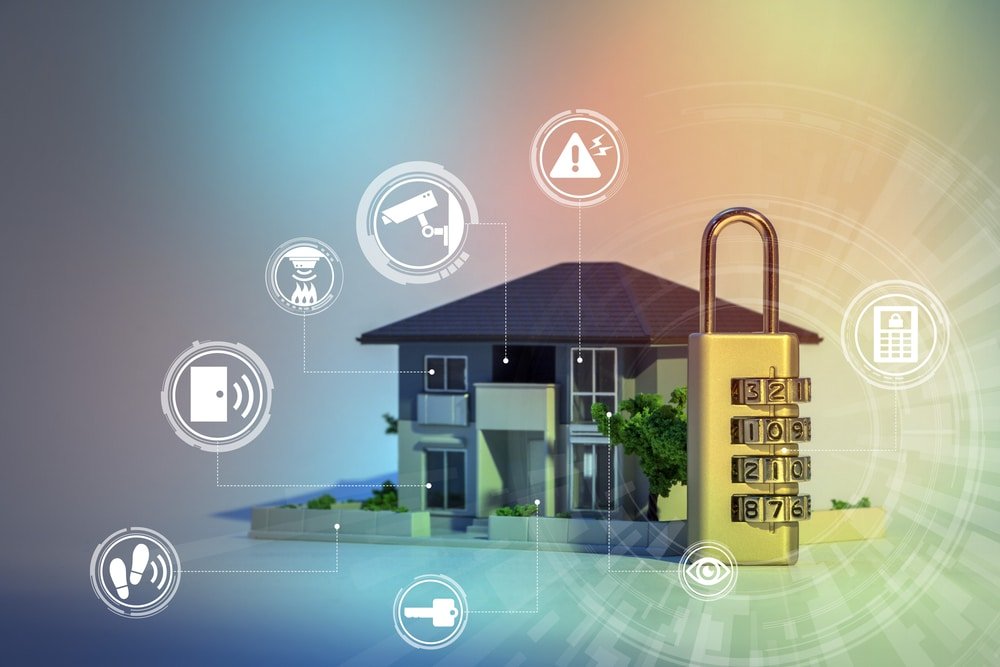
Doors and windows serve as the primary entry points for intruders, making it crucial to prioritize their security. Taking proactive steps to secure these access points can significantly reinforce your home’s defenses.
Choosing High-Quality Locks
Invest in high-quality locks for all your doors. Look for locks that are resistant to picking, drilling, and bumping. Deadbolt locks, in particular, provide added security and should be installed on all external doors.
Installing Deadbolts
Secure your doors with deadbolt locks to prevent forced entry. Deadbolts offer increased resistance to tampering and can be an effective deterrent against burglars. Ensure deadbolts are correctly installed and have a minimum one-inch throw length for optimal security.
Reinforcing Door Frames
Strengthen your door frames to prevent kick-ins and forced entry. Reinforce the strike plate and hinges with longer screws or metal plates. This reinforces the structural integrity of your doors, making them harder to break down.
Securing Sliding Doors
Sliding glass doors can be vulnerable to break-ins if not properly secured. Install a bar or rod in the track to prevent the door from being forced open. Additionally, consider adding a secondary lock or a security film to reinforce the glass.
Window Security Films
Apply window security films to strengthen your windows and make them more resilient to shattering. These films minimize the risk of break-ins and protect against flying debris during storms. Window security films provide an added layer of protection without compromising visibility.
Home Security Cameras
Home security cameras play a crucial role in monitoring and deterring potential threats. Understanding their benefits, choosing the right camera type, and placing them strategically will optimize their effectiveness.
Benefits of Security Cameras
Security cameras provide several benefits for homeowners. They act as a visual deterrent for potential intruders and allow you to monitor your property remotely. In the event of an incident, surveillance footage can provide valuable evidence for law enforcement and insurance claims.
Choosing the Right Camera Type
Select security cameras that suit your specific needs. There are various types available, including indoor cameras, outdoor cameras, dome cameras, and bullet cameras. Consider factors such as weather resistance, night vision capabilities, and resolution to determine the best camera type for each area of your home.
Placing Cameras Strategically
Strategic camera placement is vital for effective surveillance. Install cameras at entry points, including front and back doors, as well as ground-level windows. Additionally, consider placing cameras in areas with high foot traffic or valuable possessions. Ensure cameras are visible to act as a deterrent, but also place some discreetly to capture potential criminals unaware.
Utilizing Surveillance Apps
Utilize surveillance apps to monitor your security cameras remotely. Many security systems offer mobile apps that allow you to view live footage, receive real-time notifications, and control your security system from anywhere. Surveillance apps offer convenience and peace of mind, ensuring that you are always connected to your home security.
Considering Privacy Laws
Before installing surveillance cameras, familiarize yourself with the privacy laws in your jurisdiction. Respect your neighbors’ privacy by positioning cameras within your property boundaries and avoid recording areas where individuals have a reasonable expectation of privacy, such as bathrooms and bedrooms.
Alarm Systems
Alarm systems are a crucial component of home security, providing both audible alerts and potentially notifying authorities in case of a security breach. Exploring different types of alarm systems, understanding their features, and considering monitoring options will help you select the right system for your home.
Types of Alarm Systems
There are various types of alarm systems available, including burglar alarms, fire alarms, and carbon monoxide detectors. Burglar alarms detect unauthorized entry, while fire alarms and carbon monoxide detectors provide early warnings for potential life-threatening situations. Determine which alarm systems are necessary to safeguard your property and loved ones.
Features and Functions
Consider the features and functions offered by different alarm systems. These may include motion sensors, glass break sensors, door and window sensors, and panic buttons. Determine which features align with your specific security needs and provide the level of protection you require.
Monitoring Options
Alarm systems can be either self-monitored or professionally monitored. Self-monitoring involves monitoring the system’s alerts and taking appropriate action yourself. Professionally monitored systems, on the other hand, involve a monitoring service that contacts authorities in case of an alarm activation. Evaluate which monitoring option fits your lifestyle and preferences.
Integration with Other Home Security Devices
Consider alarm systems that can integrate with other home security devices, such as surveillance cameras, door locks, and smart lighting. Integration allows for seamless operation and enhanced security automation, ensuring your entire home security system works together effectively.
False Alarm Prevention
To prevent false alarms, choose alarm systems with features that minimize the risk of false triggers. Some systems offer adjustable sensitivity levels or require multiple sensors to be activated simultaneously. Additionally, ensure all household members are familiar with the alarm system to avoid accidental activations.
Smart Home Security
With the rapid advancement of technology, smart home security systems have become increasingly popular. Integrating smart devices and automation capabilities into your home security provides convenience and enhances overall protection.
Benefits of Smart Home Security
Smart home security offers numerous benefits. Remote access allows you to control your security system and monitor your home from anywhere using your smartphone. Automation features enable your security system to work in tandem with other smart devices, providing convenient and efficient home security.
Smart Locks
Smart locks eliminate the need for keys and provide enhanced security for your doors. These locks can be controlled remotely and offer options like temporary access codes for guests. Some locks integrate with virtual voice assistants, allowing for hands-free control.
Video Doorbells
Video doorbells combine the functions of a doorbell and a security camera, providing a comprehensive solution for monitoring your front door. With real-time video feeds, two-way audio, and motion detection, video doorbells enable you to see and communicate with visitors, even when you are away.
Home Automation
Integrate home automation features into your security system to enhance your home’s security and functionality. Through automation, you can schedule lights to turn on and off, simulate occupancy when you’re away, and have your security system activate or disarm automatically based on your presence.
Remote Monitoring and Control
Smart home security systems allow for remote monitoring and control through mobile apps. From anywhere, you can monitor your security cameras, receive real-time alerts, and control various aspects of your security system. Remote access provides peace of mind and allows for immediate action in case of security incidents.
Privacy Considerations
When implementing smart home security, consider privacy implications. Ensure that all devices and apps are properly secured with strong passwords and encryption. Regularly update firmware and software to ensure you have the latest security patches, and be cautious of sharing personal information and video footage.
Implementing Home Security Measures
Implementing home security measures involves creating a comprehensive plan, installing security devices, educating family members, and ensuring the ongoing maintenance and updates of your security systems.
Creating a Home Security Plan
Start by creating a home security plan that outlines the specific security measures you will implement. This plan should address vulnerable areas, the types of security devices to be installed, and the responsibilities of each family member in maintaining security.
Installing Security Devices
Follow through with the installation of the security devices outlined in your plan. This may involve installing surveillance cameras, alarm systems, motion sensors, and reinforcing doors and windows. Ensure proper installation and test all devices to confirm their functionality.
Educating Family Members
Educate all family members on the importance of home security and the proper use of security devices. Train them on the operation of alarm systems, proper security measures, and emergency procedures. Ensure that all family members understand their roles and responsibilities in maintaining security.
Maintaining and Updating Security Systems
Regularly inspect and maintain your security systems to ensure their effectiveness. Test alarms, replace batteries in surveillance cameras and motion sensors, and update software and firmware on smart devices. Stay vigilant for any signs of wear and tear or malfunctions that may compromise your home’s security.
Engaging with Your Community
Engaging with your community can contribute to overall home security. Join neighborhood watch programs, attend community meetings, and stay connected with neighbors to exchange information and address security concerns collectively. Building a strong community can create a sense of safety and deter potential threats.
By enhancing your home security and taking proactive measures to protect your loved ones, you can create a safe and secure environment. Prioritizing home protection through the implementation of various security measures will provide you with peace of mind, safeguard your family and belongings, and deter potential criminals. Remember to assess your specific security needs, choose an effective home security system, and implement comprehensive security measures to ensure the safety of your home.