In an age where technology is rapidly evolving, the importance of home security devices cannot be overstated. You may find yourself increasingly concerned about the safety of your home and loved ones, prompting you to explore various security solutions. Home security devices have become essential tools in safeguarding your property, offering peace of mind and a sense of control over your environment.
These devices not only deter potential intruders but also provide real-time monitoring and alerts, ensuring that you are always aware of what is happening in and around your home. As you delve into the world of home security, you will discover a wide array of devices designed to meet different needs. From traditional locks and alarms to advanced smart technology, the options are vast.
One particularly intriguing aspect of modern home security is the integration of temperature detection capabilities. Understanding how temperature changes can impact your home’s safety is crucial, as it can help you make informed decisions about which devices to invest in and how to optimize their use for maximum protection.
Key Takeaways
- Home security devices are essential for protecting your home and loved ones from potential threats.
- Understanding temperature changes is important for detecting fires, HVAC malfunctions, and other potential dangers in the home.
- There are various types of home security devices, including smoke detectors, carbon monoxide detectors, and smart thermostats.
- Home security devices detect temperature changes through sensors that can identify sudden spikes or drops in temperature.
- Temperature detection in home security provides benefits such as early fire detection, energy efficiency monitoring, and protection against frozen pipes.
Understanding Temperature Changes
Temperature changes within your home can signal a variety of situations, some benign and others potentially dangerous. You might notice fluctuations in temperature due to seasonal changes, but there are also more immediate concerns, such as a malfunctioning appliance or an open window. Recognizing these changes is vital for maintaining a safe living environment.
For instance, a sudden drop in temperature could indicate that a door or window has been left ajar, allowing cold air to seep in. Conversely, an unexpected rise in temperature might suggest that an appliance is overheating or that a fire hazard is present. Being aware of temperature changes can also help you understand the overall health of your home.
For example, consistent temperature variations could indicate issues with insulation or ventilation, which may lead to mold growth or structural damage over time. By monitoring these changes, you can take proactive measures to address potential problems before they escalate. This awareness not only enhances your comfort but also contributes to the longevity of your home and its systems.
Types of Home Security Devices
When it comes to home security devices, the market offers a plethora of options tailored to various needs and preferences. You may choose from traditional systems like burglar alarms and surveillance cameras or opt for more advanced smart home technologies that integrate seamlessly with your lifestyle. Motion detectors are another popular choice, alerting you to any unusual activity around your property.
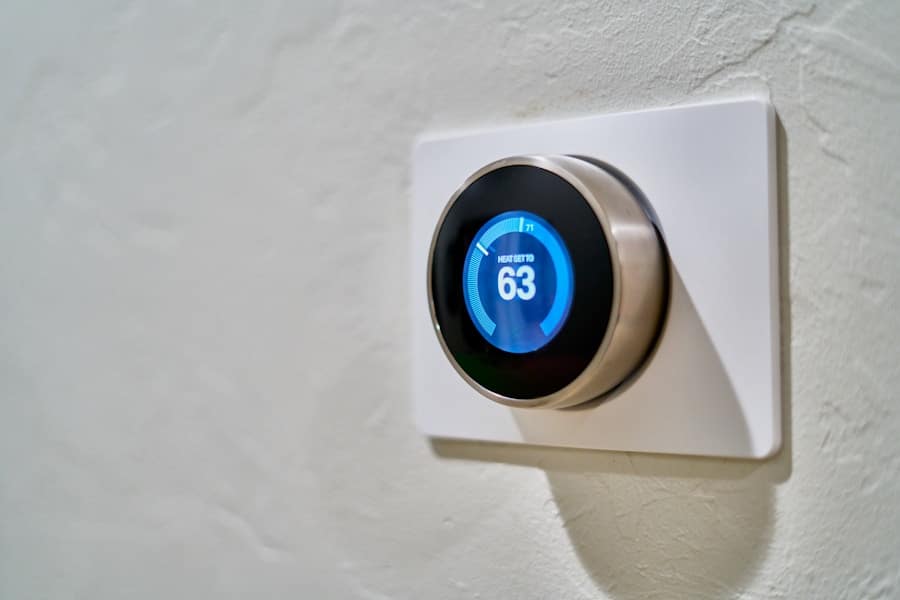
These devices can be particularly effective when combined with other security measures, creating a comprehensive defense system. Smart thermostats and temperature sensors are increasingly becoming integral components of home security systems. These devices not only help regulate your home’s climate but also monitor temperature fluctuations that could indicate potential hazards.
For instance, if a pipe were to burst during freezing temperatures, a smart thermostat could alert you before significant damage occurs. By understanding the various types of home security devices available, you can make informed decisions about which ones best suit your needs and enhance your overall safety.
How Home Security Devices Detect Temperature Changes
Home security devices utilize various technologies to detect temperature changes effectively. Many modern systems incorporate sensors that monitor ambient temperature levels within your home. These sensors can be programmed to trigger alerts when temperatures fall outside a predetermined range, allowing you to respond quickly to potential issues.
For example, if the temperature in your basement drops significantly due to a malfunctioning heating system, the sensor will notify you, enabling you to take action before pipes freeze or other damage occurs. In addition to standalone temperature sensors, many smart home security systems integrate temperature detection into their overall functionality. For instance, smart thermostats can communicate with other devices in your home, creating a network that monitors not only temperature but also humidity levels and air quality.
This interconnectedness allows for more comprehensive monitoring and can enhance your ability to respond to potential threats. By understanding how these devices work together, you can better appreciate their role in maintaining a secure and comfortable living environment.
Benefits of Temperature Detection in Home Security
The benefits of incorporating temperature detection into your home security system are numerous and significant. One of the most compelling advantages is the early warning it provides for potential hazards. By receiving alerts about unusual temperature fluctuations, you can address issues before they escalate into costly repairs or dangerous situations.
For instance, if a fire were to start due to an overheating appliance, an early warning could give you precious moments to react and evacuate if necessary. Moreover, temperature detection can enhance energy efficiency within your home. By monitoring temperature levels and adjusting heating or cooling systems accordingly, you can reduce energy consumption and lower utility bills.
This not only benefits your wallet but also contributes to a more sustainable lifestyle. Additionally, many modern temperature sensors can be integrated with smart home systems, allowing for remote monitoring and control through your smartphone or other devices. This level of convenience ensures that you remain connected to your home’s security even when you are away.
Limitations of Temperature Detection in Home Security
While temperature detection offers numerous benefits, it is essential to recognize its limitations as well. One significant drawback is that temperature sensors may not always provide accurate readings due to environmental factors or device malfunctions. For example, if a sensor is placed near a heat source or drafty window, it may give false readings that could lead to unnecessary alerts or missed warnings about genuine issues.
Therefore, proper placement and calibration of these devices are crucial for their effectiveness. Another limitation is that temperature detection alone cannot provide comprehensive security coverage. While it can alert you to potential hazards like fires or freezing pipes, it does not address other critical aspects of home security, such as unauthorized entry or theft.
To create a robust security system, it is essential to combine temperature detection with other devices like cameras, motion detectors, and alarms. By understanding these limitations, you can develop a more balanced approach to securing your home.
Tips for Maximizing Temperature Detection in Home Security
To get the most out of your temperature detection capabilities within your home security system, consider implementing several best practices. First and foremost, ensure that all sensors are installed in optimal locations where they can accurately monitor temperature changes without interference from external factors. Avoid placing sensors near heat sources like radiators or direct sunlight, as these can skew readings and lead to false alarms.
Regular maintenance is another critical aspect of maximizing the effectiveness of your temperature detection devices. Periodically check the batteries and functionality of each sensor to ensure they are operating correctly. Many smart systems offer diagnostic tools that allow you to monitor device performance remotely; take advantage of these features to stay informed about any potential issues.
Additionally, consider integrating your temperature detection system with other smart home technologies for enhanced functionality and convenience.
Conclusion and Recommendations
In conclusion, the integration of temperature detection into home security systems represents a significant advancement in safeguarding your living environment. By understanding how these devices work and their benefits and limitations, you can make informed decisions about enhancing your home’s safety. As you explore various options available on the market today, consider investing in a comprehensive system that combines temperature detection with other essential security features.
Ultimately, the goal is to create a secure and comfortable living space for you and your loved ones. By staying informed about the latest technologies and best practices in home security, you can take proactive steps toward protecting what matters most. Whether you’re looking for basic monitoring solutions or advanced smart home integrations, there are countless options available to suit your needs and preferences.
Embrace the power of technology in securing your home and enjoy the peace of mind that comes with knowing you’re taking steps toward a safer future.
Can Home Security Devices Detect Changes in Temperature? Yes, they can! In fact, a recent article from oursecurehome.net discusses how home security systems in Baltimore, Maryland are equipped with temperature sensors that can detect sudden changes in temperature within the home. This technology not only helps alert homeowners to potential fires or HVAC malfunctions but also provides an added layer of security by detecting unusual fluctuations in temperature that could indicate a break-in. With advancements in home security technology, it’s clear that these devices are becoming more sophisticated in their ability to keep our homes safe and secure.
FAQs
What are home security devices?
Home security devices are electronic systems designed to detect and prevent unauthorized entry into homes or buildings. These devices can include sensors, cameras, alarms, and monitoring systems.
Can home security devices detect changes in temperature?
Yes, some home security devices are equipped with temperature sensors that can detect changes in temperature within a home or building. These sensors can be used to monitor for fires, HVAC malfunctions, or other temperature-related issues.
How do home security devices detect changes in temperature?
Home security devices use temperature sensors that are designed to measure the ambient temperature in a given area. When the temperature deviates from a pre-set range, the sensor triggers an alert or notification to the homeowner or monitoring service.
What are the benefits of temperature detection in home security devices?
Temperature detection in home security devices can provide early warning of potential fire hazards, HVAC malfunctions, or other temperature-related issues. This can help homeowners take proactive measures to prevent damage or danger to their property and occupants.
Are there different types of temperature sensors used in home security devices?
Yes, there are different types of temperature sensors used in home security devices, including thermistors, thermocouples, and infrared sensors. Each type of sensor has its own advantages and applications for detecting changes in temperature.