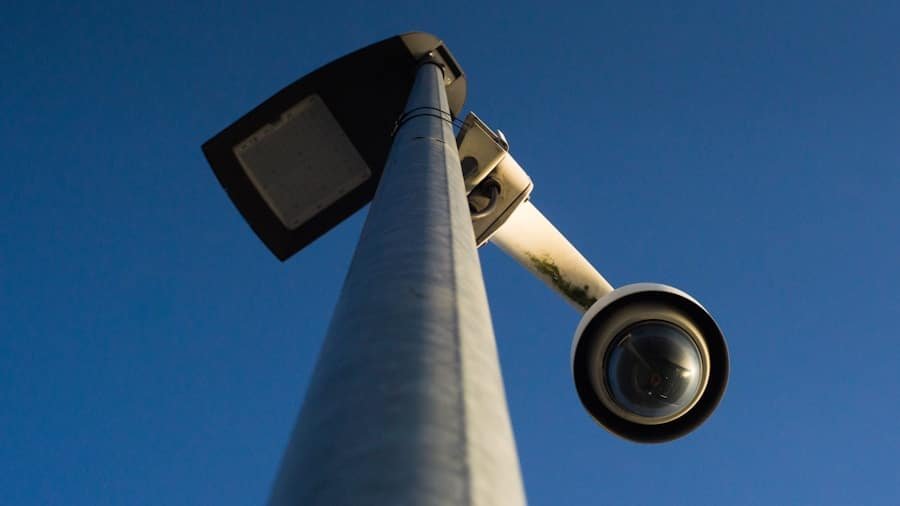
In today’s world, security cameras have become an essential component of both residential and commercial safety measures. You may find yourself considering the installation of a security camera system to protect your property, deter potential intruders, or simply keep an eye on your loved ones. With advancements in technology, these devices have evolved significantly, offering a range of features that cater to various needs.
From high-definition video quality to remote access via smartphones, security cameras provide peace of mind and a sense of security in an increasingly unpredictable environment. As you delve into the world of security cameras, you’ll discover that they come in various types and configurations. Whether you opt for indoor or outdoor models, wired or wireless systems, the primary goal remains the same: to monitor and record activities in your vicinity.
Understanding the different recording modes available is crucial in maximizing the effectiveness of your security system. This article will explore two primary recording modes—continuous recording and motion-activated recording—along with their respective advantages and disadvantages, helping you make an informed decision for your security needs.
When it comes to security camera recording modes, continuous recording and motion-activated recording are the two most common options. Continuous recording means that your camera will capture video footage 24/7, providing a constant stream of data. This mode is particularly useful if you want to ensure that every moment is documented, leaving no gaps in surveillance.
You might appreciate the peace of mind that comes with knowing that every second is being recorded, especially in high-risk areas where incidents could occur at any time. On the other hand, motion-activated recording only captures footage when it detects movement within its field of view. This mode can be advantageous for saving storage space and reducing the amount of footage you need to sift through later.
If you’re looking to monitor specific areas without the need for constant surveillance, motion-activated recording could be the ideal choice for you. It allows you to focus on significant events while conserving resources, making it a popular option for many homeowners and business owners alike.
Key Takeaways
- Security cameras are an essential tool for monitoring and protecting properties.
- Continuous recording captures all activity, while motion-activated recording only captures movement.
- Continuous recording provides comprehensive coverage but requires more storage space and may capture unnecessary footage.
- Motion-activated recording saves storage space and focuses on relevant activity, but may miss important events.
- When choosing a recording mode, consider the level of activity in the area, storage capacity, and the importance of capturing all events.
Advantages and Disadvantages of Continuous Recording
Continuous recording offers several advantages that can be appealing to those seeking comprehensive surveillance. One of the most significant benefits is the ability to review footage from any time frame without worrying about missing critical events. If an incident occurs, you can easily go back and analyze the entire situation, providing valuable evidence if needed.
This can be particularly important in legal matters or insurance claims where detailed documentation is required. However, continuous recording also has its drawbacks. One major concern is the amount of storage space required for such a system.
Since footage is being recorded non-stop, you may find yourself needing extensive storage solutions to accommodate the data generated. Additionally, sifting through hours of footage can be time-consuming and tedious when trying to locate specific incidents. You might also experience increased costs associated with higher-capacity storage devices or cloud services to manage all that data effectively.
Advantages and Disadvantages of Motion-Activated Recording

Motion-activated recording presents a different set of advantages that can be quite beneficial for many users. One of the most notable benefits is the efficient use of storage space. Since the camera only records when it detects movement, you can save significant amounts of data without compromising on essential footage.
This can lead to lower costs for storage solutions and make it easier for you to manage your recordings. However, motion-activated recording is not without its challenges. One potential downside is the risk of missing important events if they occur during periods of inactivity.
For instance, if a person enters your property quietly or if an object moves without triggering the sensor, you may not capture that critical moment on video. Additionally, false alarms triggered by pets, passing cars, or even changes in lighting can lead to unnecessary alerts and wasted time reviewing irrelevant footage. You may find yourself needing to adjust sensitivity settings frequently to strike a balance between capturing significant events and avoiding false triggers.
Factors to Consider When Choosing a Recording Mode
When deciding between continuous recording and motion-activated recording, several factors should influence your choice. First and foremost, consider the specific needs of your property and what you aim to achieve with your security system. If you live in a high-crime area or have valuable assets that require constant monitoring, continuous recording may be more suitable for your situation.
On the other hand, if you’re primarily concerned about occasional intrusions or want to monitor specific areas without constant surveillance, motion-activated recording could be more appropriate. Another factor to consider is storage capacity and budget constraints. Continuous recording demands more storage space and may require investment in higher-capacity hard drives or cloud services.
If budget limitations are a concern, motion-activated recording can help alleviate some of those costs by reducing the amount of data generated. Additionally, think about how often you’ll need to review footage; if you anticipate needing access to historical data frequently, continuous recording might be worth the investment despite its drawbacks.
Best Practices for Security Camera Recording
To maximize the effectiveness of your security camera system, adhering to best practices for recording is essential. First, ensure that your cameras are strategically placed to cover all critical areas without any blind spots. This may involve conducting a thorough assessment of your property to identify vulnerable points that require monitoring.
Proper placement will enhance the overall effectiveness of either recording mode you choose. Regularly maintaining your cameras is another crucial aspect of best practices. This includes cleaning lenses to ensure clear visibility and checking for any obstructions that may hinder performance.
Additionally, consider setting up alerts or notifications for motion-activated systems so that you can respond promptly to any detected activity. For continuous recording systems, periodically reviewing footage can help you identify any potential issues with camera functionality or coverage gaps.
Common Misconceptions About Security Camera Recording

As you explore security camera options, it’s essential to address some common misconceptions surrounding their use and functionality. One prevalent myth is that security cameras alone can deter crime effectively. While having visible cameras can act as a deterrent, they are most effective when combined with other security measures such as alarms and proper lighting.
Relying solely on cameras may lead you to overlook other critical aspects of home or business security. Another misconception is that all security cameras provide high-quality footage regardless of their specifications or settings. In reality, factors such as resolution, frame rate, and lighting conditions significantly impact video quality.
You might find yourself disappointed if you invest in a low-quality camera expecting clear images during nighttime or low-light conditions. Therefore, it’s crucial to research and select cameras that meet your specific requirements for clarity and performance.
Conclusion and Recommendations
In conclusion, choosing between continuous recording and motion-activated recording requires careful consideration of your unique needs and circumstances. Both modes offer distinct advantages and disadvantages that can significantly impact your overall security strategy. By understanding these differences and evaluating factors such as storage capacity, budget constraints, and specific monitoring requirements, you can make an informed decision that best suits your situation.
Ultimately, investing in a reliable security camera system is a proactive step toward safeguarding your property and loved ones. Regardless of which recording mode you choose, implementing best practices for camera placement and maintenance will enhance your system’s effectiveness. As technology continues to evolve, staying informed about advancements in security camera features will further empower you to make choices that align with your safety goals.
If you are considering installing a home security system in Fresno, California, you may be wondering whether security cameras record continuously or only when triggered. According to a helpful article on oursecurehome.net, most security cameras can be set to record continuously or only when motion is detected. This flexibility allows homeowners to customize their security system to best meet their needs and preferences.
FAQs
What are security cameras?
Security cameras are devices that are used to monitor and record activities in a specific area. They are commonly used for surveillance and security purposes in both residential and commercial settings.
Do security cameras record continuously?
Some security cameras are designed to record continuously, capturing footage 24/7. These cameras are often used in high-security areas where constant monitoring is necessary.
Do security cameras only record when triggered?
Some security cameras are equipped with motion sensors or other triggers that activate recording when they detect movement or other specified events. This helps to conserve storage space and makes it easier to review relevant footage.
What are the benefits of continuous recording?
Continuous recording ensures that all activities in the monitored area are captured, providing a comprehensive record of events. This can be useful for investigations and evidence gathering.
What are the benefits of recording only when triggered?
Recording only when triggered can save storage space and make it easier to review relevant footage. It also reduces the amount of irrelevant footage that needs to be sifted through.
Can security cameras be set to record both continuously and when triggered?
Yes, some security cameras offer the option to record continuously while also activating recording when triggered by motion or other events. This provides the benefits of both recording modes.