In an age where technology is rapidly evolving, home security device systems have become an essential part of modern living. You may find yourself increasingly reliant on these systems to protect your home and loved ones. With the rise of smart home technology, security devices have transitioned from traditional locks and alarms to sophisticated systems that integrate seamlessly with your daily life.
These devices not only provide peace of mind but also offer convenience and control at your fingertips. As you explore the world of home security, you will discover a variety of options available to suit your needs. From smart cameras that allow you to monitor your property remotely to motion sensors that alert you of any unusual activity, the choices are vast.
The integration of voice control into these systems has further revolutionized how you interact with your home security. Imagine being able to lock your doors or check your security cameras simply by speaking a command. This level of accessibility and ease is transforming the way you think about home safety.
Key Takeaways
- Voice commands offer a convenient and hands-free way to control home security devices.
- Compatible devices for voice control include smart speakers, smartphones, and other connected devices.
- Setting up voice commands for home security devices involves linking the devices to a voice assistant and creating custom commands.
- Security and privacy concerns with voice control include the risk of unauthorized access and potential data breaches.
- Benefits of controlling home security devices with voice commands include increased accessibility, convenience, and potential integration with other smart home devices.
How Voice Commands Work with Home Security Devices
Advanced Speech Recognition Technology
This technology relies on advanced speech recognition algorithms that convert our voice into commands that the system can understand. As we speak, the device processes our request and activates the appropriate security feature, whether it’s turning on the lights or locking the doors.
Convenience and Hands-Free Control
The beauty of voice commands lies in their simplicity and efficiency. We no longer need to fumble with our smartphone or remote control; instead, we can issue commands hands-free. This is particularly useful in situations where our hands are full or when we are in a hurry.
Enhanced Experience and Proactive Security
For instance, if we arrive home late at night and want to ensure our house is secure, we can simply say, “Lock the front door,” and the system will respond accordingly. This seamless interaction not only enhances our experience but also encourages a more proactive approach to home security.
Compatible Devices for Voice Control
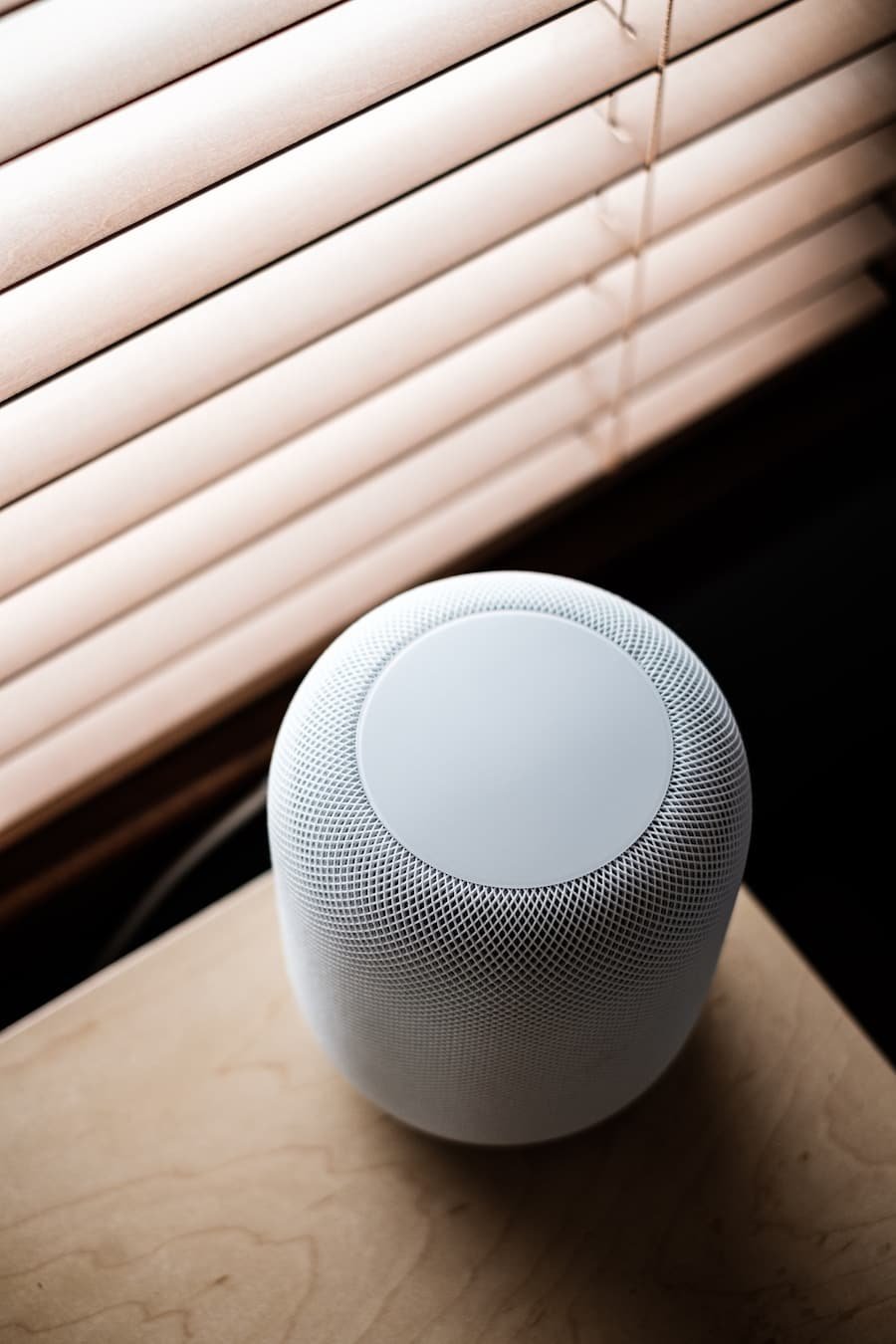
As you delve deeper into voice-controlled home security systems, you’ll find a plethora of compatible devices designed to work harmoniously with voice assistants. Smart locks are among the most popular options, allowing you to lock and unlock your doors using simple voice commands. Brands like August and Schlage offer smart locks that integrate effortlessly with Alexa and Google Assistant, providing you with an added layer of convenience.
In addition to smart locks, security cameras have also embraced voice control technology. Many modern cameras come equipped with features that allow you to view live feeds or capture footage using voice commands. For example, you can instruct your camera to “show me the front porch,” enabling you to keep an eye on your property without lifting a finger.
Other compatible devices include smart lights, motion sensors, and alarm systems, all of which can be controlled through voice commands, creating a comprehensive security ecosystem tailored to your needs.
Setting Up Voice Commands for Home Security Devices
Setting up voice commands for your home security devices is a straightforward process that can significantly enhance your overall experience. To begin, you’ll need to ensure that all your devices are compatible with your chosen voice assistant. Once you’ve confirmed compatibility, the next step is to download the necessary apps for each device and link them to your voice assistant’s platform.
This usually involves creating an account and following on-screen prompts to connect each device. After linking your devices, you can start customizing voice commands to suit your preferences. Most platforms allow you to create personalized phrases for specific actions, making it easier for you to remember what to say.
For instance, instead of saying “turn on the living room lights,” you might prefer “light up my living room.” This level of customization not only makes the system more user-friendly but also adds a personal touch to your home security setup.
Security and Privacy Concerns with Voice Control
While the convenience of voice-controlled home security devices is undeniable, it’s essential to address the potential security and privacy concerns that come with this technology. One major concern is the possibility of unauthorized access. If someone gains access to your voice assistant or its associated accounts, they could potentially control your security devices without your consent.
To mitigate this risk, it’s crucial to enable two-factor authentication on your accounts and regularly update passwords. Another concern revolves around data privacy. Voice assistants often require constant internet connectivity and may store recordings of your commands for improved functionality.
This raises questions about how this data is used and who has access to it. To protect your privacy, consider reviewing the privacy settings on your devices and opting out of data collection features if possible. Being proactive about these concerns will help ensure that while you enjoy the benefits of voice control, you also maintain a secure environment.
Benefits of Controlling Home Security Devices with Voice Commands
Convenience and Streamlined Control
You can manage multiple devices simultaneously without needing to navigate through various apps or interfaces. This streamlined approach allows you to focus on other tasks while still maintaining control over your home’s security.
Enhanced Accessibility
Voice commands enhance accessibility for individuals with mobility challenges or disabilities. For those who may find it difficult to physically interact with traditional security systems, voice control provides an empowering alternative.
Inclusivity in Home Security
You can easily issue commands from anywhere in your home, ensuring that everyone has equal access to safety features regardless of their physical capabilities. This inclusivity is a vital aspect of modern home security solutions.
Troubleshooting Voice Control Issues
Despite the many benefits of voice-controlled home security devices, you may encounter occasional issues that require troubleshooting. One common problem is miscommunication between the voice assistant and the device itself. If a command isn’t recognized or executed correctly, it could be due to poor internet connectivity or interference from background noise.
To resolve this, ensure that your Wi-Fi connection is stable and try speaking clearly without distractions. Another issue could arise from outdated software or firmware on either the voice assistant or the connected devices. Regularly checking for updates can help prevent compatibility problems and improve overall performance.
If you continue to experience difficulties, consulting the user manuals or online support forums for specific troubleshooting tips can be invaluable in resolving any lingering issues.
Future Developments in Voice-Controlled Home Security Devices
As technology continues to advance at a rapid pace, the future of voice-controlled home security devices looks promising. Innovations in artificial intelligence and machine learning are expected to enhance the capabilities of these systems significantly. For instance, future developments may include more sophisticated natural language processing that allows for more nuanced conversations between users and their devices.
Moreover, as smart home ecosystems become increasingly interconnected, we can anticipate greater integration between various devices beyond just security features. Imagine a scenario where your home security system communicates with other smart appliances to create a comprehensive safety net—automatically locking doors when you leave for work or adjusting lighting based on detected movement at night. These advancements will not only improve convenience but also elevate the overall effectiveness of home security systems.
In conclusion, as you navigate the world of home security device systems, embracing voice control can significantly enhance both convenience and safety in your daily life. By understanding how these systems work and addressing potential concerns, you can create a secure environment tailored to your needs while enjoying the benefits of modern technology.
If you are interested in setting up an effective home security system, you may want to check out this article on how to set up an effective home security system. This article provides valuable tips and insights on DIY home security that can help you protect your home and loved ones. Additionally, if you are looking for must-have features for your home security system, you can read this article on 5 must-have features for your home security system. And if you are in Louisville Jefferson County, Kentucky, and need home security system services, you can find more information in this article on home security system service in Louisville Jefferson County, Kentucky.
FAQs
What is a home security device system?
A home security device system is a network of integrated electronic devices designed to secure a home against intruders and other potential dangers.
Can I control a home security device system with voice commands?
Yes, many modern home security device systems are equipped with voice command capabilities, allowing users to control and manage the system using voice commands.
What are the benefits of controlling a home security device system with voice commands?
Controlling a home security device system with voice commands offers convenience and ease of use, allowing users to arm/disarm the system, check the status of sensors, and perform other functions without needing to physically interact with the control panel or mobile app.
What voice command platforms are compatible with home security device systems?
Many home security device systems are compatible with popular voice command platforms such as Amazon Alexa, Google Assistant, and Apple HomeKit, allowing users to integrate their security system with their existing smart home ecosystem.
Are there any limitations to controlling a home security device system with voice commands?
While voice command capabilities offer convenience, there may be limitations in terms of the specific functions that can be controlled via voice commands, as well as potential issues with accuracy and reliability in certain environments.