Are you looking to enhance the security of your home but don’t know where to start? Look no further! In this article, you will discover everything you need to know about setting up an effective home security system all by yourself. From installing reliable locks to strategically placing surveillance cameras, we’ll guide you step by step through the process of fortifying your home and ensuring peace of mind for you and your loved ones. So, let’s get started on creating a safe and secure environment for your home sweet home! It’s something we all think about, whether we’re homeowners or renters – keeping our homes and loved ones safe. With the rise in property crimes and break-ins, it’s important to take steps to protect your home. In this article, we will guide you through the process of choosing and setting up an effective home security system. We will cover everything from evaluating your security needs to securing entry points, enhancing outdoor security, creating an intruder deterrent, installing surveillance cameras, monitoring your home, securing valuables, implementing fire safety measures, integrating smart home technology, and regular maintenance and upgrades.
Choosing an Alarm System
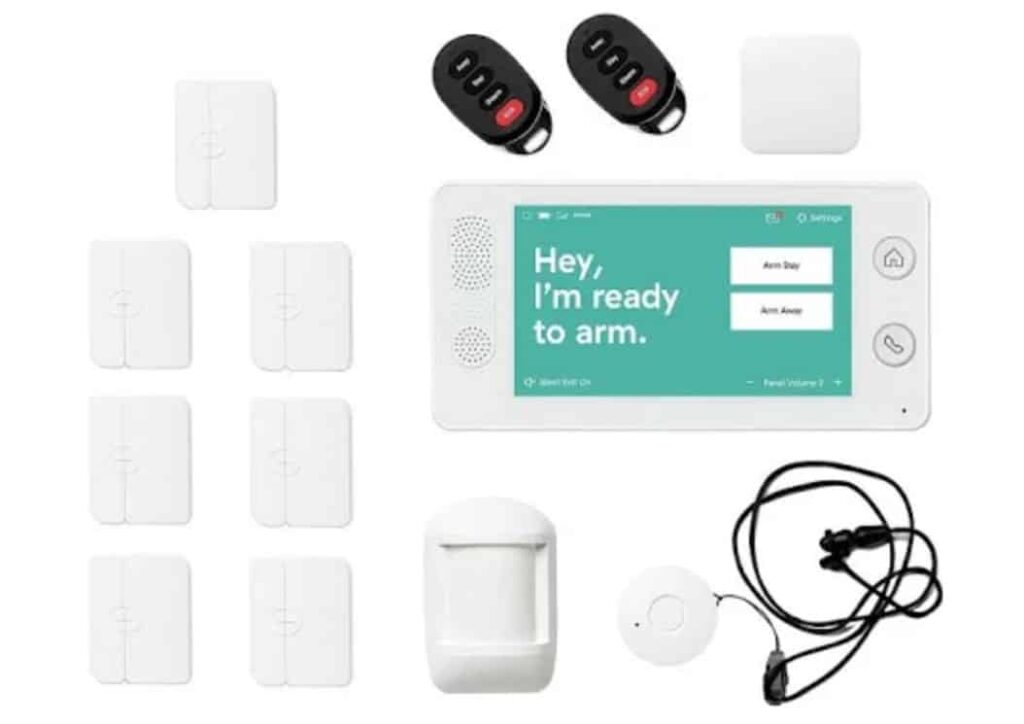
Before diving into the various components of a home security system, it’s important to evaluate your security needs. Consider factors such as the size and layout of your home, your budget, and any specific concerns or vulnerabilities you may have. Are you looking for a basic system to monitor your doors and windows, or do you want something more comprehensive with features such as surveillance cameras and motion sensors? By understanding your needs, you can better choose the right alarm system for you.
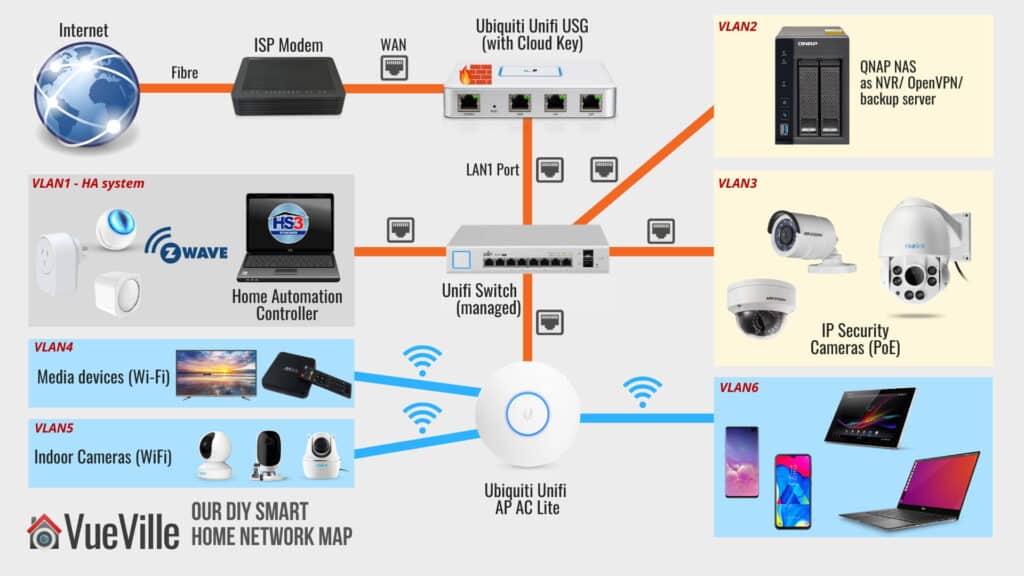
Once you have a clear idea of your security needs, it’s time to research different alarm system options. With advancements in technology, there are a wide range of choices available – from wireless systems to wired systems. Wireless systems offer flexibility and ease of installation, allowing you to place sensors and cameras wherever you need them without worrying about running wires. On the other hand, wired systems may be more reliable and secure, as they are not susceptible to interference or hacking. Consider the pros and cons of each type before making a decision.
Securing Entry Points
Securing the entry points of your home is a crucial step in protecting it from intruders. Start by installing sturdy doors made of solid wood or metal. These types of doors are more difficult to break through than hollow core doors. Additionally, reinforce door frames with security plates or strike plates to prevent forced entry.
Deadbolt locks are another important component of door security. Choose high-quality deadbolts with at least a one-inch throw, as they provide a higher level of protection than standard locksets. Make sure the deadbolts are properly installed and that the strike plates are securely anchored to the door frame for maximum effectiveness.
Windows are a common entry point for burglars, so it’s important to reinforce their security as well. Consider installing window security film, which helps reinforce the glass and makes it more difficult to break. Window locks are also essential in preventing unauthorized access. Install window locks on all windows, including those on upper floors, as intruders can use ladders or climb nearby trees to gain access.
For homes with sliding glass doors, additional security measures are necessary. Install a bar or rod in the track to prevent the door from being forced open. Additionally, reinforce the glass with window security film and install a secondary blocking device, such as a pin lock or a security bar, to provide an extra layer of protection.
Enhancing Outdoor Security
A well-lit exterior is an effective deterrent against burglars. Install outdoor lighting around your home, particularly near entrances and other vulnerable areas. Use motion sensor lights to conserve energy and to startle potential intruders. Bright lighting not only makes your home less appealing as a target, but it also increases visibility, making it difficult for criminals to approach undetected.
Trimming shrubs and trees near entrances and windows can also enhance your outdoor security. Overgrown vegetation provides cover for burglars, giving them a place to hide and work unnoticed. Regularly prune shrubs and trees to eliminate potential hiding spots and maintain clear visibility around your property.
Secure fences and gates are another important aspect of outdoor security. Ensure that your fence is in good condition and that there are no gaps or holes that could be easily exploited by intruders. Install sturdy gates and use locks or other security measures to prevent unauthorized access. Fencing and gates not only deter criminals but also establish clear boundaries around your property.
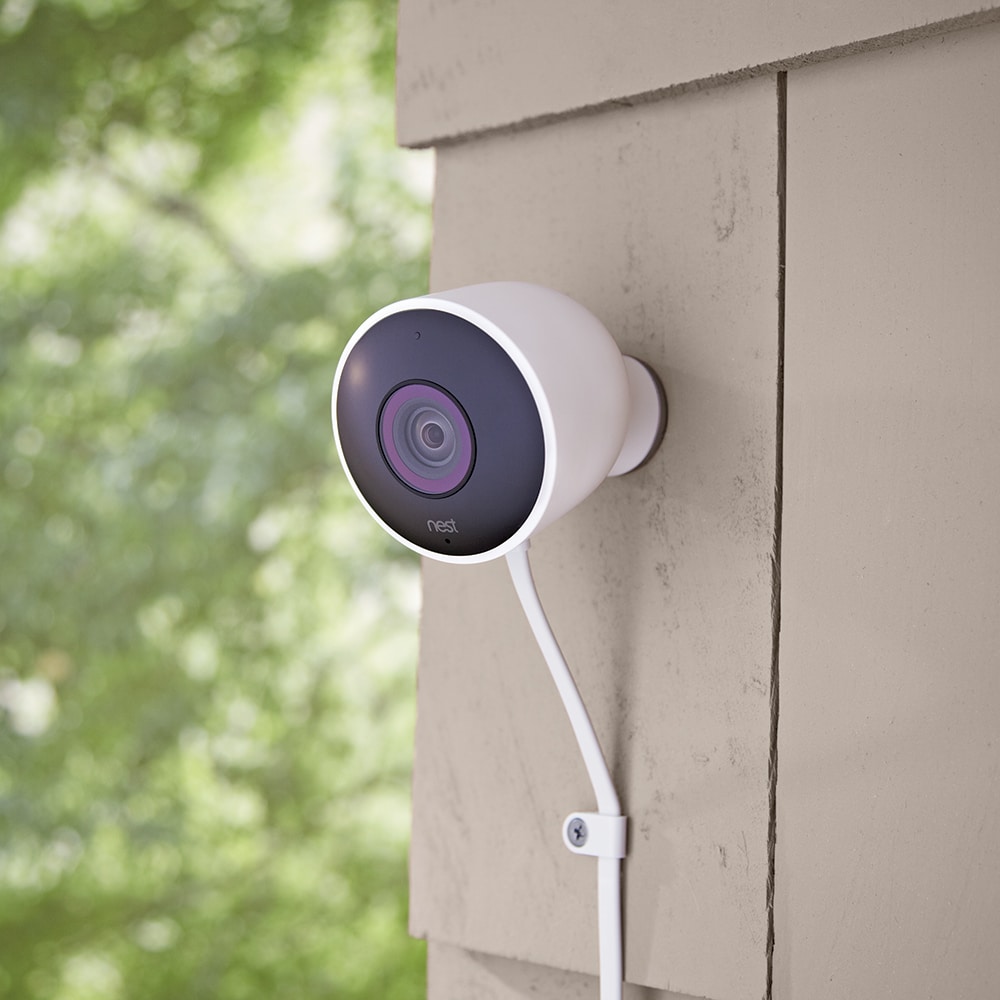
Consider installing security cameras around the exterior of your home. Visible cameras act as a powerful deterrent, as burglars are less likely to target a property that is under surveillance. Place cameras strategically, covering entrances, driveways, and other high-risk areas. Additionally, consider using fake cameras as a cost-effective deterrent. While they do not provide actual surveillance footage, the presence of a camera can still discourage potential intruders.
Lastly, utilize motion sensor lights in your outdoor security setup. These lights activate when motion is detected, illuminating dark areas and deterring criminals. Place them strategically around your property, particularly in blind spots or areas with limited visibility. Motion sensor lights are a cost-effective way to enhance your outdoor security without having to keep lights on all night.
Creating an Intruder Deterrent
Sometimes, the presence of security signs and stickers alone can be enough to deter potential intruders. Display security signs and stickers prominently in visible areas around your property, such as near entrances and windows. These signs and stickers indicate that your home is protected by a security system, making burglars think twice before attempting a break-in.
Another effective deterrent is the installation of a dummy security camera. These cameras look identical to real ones but do not provide any actual surveillance footage. However, their presence alone can fool potential intruders into believing they are being watched. Place dummy cameras in strategic locations, such as near entrances or in plain view from the street, to maximize their effectiveness.
Using timers for lights and electronics can give the illusion that someone is home, even when you’re away. Set timers to turn on lights, radios, or other electrical devices at different times throughout the day. This creates the appearance of activity and can discourage burglars from targeting your home. Timers are a simple and inexpensive way to enhance home security.
Lastly, get to know your neighbors. Building strong relationships with those who live around you can be beneficial in terms of security. Neighbors can keep an eye out for any suspicious activity while you’re away and alert you or the authorities if necessary. Additionally, forming a neighborhood watch group can ensure that everyone is actively involved in keeping the community safe.
Installing Surveillance Cameras
Surveillance cameras are a crucial component of any comprehensive home security system. Choosing the right camera for your needs is the first step. Consider factors such as resolution, field of view, and night vision capabilities. Higher resolution cameras will provide clearer images, while a wide field of view ensures that more area is covered. Night vision capabilities are essential for capturing footage in low-light or dark conditions.
Once you have chosen the right camera, it’s important to position it strategically. Place cameras at entrances, driveways, and other high-risk areas where they can capture the most relevant footage. Ensure that cameras are installed at a height and angle that provides a clear view without obstructions.
Connect cameras to a digital video recorder (DVR) or computer system to store and manage the recorded footage. DVRs provide a dedicated storage solution and allow for easy access and playback of footage when needed. Alternatively, you can connect cameras to a computer and use software to manage the footage. Choose the option that best suits your needs and budget.
Setting up remote viewing allows you to monitor your surveillance cameras from anywhere, using a computer or mobile device. Many security camera systems offer mobile apps that allow you to view live footage, playback recorded video, and receive alerts when motion is detected. Remote viewing provides an added level of convenience and peace of mind, as you can keep an eye on your home even when you’re not there.
Monitoring Your Home
Monitoring services offer an extra layer of protection by providing 24/7 surveillance and immediate response in case of an emergency. Consider professional monitoring services, which involve paying a monthly fee to have a professional monitoring center keep a watchful eye on your home. In the event of a break-in or other emergency, the monitoring center can dispatch authorities and contact you or your emergency contacts.
For those who prefer a do-it-yourself approach, smartphone apps can be a useful tool for monitoring your home. Many security systems now offer mobile apps that allow you to monitor your cameras, arm or disarm your alarm system, and receive alerts directly on your smartphone. DIY monitoring via smartphone apps allows you to have control over your security system at your fingertips.
Setting up email or text alerts is another effective way to monitor your home. Configure your security system to send you notifications whenever there is an event, such as a door or window being opened, or movement being detected by a motion sensor. These alerts allow you to stay informed and take immediate action if necessary.
Securing Valuables
In addition to protecting your home, it’s important to secure your valuable possessions. Installing a home safe provides a secure place to store items such as jewelry, important documents, or other valuable belongings. Choose a safe that is fire-resistant and offers burglary protection. Anchor the safe to the floor or wall to prevent it from being easily carried away.
Hidden storage options can be an effective way to keep your valuables out of sight and away from prying eyes. Consider installing hidden compartments or utilizing inconspicuous items, such as hollow books or false bottom drawers, to store valuable items. These hidden storage options provide an extra layer of security by keeping your valuables discreet and well-protected.
Engraving and cataloging valuable items can help in identifying and recovering stolen property. Engrave your initials or a unique identification number on valuable items to make them easily identifiable. Additionally, create a detailed inventory of your valuables, including descriptions, photographs, and serial numbers. Keep this inventory in a secure location, such as a safe or a digital storage device, and update it regularly.
Fire Safety Measures
While home security often focuses on preventing break-ins and theft, fire safety is equally important. Install smoke detectors on every floor of your home, including in each bedroom and outside sleeping areas. Test smoke detectors regularly to ensure they are working properly and replace batteries as needed. Smoke detectors provide early warning in the event of a fire, giving you and your family the time needed to evacuate safely.
Having fire extinguishers readily available on each floor of your home is essential for quick response to small fires. Learn how to properly use a fire extinguisher and ensure that it is easily accessible in case of an emergency. Regularly check the pressure gauge to ensure it is fully charged and ready for use.
Creating a fire escape plan is crucial for the safety of your family. Identify primary and secondary escape routes from each room and make sure everyone knows them. Practice the fire escape plan regularly, especially with children, to ensure a swift and organized evacuation in case of a fire.
Consider installing a sprinkler system for additional fire protection. While not as common in residential homes, sprinkler systems can be a highly effective means of suppressing or extinguishing fires. Sprinklers can activate automatically when smoke or heat is detected, giving you more time to escape and potentially reducing property damage.
Smart Home Integration
Integrating your security system with smart home devices can further enhance the safety and convenience of your home. Smart locks offer added security by allowing you to control access to your home remotely. You can lock or unlock doors using a smartphone app, receive alerts when someone enters or exits your home, and even provide temporary access codes to guests or service providers.
Connecting your security system to smart home devices, such as voice assistants or smart speakers, allows for easy control and monitoring. You can arm or disarm your security system, control your surveillance cameras, and receive status updates through voice commands or mobile apps. Smart home integration streamlines the management of your security system and provides a more intuitive user experience.
Automating lights and appliances is not only convenient but can also enhance home security. Use smart home automation features to program lights, TVs, or radios to turn on and off at different times, giving the impression that someone is home. Automation can also include controlling blinds or curtains, creating the appearance of activity even when you’re away.
Regular Maintenance and Upgrades
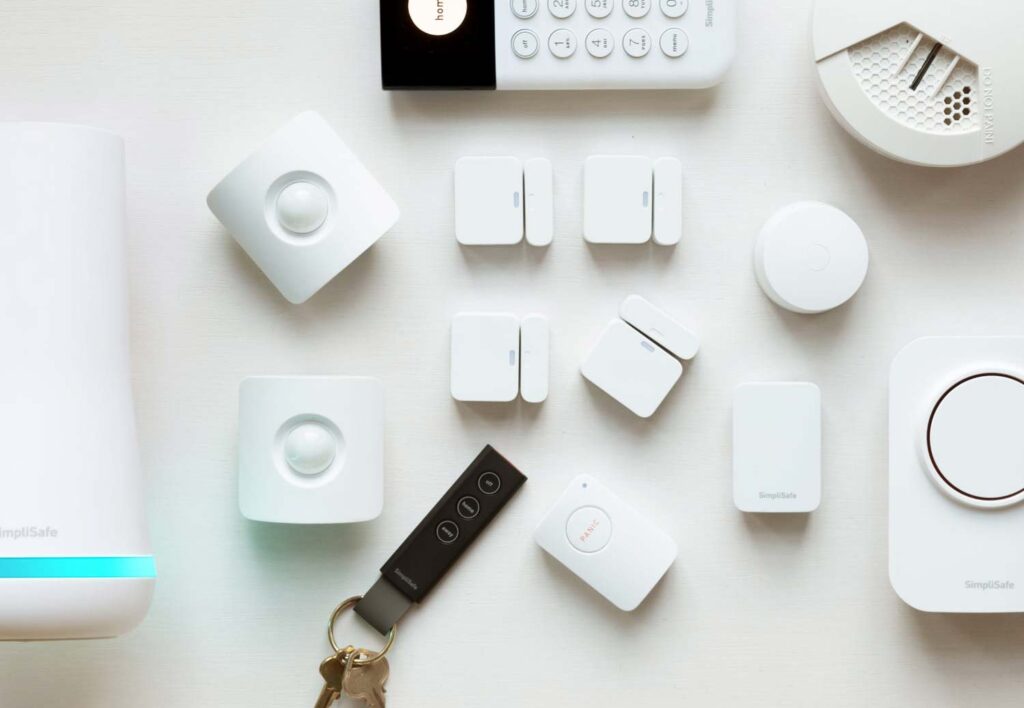
To ensure the effectiveness of your home security system, regular maintenance and upgrades are essential. Test your alarm system regularly to make sure all components are functioning properly. Conduct tests that simulate different scenarios, such as window sensors, motion sensors, and door contacts. Regular testing helps identify any issues or weaknesses in your system that may need attention.
Keep up with firmware updates for your security system and cameras. Manufacturers often release updates that address security vulnerabilities or offer new features. Regularly check for updates and install them promptly to ensure that your system is up to date and secure.
Replace batteries in smoke detectors as needed. Many smoke detectors emit a beep or chirp when batteries are low, but it’s important to proactively check and replace batteries on a regular schedule. This simple maintenance task ensures that your smoke detectors are always ready to provide early warning in the event of a fire.
Consider upgrading to newer security technology as it becomes available. Advances in home security systems and components can offer improved features and greater functionality. Stay informed about new products and technologies on the market, and assess whether an upgrade would benefit your home security setup.
In conclusion, setting up an effective home security system is a crucial step in protecting your home and loved ones. By evaluating your security needs, researching alarm system options, securing entry points, enhancing outdoor security, creating an intruder deterrent, installing surveillance cameras, monitoring your home, securing valuables, implementing fire safety measures, integrating smart home technology, and regularly maintaining and upgrading your system, you can greatly enhance the security of your home. Remember that home security is an ongoing process, and it’s important to stay vigilant and proactive to ensure the safety of your home and those within it.