When embarking on any installation project, whether it’s a simple home improvement task or a complex commercial endeavor, the right tools can make all the difference. Installation tools are designed to facilitate the assembly, setup, or configuration of various systems and components. Understanding the types of tools available and their specific applications is crucial for achieving a successful outcome.
As you delve into the world of installation, you’ll discover that having the right tools not only enhances efficiency but also ensures safety and precision. In this article, you will explore the various categories of installation tools, ranging from basic hand tools to specialized equipment tailored for specific tasks. You will learn about the essential safety gear that should accompany any installation project and how to choose the right tools for both professional and DIY installations.
By the end of this guide, you will be equipped with the knowledge to select the appropriate tools for your next installation project, ensuring that you can tackle any challenge with confidence.
Key Takeaways
- Introduction to Installation Tools:
- Understanding the importance of using the right tools for successful installations.
- Basic Tools for Installation:
- Essential tools such as screwdrivers, hammers, pliers, and measuring tape for general installations.
- Specialized Tools for Specific Installations:
- Specialized tools like pipe wrenches, tile cutters, and wire strippers for specific installation needs.
- Safety Equipment for Installation:
- Safety goggles, gloves, and dust masks to protect yourself during installations.
- Tools for Professional Installation:
- Power tools, laser levels, and stud finders for professional-grade installations.
- Tools for DIY Installation:
- Toolkits, cordless drills, and utility knives for DIY enthusiasts looking to tackle their own installations.
- Tools for Complex Installations:
- Advanced tools such as pipe benders, torque wrenches, and soldering irons for complex installation projects.
- Conclusion: Choosing the Right Tools for Your Installation:
- Selecting the appropriate tools based on the specific requirements of the installation project is crucial for achieving successful results.
Basic Tools for Installation
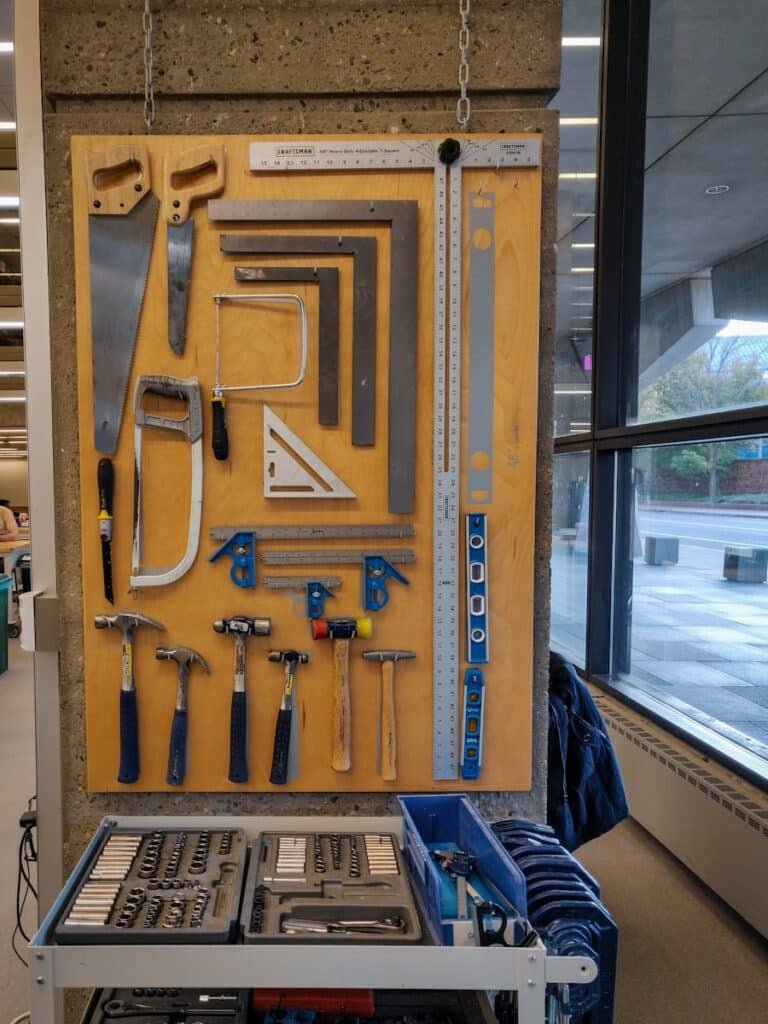
Every installation project begins with a set of basic tools that form the foundation of your toolkit. These essential items are versatile and can be used across a wide range of tasks. Commonly found in most households, basic tools include screwdrivers, pliers, wrenches, and hammers.
Each of these tools serves a unique purpose, making them indispensable for any installation job. For instance, screwdrivers come in various sizes and types, allowing you to drive screws into different materials with ease. Pliers are perfect for gripping, twisting, and cutting wires or small components.
In addition to these hand tools, measuring devices such as tape measures and levels are crucial for ensuring accuracy during installation. A tape measure allows you to take precise measurements, while a level ensures that your installations are straight and aligned correctly. Having these basic tools at your disposal not only streamlines the installation process but also minimizes the risk of errors that could lead to costly rework.
As you gather your toolkit, remember that investing in high-quality basic tools can significantly enhance your overall experience and results.
Specialized Tools for Specific Installations
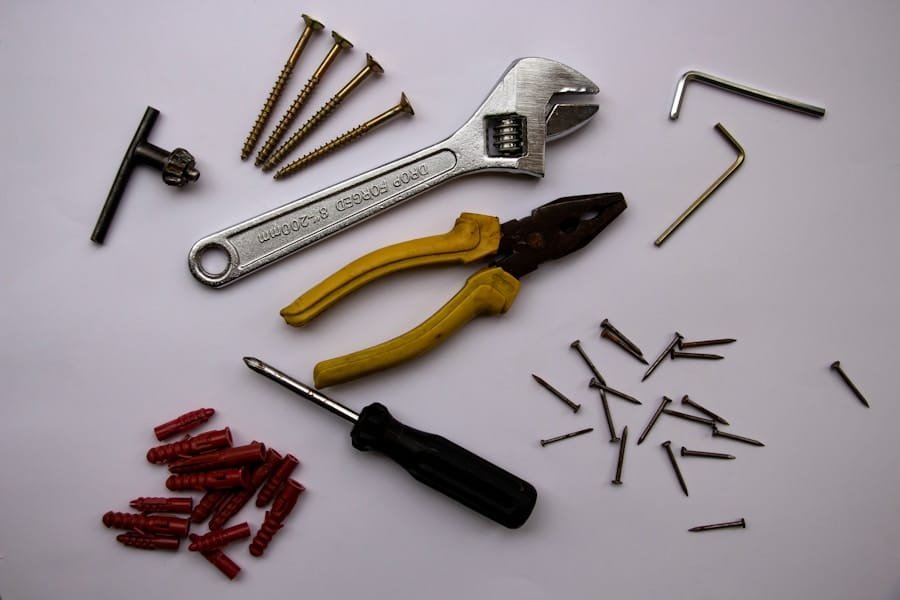
While basic tools are essential for general tasks, specialized tools are often required for specific installations. These tools are designed to address unique challenges that may arise during particular projects. For example, if you’re installing plumbing fixtures, you might need pipe wrenches or basin wrenches to navigate tight spaces and secure fittings properly.
Similarly, when working with electrical systems, wire strippers and multimeters become invaluable for ensuring safe and effective connections. Specialized tools not only improve efficiency but also enhance safety by reducing the risk of accidents or damage to components. For instance, using a torque wrench when installing bolts ensures that they are tightened to the manufacturer’s specifications, preventing potential failures down the line.
As you consider your installation needs, take the time to research and invest in specialized tools that will make your tasks easier and more effective. By doing so, you’ll be better prepared to tackle any project that comes your way.
Safety Equipment for Installation
Safety should always be a top priority when undertaking any installation project. The right safety equipment can protect you from potential hazards and ensure a secure working environment. Personal protective equipment (PPE) is essential for safeguarding against injuries.
This includes items such as safety goggles, gloves, hard hats, and ear protection. Depending on the nature of your installation work, you may also need respiratory protection if you’re dealing with dust or fumes. In addition to personal protective gear, it’s important to have safety equipment tailored to your specific tasks.
For example, if you’re working at heights, harnesses and fall protection systems are crucial for preventing accidents. Similarly, if you’re handling heavy materials or equipment, using dollies or lifting straps can help reduce strain on your body and minimize the risk of injury. By prioritizing safety equipment in your toolkit, you create a safer work environment that allows you to focus on completing your installation efficiently.
Tools for Professional Installation
For those in the professional installation field, having access to advanced tools can significantly enhance productivity and quality of work. Professional-grade tools are often designed for durability and precision, making them ideal for frequent use in demanding environments. Power tools such as drills, saws, and nail guns can expedite tasks that would otherwise be time-consuming with hand tools alone.
These tools not only save time but also provide consistent results that meet industry standards. Moreover, professionals often rely on specialized equipment such as laser levels and stud finders to ensure accuracy in their installations. Laser levels provide precise alignment over long distances, while stud finders help locate hidden framing members behind walls.
Investing in high-quality professional tools can lead to better outcomes and increased client satisfaction. As you consider your options in professional installation, remember that the right tools can elevate your work from good to exceptional.
Tools for DIY Installation
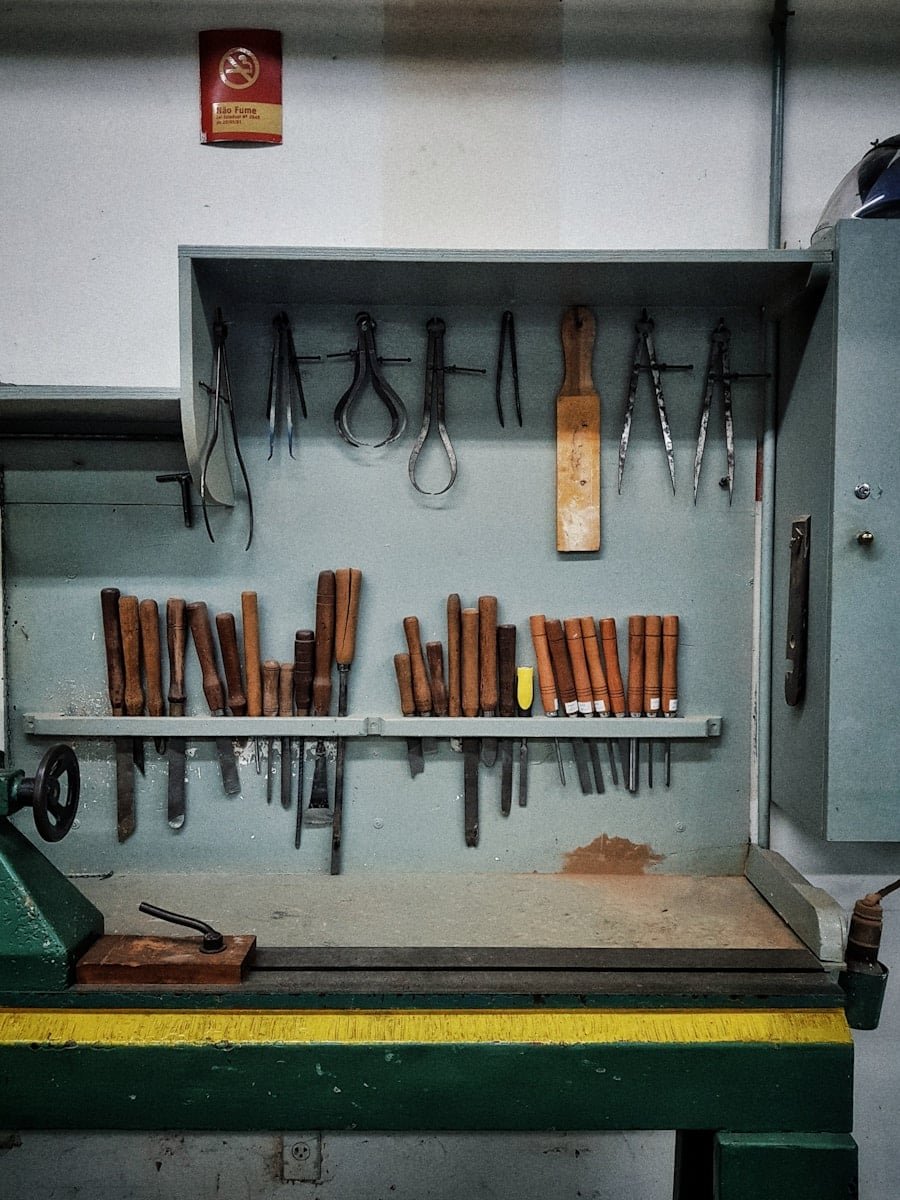
If you’re a DIY enthusiast looking to tackle home improvement projects on your own, having the right tools is essential for success. While you may not need the extensive range of equipment that professionals use, there are still key items that can make your DIY installations easier and more enjoyable. Basic hand tools like screwdrivers, hammers, and pliers are a must-have for any DIY toolkit.
Additionally, power tools such as cordless drills and circular saws can significantly speed up your work while providing greater accuracy. When embarking on DIY installations, it’s also important to consider user-friendly tools designed for non-professionals. For instance, toolkits that come with pre-selected items tailored for specific projects can simplify your shopping experience and ensure you have everything you need at hand.
Furthermore, instructional videos and online resources can guide you through various installation processes, making it easier to learn how to use your tools effectively. With the right combination of basic and power tools at your disposal, you’ll be well-equipped to take on any DIY project with confidence.
Tools for Complex Installations
Complex installations often require a more sophisticated set of tools due to their intricate nature. Whether you’re working on HVAC systems, advanced electrical setups, or intricate plumbing configurations, having specialized equipment is crucial for success. For example, when installing an HVAC system, you may need vacuum pumps and refrigerant scales to ensure proper operation and efficiency.
Similarly, complex electrical installations may require conduit benders and cable pullers to navigate challenging layouts. In addition to specialized tools, it’s important to have access to diagnostic equipment that can help troubleshoot issues during complex installations. Multimeters and oscilloscopes are invaluable for identifying electrical problems, while pressure gauges can assist in diagnosing plumbing issues.
By equipping yourself with the right tools for complex installations, you’ll be better prepared to handle challenges as they arise and ensure that your projects are completed successfully.
Choosing the Right Tools for Your Installation
Selecting the right tools for your installation projects is a critical step toward achieving successful outcomes. Whether you’re a professional installer or a DIY enthusiast, understanding the various categories of tools available will empower you to make informed decisions based on your specific needs. From basic hand tools to specialized equipment designed for complex tasks, each tool plays a vital role in ensuring efficiency and accuracy.
As you embark on your next installation project, take the time to assess what tools are necessary for the job at hand. Consider factors such as the complexity of the installation, safety requirements, and whether you’ll be working alone or with a team. By investing in high-quality tools tailored to your needs and prioritizing safety equipment, you’ll create an environment conducive to success.
Ultimately, choosing the right tools will not only enhance your installation experience but also lead to results that meet or exceed your expectations.
When considering the installation of a home security system, it is important to determine whether special tools are needed for the process. In a related article on the importance of home protection, it discusses the significance of having a reliable security system in place to safeguard your home and loved ones. To learn more about the benefits of home security systems and the tools required for installation, check out this article.
FAQs
What are special tools for installation?
Special tools for installation are tools that are specifically designed for a particular installation process. These tools may not be commonly found in a standard toolbox and are often required for more complex or specialized installations.
Do I need special tools for installation?
The need for special tools for installation depends on the specific installation process. Some installations may require specialized tools to ensure proper and safe installation, while others may only require standard tools that are commonly found in a toolbox.
What are examples of special tools for installation?
Examples of special tools for installation include torque wrenches, pipe cutters, crimping tools, wire strippers, and specialized fastening tools. These tools are designed for specific installation tasks and may not be commonly used for general household repairs.
Can I substitute special tools for installation with standard tools?
In some cases, special tools for installation may have specific features or capabilities that are necessary for the installation process. Attempting to substitute these tools with standard tools may result in improper installation or potential safety hazards. It is important to use the recommended tools for each installation to ensure proper and safe completion.