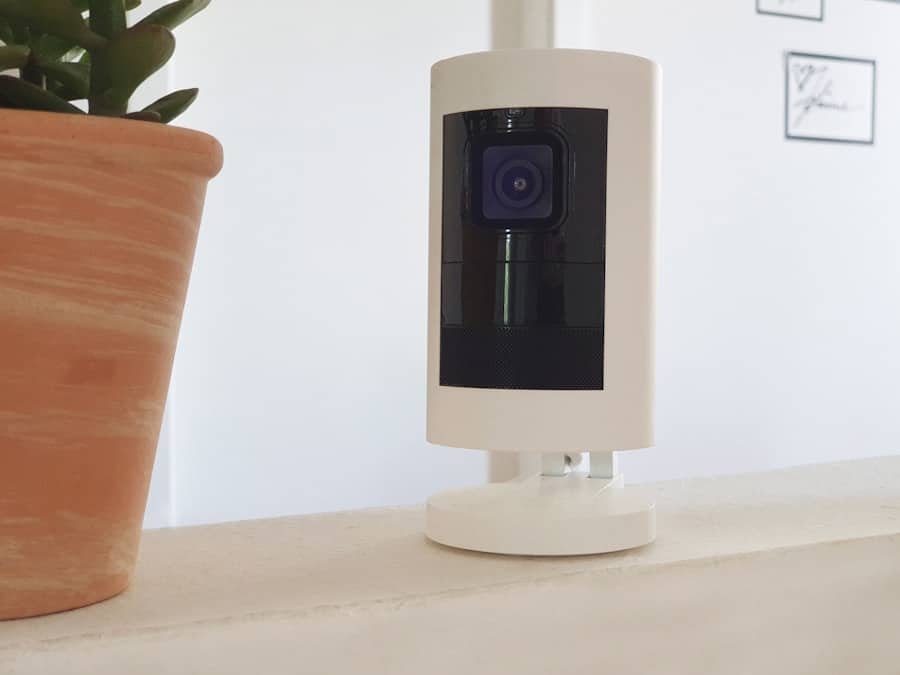
In an age where technology is evolving at an unprecedented pace, the realm of home security has not been left behind. You may have noticed that traditional locks and keys are becoming increasingly obsolete, replaced by advanced security devices that offer enhanced protection and convenience. The modern homeowner is now presented with a plethora of options, from smart cameras to alarm systems that can be controlled remotely.
Among these innovations, biometric security devices stand out as a particularly intriguing solution, leveraging unique physical characteristics to ensure that only authorized individuals can access your home. As you consider the safety of your living space, it’s essential to understand the significance of these advanced devices. They not only provide a higher level of security but also offer peace of mind in a world where home invasions and burglaries are all too common.
By integrating technology into your home security strategy, you can create a more robust defense against potential threats. This article will delve into the fascinating world of biometric home security devices, exploring how they work, their advantages and disadvantages, and what the future holds for this innovative technology.
Key Takeaways
- Biometric home security devices use unique physical characteristics to grant access
- Biometrics offers a high level of security and convenience for home access control
- Advantages of biometric access control include increased security and elimination of the need for keys or codes
- Disadvantages of biometric access control include cost and potential privacy concerns
- Types of biometric home security devices include fingerprint scanners, facial recognition systems, and iris scanners
What is Biometrics and How Does it Work?
Biometrics refers to the measurement and statistical analysis of people’s unique physical and behavioral characteristics. You might be familiar with common biometric identifiers such as fingerprints, facial recognition, and iris patterns. These traits are inherently unique to each individual, making them highly reliable for identification purposes.
The technology behind biometrics involves capturing these characteristics through specialized sensors and algorithms that analyze the data to confirm identity. When you use a biometric device, such as a fingerprint scanner, the process begins with the capture of your fingerprint. The device scans your finger and converts the image into a digital template.
This template is then stored in a secure database. When you attempt to gain access, the device scans your fingerprint again and compares it to the stored template. If there is a match, access is granted; if not, the system denies entry.
This method of authentication is not only quick but also significantly reduces the risk of unauthorized access compared to traditional key-based systems.
The Role of Biometrics in Home Security

Biometric technology plays a crucial role in enhancing home security by providing a more reliable means of access control. As you consider the various options available for securing your home, it’s important to recognize how biometrics can streamline the process while increasing safety. Unlike traditional locks that can be picked or keys that can be lost or stolen, biometric systems rely on something you possess inherently—your unique biological traits.
Incorporating biometrics into your home security system can also simplify your daily routines. Imagine no longer needing to fumble for keys or remember complex passcodes; instead, you can simply place your finger on a scanner or look into a camera for facial recognition. This convenience not only makes accessing your home easier but also encourages consistent use of security measures, ultimately leading to a safer environment for you and your family.
Advantages and Disadvantages of Biometric Access Control
While biometric access control systems offer numerous advantages, they are not without their drawbacks. One of the most significant benefits is the enhanced security they provide. Since biometric identifiers are unique to each individual, it becomes exceedingly difficult for unauthorized users to gain access.
Additionally, these systems often come with advanced encryption methods that protect stored data from potential breaches. However, there are also disadvantages to consider. One major concern is the potential for false rejections or false acceptances.
In some cases, a legitimate user may be denied access due to environmental factors or sensor malfunctions, which can be frustrating. Furthermore, if a biometric system is compromised, it could lead to severe privacy concerns since your biometric data cannot be changed like a password or key. This raises questions about data security and how well companies protect sensitive information.
Types of Biometric Home Security Devices
As you explore the various types of biometric home security devices available on the market, you’ll find that they come in several forms, each designed to cater to different needs and preferences. Fingerprint scanners are among the most common options; they are often integrated into door locks or standalone devices that allow you to unlock doors with just a touch of your finger. These devices are user-friendly and can store multiple fingerprints, making them suitable for families or shared living spaces.
Facial recognition systems are another popular choice, utilizing cameras equipped with advanced algorithms to identify individuals based on their facial features. These systems can be particularly effective when integrated with smart doorbells or surveillance cameras, allowing you to monitor who approaches your home in real-time. Additionally, iris recognition devices offer an even higher level of accuracy by scanning the unique patterns in your eyes.
While these devices may be less common for residential use due to their cost and complexity, they represent the cutting edge of biometric technology.
Integrating Biometrics with Other Home Security Systems

To maximize the effectiveness of your home security strategy, consider integrating biometric devices with other security systems. For instance, combining biometric access control with smart cameras can create a comprehensive security network that monitors both entry points and surrounding areas. When someone approaches your door, the camera can capture their image while the biometric lock ensures that only authorized individuals can enter.
Moreover, integrating biometrics with alarm systems can enhance your overall safety measures. For example, if an unauthorized person attempts to gain access through a biometric lock, the alarm system can be triggered automatically, alerting you and potentially deterring intruders. This interconnected approach not only provides multiple layers of security but also allows for greater control over your home environment through centralized management via smartphone apps or smart home hubs.
Considerations for Implementing Biometric Access Control at Home
Before implementing biometric access control in your home, there are several factors you should consider to ensure that you choose the right system for your needs. First and foremost, assess the level of security required for your specific situation. If you live in a high-crime area or have valuable possessions that need protection, investing in high-quality biometric devices may be worth it.
Additionally, think about the ease of use for all household members. If you have children or elderly family members who may struggle with technology, opt for user-friendly devices that accommodate various needs. It’s also essential to evaluate the reliability and accuracy of the biometric system you choose; read reviews and seek recommendations from trusted sources to ensure you’re making an informed decision.
Future Trends in Biometric Home Security Devices
As technology continues to advance, the future of biometric home security devices looks promising. You can expect to see improvements in accuracy and speed as algorithms become more sophisticated and sensors more sensitive. Innovations such as multi-factor authentication—combining biometrics with other forms of identification—will likely become more prevalent, providing an additional layer of security.
Moreover, as smart homes become increasingly popular, biometrics will likely play a central role in creating seamless integration across various devices. Imagine a future where your biometric data not only unlocks your front door but also adjusts your thermostat or turns on your lights as you enter your home. This level of convenience combined with enhanced security will redefine how we think about protecting our living spaces.
In conclusion, as you navigate the evolving landscape of home security technology, understanding biometrics will empower you to make informed decisions about protecting your home and loved ones. With their unique advantages and potential for integration with other systems, biometric devices represent a significant step forward in creating safer living environments for everyone.
Can Advanced Home Security Devices Use Biometrics for Access? explores the potential of biometric technology in enhancing home security systems. This article delves into the benefits of using biometrics, such as fingerprint or facial recognition, for access control in residential properties. For more information on effective strategies to safeguard your home from burglaries, check out this related article.
FAQs
What are advanced home security devices?
Advanced home security devices are electronic systems designed to protect homes from intruders and other security threats. These devices can include alarms, surveillance cameras, motion sensors, and smart locks.
What is biometrics?
Biometrics refers to the measurement and analysis of unique physical or behavioral characteristics, such as fingerprints, iris patterns, or facial recognition, for the purpose of verifying an individual’s identity.
Can advanced home security devices use biometrics for access?
Yes, advanced home security devices can use biometrics for access control. Biometric technology can be integrated into smart locks and other security systems to provide a more secure and convenient way to access a home.
What are the benefits of using biometrics for home security?
Using biometrics for home security offers several benefits, including enhanced security through unique and difficult-to-replicate identification methods, convenience of not needing to carry keys or remember passwords, and the ability to easily grant and revoke access to individuals.
Are there any drawbacks to using biometrics for home security?
Some potential drawbacks of using biometrics for home security include the cost of implementing biometric technology, concerns about privacy and data security, and the possibility of false rejections or false acceptances when verifying an individual’s identity.