In an age where technology is rapidly evolving, the importance of home security cannot be overstated, especially in remote locations. You may find yourself drawn to the tranquility and beauty of rural living, but with that charm often comes a unique set of security challenges. The isolation that makes these areas appealing can also make them vulnerable to break-ins and other security threats.
As a homeowner in such a setting, you might be wondering how to effectively safeguard your property. This is where home security devices come into play, offering innovative solutions tailored to the specific needs of remote dwellings. Home security devices have come a long way from traditional locks and alarms.
Today, you have access to a wide array of advanced technologies designed to enhance your safety and peace of mind. From smart cameras that allow you to monitor your property in real-time to motion sensors that alert you of any unusual activity, these devices can be invaluable in protecting your home. As you explore the options available, it’s essential to understand not only the benefits but also the challenges associated with securing homes in remote areas.
Key Takeaways
- Home security devices are essential for protecting homes in remote locations
- Challenges of securing remote homes include limited access to emergency services and potential for longer response times
- Suitable home security devices for remote locations include solar-powered cameras, motion sensor lights, and satellite communication systems
- Considerations for choosing home security devices in remote locations include durability, power source, and remote monitoring capabilities
- Benefits of using home security devices in remote locations include peace of mind, deterrence of intruders, and potential cost savings in the long run
Challenges of Securing Homes in Remote Locations
Delayed Response Times Leave You Vulnerable
This delay can leave you feeling vulnerable and exposed, making it crucial to have reliable security measures in place. You may find that traditional alarm systems are not enough, as they often rely on quick response times that are simply not feasible in isolated areas.
Limited Access to Reliable Internet and Power
Another challenge is the potential for limited access to reliable internet and power sources. Many modern security devices depend on a stable internet connection for functionality, which can be a significant hurdle in remote locations. You might encounter situations where Wi-Fi signals are weak or non-existent, making it difficult to utilize smart home technology effectively. Additionally, power outages can render electronic security systems useless unless you have backup solutions in place.
Understanding the Challenges is Key to Effective Security
Understanding these challenges is the first step toward finding effective security solutions tailored to your unique circumstances.
Types of Home Security Devices Suitable for Remote Locations

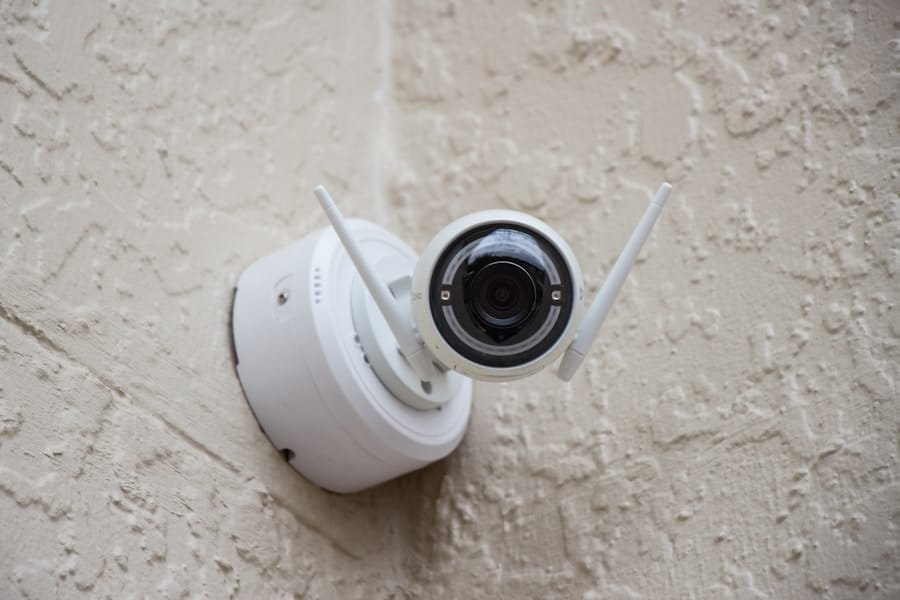
When it comes to securing your home in a remote area, you have several types of devices at your disposal. One popular option is the outdoor security camera, which can provide you with a visual deterrent against potential intruders. These cameras often come equipped with features such as night vision and motion detection, allowing you to monitor your property around the clock.
You may also consider investing in cameras that offer cloud storage options, ensuring that footage is saved even if your device is tampered with. Another effective solution is the use of motion-activated lights. These lights can illuminate dark areas around your property when movement is detected, making it more difficult for intruders to approach unnoticed.
You might also want to explore smart doorbells equipped with cameras, which allow you to see who is at your door from anywhere using your smartphone. This feature can be particularly useful in remote locations where deliveries or visitors may be infrequent but still require your attention.
Considerations for Choosing Home Security Devices for Remote Locations
As you begin to select home security devices for your remote property, there are several key considerations to keep in mind. First and foremost, assess the specific vulnerabilities of your home and property. Are there areas that are particularly secluded or poorly lit?
Understanding these weak points will help you choose devices that effectively address your security needs. Another important factor is the ease of installation and maintenance. In remote locations, you may not have immediate access to professional installation services, so opting for user-friendly devices that you can set up yourself is essential.
Additionally, consider the maintenance requirements of each device. You want systems that are durable and require minimal upkeep, especially if you are not always on-site to manage them. By carefully evaluating these aspects, you can make informed decisions that enhance your home’s security without adding unnecessary complexity.
Benefits of Using Home Security Devices in Remote Locations
The advantages of implementing home security devices in remote locations extend far beyond mere protection against theft. One significant benefit is the peace of mind that comes from knowing your property is being monitored, even when you are not there. With real-time alerts and remote access capabilities, you can stay connected to your home no matter where you are.
This level of awareness can significantly reduce anxiety and allow you to enjoy your time away from home without constant worry. Moreover, many modern security devices offer additional features that enhance their value. For instance, some systems include environmental sensors that can detect smoke or carbon monoxide, alerting you to potential hazards before they escalate into serious problems.
This added layer of safety is particularly important in remote areas where emergency services may take longer to respond. By investing in comprehensive security solutions, you not only protect against intrusions but also safeguard against other risks that could threaten your home and loved ones.
Best Practices for Installing and Maintaining Home Security Devices in Remote Locations

Strategic Installation
Start by strategically placing cameras and sensors in areas that cover all entry points and blind spots around your property. You want to ensure that these devices have unobstructed views and are positioned at appropriate heights for optimal performance.
Deterrent and Maintenance
Additionally, consider using signage to indicate that your property is protected by security systems; this can act as a deterrent for potential intruders. Regular maintenance is equally important for ensuring the longevity and reliability of your security devices. Schedule routine checks to clean cameras and sensors, ensuring they remain free from dirt and debris that could obstruct their functionality.
Power and Performance
If your devices rely on batteries or power sources, make it a habit to check their status periodically and replace them as needed. By staying proactive about maintenance, you can ensure that your security systems are always ready to protect your home.
Case Studies of Successful Implementation of Home Security Devices in Remote Locations
Examining real-life examples can provide valuable insights into how home security devices can be effectively implemented in remote locations. One case involved a family living on a large rural property who faced frequent trespassing issues. They decided to install a combination of outdoor cameras and motion-activated lights around their perimeter.
The result was a significant decrease in unwanted visitors, as the visible presence of cameras deterred potential intruders while the lights provided added visibility at night. Another successful implementation involved a vacation home owner who wanted to ensure their property remained secure while they were away for extended periods. They opted for a smart security system that included door sensors, window alarms, and a smart camera with remote access capabilities.
This setup allowed them to monitor their property from afar and receive instant alerts if any unusual activity was detected. The homeowner reported feeling much more at ease knowing they could keep an eye on their investment even when they were miles away.
The Future of Home Security Devices in Remote Locations
As technology continues to advance, the future of home security devices in remote locations looks promising. Innovations such as artificial intelligence and machine learning are paving the way for smarter systems that can learn from patterns and adapt accordingly. You may soon find yourself benefiting from devices that not only alert you to potential threats but also analyze data to predict and prevent incidents before they occur.
Moreover, as connectivity improves even in rural areas, more homeowners will have access to sophisticated security solutions that were once limited by geographical constraints. The integration of smart home technology will allow for seamless communication between various devices, creating a comprehensive security ecosystem tailored specifically for remote living. As you consider the future of home security for your own property, embracing these advancements will undoubtedly enhance your ability to protect what matters most while enjoying the serenity of rural life.
If you are considering using home security devices for a home in a remote location, you may also be interested in reading the article