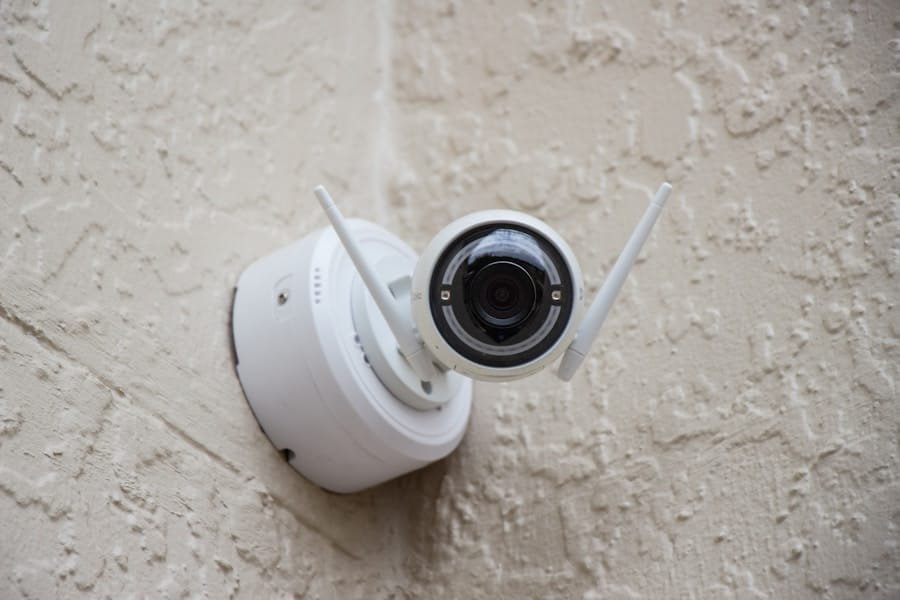
When you think about home security, your mind may immediately jump to alarms, cameras, and motion detectors. However, the capabilities of modern home security systems extend far beyond these traditional components. You may not realize that your system can also monitor environmental factors, including water pressure.
Understanding these capabilities is crucial for maximizing the effectiveness of your home security setup. By familiarizing yourself with the various features available, you can better protect your home from a range of potential threats, including water damage. Your home security system is designed to provide a comprehensive safety net for your living space.
Many systems now come equipped with smart technology that allows for remote monitoring and control via mobile apps. This means you can keep an eye on your home even when you’re miles away. Additionally, some systems offer integration with other smart devices, enabling you to create a cohesive network that enhances your overall security.
By understanding these capabilities, you can tailor your system to meet your specific needs, ensuring that you are not only protected from intruders but also from environmental hazards like leaks or flooding.
Key Takeaways
- Understanding the capabilities of your home security system is crucial for maximizing its effectiveness in protecting your home and family.
- Water pressure detection is an important aspect of home security as it can help prevent water damage and potential flooding.
- Integrating water pressure sensors with your home security system can provide early detection of leaks and abnormal water pressure levels.
- Using your home security system to detect water pressure can potentially save you from costly water damage and repairs.
- Challenges and limitations of using your home security system for water pressure detection include false alarms and the need for regular maintenance of sensors.
The Importance of Water Pressure Detection in Home Security
Water pressure detection is an often-overlooked aspect of home security that can have significant implications for your property. Fluctuations in water pressure can indicate leaks or bursts in pipes, which can lead to extensive water damage if not addressed promptly. By incorporating water pressure detection into your home security system, you can gain an early warning of potential plumbing issues, allowing you to take action before the situation escalates.
This proactive approach can save you time, money, and stress in the long run. Moreover, maintaining optimal water pressure is essential for the overall functionality of your plumbing system. Low water pressure can affect everything from shower performance to appliance efficiency.
By monitoring water pressure as part of your home security system, you can ensure that your plumbing operates smoothly and efficiently. This not only enhances your comfort but also contributes to the longevity of your plumbing infrastructure. In essence, water pressure detection serves as a vital component of a well-rounded home security strategy.
Integrating Water Pressure Sensors with Your Home Security System
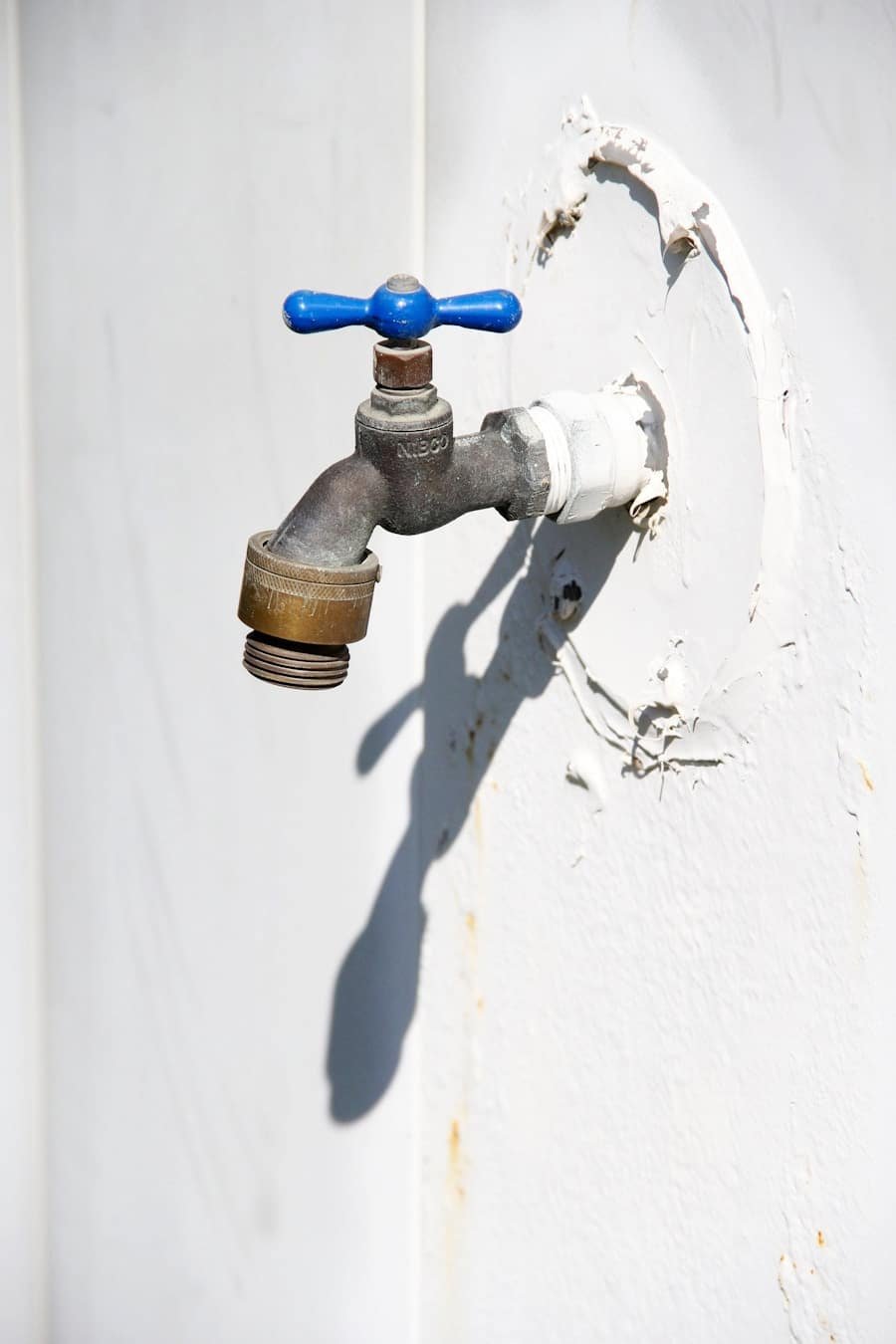
Integrating water pressure sensors into your existing home security system may seem daunting, but it is often a straightforward process. Many modern security systems are designed with compatibility in mind, allowing you to easily add new sensors without extensive modifications. You may want to consult with a professional installer or refer to the user manual for guidance on how to incorporate these sensors effectively.
Once integrated, these sensors can provide real-time data on water pressure levels throughout your home. Once the integration is complete, you will likely find that monitoring water pressure becomes an effortless part of your daily routine. Many systems offer alerts and notifications that can be sent directly to your smartphone or other devices when abnormal water pressure levels are detected.
This means you can respond quickly to any issues, whether you’re at home or away. The seamless integration of water pressure sensors into your home security system not only enhances your peace of mind but also empowers you to take control of your home’s safety and maintenance.
Potential Benefits of Using Your Home Security System to Detect Water Pressure
Utilizing your home security system for water pressure detection offers numerous benefits that extend beyond mere convenience. One of the most significant advantages is the potential for early detection of leaks or plumbing failures. By receiving alerts about unusual fluctuations in water pressure, you can address issues before they escalate into costly repairs or extensive damage.
This proactive approach not only protects your property but also helps maintain the value of your home. In addition to preventing damage, monitoring water pressure through your security system can lead to increased energy efficiency. When plumbing systems operate optimally, appliances such as washing machines and dishwashers function more effectively, consuming less water and energy in the process.
This can result in lower utility bills and a reduced environmental footprint. By leveraging your home security system for water pressure detection, you are not only safeguarding your home but also contributing to a more sustainable lifestyle.
Challenges and Limitations of Using Your Home Security System for Water Pressure Detection
While there are many advantages to using your home security system for water pressure detection, it is essential to acknowledge the challenges and limitations that may arise. One potential issue is the accuracy of the sensors themselves. Not all water pressure sensors are created equal; some may provide inconsistent readings or fail to detect minor fluctuations that could indicate a problem.
It is crucial to invest in high-quality sensors that are known for their reliability and precision. Another challenge is the potential for false alarms. If your water pressure sensor is overly sensitive or improperly calibrated, it may trigger alerts for minor changes that do not warrant immediate attention.
This could lead to alarm fatigue, where you become desensitized to notifications and may overlook genuine issues when they arise. To mitigate this risk, it is important to regularly test and calibrate your sensors and ensure they are functioning correctly within the context of your overall home security system.
Tips for Maintaining and Monitoring Water Pressure Sensors in Your Home Security System
Maintenance Guidelines
Familiarize yourself with the recommended care and maintenance guidelines, which may include periodic cleaning of the sensors and checking for signs of wear or damage.
Preventing Accuracy Issues
Keeping the sensors free from debris is essential to maintain their accuracy and prolong their lifespan.
Proactive Monitoring
In addition to physical maintenance, regularly monitor the sensor’s performance using diagnostic tools that provide updates on their status
. Make it a habit to review these reports periodically to catch any potential issues early on. By staying proactive about maintenance and monitoring, you can ensure that your water pressure detection system continues to serve its purpose effectively.
Leveraging Smart Home Technology for Enhanced Water Pressure Detection
The rise of smart home technology has revolutionized how we interact with our living spaces, including our approach to water pressure detection. By leveraging smart devices and systems, you can enhance the functionality of your water pressure sensors significantly. For instance, integrating your sensors with a smart home hub allows for more sophisticated monitoring and control options.
You can set up automated routines that adjust water usage based on real-time data from the sensors. Moreover, smart technology enables remote access and control over your home’s plumbing system. With mobile apps, you can receive instant notifications about changes in water pressure and even take action from anywhere in the world.
This level of connectivity empowers you to manage potential issues proactively rather than reactively. By embracing smart home technology, you can create a more responsive and efficient environment that prioritizes both safety and convenience.
Exploring Alternative Solutions for Water Pressure Detection in Your Home
While integrating water pressure sensors into your home security system offers numerous benefits, it’s also worth exploring alternative solutions that may complement or enhance this approach. For instance, some homeowners opt for standalone water leak detectors that provide additional layers of protection against flooding or leaks in specific areas like basements or kitchens. These devices often come equipped with their own alert systems and can be used alongside existing security measures.
Another alternative is utilizing smart plumbing fixtures that come with built-in monitoring capabilities. These fixtures can provide real-time data on water usage and pressure levels while also alerting you to any irregularities. By exploring these options, you can create a comprehensive strategy for managing water pressure in your home while ensuring that you are well-equipped to handle any potential issues that may arise.
In conclusion, understanding the capabilities of your home security system extends beyond traditional safety measures; it encompasses innovative solutions like water pressure detection as well. By integrating this technology into your existing setup, you can enhance both the safety and efficiency of your home while proactively addressing potential plumbing issues before they escalate into costly repairs. As you navigate this journey, remember to stay informed about maintenance practices and explore alternative solutions that may further bolster your home’s defenses against environmental hazards.
If you are considering investing in a home security system to protect your property, you may also want to explore the benefits of using it to detect water pressure issues. By incorporating water sensors into your system, you can receive alerts if there is a sudden drop in water pressure, indicating a potential leak or plumbing problem. This added layer of protection can help you address issues quickly and prevent costly damage to your home. For more information on the benefits of a home security system, check out this article on why investing in a home security system is worth it.
FAQs
What is a home security system?
A home security system is a network of integrated electronic devices and sensors designed to detect intrusion, fire, and other environmental hazards. It typically includes components such as motion detectors, door and window sensors, and surveillance cameras.
Can a home security system detect water pressure?
No, a traditional home security system is not designed to detect water pressure. Its primary function is to monitor and protect against security threats such as burglary and fire.
Are there specific devices that can detect water pressure in a home?
Yes, there are specialized water detection devices that can monitor water pressure and detect leaks or other water-related issues in a home. These devices are typically separate from a traditional home security system and are specifically designed for water monitoring and detection.
How do water pressure detection devices work?
Water pressure detection devices typically use sensors to monitor the water pressure in a home’s plumbing system. When the pressure drops or exceeds a certain threshold, the device can trigger an alert or notification to the homeowner, signaling a potential issue such as a leak or burst pipe.
Can I integrate water pressure detection devices with my home security system?
In some cases, it may be possible to integrate water pressure detection devices with a home security system, depending on the specific capabilities of the security system and the compatibility of the water detection devices. However, this would typically require additional setup and configuration to ensure seamless integration and functionality.