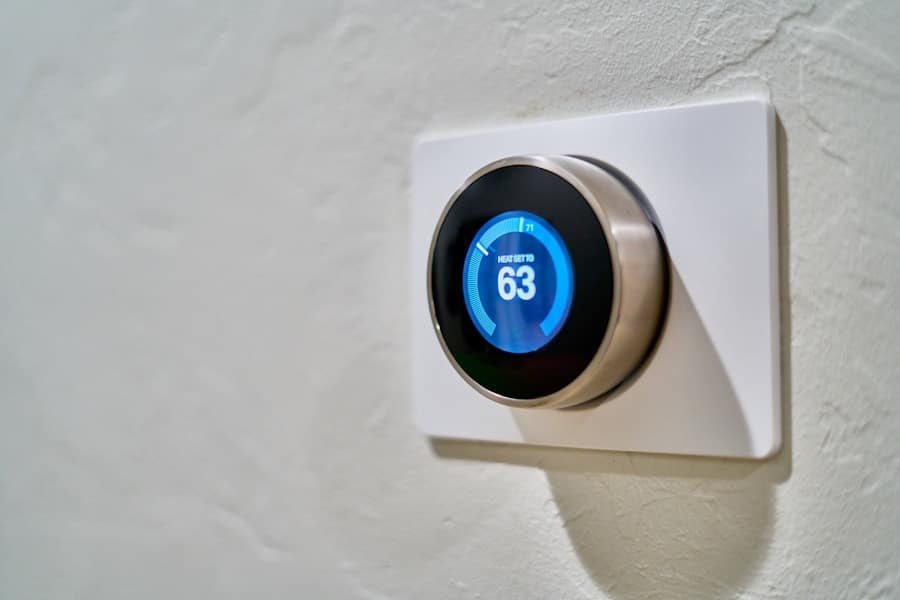
Air quality is a critical aspect of your living environment that can significantly impact your health and well-being. Poor air quality can lead to a range of health issues, from respiratory problems to long-term chronic conditions. As you navigate your daily life, you may not always be aware of the pollutants and allergens that can infiltrate your home.
This is where air quality monitoring becomes essential. By understanding the importance of air quality, you can take proactive steps to ensure a healthier living space for yourself and your loved ones. Monitoring air quality allows you to identify harmful substances such as volatile organic compounds (VOCs), particulate matter, and carbon dioxide levels.
These pollutants can stem from various sources, including household cleaning products, cooking, and even outdoor air pollution that seeps indoors. By being aware of the air quality in your home, you can make informed decisions about ventilation, air purification, and other measures to improve your indoor environment. Ultimately, prioritizing air quality monitoring is not just about comfort; it’s about safeguarding your health and enhancing your quality of life.
Key Takeaways
- Air quality monitoring is crucial for maintaining a healthy indoor environment and preventing health issues.
- Integrating air quality monitoring with home security systems provides added convenience and peace of mind for homeowners.
- Home security systems with air quality monitoring features can include sensors for detecting pollutants, humidity levels, and temperature.
- Using home security systems for air quality monitoring can help prevent health issues, improve energy efficiency, and provide real-time alerts for potential hazards.
- When setting up air quality monitoring with your home security system, consider placement of sensors, regular maintenance, and understanding the limitations of the system.
Integrating Air Quality Monitoring with Home Security Systems
Enhanced Awareness and Real-Time Alerts
Integrating air quality monitoring into your home security system allows for real-time data collection and alerts. Imagine receiving notifications on your smartphone when air quality levels drop below a certain threshold or when harmful pollutants are detected. This integration not only enhances your awareness of indoor air conditions but also empowers you to take immediate action, such as activating air purifiers or increasing ventilation.
A Comprehensive System for a Healthier Home
By incorporating air quality sensors into your existing security framework, you can create a comprehensive system that not only safeguards your property but also ensures a healthier indoor atmosphere.
A Safer and Healthier Living Environment
By merging these two essential functions, you can create a safer and healthier living environment for you and your family.
Available Features for Air Quality Monitoring in Home Security Systems

When considering air quality monitoring features within home security systems, you’ll find a variety of options designed to meet your specific needs. Many modern security systems come equipped with advanced sensors that can detect a range of pollutants, including carbon monoxide, smoke, and particulate matter. These sensors work in tandem with your security system to provide comprehensive monitoring and alerts, ensuring that you are always informed about the air quality in your home.
In addition to basic detection capabilities, some systems offer more sophisticated features such as data logging and trend analysis. This allows you to track changes in air quality over time, helping you identify patterns and potential sources of pollution. Furthermore, many systems now include integration with smart home devices, enabling you to automate responses based on air quality readings.
For instance, if the system detects high levels of VOCs, it could automatically activate an air purifier or adjust your HVAC system to improve ventilation. These features not only enhance convenience but also contribute to a healthier living environment.
Benefits of Using Home Security Systems for Air Quality Monitoring
Utilizing your home security system for air quality monitoring offers numerous benefits that extend beyond mere convenience. One of the primary advantages is the peace of mind that comes from knowing your home is not only secure from intruders but also safe from harmful air pollutants. This dual functionality allows you to streamline your home management efforts, making it easier to maintain both security and health standards.
Moreover, integrating air quality monitoring into your security system can lead to cost savings in the long run. By identifying and addressing air quality issues early on, you can prevent potential health problems that may require medical attention or costly treatments. Additionally, maintaining good indoor air quality can enhance the efficiency of your heating and cooling systems, leading to lower energy bills.
Ultimately, using your home security system for air quality monitoring is a smart investment in both your health and financial well-being.
Tips for Setting Up Air Quality Monitoring with Your Home Security System
Setting up air quality monitoring within your home security system may seem daunting at first, but with a few simple steps, you can create an effective monitoring solution. Start by assessing your current security system and determining which components are compatible with air quality sensors. Many modern systems offer modular options that allow for easy integration of additional devices.
Research different sensor types and choose those that best suit your needs based on the specific pollutants you want to monitor. Once you have selected the appropriate sensors, consider their placement within your home. It’s essential to install them in areas where air quality issues are most likely to arise, such as kitchens, basements, or near sources of pollution like fireplaces or gas appliances.
After installation, take advantage of the system’s app or dashboard to customize alert settings and monitor real-time data. Regularly check the performance of your sensors and replace them as needed to ensure accurate readings. By following these tips, you can effectively set up air quality monitoring that complements your home security system.
Potential Challenges and Limitations of Using Home Security Systems for Air Quality Monitoring

Accuracy of Sensors
The accuracy of sensors used for monitoring air quality is a significant concern. Not all sensors are created equal, and some may provide unreliable readings or fail to detect certain pollutants altogether. It’s essential to invest in high-quality sensors that have been tested for accuracy and reliability to ensure trustworthy data.
False Alarms and Notifications
Another challenge is the potential for false alarms or notifications triggered by temporary changes in air quality. For instance, cooking odors or seasonal pollen levels may cause brief spikes in pollutant readings, leading to unnecessary alerts. To mitigate this issue, it’s essential to familiarize yourself with normal air quality patterns in your home and adjust alert thresholds accordingly.
Maintenance and Calibration
Regular maintenance and calibration of sensors are vital to minimize inaccuracies and ensure optimal performance. By doing so, you can ensure that your system provides reliable data and alerts, giving you peace of mind and a healthier living environment.
Additional Considerations for Improving Indoor Air Quality
Beyond relying solely on your home security system for air quality monitoring, there are several additional strategies you can implement to improve indoor air quality further. One effective method is ensuring proper ventilation throughout your home. Opening windows when weather permits allows fresh outdoor air to circulate while helping to dilute indoor pollutants.
Additionally, using exhaust fans in kitchens and bathrooms can help remove excess moisture and odors. Incorporating houseplants into your living space is another natural way to enhance indoor air quality. Certain plants are known for their ability to filter out toxins and improve overall air freshness.
However, it’s essential to choose plants that are non-toxic if you have pets or small children at home. Regular cleaning practices also play a vital role in maintaining good indoor air quality; dusting surfaces and vacuuming carpets can help reduce allergens and irritants that accumulate over time.
Making the Most of Your Home Security System for Air Quality Monitoring
In conclusion, integrating air quality monitoring into your home security system is a proactive step toward creating a healthier living environment. By understanding the importance of air quality and utilizing available features within your security framework, you can enhance both safety and well-being in your home. While challenges may arise, being informed about sensor accuracy and maintenance will help you navigate potential pitfalls effectively.
As you embark on this journey toward improved indoor air quality, remember that it’s not just about monitoring; it’s about taking action based on the data collected. By implementing additional strategies such as proper ventilation and regular cleaning practices alongside your monitoring efforts, you can create a comprehensive approach to maintaining a safe and healthy home environment. Ultimately, making the most of your home security system for air quality monitoring is an investment in both your health and peace of mind.
If you are interested in learning more about how a home security system can help monitor your home’s air quality, you may want to check out the article on home security system service in Seattle, Washington. This article discusses the various features and benefits of using a home security system to not only protect your home from intruders but also to monitor and improve the air quality inside your home. It provides valuable information on how to integrate air quality monitoring into your existing security system for a more comprehensive approach to home safety.
FAQs
What is home air quality monitoring?
Home air quality monitoring involves the use of sensors and devices to measure and track the levels of indoor air pollutants such as dust, pollen, mold, and volatile organic compounds (VOCs) in a home.
Can I use my home security system to monitor my home’s air quality?
Yes, some home security systems offer the option to integrate air quality monitoring devices. These devices can measure various air quality parameters and provide real-time data through the security system’s app or control panel.
What are the benefits of using a home security system for air quality monitoring?
Using a home security system for air quality monitoring allows homeowners to conveniently track indoor air quality alongside other security features. This integration can provide a comprehensive view of the home environment and help identify potential air quality issues.
What types of air quality parameters can be monitored with a home security system?
Air quality parameters that can be monitored with a home security system include particulate matter (PM2.5), carbon dioxide (CO2), volatile organic compounds (VOCs), temperature, and humidity levels.
Are there any privacy or security concerns with using a home security system for air quality monitoring?
When integrating air quality monitoring with a home security system, it’s important to consider privacy and security concerns. Homeowners should ensure that the system and any connected devices have strong security measures in place to protect their data and privacy.