In an age where technology is rapidly evolving, the concept of home security has transformed significantly. You may have noticed that traditional security systems, which often relied on manual controls and physical keys, are being replaced by more sophisticated solutions. Among these innovations, voice-controlled home security systems stand out as a remarkable advancement.
These systems not only enhance your home’s safety but also offer unparalleled convenience, allowing you to manage your security with simple voice commands. Imagine being able to lock your doors, monitor your cameras, or even set alarms without lifting a finger—this is the reality that voice-controlled technology brings to your doorstep. As you delve deeper into the world of voice-controlled home security, you will discover how these systems integrate seamlessly with your daily life.
They are designed to respond to your commands, making it easier than ever to maintain a secure environment. With the rise of smart home technology, the integration of voice control into security systems has become a game-changer. You can now enjoy peace of mind knowing that your home is protected while also embracing the convenience of modern technology.
This article will explore the rise of smart home technology, the benefits of voice-controlled security systems, and how you can choose and integrate these systems into your home.
Key Takeaways
- Voice-controlled home security systems are becoming increasingly popular due to the rise of smart home technology.
- These systems offer numerous benefits, including convenience, enhanced security, and integration with other smart devices.
- Voice-controlled home security works by using voice commands to control and monitor the security system, making it easier and more efficient to use.
- When choosing a voice-controlled home security system, it’s important to consider factors such as compatibility, features, and reliability.
- Integrating voice-controlled home security with other smart devices can further enhance the overall functionality and convenience of the system.
The Rise of Smart Home Technology
The emergence of smart home technology has revolutionized the way you interact with your living space. Over the past decade, advancements in artificial intelligence and the Internet of Things (IoT) have paved the way for devices that can communicate with each other and respond to your needs. From smart thermostats that learn your preferences to intelligent lighting systems that adjust based on your activities, the smart home ecosystem is designed to enhance comfort and efficiency.
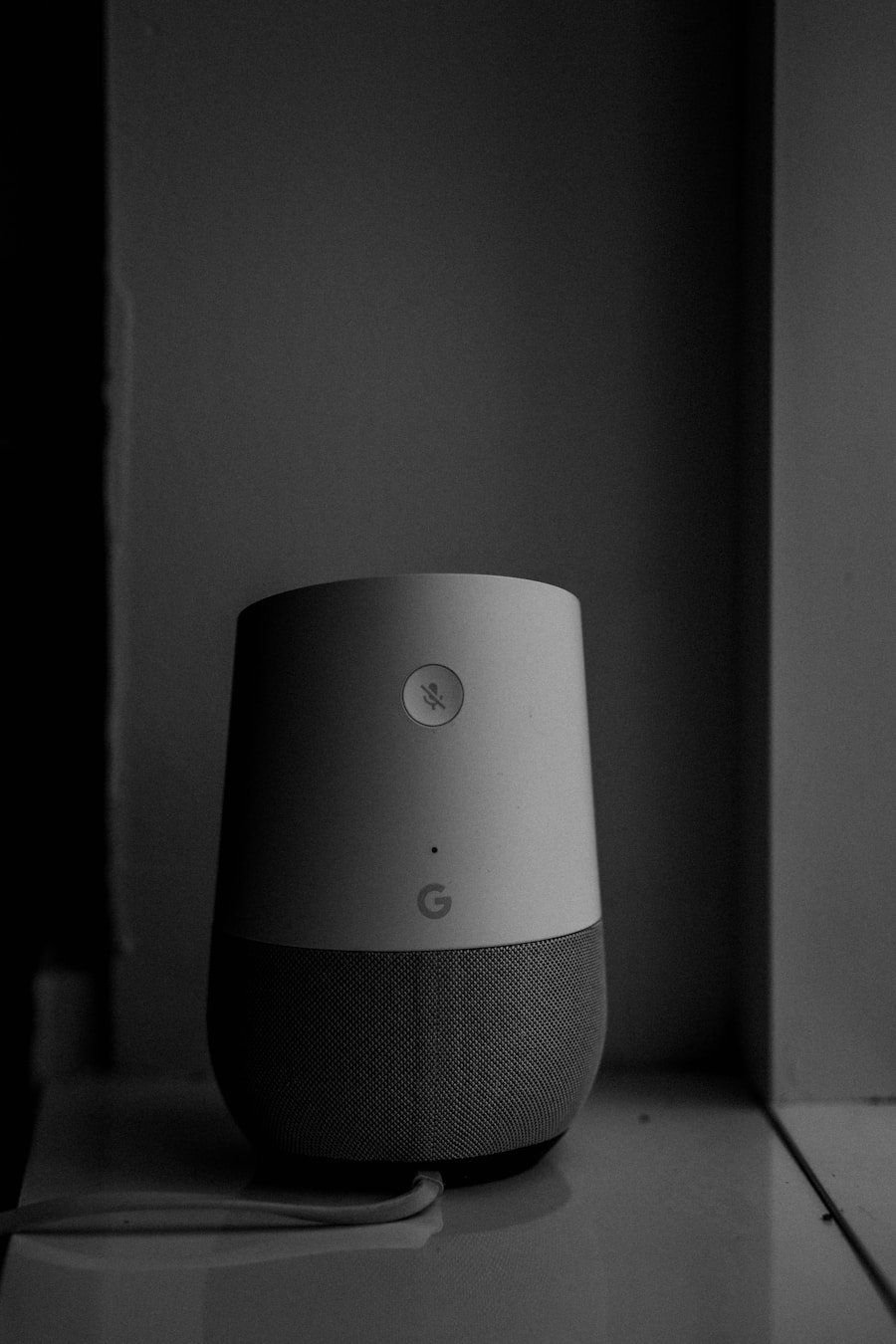
As you embrace these innovations, you may find that they not only simplify your life but also contribute to a more secure environment. Voice-controlled devices have become a cornerstone of this smart home revolution. With virtual assistants like Amazon’s Alexa, Google Assistant, and Apple’s Siri, you can control various aspects of your home using just your voice.
This hands-free approach is particularly appealing in a world where multitasking has become the norm. As you navigate through your day, whether cooking dinner or entertaining guests, the ability to issue commands without interrupting your activities is invaluable. The rise of smart home technology has made it possible for you to create a cohesive and interconnected living space that prioritizes both convenience and security.
The Benefits of Voice-Controlled Home Security Systems
One of the most significant advantages of voice-controlled home security systems is their ease of use. You no longer need to fumble with keypads or mobile apps; instead, you can simply speak your commands. This user-friendly approach is especially beneficial for individuals who may have difficulty using traditional security systems, such as the elderly or those with disabilities.
By making security accessible to everyone, voice-controlled systems empower you to take charge of your home’s safety effortlessly. Moreover, these systems offer enhanced responsiveness. In emergency situations, every second counts, and being able to activate alarms or alert authorities with a simple voice command can make a crucial difference.
Imagine being in a situation where you need immediate assistance; instead of searching for your phone or trying to remember a code, you can call for help instantly. This level of responsiveness not only provides peace of mind but also ensures that you are better prepared for any unforeseen circumstances.
How Voice-Controlled Home Security Works
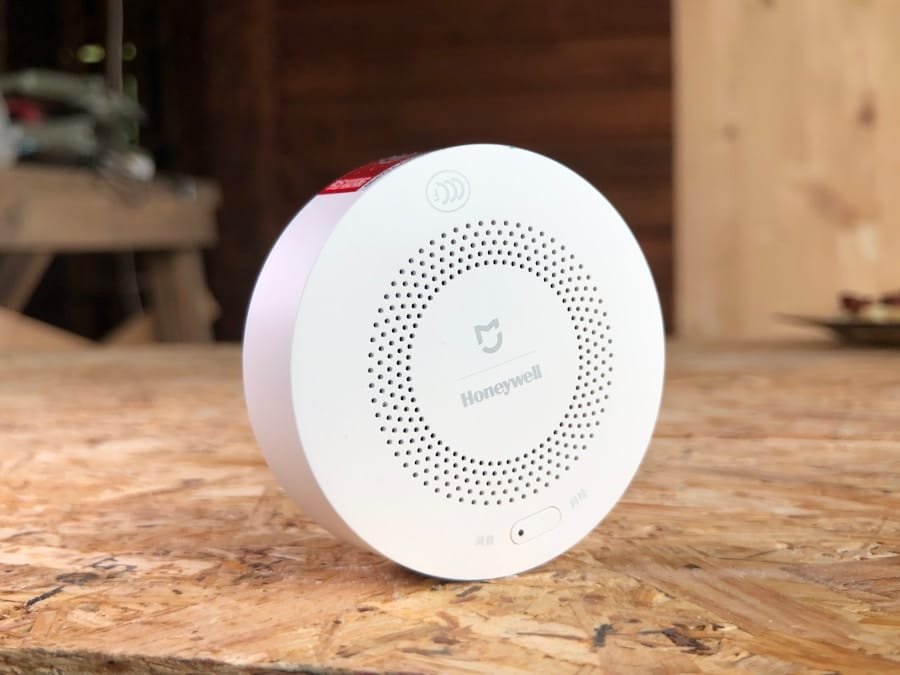
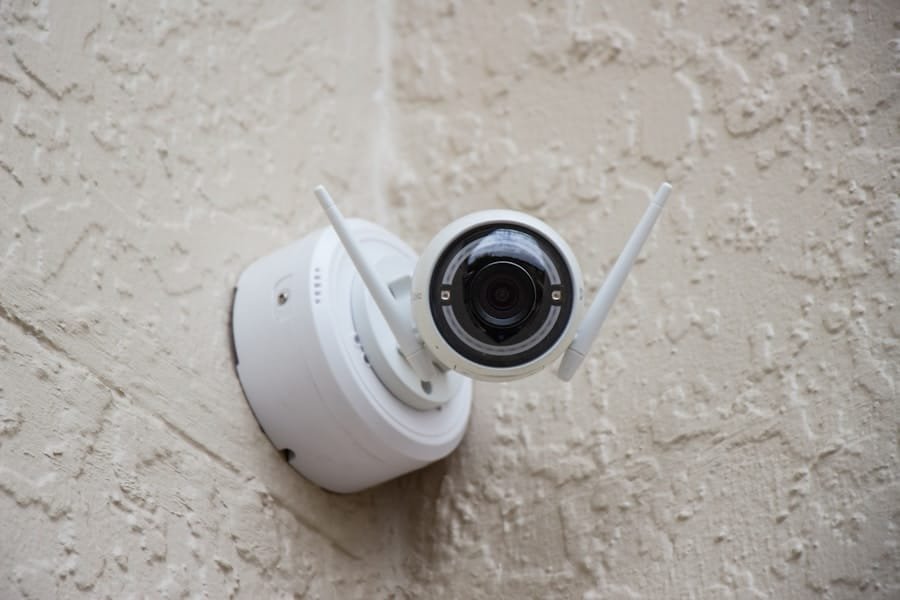
Understanding how voice-controlled home security systems operate can help you appreciate their functionality even more. At the core of these systems is a central hub that connects various devices within your home. This hub communicates with smart locks, cameras, motion sensors, and alarms, allowing you to control them through voice commands issued to your virtual assistant.
When you speak a command, it is processed by the assistant, which then relays the instruction to the appropriate device. For instance, if you say, “Lock the front door,” the virtual assistant sends a signal to the smart lock on your door, engaging it securely. Similarly, if you request to view live camera feeds, the system can display this information on compatible devices such as smart displays or smartphones.
The integration of artificial intelligence allows these systems to learn from your habits and preferences over time, making them even more intuitive and responsive to your needs.
Choosing the Right Voice-Controlled Home Security System
When it comes to selecting a voice-controlled home security system, there are several factors to consider to ensure it meets your specific needs. First and foremost, compatibility is key. You should assess whether the system integrates well with other smart devices in your home.
Many popular brands offer ecosystems that work seamlessly together, allowing for a more cohesive experience. For example, if you already have smart lights or thermostats from a particular brand, choosing a security system from the same manufacturer can simplify integration. Additionally, consider the features that are most important to you.
Some systems offer advanced functionalities such as facial recognition cameras or geofencing capabilities that automatically arm or disarm your system based on your location. Think about what aspects of security are most relevant to your lifestyle and choose a system that aligns with those priorities. Reading reviews and seeking recommendations from trusted sources can also provide valuable insights into which systems perform best in real-world scenarios.
Integrating Voice-Controlled Home Security with Other Smart Devices
The true power of voice-controlled home security lies in its ability to integrate with other smart devices throughout your home. By creating an interconnected ecosystem, you can enhance both convenience and safety. For instance, imagine arriving home after dark; as you approach your front door, you can say, “Turn on the porch lights,” illuminating your path while simultaneously unlocking the door with another command.
This level of automation not only makes your life easier but also deters potential intruders by creating the illusion that someone is home. Furthermore, integrating your security system with other smart devices allows for customized routines that suit your lifestyle. You can set up scenarios where specific actions occur based on time or triggers.
For example, when you leave for work in the morning, you could program your system to lock all doors, turn off unnecessary lights, and activate security cameras—all initiated by a single command like “Goodbye.” This level of integration not only streamlines your daily routine but also ensures that your home remains secure at all times.
Potential Limitations and Considerations
While voice-controlled home security systems offer numerous benefits, it’s essential to be aware of potential limitations and considerations before making a decision. One concern is privacy; as these systems rely on voice recognition technology, there may be apprehensions about data collection and surveillance. It’s crucial to research how different manufacturers handle user data and what measures they take to protect your privacy.
Another consideration is reliability; while technology has come a long way, there may still be instances where connectivity issues arise or devices fail to respond as expected. Ensuring that you have a backup plan in place—such as traditional locks or manual alarm systems—can provide additional peace of mind in case of technical difficulties. Additionally, consider whether you have adequate internet connectivity in your home; many voice-controlled systems require a stable internet connection for optimal performance.
The Future of Voice-Controlled Home Security
As technology continues to advance at an unprecedented pace, the future of voice-controlled home security looks promising. You can expect ongoing improvements in artificial intelligence and machine learning capabilities that will make these systems even more intuitive and responsive to your needs. With innovations such as enhanced facial recognition and predictive analytics on the horizon, voice-controlled security will likely become an even more integral part of our daily lives.
In conclusion, embracing voice-controlled home security systems not only enhances your safety but also simplifies how you interact with your living space. As you navigate this evolving landscape of smart technology, consider how these systems can fit into your lifestyle and contribute to a more secure environment for you and your loved ones. The future is bright for voice-controlled home security—an exciting blend of convenience and protection that empowers you to take control of your home’s safety like never before.
If you’re interested in enhancing your home security setup even further, you may want to check out this article on enhancing home security tips and tricks for a safer home. This article provides valuable insights and strategies for making your home even more secure and protected. By implementing some of these tips, you can further enhance the safety and security of your home, allowing you to have peace of mind knowing that your property and loved ones are well-protected.
FAQs
What is home security setup control with voice?
Home security setup control with voice refers to the ability to use voice commands to control various aspects of a home security system, such as arming and disarming alarms, locking and unlocking doors, adjusting lighting, and accessing security camera feeds.
How does voice control for home security setup work?
Voice control for home security setup typically involves integrating a smart home assistant, such as Amazon Alexa or Google Assistant, with compatible home security devices and systems. Users can then use voice commands to interact with their security setup through the smart home assistant.
What are the benefits of controlling home security setup with voice?
Controlling home security setup with voice offers convenience and ease of use, allowing users to quickly and easily manage their security system without needing to physically interact with control panels or devices. It also provides hands-free control, which can be particularly useful in situations where hands may be occupied or in the event of an emergency.
What security devices can be controlled with voice?
Many home security devices and systems can be controlled with voice, including smart locks, security cameras, motion sensors, door and window sensors, alarms, and smart lighting. Additionally, users can also integrate voice control with other smart home devices, such as thermostats and smoke detectors, to enhance overall home security.
Is it safe to control home security setup with voice?
When properly set up and secured, controlling home security setup with voice can be safe and secure. It’s important to follow best practices for securing smart home devices, such as using strong, unique passwords and enabling two-factor authentication when available, to help prevent unauthorized access to the security system.