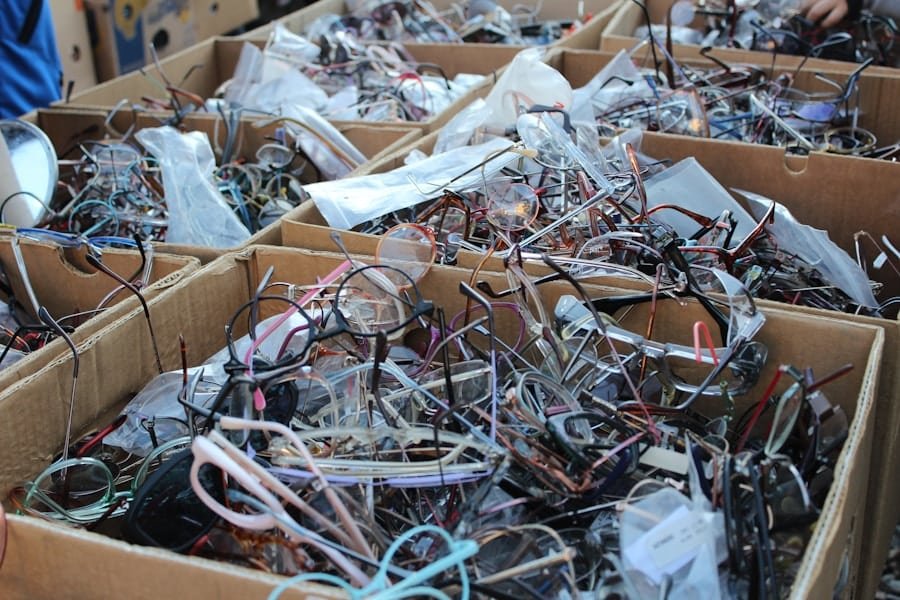
In today’s fast-paced technological landscape, electronic waste, commonly referred to as e-waste, has emerged as a significant global concern. You may not realize it, but every time you upgrade your smartphone, replace your laptop, or discard an old television, you contribute to a growing mountain of discarded electronics. E-waste encompasses a wide range of devices, including computers, mobile phones, televisions, and other electronic gadgets that have reached the end of their useful life.
As technology continues to advance at an unprecedented rate, the volume of e-waste generated worldwide is escalating alarmingly. The sheer scale of this issue is staggering. According to recent estimates, millions of tons of e-waste are produced each year, with only a fraction being recycled or disposed of responsibly.
This growing problem not only poses challenges for waste management systems but also raises critical questions about sustainability and environmental responsibility. As you navigate your daily life, it’s essential to understand the implications of e-waste and the role you play in this complex ecosystem. By becoming more aware of the issues surrounding electronic waste, you can make informed choices that contribute to a healthier planet.
Key Takeaways
- Electronic waste is a growing concern due to the rapid advancement of technology and the resulting increase in electronic products being discarded.
- Systems play a significant role in electronic waste generation, with the constant need for upgrades and replacements contributing to the problem.
- Planned obsolescence, the practice of designing products with a limited lifespan, is a major factor in electronic waste generation and environmental impact.
- Electronic waste has detrimental effects on the environment and human health, with toxic chemicals and heavy metals leaching into soil and water sources.
- Solutions to reduce electronic waste include recycling programs, product longevity, and responsible disposal methods to minimize the impact on the environment and public health.
The Impact of Systems on Electronic Waste Generation
The systems in place for manufacturing, distributing, and disposing of electronic devices significantly influence the amount of e-waste generated. You might not think about it when purchasing a new gadget, but the entire lifecycle of that product—from its creation to its eventual disposal—affects how much waste is produced. Manufacturers often prioritize speed and cost-effectiveness over sustainability, leading to products that are not designed for longevity or easy repair.
This systemic approach results in devices that quickly become obsolete or unusable, contributing to the ever-growing e-waste crisis. Moreover, the global supply chain for electronics is complex and often opaque. You may find it surprising that many components of your devices are sourced from various countries, each with different regulations regarding waste management and environmental protection.
This lack of standardization can lead to poor practices in handling e-waste, as some regions may lack the infrastructure to manage discarded electronics responsibly. As a consumer, understanding these systemic issues can empower you to make choices that support companies prioritizing sustainability and responsible manufacturing practices.
The Role of Planned Obsolescence in Electronic Waste
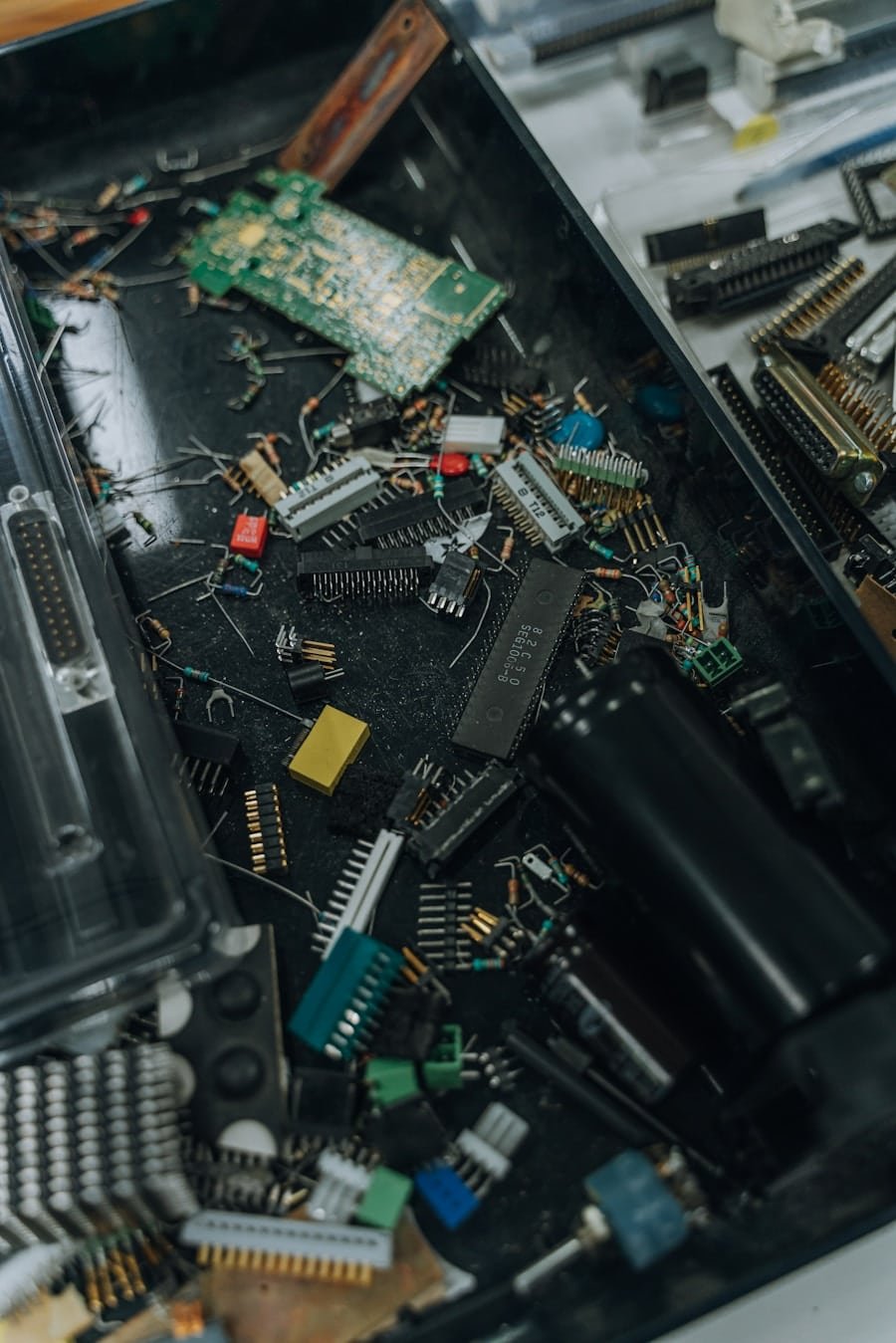
Planned obsolescence is a strategy employed by many manufacturers to encourage consumers to replace their products more frequently than necessary. You may have experienced this firsthand when your once-reliable smartphone suddenly feels sluggish after a software update or when a new model is released with features that make your current device seem outdated. This intentional design choice not only drives sales but also contributes significantly to the accumulation of e-waste.
By creating products that are difficult to repair or upgrade, manufacturers effectively push consumers toward purchasing new devices rather than extending the life of their existing ones. This cycle of consumption fosters a throwaway culture where you might feel compelled to discard perfectly functional electronics simply because they are no longer trendy or compatible with the latest software. Recognizing the impact of planned obsolescence can help you make more conscious decisions about your purchases and encourage manufacturers to adopt more sustainable practices.
The Environmental and Health Effects of Electronic Waste
The environmental consequences of electronic waste are profound and far-reaching. When you dispose of electronics improperly—such as throwing them in the trash—harmful substances like lead, mercury, and cadmium can leach into the soil and water supply. These toxic materials pose significant risks not only to ecosystems but also to human health.
You may not realize it, but exposure to these hazardous substances can lead to serious health issues, including neurological damage and various forms of cancer. In addition to the direct health risks associated with e-waste, the environmental impact extends to resource depletion and pollution. The extraction of raw materials for electronic devices often involves environmentally damaging practices such as mining and deforestation.
When these materials are discarded as e-waste, they represent a lost opportunity for recycling and recovery. By understanding these environmental and health effects, you can appreciate the importance of responsible e-waste management and advocate for practices that protect both people and the planet.
Solutions to Reduce Electronic Waste from Systems
Addressing the e-waste crisis requires a multifaceted approach that involves various stakeholders, including manufacturers, governments, and consumers like yourself. One effective solution is promoting a circular economy model where products are designed for longevity, repairability, and recyclability. By supporting companies that prioritize sustainable practices in their manufacturing processes, you can help drive demand for products that minimize waste and maximize resource efficiency.
Another solution lies in enhancing recycling programs and infrastructure. Many communities offer e-waste recycling events or designated drop-off locations where you can safely dispose of your old electronics. By participating in these programs, you not only ensure that your devices are handled responsibly but also contribute to a larger movement toward sustainable waste management.
Additionally, advocating for policies that support e-waste recycling initiatives can help create systemic changes that reduce overall waste generation.
The Importance of Responsible E-Waste Management
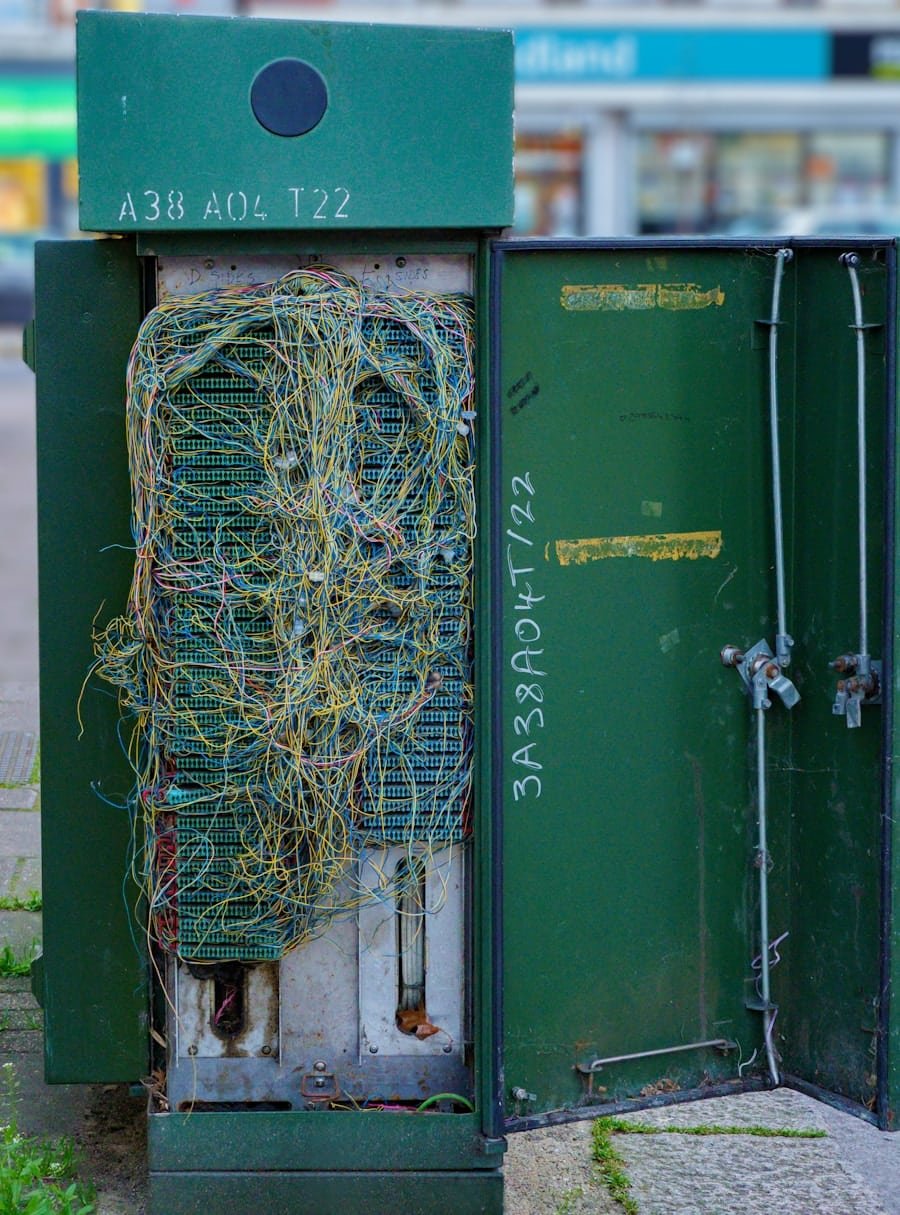
Responsible e-waste management is crucial for mitigating the negative impacts associated with electronic waste. As a consumer, you play a vital role in this process by making informed choices about how you dispose of your old electronics. Rather than simply tossing them in the trash, consider exploring options such as donating functional devices to local charities or schools or participating in recycling programs designed specifically for e-waste.
Moreover, responsible management extends beyond individual actions; it encompasses collective efforts at the community and governmental levels. Supporting legislation that promotes sustainable practices in electronics manufacturing and waste management can lead to significant changes in how e-waste is handled on a larger scale. By advocating for responsible e-waste management practices, you contribute to a healthier environment and a more sustainable future.
The Role of Consumer Behavior in Electronic Waste Generation
Your behavior as a consumer has a direct impact on the generation of electronic waste. The choices you make when purchasing new devices—such as opting for high-quality products designed for longevity or supporting brands committed to sustainability—can influence market trends and encourage manufacturers to adopt more responsible practices. By being mindful of your consumption habits, you can help shift the industry toward more sustainable models.
Additionally, educating yourself about the lifecycle of electronic products can empower you to make better decisions regarding repairs and upgrades. Instead of succumbing to marketing pressures that encourage frequent upgrades, consider whether your current device can be repaired or refurbished. By extending the life of your electronics, you not only reduce e-waste but also save money in the long run.
The Future of Electronic Waste and Systems
As technology continues to evolve rapidly, the future of electronic waste presents both challenges and opportunities. You may find it encouraging that there is a growing awareness of the need for sustainable practices within the tech industry. Innovations such as modular design—where components can be easily replaced or upgraded—are gaining traction as manufacturers recognize the importance of creating products that last longer and generate less waste.
However, challenges remain as consumer demand for new technology persists unabated. The key to addressing these challenges lies in fostering a culture of sustainability among consumers and manufacturers alike. By prioritizing responsible consumption and advocating for systemic changes in how electronics are produced and disposed of, you can play an active role in shaping a future where electronic waste is minimized and managed effectively.
In conclusion, electronic waste is a pressing issue that requires collective action from individuals, businesses, and governments alike. By understanding the complexities surrounding e-waste generation and management, you can make informed choices that contribute to a more sustainable future. Your actions matter—whether it’s opting for longer-lasting products, participating in recycling programs, or advocating for responsible practices within the tech industry.
Together, we can work toward reducing electronic waste and protecting our planet for generations to come.
There is an interesting article on oursecurehome.net that delves into the environmental impact of electronic waste generated by home security systems. The article discusses how outdated systems contribute to the growing e-waste problem and offers solutions for responsible disposal. It is a thought-provoking read that sheds light on the importance of sustainable practices in the home security industry.
FAQs
What is electronic waste (e-waste)?
Electronic waste, or e-waste, refers to discarded electronic devices such as computers, mobile phones, and other electronic equipment. These devices contain hazardous materials and should be disposed of properly to prevent environmental and health risks.
Do systems generate electronic waste?
Yes, systems such as computers, servers, and networking equipment generate electronic waste when they reach the end of their life cycle or are replaced with newer models. These devices contain components that can be harmful to the environment if not disposed of properly.
How can electronic waste be managed?
Electronic waste can be managed through proper recycling and disposal methods. Many countries have regulations in place for the proper handling of e-waste, including recycling programs and designated collection points for electronic devices.
What are the environmental impacts of electronic waste?
Improper disposal of electronic waste can lead to environmental pollution and health hazards. E-waste contains toxic substances such as lead, mercury, and cadmium, which can contaminate soil and water if not handled correctly.
What are some ways to reduce electronic waste?
To reduce electronic waste, individuals and organizations can consider options such as extending the lifespan of electronic devices through upgrades and maintenance, donating or recycling old devices, and purchasing products with longer life spans and recyclable components.