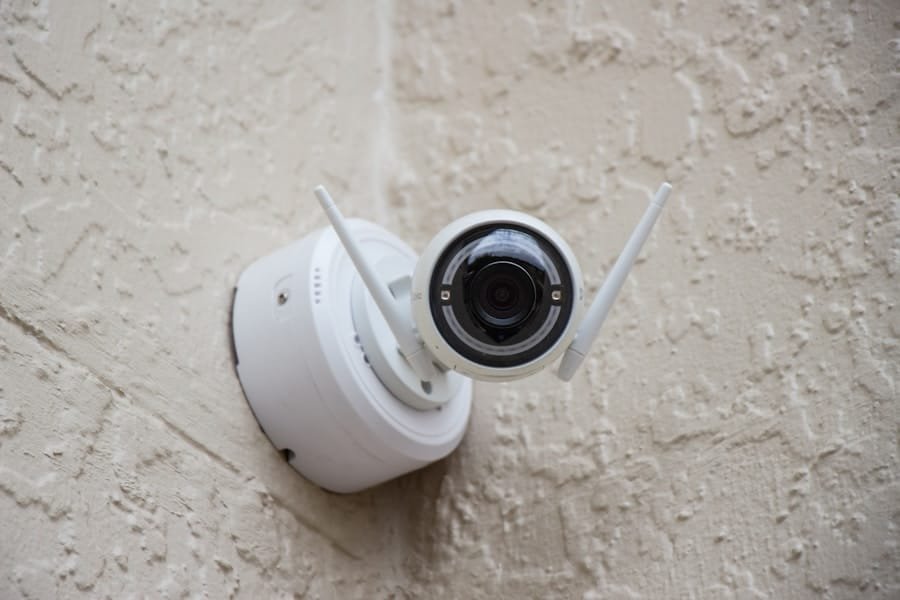
In today’s fast-paced world, ensuring the safety of your children is a top priority for many parents. One innovative solution that has gained traction is the use of home security systems to monitor children. These systems, traditionally designed to protect homes from intruders, have evolved to include features that allow parents to keep an eye on their little ones, whether they are playing in the backyard or spending time in their rooms.
By integrating cameras, motion sensors, and smart technology, these systems provide a comprehensive way to ensure your child’s safety while also giving you peace of mind. Using a home security system for child monitoring can be particularly beneficial in various scenarios. For instance, if you have young children who are just beginning to explore their surroundings, having a security camera can help you keep track of their activities without hovering over them constantly.
Additionally, as children grow older and start to gain more independence, these systems can serve as a tool for parents to ensure their safety while allowing them the freedom to explore. This dual purpose of security and independence is what makes home security systems an appealing option for many families.
Key Takeaways
- Using a home security system to monitor children provides peace of mind for parents and caregivers
- Pros of using a home security system for child monitoring include remote access, real-time alerts, and video recording
- Cons of using a home security system for child monitoring include potential invasion of privacy and ethical concerns
- Features and technology for using a home security system to monitor kids include motion sensors, two-way audio, and mobile app integration
- Setting boundaries and guidelines is crucial when using a home security system for child monitoring to maintain trust and respect
- Alternative methods for monitoring children without relying solely on a home security system include GPS trackers, smartwatches, and traditional baby monitors
- Legal considerations for using a home security system for child monitoring may include consent, data protection, and surveillance laws
- In conclusion, using a home security system to monitor children can be beneficial with proper consideration of privacy, ethics, and legal implications
Pros and Cons: Discussing the advantages and disadvantages of using a home security system for child monitoring
When considering the use of a home security system for monitoring your children, it’s essential to weigh the pros and cons carefully. On the positive side, one of the most significant advantages is the enhanced safety it provides. With real-time monitoring capabilities, you can quickly respond to any potential dangers or emergencies.
Whether it’s a child wandering too far from home or an unexpected visitor, having a security system in place allows you to act swiftly and decisively. Moreover, many modern home security systems come equipped with features such as two-way audio and mobile alerts. This means you can communicate with your child directly through the system, providing reassurance when they need it most.
Additionally, these systems can help instill a sense of responsibility in older children, as they learn to navigate their independence while knowing that you are keeping an eye on them. However, it’s crucial to consider the downsides as well. One potential disadvantage is the cost associated with installing and maintaining a home security system.
Depending on the features you choose, this can become a significant financial commitment. Another concern is the potential for over-reliance on technology. While having a security system can enhance safety, it may also lead to parents feeling less inclined to engage directly with their children or monitor their activities in person.
This detachment can hinder the development of trust and communication between parents and children. Additionally, there’s the risk of false alarms or technical malfunctions that could cause unnecessary panic or confusion. Balancing these pros and cons is vital in determining whether a home security system is the right choice for your family.
Privacy and Ethics: Exploring the privacy and ethical considerations of using a home security system to monitor children
As you contemplate using a home security system for child monitoring, it’s essential to address the privacy and ethical implications that come with this decision. One of the primary concerns revolves around the invasion of privacy. Children, especially as they grow older, may feel uncomfortable knowing they are being watched at all times.
This constant surveillance can lead to feelings of mistrust and resentment, potentially damaging the parent-child relationship. Moreover, ethical considerations arise regarding consent and autonomy. Young children may not fully understand the implications of being monitored, while older children may feel their independence is being undermined.
It’s crucial to engage in open conversations with your children about why monitoring is necessary and how it contributes to their safety. By fostering an environment of trust and understanding, you can mitigate some of the negative feelings associated with surveillance. Additionally, there are broader societal implications to consider.
The normalization of surveillance in everyday life raises questions about how we view privacy in general. As technology continues to advance, it’s essential to reflect on how these tools impact our values and relationships. Striking a balance between ensuring safety and respecting privacy is key to navigating these ethical dilemmas effectively.
Features and Technology: Detailing the specific features and technology available for using a home security system to monitor kids
When it comes to selecting a home security system for child monitoring, understanding the available features and technology is crucial. Many modern systems offer high-definition cameras that provide clear video feeds, allowing you to see exactly what your child is doing at any given moment. Some cameras even come equipped with night vision capabilities, ensuring that you can monitor your child even in low-light conditions.
Another valuable feature is motion detection technology. This allows you to receive alerts when movement is detected in specific areas of your home or yard. For instance, if your child ventures outside without permission, you’ll be notified immediately, enabling you to intervene if necessary.
Additionally, many systems now offer smartphone integration, allowing you to access live feeds and receive notifications directly on your mobile device. This level of connectivity ensures that you can stay informed about your child’s activities no matter where you are. Furthermore, some advanced systems include two-way audio functionality, enabling you to communicate with your child through the camera.
This feature can be particularly useful for reassuring younger children who may feel anxious when left alone or for checking in with older kids who are home alone after school. Other technologies such as geofencing can alert you if your child leaves designated safe zones, providing an extra layer of security. By understanding these features, you can choose a system that best meets your family’s needs.
Setting Boundaries: Addressing the importance of setting boundaries and guidelines when using a home security system for child monitoring
Establishing clear boundaries and guidelines is essential when implementing a home security system for child monitoring. Open communication with your children about why you are using this technology is vital in fostering trust and understanding. Discussing the purpose behind monitoring—primarily safety—can help alleviate any feelings of resentment or discomfort they may have regarding surveillance.
It’s also important to set specific rules about when and how monitoring will take place. For example, you might decide that cameras will only be active during certain hours or that they will not be placed in private areas such as bedrooms or bathrooms. By creating these boundaries, you respect your child’s privacy while still ensuring their safety.
Involving your children in this process can empower them and make them feel more comfortable with the idea of being monitored. Additionally, regularly revisiting these boundaries as your children grow older is crucial. As they gain more independence, it may be necessary to adjust monitoring practices accordingly.
Engaging in ongoing conversations about privacy and safety will help maintain a healthy balance between protection and autonomy.
Alternatives: Exploring alternative methods for monitoring children without relying solely on a home security system
Wearable Technology for Kids
One option is utilizing wearable technology such as smartwatches designed for kids. These devices often come equipped with GPS tracking capabilities, allowing you to know your child’s location without constant video surveillance.
Regular Check-in Routines
Another alternative is establishing regular check-in routines with your children. For instance, setting specific times for them to call or text you when they arrive at school or return home can foster responsibility while keeping you informed about their whereabouts. This method encourages open communication and helps build trust between you and your child.
Natural Supervision through Community Activities
Additionally, engaging in community activities or playdates can provide natural supervision without relying solely on technology. By fostering relationships with other parents and caregivers in your neighborhood, you create a support network that allows for shared responsibility in keeping an eye on each other’s children.
Legal Considerations: Discussing any legal implications or regulations related to using a home security system for child monitoring
When implementing a home security system for child monitoring, it’s essential to be aware of any legal implications or regulations that may apply in your area. Laws regarding surveillance vary significantly from one jurisdiction to another; therefore, understanding local regulations is crucial before installing cameras or other monitoring devices. In many places, it is legal to install cameras in public areas of your home where there is no expectation of privacy; however, placing cameras in private spaces such as bathrooms or bedrooms may violate privacy laws.
Additionally, if your system includes audio recording capabilities, there may be additional legal considerations regarding consent from individuals being recorded. It’s also important to consider how data collected by these systems is stored and used. Many companies have specific policies regarding data retention and sharing; understanding these policies will help ensure that you are compliant with any relevant laws while also protecting your family’s privacy.
Summarizing the key points and considerations for using a home security system to monitor kids
In conclusion, using a home security system for monitoring children presents both opportunities and challenges that require careful consideration. The advantages include enhanced safety through real-time monitoring and communication capabilities; however, potential drawbacks such as privacy concerns and over-reliance on technology must also be addressed. Establishing clear boundaries and guidelines is essential in fostering trust between parents and children while ensuring safety.
Exploring alternative methods for monitoring children can provide additional layers of support without solely relying on technology. Furthermore, being aware of legal implications surrounding surveillance practices will help ensure compliance with local regulations while protecting your family’s privacy. Ultimately, finding the right balance between safety and autonomy is key when deciding whether a home security system is appropriate for your family’s needs.
By engaging in open conversations with your children about monitoring practices and respecting their privacy, you can create an environment that prioritizes both safety and trust.
If you are considering using your home security system to monitor your kids, you may want to read the article on home security system service in Raleigh, North Carolina. This article may provide valuable information on the different features and options available for monitoring your children through your home security system.
FAQs
What is a home security system?
A home security system is a network of integrated electronic devices designed to secure a home against intruders and other potential dangers such as fire and carbon monoxide.
Can I use my home security system to monitor my kids?
Yes, some home security systems offer features that allow you to monitor your kids while you are away from home. This can include live video feeds, motion sensors, and alerts sent to your smartphone.
What are the benefits of using a home security system to monitor my kids?
Using a home security system to monitor your kids can provide peace of mind, allow you to check in on them while you are away, and ensure their safety and well-being.
Are there any privacy concerns with using a home security system to monitor my kids?
Yes, there are potential privacy concerns with using a home security system to monitor your kids. It’s important to have open communication with your kids about the use of the system and to respect their privacy.
What are some considerations to keep in mind when using a home security system to monitor my kids?
Considerations to keep in mind include the placement of cameras to respect privacy, setting up appropriate alerts and notifications, and discussing the use of the system with your kids to ensure they feel comfortable and safe.