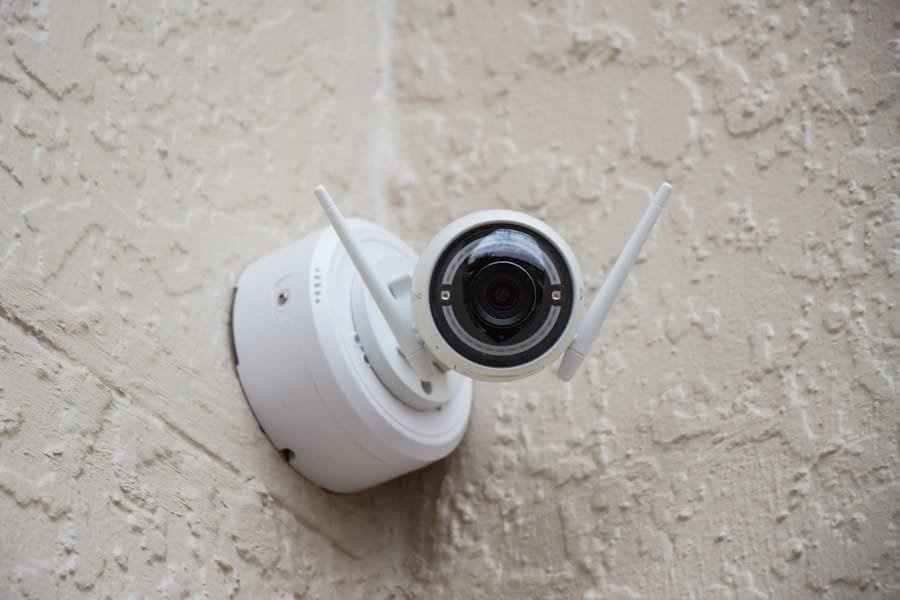
In an age where technology permeates every aspect of our lives, home security devices have emerged as essential tools for safeguarding your home and loved ones. These devices range from simple doorbell cameras to sophisticated alarm systems that integrate with smart home technology. As you navigate the complexities of modern living, the importance of securing your home cannot be overstated.
With rising crime rates and increasing awareness of personal safety, investing in home security devices has become a priority for many homeowners. You may find yourself wondering what options are available and how they can enhance your peace of mind. Home security devices not only deter potential intruders but also provide you with real-time monitoring capabilities.
Whether you are at home or away, these devices can keep you informed about any unusual activity around your property. As you delve deeper into the world of home security, you will discover the various functionalities and features that can be tailored to meet your specific needs.
Key Takeaways
- Home security devices are designed to protect homes and occupants from potential threats.
- These devices function by detecting and alerting homeowners to potential security breaches.
- Some home security devices have the capability to call emergency services in the event of a security breach.
- Programming home security devices to call emergency services can be challenging due to technical limitations and potential errors.
- While home security devices calling emergency services can provide quick response in emergencies, there are also drawbacks such as false alarms and privacy concerns.
The Functionality of Home Security Devices
Home security devices come equipped with a variety of functionalities designed to protect your property. At their core, these devices serve to detect unauthorized access and alert you to potential threats. For instance, motion sensors can be strategically placed around your home to monitor movement, while door and window sensors can notify you if an entry point is breached.
You may also consider installing surveillance cameras that provide live feeds and recorded footage, allowing you to keep an eye on your property from anywhere in the world. In addition to traditional security measures, many modern devices offer smart technology integration. This means that you can control your security system remotely through a smartphone app, giving you the ability to arm or disarm your system, view camera feeds, and receive alerts in real time.
The convenience of managing your home security from the palm of your hand cannot be underestimated. As you explore these functionalities, you will likely appreciate how they can be customized to fit your lifestyle and enhance your overall sense of security.
The Potential for Home Security Devices to Call Emergency Services
One of the most significant advancements in home security technology is the ability for devices to automatically call emergency services when a threat is detected. Imagine a scenario where an intruder breaks into your home; with the right system in place, your security device could immediately alert the police or fire department without any action required on your part. This feature not only saves precious time but also ensures that help is on the way even if you are unable to make the call yourself.
The integration of emergency services calling capabilities into home security devices represents a major leap forward in personal safety. You may find comfort in knowing that your system is equipped to handle emergencies autonomously. This functionality can be particularly beneficial for individuals who may have mobility issues or those who live alone.
By having a reliable system that can contact emergency services on your behalf, you can feel more secure in your living environment.
The Challenges and Limitations of Programming Home Security Devices to Call Emergency Services
While the ability for home security devices to call emergency services is undoubtedly advantageous, it is not without its challenges and limitations. One primary concern is the potential for false alarms. If your system is overly sensitive or improperly configured, it may trigger emergency services unnecessarily, leading to wasted resources and potential fines.
You may find yourself in a situation where repeated false alarms could strain your relationship with local law enforcement. Another challenge lies in the programming and setup of these systems. Depending on the complexity of your device, configuring it to call emergency services may require technical knowledge or assistance from professionals.
You might encounter difficulties in ensuring that the correct contact information is programmed into the system or that it functions seamlessly with other smart home devices. As you consider these challenges, it becomes clear that while the benefits are significant, careful planning and execution are essential for optimal performance.
The Benefits and Drawbacks of Home Security Devices Calling Emergency Services
The decision to enable your home security devices to call emergency services comes with both benefits and drawbacks that warrant careful consideration. On one hand, having a system that can automatically alert authorities provides an added layer of protection and peace of mind. In critical situations, every second counts, and knowing that help is on the way can be invaluable.
This feature can also serve as a deterrent for potential intruders who are aware that their actions may trigger an immediate response from law enforcement. Conversely, there are drawbacks to consider as well. As previously mentioned, false alarms can lead to unnecessary panic and strain on emergency services.
Additionally, there may be privacy concerns associated with having devices that are constantly monitoring your home environment. You might worry about how data collected by these devices is used or shared, raising questions about surveillance and personal privacy. Balancing these benefits and drawbacks is crucial as you make decisions about your home security setup.
The Legal and Ethical Considerations of Home Security Devices Calling Emergency Services
Consequences of Non-Compliance
Failing to comply with these regulations could result in fines or penalties that could negate the benefits of having a security system in place.
Ethical Considerations in Home Security
There are also ethical questions surrounding privacy and consent when it comes to monitoring technology. You may need to consider how surveillance footage is stored and who has access to it. Additionally, if you live in a shared space or have guests frequently visiting your home, it’s important to communicate openly about the Presence of Security Devices.
Creating a Responsible Approach to Home Security
By addressing these legal and ethical considerations upfront, you can create a more transparent and responsible approach to home security.
Tips and Best Practices for Programming Home Security Devices to Call Emergency Services
To maximize the effectiveness of your home security devices in calling emergency services, there are several tips and best practices you should follow. First and foremost, ensure that you thoroughly read the user manual for your specific device model. Understanding its features and capabilities will help you configure it correctly for emergency calls.
You might also want to consult online resources or forums where other users share their experiences and tips. Another important step is to regularly test your system to ensure it functions as intended. Schedule routine checks to verify that emergency contacts are up-to-date and that the device can successfully connect with local authorities when needed.
Additionally, consider setting up notifications on your smartphone so that you receive alerts whenever an emergency call is made or if there are any issues with the system itself. By staying proactive about maintenance and updates, you can enhance the reliability of your home security setup.
Conclusion and Future Developments in Home Security Device Technology
As technology continues to evolve, so too will the capabilities of home security devices. The future holds exciting possibilities for enhanced features such as artificial intelligence-driven monitoring systems that can differentiate between normal activity and potential threats more accurately than ever before. You may find yourself benefiting from advancements like facial recognition technology or smart analytics that provide insights into patterns of behavior around your property.
In conclusion, investing in home security devices that can call emergency services offers numerous advantages while also presenting challenges that require careful consideration. By understanding their functionality, addressing legal and ethical concerns, and following best practices for programming these systems, you can create a safer living environment for yourself and your loved ones. As technology progresses, staying informed about new developments will empower you to make informed decisions about how best to protect your home in an ever-changing landscape of security solutions.
There are many factors to consider when choosing a home security system, including whether or not it can be programmed to call emergency services. According to a recent article on oursecurehome.net, some home security devices do have the capability to automatically contact emergency services in the event of a break-in or other emergency situation. This added layer of protection can provide homeowners with peace of mind knowing that help will be on the way quickly if needed.
FAQs
What are home security devices?
Home security devices are electronic systems designed to protect homes from intruders, fire, and other emergencies. These devices can include alarms, cameras, motion sensors, and smart locks.
Can home security devices be programmed to call emergency services?
Yes, many home security devices can be programmed to call emergency services in the event of a break-in, fire, or other emergency. This feature is often available through a monitoring service or a connected app.
How do home security devices call emergency services?
Home security devices can call emergency services by using a monitoring service that is notified when an alarm is triggered. The monitoring service then contacts the appropriate emergency services on behalf of the homeowner.
What types of emergencies can home security devices call for?
Home security devices can be programmed to call for a variety of emergencies, including break-ins, fires, medical emergencies, and carbon monoxide leaks.
Are there any limitations to home security devices calling emergency services?
Some limitations to consider include the need for a reliable internet or cellular connection, as well as the potential for false alarms triggering unnecessary emergency responses. It’s important to carefully consider the programming and settings of home security devices to minimize these limitations.