When you think about your home security system, it’s easy to focus on the visible components like cameras, alarms, and motion sensors. However, it’s crucial to recognize that these systems have limitations. While they are designed to protect against intruders and external threats, they often do not account for internal dangers such as gas leaks or carbon monoxide buildup.
You might feel secure with your surveillance cameras and alarm systems, but overlooking these potential hazards can leave you vulnerable to serious health risks. Moreover, many traditional security systems are not equipped to detect gas or carbon monoxide. This oversight can be particularly dangerous because these gases are colorless and odorless, making them nearly impossible to detect without specialized equipment.
You may believe that your security system is comprehensive, but understanding its limitations is essential for ensuring your overall safety. By acknowledging these gaps, you can take proactive steps to enhance your home’s safety measures.
Key Takeaways
- Understand the limitations of your security system, including its ability to detect gas and carbon monoxide leaks.
- Gas and carbon monoxide detection is crucial for protecting your home and family from potential harm.
- Integrating gas and carbon monoxide detectors with your security system can provide added peace of mind and convenience.
- There are different types of gas and carbon monoxide detectors available, each with its own features and benefits.
- Monitoring and alerting for gas and carbon monoxide leaks can help ensure a quick response in case of an emergency.
The Importance of Gas and Carbon Monoxide Detection
Gas and carbon monoxide detection is not just an added layer of safety; it is a fundamental necessity for any household. Natural gas is commonly used for heating and cooking, but it can be highly dangerous if a leak occurs. Even a small amount of gas escaping into your home can lead to explosions or fires.
Similarly, carbon monoxide is a byproduct of combustion and can accumulate in enclosed spaces, posing severe health risks. You might not realize that carbon monoxide poisoning can occur even when appliances are functioning correctly, making detection all the more critical. The importance of these detectors cannot be overstated.
They serve as your first line of defense against invisible threats that could compromise your health and safety. By installing gas and carbon monoxide detectors, you are taking a proactive approach to safeguarding your home and loved ones. These devices provide peace of mind, allowing you to focus on your daily life without the constant worry of hidden dangers lurking in your environment.
Integrating Gas and Carbon Monoxide Detectors with Your Security System
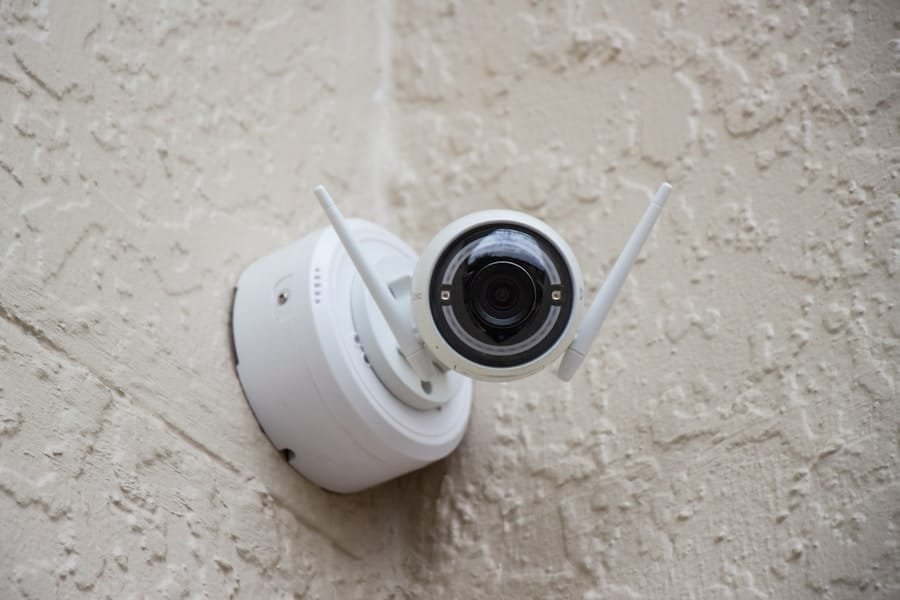
Integrating gas and carbon monoxide detectors with your existing security system can significantly enhance your home’s safety profile. Many modern security systems offer compatibility with various sensors, allowing you to create a comprehensive safety network. By linking these detectors to your security system, you can receive real-time alerts on your smartphone or through your home’s control panel if a leak is detected.
This integration ensures that you are always informed, even when you are away from home. Additionally, integrating these detectors can streamline your emergency response. In the event of a gas leak or carbon monoxide detection, your security system can automatically alert emergency services, providing them with critical information about the situation.
This feature can be invaluable in ensuring a swift response, potentially saving lives and minimizing damage. You may find that this level of integration not only enhances safety but also adds convenience to your daily routine.
Types of Gas and Carbon Monoxide Detectors
When it comes to choosing gas and carbon monoxide detectors, you have several options available to you. There are standalone detectors that specifically monitor either gas or carbon monoxide levels, as well as combination units that can detect both simultaneously. Standalone units are often more affordable and easier to install, making them a popular choice for many homeowners.
However, combination units provide the advantage of monitoring multiple threats with a single device, which can be particularly beneficial in smaller spaces. Another consideration is the type of technology used in the detectors. Some models utilize electrochemical sensors, which are highly sensitive and provide accurate readings of carbon monoxide levels.
Others may use metal oxide semiconductor sensors for gas detection, which can be effective but may require more frequent calibration. As you explore your options, think about the specific needs of your household and choose detectors that align with those requirements.
Monitoring and Alerting for Gas and Carbon Monoxide Leaks
Effective monitoring and alerting systems are essential for ensuring that you are promptly informed of any gas or carbon monoxide leaks in your home. Many modern detectors come equipped with smart technology that allows them to send alerts directly to your smartphone or other connected devices. This feature means that even if you are not at home, you will still receive notifications if a leak is detected, enabling you to take immediate action.
In addition to mobile alerts, some systems offer voice alerts that announce the specific type of danger detected. This feature can be particularly helpful in distinguishing between a gas leak and carbon monoxide presence, allowing you to respond appropriately. You may also want to consider systems that integrate with home automation platforms, enabling you to create customized alerts based on your preferences.
By investing in advanced monitoring technology, you can ensure that you are always aware of potential hazards in your home.
DIY vs Professional Installation for Gas and Carbon Monoxide Detection
Is DIY Installation Right for You?
If you feel comfortable following instructions and have a good understanding of your home’s layout, DIY installation might be a viable option for you.
The Advantages of Professional Installation
On the other hand, professional installation offers several advantages that should not be overlooked. Professionals have the expertise to ensure that detectors are placed in optimal locations for maximum effectiveness. They can also provide guidance on the best types of detectors for your specific needs and ensure that everything is functioning correctly upon installation.
Peace of Mind with Professional Installation
If you prefer peace of mind knowing that everything has been installed correctly and safely, hiring a professional may be the best choice for you.
Tips for Maintaining and Testing Gas and Carbon Monoxide Detectors
Once you have installed gas and carbon monoxide detectors in your home, regular maintenance is crucial for ensuring their effectiveness. One of the most important tasks is testing the detectors monthly to confirm they are functioning properly. Most models come equipped with a test button that allows you to check their operation easily.
By incorporating this simple task into your monthly routine, you can catch any issues early on before they become serious problems. In addition to regular testing, it’s essential to replace the batteries in your detectors at least once a year or whenever they emit low-battery alerts. You should also familiarize yourself with the lifespan of your detectors; many models need replacement every five to seven years.
Keeping track of these timelines will help ensure that your home remains protected against gas leaks and carbon monoxide buildup.
What to Do in Case of a Gas Leak or Carbon Monoxide Emergency
In the unfortunate event of a gas leak or carbon monoxide emergency, knowing how to respond quickly can make all the difference. If you detect a gas leak—indicated by a hissing sound or an odor similar to rotten eggs—immediately evacuate everyone from the premises without using any electrical devices or open flames that could ignite the gas. Once outside, call emergency services from a safe distance to report the leak.
In the case of carbon monoxide detection, if your alarm goes off, evacuate everyone from the building immediately and seek fresh air outside. Symptoms of carbon monoxide poisoning include headaches, dizziness, confusion, and nausea; if anyone exhibits these symptoms, seek medical attention right away. Remember that time is of the essence in these situations; acting quickly can save lives and prevent serious harm.
By understanding the limitations of your security system and taking proactive measures to integrate gas and carbon monoxide detection into your home safety plan, you can significantly enhance your protection against these invisible threats. Regular maintenance and proper response protocols will further ensure that you and your loved ones remain safe in any situation.
If you are looking to protect your home with professional security services, you may also be interested in learning about the importance of home security in keeping your loved ones safe. This article discusses the various ways in which a home security system can provide peace of mind and added protection for your family. It highlights the benefits of having a reliable security system in place, including the ability to detect potential dangers such as gas leaks or carbon monoxide.
FAQs
What is a security system?
A security system is a network of integrated electronic devices designed to protect a property from intruders and other potential threats.
Can a security system detect gas leaks?
Some security systems are equipped with gas leak detectors that can sense the presence of natural gas or propane in the air. When a gas leak is detected, the system can alert the homeowner and/or monitoring service.
Can a security system detect carbon monoxide?
Many security systems offer carbon monoxide detectors as an additional feature. These detectors can sense the presence of carbon monoxide gas, which is colorless, odorless, and potentially deadly. When carbon monoxide is detected, the system can sound an alarm and notify the homeowner and/or monitoring service.
How do gas leak and carbon monoxide detectors work in a security system?
Gas leak and carbon monoxide detectors in a security system typically use sensors to monitor the air for the presence of these gases. When a certain level of gas is detected, the detector triggers an alarm and/or sends a notification to the homeowner and/or monitoring service.
Are security system gas leak and carbon monoxide detectors reliable?
When properly installed and maintained, gas leak and carbon monoxide detectors in a security system can be reliable in detecting the presence of these gases. It is important to regularly test and replace the detectors as recommended by the manufacturer to ensure their reliability.