When you invest in a security system, it’s essential to grasp its full capabilities. Your security system is not just a collection of cameras and alarms; it’s a comprehensive network designed to protect your home or business from various threats. Understanding these capabilities allows you to maximize the effectiveness of your system.
For instance, many modern security systems come equipped with features such as remote monitoring, motion detection, and even integration with smart home devices. By familiarizing yourself with these functionalities, you can tailor your security measures to fit your specific needs. Moreover, knowing the capabilities of your security system can help you identify potential gaps in your protection.
For example, if your system includes video surveillance but lacks smoke and fire detection, you may be leaving yourself vulnerable to fire hazards. By understanding what your system can do, you can make informed decisions about additional components you might need, ensuring that you have a robust defense against all types of emergencies. This knowledge empowers you to create a safer environment for yourself and your loved ones.
Key Takeaways
- Understanding the capabilities of your security system is crucial for maximizing its effectiveness in smoke and fire detection.
- Integrating smoke and fire detection with your security system provides a comprehensive approach to protecting your property and occupants.
- Choosing the right smoke and fire detectors for your security system involves considering factors such as sensor type, power source, and connectivity options.
- Setting up and testing smoke and fire detection with your security system ensures that the system is properly installed and functioning as intended.
- Monitoring and alerting for smoke and fire events allows for timely response and intervention to minimize potential damage and harm.
Integrating Smoke and Fire Detection with Your Security System
Integrating smoke and fire detection into your existing security system is a crucial step in enhancing your overall safety. Many modern security systems allow for seamless integration of smoke detectors, which can provide an added layer of protection against fire hazards. When smoke or heat is detected, these integrated systems can trigger alarms, notify monitoring services, and even send alerts directly to your smartphone.
This level of connectivity ensures that you are always informed, regardless of where you are. Additionally, integrating smoke and fire detection with your security system can streamline your emergency response. Instead of relying on separate systems that may not communicate with each other, an integrated approach allows for a coordinated response in the event of a fire.
For instance, when smoke is detected, not only will the alarm sound, but the system can also unlock doors for easy evacuation or alert emergency services automatically. This synergy between different components of your security system can significantly enhance your safety and peace of mind.
Choosing the Right Smoke and Fire Detectors for Your Security System
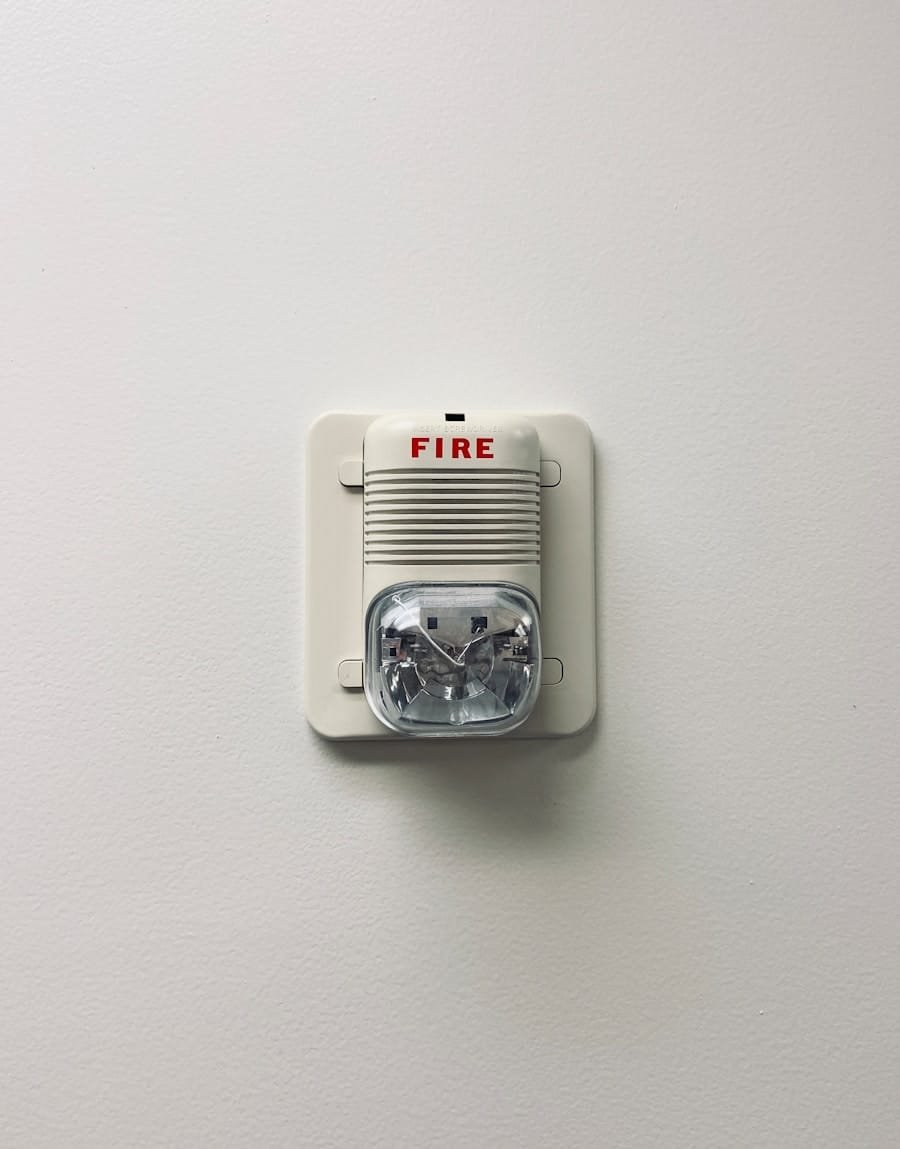
Selecting the appropriate smoke and fire detectors for your security system is vital to ensure optimal performance. There are various types of detectors available, including ionization detectors, photoelectric detectors, and dual-sensor models. Each type has its strengths and weaknesses, so understanding these differences is key to making an informed choice.
For example, ionization detectors are generally more responsive to flaming fires, while photoelectric detectors are better at detecting smoldering fires. Depending on your specific environment and potential fire risks, one type may be more suitable than another. In addition to the type of detector, consider the features that may enhance their functionality within your security system.
Some detectors come equipped with smart technology that allows them to connect to your home network, enabling remote monitoring and alerts via smartphone apps. Others may include voice alerts or self-testing capabilities to ensure they are functioning correctly. By evaluating these features alongside the type of detector, you can choose a solution that not only fits seamlessly into your security system but also provides the best protection for your home or business.
Setting Up and Testing Smoke and Fire Detection with Your Security System
Once you have chosen the right smoke and fire detectors for your security system, the next step is setting them up correctly. Proper installation is crucial for ensuring that the detectors function as intended. Follow the manufacturer’s guidelines closely, paying attention to placement recommendations.
For instance, smoke detectors should be installed on every level of your home and near sleeping areas to ensure maximum effectiveness. If you’re integrating these detectors with an existing security system, make sure they are connected properly to avoid any communication issues. After installation, testing your smoke and fire detection system is essential to confirm that everything is working correctly.
Regular testing should be part of your routine maintenance plan. Most detectors have a test button that allows you to check their functionality easily. Additionally, consider conducting a full system test that includes all components of your security system to ensure they work together seamlessly.
This proactive approach not only gives you peace of mind but also helps identify any potential issues before they become critical.
Monitoring and Alerting for Smoke and Fire Events
Monitoring and alerting for smoke and fire events are integral components of an effective security system. Many modern systems offer 24/7 monitoring services that can detect smoke or fire incidents in real-time. When an alarm is triggered, monitoring personnel can quickly assess the situation and take appropriate action, such as contacting emergency services on your behalf.
This immediate response can be crucial in minimizing damage and ensuring safety during a fire emergency. In addition to professional monitoring services, many systems also provide personal alerts through mobile apps or text messages. This feature allows you to stay informed about potential threats even when you’re away from home.
Imagine being at work or on vacation and receiving an alert about smoke detected in your home; this information empowers you to take swift action or alert authorities if necessary. By leveraging both professional monitoring and personal alerts, you can create a comprehensive safety net that keeps you informed and prepared for any situation.
Responding to Smoke and Fire Alarms from Your Security System
Assessing the Situation
If you are at home, evacuate immediately while ensuring that everyone else is aware of the alarm. Familiarize yourself with escape routes in advance so that you can exit quickly without confusion.
Responding from a Distance
If you are away from home, rely on the alerts from your monitoring service or mobile app to guide your response. In some cases, it may be tempting to investigate the source of the alarm before evacuating; however, this can be dangerous.
Prioritizing Safety
Smoke inhalation poses significant risks even before flames become visible. Instead, prioritize getting yourself and others to safety first. Once outside, call emergency services if they have not already been notified by your monitoring service. Providing them with accurate information about the situation can help them respond more effectively when they arrive on the scene.
Maintaining and Upgrading Smoke and Fire Detection in Your Security System
Regular maintenance of your smoke and fire detection system is essential for ensuring its reliability over time. This includes checking batteries in battery-operated detectors at least once a year and replacing them as needed. Additionally, clean the detectors periodically to remove dust or debris that could interfere with their functionality.
Many manufacturers recommend replacing smoke detectors every ten years; keeping track of this timeline will help ensure that you always have reliable protection. As technology advances, consider upgrading your smoke and fire detection components as well. Newer models may offer enhanced features such as improved sensitivity or connectivity options that integrate better with modern security systems.
Staying informed about advancements in fire detection technology can help you make decisions that enhance your safety measures over time. By prioritizing maintenance and considering upgrades when necessary, you can ensure that your smoke and fire detection system remains effective in protecting you from potential hazards.
Exploring Additional Features and Benefits of Smoke and Fire Detection with Your Security System
Beyond basic functionality, many smoke and fire detection systems offer additional features that can enhance their effectiveness within your overall security setup. For instance, some systems include carbon monoxide detection capabilities, providing comprehensive protection against multiple hazards in one device. This integration simplifies monitoring by consolidating various safety functions into a single unit.
Furthermore, advanced systems may offer features such as voice alerts that provide clear instructions during an emergency or smart technology that allows for remote control via smartphone apps. These innovations not only improve user experience but also increase the likelihood of a timely response during critical situations. By exploring these additional features, you can customize your smoke and fire detection system to meet your specific needs while maximizing its benefits within your overall security framework.
In conclusion, understanding the capabilities of your security system and integrating smoke and fire detection components is essential for creating a safe environment. By choosing the right detectors, setting them up correctly, monitoring events effectively, responding appropriately during emergencies, maintaining equipment regularly, and exploring additional features, you can significantly enhance your safety measures against fire hazards. Investing time in these areas will ultimately provide peace of mind knowing that you have taken proactive steps to protect yourself and those around you from potential dangers.
If you are interested in learning more about home security systems and services, you may want to check out this article on home security system services in Pittsburgh, Pennsylvania. This article provides valuable information on the different types of security systems available and how they can help protect your home. Additionally, if you are looking for ways to organize and safeguard your belongings, you may also want to read this article on secure home storage solutions. These articles can provide you with useful tips and insights on how to enhance the security and safety of your home.
FAQs
What is a security system?
A security system is a network of integrated electronic devices designed to protect a property from intruders and other potential threats.
Can a security system detect smoke or fire?
Yes, many modern security systems are equipped with smoke and fire detectors as part of their overall functionality.
How do smoke and fire detectors work in a security system?
Smoke and fire detectors in a security system typically use sensors to detect the presence of smoke or excessive heat. When triggered, they can sound an alarm and alert the monitoring service or the homeowner.
Are there different types of smoke and fire detectors for security systems?
Yes, there are different types of smoke and fire detectors, including ionization detectors, photoelectric detectors, and combination detectors, each designed to detect different types of fires.
Can I integrate my security system with other fire safety devices?
Yes, many security systems can be integrated with other fire safety devices such as sprinkler systems, fire extinguishers, and carbon monoxide detectors for comprehensive protection.
Do I need professional installation for smoke and fire detectors in my security system?
It is recommended to have smoke and fire detectors professionally installed to ensure they are placed in optimal locations and properly integrated with the security system.