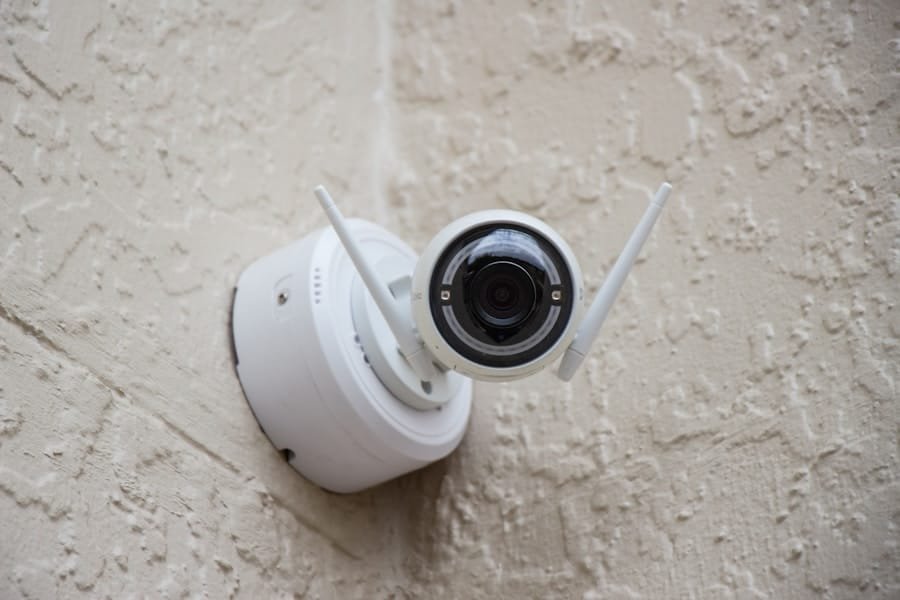
When you invest in a security system for your home, it’s essential to grasp its full capabilities. A well-designed security system does more than just provide a sense of safety; it acts as a comprehensive shield against potential threats. You might think of it as your home’s first line of defense, equipped with various features that work together to protect your space.
Understanding these capabilities allows you to maximize the effectiveness of your system and tailor it to your specific needs. One of the primary functions of a security system is to monitor and respond to unauthorized access. This includes not only traditional break-ins but also other forms of intrusion, such as vibrations caused by forced entry.
By familiarizing yourself with how your system detects these disturbances, you can better appreciate its role in safeguarding your home. Additionally, many modern systems come with advanced features like remote monitoring, alerts sent directly to your smartphone, and integration with smart home devices, all of which enhance your ability to respond to potential threats in real-time.
Key Takeaways
- Understanding the capabilities of your security system is crucial for maximizing its effectiveness in protecting your home.
- Detecting vibrations and movement in your home can be achieved through the use of specialized sensors in your security system.
- Types of sensors used in security systems include accelerometer sensors, piezoelectric sensors, and motion detectors, each with their own unique capabilities.
- Setting up your security system to detect vibrations involves strategically placing sensors in areas prone to intrusion and calibrating sensitivity levels.
- False alarms can be prevented by adjusting sensor sensitivity, using pet-immune sensors, and integrating vibration detection with other security features such as video surveillance.
Detecting vibrations and movement in your home
Vibration detection is a critical component of modern security systems, designed to identify unusual movements that may indicate a breach. You may not realize it, but vibrations can be caused by various factors, from someone attempting to break a window to heavy footsteps on the floor above. Your security system should be equipped to recognize these vibrations and differentiate between harmless movements and potential threats.
This capability is particularly useful in multi-story homes or properties with basements, where disturbances can easily go unnoticed. Understanding how your system detects these vibrations can empower you to make informed decisions about its placement and settings. For instance, you might consider placing vibration sensors near windows or doors that are more susceptible to forced entry.
Additionally, some systems can be calibrated to ignore minor vibrations caused by everyday activities, such as pets moving around or furniture being rearranged. This level of customization ensures that you receive alerts only when it truly matters, allowing you to maintain peace of mind without unnecessary interruptions.
Types of sensors used in security systems
When it comes to security systems, various types of sensors work together to create a comprehensive protective network. Each sensor serves a unique purpose, and understanding these differences can help you choose the right combination for your home. Motion sensors are perhaps the most common type, detecting movement within a designated area.
These sensors can be passive infrared (PIR), which detect heat emitted by objects, or active sensors that use microwave technology to sense movement. Vibration sensors are another crucial component, specifically designed to detect disturbances caused by physical impacts or movements. These sensors can be particularly effective when placed on windows or doors, alerting you if someone attempts to tamper with them.
Additionally, glass break sensors can detect the sound frequency of breaking glass, providing an extra layer of protection for vulnerable entry points. By understanding the various types of sensors available, you can create a tailored security solution that addresses the unique vulnerabilities of your home.
How to set up your security system to detect vibrations
Setting up your security system to effectively detect vibrations requires careful planning and consideration of your home’s layout. Start by identifying the most vulnerable areas, such as windows and doors that are easily accessible from the outside. Installing vibration sensors in these locations will enhance your system’s ability to respond to potential threats.
It’s also wise to consider placing sensors on walls or floors where heavy foot traffic occurs, as this can help detect unauthorized movement within your home. Once you’ve determined the optimal locations for your vibration sensors, follow the manufacturer’s guidelines for installation. This may involve mounting the sensors securely and ensuring they are calibrated correctly for sensitivity.
You might also want to test the system after installation to ensure it responds appropriately to various levels of vibration. Regular maintenance checks will help keep your system functioning optimally and allow you to make adjustments as needed based on any changes in your home environment.
False alarms and how to prevent them
False alarms can be one of the most frustrating aspects of any security system, often leading to unnecessary stress and wasted resources. You may find that your vibration sensors trigger alerts due to harmless movements, such as pets running around or even strong winds shaking windows. To minimize these false alarms, it’s essential to calibrate your sensors properly and adjust their sensitivity settings according to your specific environment.
Another effective strategy is to conduct regular tests of your system. By simulating various scenarios—such as having someone walk near the sensors or creating vibrations—you can assess how well your system responds and make necessary adjustments. Additionally, consider integrating other types of sensors into your security system that can work in tandem with vibration detection.
For example, combining motion detectors with vibration sensors can help create a more comprehensive monitoring solution that reduces the likelihood of false alarms while still providing robust protection.
Integrating vibration detection with other security features

Integrating vibration detection with other security features can significantly enhance the overall effectiveness of your home security system. By combining different types of sensors—such as motion detectors, door/window contacts, and cameras—you create a multi-layered approach that provides comprehensive coverage against potential threats. This integration allows for more accurate assessments of situations and reduces the chances of false alarms.
For instance, when a vibration sensor detects movement at a window, it can trigger a nearby camera to start recording or send an alert directly to your smartphone. This immediate response not only helps you assess the situation in real-time but also provides valuable evidence if needed later. Furthermore, many modern security systems offer smart home integration, allowing you to control various devices through a single app or interface.
This level of connectivity ensures that all components work seamlessly together, providing you with peace of mind knowing that your home is well-protected.
Benefits of using vibration detection in your home security system
Incorporating vibration detection into your home security system offers numerous benefits that enhance both safety and convenience. One significant advantage is the ability to detect potential intrusions before they escalate into more serious situations. By identifying vibrations caused by forced entry attempts or unusual movements, you can take action quickly—whether that means contacting authorities or investigating the situation yourself.
Moreover, vibration detection adds an extra layer of protection for vulnerable areas in your home. Windows and doors are often prime targets for burglars; having sensors in place can deter potential intruders from attempting entry altogether. Additionally, many vibration sensors are designed to be discreet and unobtrusive, allowing you to maintain the aesthetic appeal of your home while still benefiting from enhanced security measures.
Ultimately, this technology empowers you to take control of your home’s safety and provides peace of mind knowing that you have proactive measures in place.
Considerations when choosing a security system with vibration detection
When selecting a security system that includes vibration detection capabilities, there are several key considerations to keep in mind. First and foremost, assess the specific needs of your home and lifestyle. Consider factors such as the size of your property, the number of entry points, and any unique vulnerabilities that may require additional attention.
This assessment will help you determine which features are essential for your security system. Another important factor is compatibility with existing devices and systems. If you already have smart home technology in place, look for a security system that integrates seamlessly with those devices.
This will allow you to manage everything from one central hub, making it easier to monitor and control your home’s security features. Additionally, consider the reputation and reliability of the manufacturer; investing in a trusted brand will ensure that you receive quality products backed by solid customer support. In conclusion, understanding the capabilities of vibration detection within your home security system is crucial for maximizing its effectiveness.
By familiarizing yourself with how these systems work and taking proactive steps in their setup and maintenance, you can create a secure environment tailored specifically to your needs. With careful consideration and integration of various features, you’ll be well-equipped to protect your home from potential threats while enjoying peace of mind.
If you are interested in learning more about home security systems and how they can provide peace of mind, check out the article Home Protection: Ensuring Peace of Mind. This article discusses the importance of having a reliable security system in place to protect your home and loved ones. It also highlights the various features and benefits of modern security systems that can help you feel more secure in your own home.
FAQs
What is a security system?
A security system is a network of integrated electronic devices designed to protect a property from intruders or other potential threats.
Can a security system detect vibrations or movement in my home?
Yes, many modern security systems are equipped with motion sensors that can detect vibrations or movement in your home.
How do security systems detect vibrations or movement?
Security systems use various types of motion sensors, such as passive infrared (PIR) sensors, microwave sensors, and acoustic sensors, to detect vibrations or movement in a home.
What happens when a security system detects vibrations or movement?
When a security system detects vibrations or movement, it can trigger an alarm, send a notification to the homeowner’s smartphone, or alert a monitoring service, depending on the system’s configuration.
Can I use my security system to monitor vibrations or movement in specific areas of my home?
Yes, many security systems allow homeowners to customize the settings and sensitivity of motion sensors to monitor specific areas of their home for vibrations or movement.