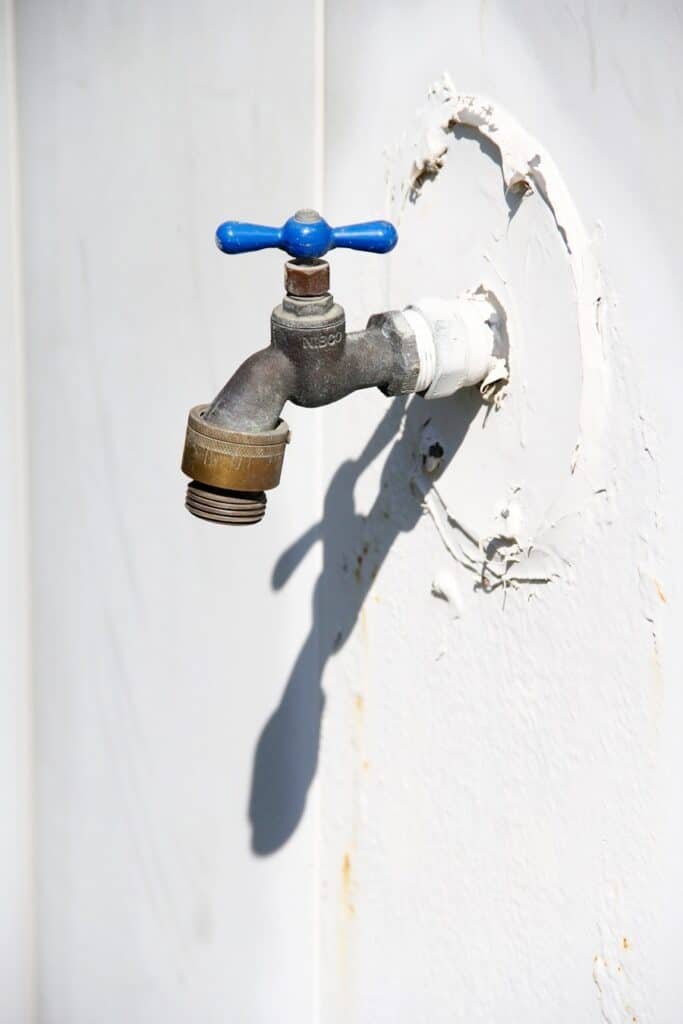
Water leaks can be a homeowner’s worst nightmare, leading to extensive damage, costly repairs, and even health hazards due to mold growth. As you navigate the complexities of home maintenance, understanding the importance of water leak detection becomes paramount. Water leaks can occur in various places, from hidden pipes behind walls to appliances like washing machines and dishwashers.
The sooner you can identify a leak, the better your chances of minimizing damage and protecting your investment. In recent years, technology has advanced significantly, providing innovative solutions for detecting water leaks. Traditional methods of leak detection often involved manual inspections and guesswork, but modern systems offer automated alerts and real-time monitoring.
By integrating water leak detection into your existing security system, you can create a comprehensive approach to safeguarding your home. This article will explore the capabilities of your security system, how to integrate water leak detection, and the benefits and limitations of this technology.
Key Takeaways
- Water leak detection is an important aspect of home and business security
- Understanding the capabilities of your security system is crucial for effective water leak detection
- Integrating water leak detection with your security system can provide comprehensive protection
- Using your security system for water leak detection can save time, money, and prevent damage
- It’s important to consider potential limitations and take necessary steps for setting up water leak detection with your security system
Understanding the Capabilities of Your Security System
Your security system is designed to protect your home from intruders, but it can also serve as a powerful tool for monitoring other potential threats, including water leaks. Most modern security systems come equipped with various sensors that can detect unusual activity or changes in the environment. These sensors can be expanded to include water leak detectors, which are specifically designed to identify the presence of moisture in areas where it shouldn’t be.
When you think about your security system, consider its ability to provide real-time alerts and notifications. Many systems are connected to your smartphone or other devices, allowing you to receive immediate updates if a leak is detected. This capability not only enhances your peace of mind but also enables you to take swift action before the situation escalates.
Understanding these features is crucial as you explore how to leverage your security system for water leak detection.
Integrating Water Leak Detection with Your Security System

Integrating water leak detection into your existing security system is a straightforward process that can significantly enhance your home’s safety. Most modern security systems are designed with compatibility in mind, allowing you to add various sensors without needing extensive modifications. You can start by researching compatible water leak detectors that work seamlessly with your current setup.
Once you’ve selected the appropriate sensors, installation typically involves placing them in strategic locations throughout your home. Common areas include basements, near water heaters, under sinks, and around appliances that use water. After installation, you’ll need to configure the sensors within your security system’s app or control panel.
This integration allows you to monitor all aspects of your home’s safety from a single interface, making it easier to manage alerts and notifications.
Benefits of Using Your Security System for Water Leak Detection
One of the most significant advantages of using your security system for water leak detection is the convenience it offers. Instead of relying on separate devices and systems, you can manage everything from one central hub. This consolidation not only simplifies monitoring but also reduces the clutter of multiple devices around your home.
You can easily check the status of your security system and any connected water leak detectors with just a few taps on your smartphone. Additionally, integrating water leak detection into your security system can lead to cost savings in the long run. Early detection of leaks can prevent extensive damage that would require costly repairs.
By receiving immediate alerts when a leak is detected, you can address the issue before it escalates into a more significant problem. This proactive approach not only protects your home but also helps maintain its value over time.
Potential Limitations and Considerations
While there are numerous benefits to integrating water leak detection with your security system, it’s essential to consider potential limitations as well. One primary concern is the reliability of the sensors themselves. Not all water leak detectors are created equal; some may be more sensitive or accurate than others.
It’s crucial to research and select high-quality sensors that have proven reliability in detecting leaks. Another consideration is the need for regular maintenance and testing of your system. Just like any other technology, your security system and its components require periodic checks to ensure they function correctly.
This includes testing the water leak detectors to confirm they are operational and positioned correctly. Neglecting this maintenance could lead to false alarms or missed alerts when a genuine leak occurs.
Steps for Setting Up Water Leak Detection with Your Security System
Setting up water leak detection with your security system involves several straightforward steps that you can follow to ensure a smooth integration process. First, begin by assessing your home for potential leak-prone areas where sensors would be most effective. This includes locations such as bathrooms, kitchens, basements, and near major appliances.
Next, purchase compatible water leak detectors that work with your existing security system. Once you have the devices in hand, follow the manufacturer’s instructions for installation. Typically, this involves placing the sensors on flat surfaces where they can easily detect moisture.
After installation, connect the sensors to your security system through its app or control panel. Make sure to configure alert settings so that you receive notifications on your smartphone or other devices when a leak is detected.
Responding to Water Leak Alerts through Your Security System
When your security system alerts you to a potential water leak, it’s essential to respond promptly and effectively. The first step is to assess the situation based on the information provided by the alert. Many modern systems will specify the location of the detected moisture, allowing you to pinpoint where to investigate first.
Once you’ve identified the source of the leak, take immediate action to mitigate any damage. If it’s safe to do so, shut off the water supply to prevent further leakage while you address the issue. Depending on the severity of the leak, you may need to call a professional plumber or repair service for assistance.
Remember that quick action can save you from extensive damage and costly repairs down the line.
Conclusion and Final Considerations
In conclusion, integrating water leak detection into your existing security system is a smart move for any homeowner looking to protect their property from potential damage. By understanding the capabilities of your security system and taking advantage of modern technology, you can create a comprehensive safety net for your home. The benefits of early detection and streamlined monitoring far outweigh any potential limitations.
As you consider implementing this technology in your home, remember that regular maintenance and testing are crucial for ensuring optimal performance. By staying proactive and responsive to alerts from your security system, you can safeguard your home against water leaks effectively. Ultimately, investing in water leak detection not only protects your property but also provides peace of mind knowing that you’re taking steps to prevent costly repairs and maintain a safe living environment for you and your family.
If you are interested in learning more about common myths surrounding home security systems, check out this article. It can help you separate fact from fiction when it comes to protecting your home. Additionally, if you are looking for home security system services in Jackson, Mississippi, be sure to read this article for valuable information. And for tips on how to strategically illuminate your home for added security, take a look at this article.
FAQs
What is a security system water leak detector?
A security system water leak detector is a device that can be integrated into a home security system to detect water leaks or flooding. It is designed to provide early warning of potential water damage in a home or building.
How does a security system water leak detector work?
A security system water leak detector typically uses sensors to detect the presence of water. When water is detected, the sensor sends a signal to the security system, which can then alert the homeowner or monitoring service of the potential water leak or flooding.
Can I use my existing security system to detect water leaks?
Many modern security systems offer the option to integrate water leak detectors into their systems. However, not all security systems have this capability, so it’s important to check with your security system provider to see if this feature is available for your specific system.
What are the benefits of using a security system water leak detector?
Using a security system water leak detector can provide early detection of water leaks or flooding, which can help prevent costly water damage to a home or building. It can also provide peace of mind for homeowners, especially for those who may be away from their property for extended periods of time.
Are there any limitations to using a security system water leak detector?
While security system water leak detectors can be effective in detecting water leaks, they may not be able to prevent the leaks from occurring. Additionally, they may not be suitable for all types of water leaks or flooding situations, such as those caused by natural disasters.