When you invest in a security system, it’s essential to grasp its full capabilities. Your security system is not merely a collection of cameras and alarms; it is a sophisticated network designed to protect your property and loved ones. Understanding how these systems work can empower you to utilize them to their fullest potential.
Most modern security systems come equipped with various features, including video surveillance, motion detection, and alarm notifications. By familiarizing yourself with these functionalities, you can tailor your security measures to meet your specific needs. Moreover, knowing the capabilities of your security system allows you to make informed decisions about upgrades or enhancements.
For instance, if your system includes smart technology, you can integrate it with other smart home devices for a more cohesive security approach. This integration can provide real-time alerts and remote access, enabling you to monitor your property from anywhere. By understanding the full spectrum of your security system’s capabilities, you can create a robust defense against potential threats.
Key Takeaways
- Understanding the capabilities of your security system is crucial for effective vibration and movement detection.
- Choosing the right sensors for vibration and movement detection is essential for accurate and reliable results.
- Integrating vibration and movement detection into your security system can enhance overall security measures.
- Maximizing the effectiveness of vibration and movement detection requires proper maintenance and calibration of sensors.
- Advantages and limitations of using your security system for vibration and movement detection should be carefully considered for optimal results.
Detecting Vibrations and Movement with Your Security System
Motion Detection and Alerts
When these sensors detect unusual activity, they trigger alerts, allowing you to respond promptly to potential threats. In addition to traditional motion detection, some advanced systems can also monitor vibrations.
Vibration Analysis for Enhanced Security
This capability is particularly useful for detecting forced entry through windows or doors. By analyzing the frequency and intensity of vibrations, your security system can differentiate between normal environmental movements and suspicious activities.
Enhanced Security Strategy
This dual approach enhances your overall security strategy, ensuring that you are alerted to any potential breaches before they escalate.
Choosing the Right Sensors for Vibration and Movement Detection
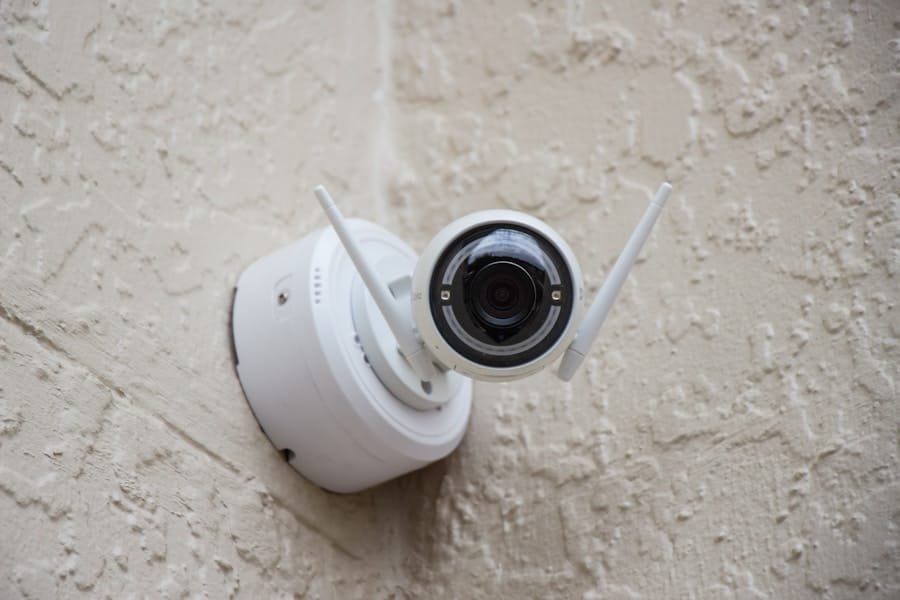
Selecting the appropriate sensors for vibration and movement detection is crucial for optimizing your security system’s performance. Various types of sensors are available, each designed for specific applications and environments. For instance, passive infrared sensors are excellent for detecting body heat and movement in indoor settings, while outdoor motion sensors may utilize microwave technology to cover larger areas.
When choosing sensors, consider the layout of your property and the specific areas you want to monitor. For example, if you have a large backyard or garden, you might opt for outdoor motion detectors that can cover expansive spaces. Conversely, if you’re focusing on indoor security, door and window sensors may be more appropriate.
Additionally, ensure that the sensors you select are compatible with your existing security system to facilitate seamless integration.
Integrating Vibration and Movement Detection into Your Security System
Integrating vibration and movement detection into your existing security system can significantly enhance its effectiveness. This process often involves connecting new sensors to your current setup, which may require some technical knowledge or professional assistance. However, many modern systems are designed for easy integration, allowing you to expand your security measures without extensive modifications.
Once integrated, it’s essential to configure the sensors correctly to ensure optimal performance. This may involve adjusting sensitivity settings or defining specific zones for detection. For instance, if you have pets at home, you might want to set the sensors to ignore smaller movements while still alerting you to larger disturbances.
Proper integration not only improves your system’s responsiveness but also minimizes false alarms that can lead to unnecessary stress.
Maximizing the Effectiveness of Vibration and Movement Detection
To maximize the effectiveness of vibration and movement detection in your security system, regular maintenance and updates are essential. Keeping your sensors clean and free from obstructions ensures they function correctly and accurately detect movement. Additionally, consider conducting routine tests to verify that all components are working as intended.
This proactive approach can help identify any issues before they become significant problems. Another way to enhance effectiveness is by utilizing advanced features offered by many modern systems. For example, some systems allow you to customize alert settings based on your preferences.
You might choose to receive notifications via smartphone alerts or email when movement is detected during specific hours. By tailoring these settings to your lifestyle, you can ensure that you remain informed without being overwhelmed by unnecessary alerts.
Common Misconceptions about Vibration and Movement Detection
False Alarms: A Thing of the Past
Despite the advancements in technology, one common myth persists: that these systems are prone to false alarms due to minor disturbances like pets or passing vehicles. While it’s true that sensitivity settings need adjustment based on the environment, modern sensors are designed with advanced algorithms that help minimize false alerts significantly.
Vibration Detection: Not Just for High-Risk Areas
Another misconception is that vibration detection is only necessary for high-risk areas or properties. In reality, every home can benefit from this feature, as it provides an additional layer of security against potential intrusions.
Enhanced Security for Any Neighborhood
Whether you live in a quiet neighborhood or a bustling urban area, having vibration detection can alert you to unusual activities that might otherwise go unnoticed.
Advantages and Limitations of Using Your Security System for Vibration and Movement Detection
Using your security system for vibration and movement detection comes with several advantages. One of the most significant benefits is the enhanced peace of mind it provides. Knowing that your property is monitored for unusual activity allows you to feel more secure in your home or while away.
Additionally, these systems can often be customized to suit your specific needs, ensuring that you have the right level of protection. However, there are limitations to consider as well. For instance, environmental factors such as weather conditions can affect sensor performance.
Heavy rain or strong winds may cause false alarms or hinder detection capabilities. Furthermore, while technology has advanced significantly, no system is entirely foolproof; there may still be instances where intrusions go undetected. Understanding both the advantages and limitations will help you set realistic expectations for your security system.
Tips for Maintaining and Calibrating Your Vibration and Movement Detection Sensors
To ensure that your vibration and movement detection sensors operate at peak performance, regular maintenance is crucial. Start by cleaning the sensors periodically to remove dust or debris that could obstruct their functionality. A simple wipe with a soft cloth can often do wonders in maintaining clarity and responsiveness.
Calibration is another essential aspect of sensor maintenance. Depending on the type of sensor you have installed, calibration may involve adjusting sensitivity settings or redefining detection zones based on changes in your environment. For example, if you’ve added new furniture or landscaping features that could obstruct sensor lines of sight, recalibrating will help maintain optimal performance.
Regularly reviewing and adjusting these settings will ensure that your security system remains effective in detecting vibrations and movements accurately. In conclusion, understanding the capabilities of your security system and effectively utilizing vibration and movement detection features can significantly enhance your home’s safety. By choosing the right sensors, integrating them properly, maximizing their effectiveness through maintenance and calibration, and dispelling common misconceptions, you can create a robust security environment tailored to your needs.
Remember that while technology plays a vital role in securing your property, staying informed and proactive will always be key in ensuring peace of mind.
If you are interested in safeguarding your home while traveling, you may want to check out this article on safeguarding your home while traveling. It provides tips and strategies for keeping your home secure while you are away. Additionally, if you are looking for comprehensive security services in Baltimore, Maryland, you can read more about it in this article on