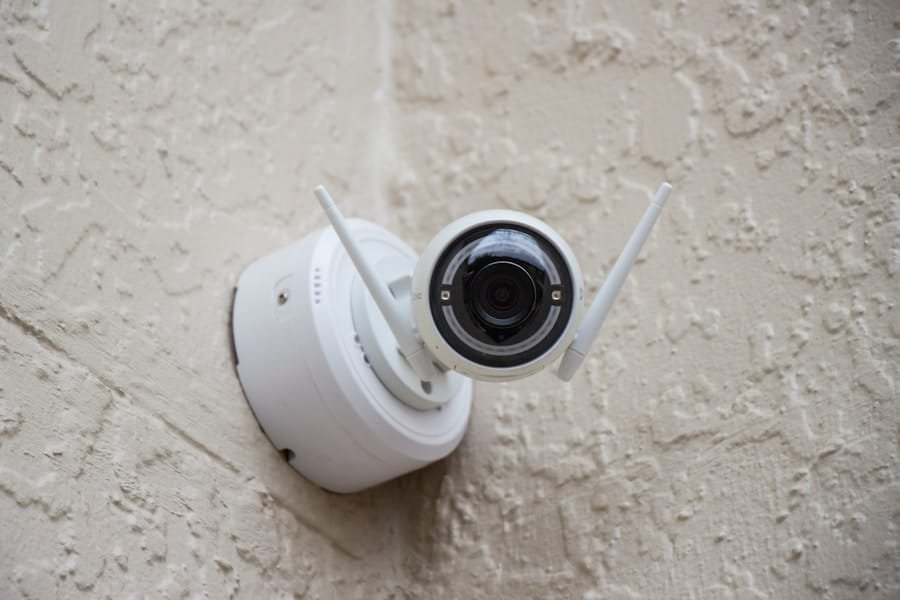
In an era where health and safety are paramount, the integration of air quality monitoring into security systems has emerged as a vital consideration for both residential and commercial spaces. You may find yourself increasingly aware of the air you breathe, especially with growing concerns about pollution and its impact on health. Security systems, traditionally focused on safeguarding property and individuals, are now evolving to encompass a broader range of functionalities, including the monitoring of air quality.
This shift not only enhances the safety of your environment but also contributes to overall well-being. As you delve into the world of security systems, you will discover that many modern solutions offer advanced features that go beyond mere surveillance. By incorporating air quality sensors into your security setup, you can gain real-time insights into the conditions of your indoor environment.
This proactive approach allows you to address potential health hazards before they escalate, ensuring that your living or working space remains safe and comfortable. The convergence of security and air quality monitoring represents a significant advancement in how you can protect your health and that of others around you.
Key Takeaways
- Security systems can be used for air quality monitoring to ensure a safe and healthy environment.
- There is a strong relationship between security systems and air quality, as both are essential for maintaining a secure and healthy space.
- Using a security system for air quality monitoring provides benefits such as early detection of pollutants and potential health hazards.
- Integrating air quality monitoring with an existing security system can be done through the use of compatible devices and sensors.
- Choosing the right air quality monitoring devices for your security system is crucial for accurate and reliable data collection.
Understanding the Relationship Between Security Systems and Air Quality
The Hidden Dangers of Poor Air Quality
You may be surprised to learn that poor air quality can lead to various health issues, including respiratory problems, allergies, and even cognitive decline. By incorporating air quality sensors into your security system, you can monitor pollutants such as volatile organic compounds (VOCs), particulate matter, and carbon dioxide levels.
Taking Corrective Action
This data not only helps you identify potential hazards but also allows you to take corrective actions, such as improving ventilation or using air purifiers.
A Safer Environment
Understanding this relationship empowers you to create a safer environment for yourself and those around you.
Benefits of Using a Security System for Air Quality Monitoring
The benefits of using a security system for air quality monitoring are manifold. First and foremost, it provides you with peace of mind. Knowing that your environment is being monitored for harmful pollutants allows you to focus on other aspects of your life without the constant worry about hidden dangers.
This sense of security is invaluable, especially for families with young children or individuals with pre-existing health conditions. Moreover, integrating air quality monitoring into your security system can lead to significant cost savings in the long run. By identifying air quality issues early on, you can prevent more severe problems that may require costly remediation efforts.
For instance, if your system detects elevated levels of carbon dioxide, you can take immediate action to improve ventilation before it leads to more serious health concerns or even structural damage due to mold growth. This proactive approach not only protects your health but also preserves the integrity of your property.
How to Integrate Air Quality Monitoring with Your Existing Security System
Integrating air quality monitoring with your existing security system may seem daunting, but it is often a straightforward process. Many modern security systems are designed with compatibility in mind, allowing you to add new features without overhauling your entire setup. You can start by assessing your current system and determining which air quality sensors are compatible with it.
Once you’ve identified suitable devices, installation typically involves connecting the sensors to your existing network. This may require some technical knowledge, but many manufacturers provide user-friendly guides to assist you. After installation, you’ll want to configure the sensors to communicate with your security system’s central hub or app.
This integration allows you to receive alerts and monitor air quality data alongside your security feeds, creating a unified platform for managing both safety and environmental health.
Choosing the Right Air Quality Monitoring Devices for Your Security System
When it comes to selecting air quality monitoring devices for your security system, there are several factors to consider. First, think about the specific pollutants you want to monitor. Different sensors are designed to detect various contaminants, so it’s essential to choose devices that align with your needs.
For example, if you’re concerned about allergens, look for sensors that can detect particulate matter and pollen levels. Another critical aspect is the connectivity of the devices. You want to ensure that the air quality monitors can seamlessly integrate with your existing security system.
Many modern devices offer Wi-Fi or Bluetooth connectivity, allowing for easy communication with your central hub or smartphone app. Additionally, consider the accuracy and reliability of the sensors; investing in high-quality devices will yield more trustworthy data and better inform your decisions regarding indoor air quality.
Tips for Maintaining and Calibrating Air Quality Monitoring Equipment
To ensure that your air quality monitoring equipment functions optimally, regular maintenance and calibration are essential. You should start by familiarizing yourself with the manufacturer’s guidelines for upkeep. Most devices require periodic cleaning to remove dust and debris that could interfere with their performance.
A simple wipe-down with a soft cloth can often suffice. Calibration is another crucial aspect of maintaining accurate readings from your sensors. Over time, environmental factors can affect their sensitivity and accuracy.
Depending on the device, you may need to recalibrate it every few months or annually. Some advanced models come equipped with self-calibration features, while others may require manual adjustments. Keeping track of these maintenance tasks will ensure that your air quality monitoring system remains reliable and effective in safeguarding your environment.
Using Security System Data to Improve Indoor Air Quality
The data collected by your integrated security system can be a powerful tool in improving indoor air quality. By analyzing trends in air quality readings over time, you can identify patterns that may indicate underlying issues. For instance, if you notice spikes in VOC levels during specific activities like cooking or cleaning, you can take steps to mitigate those emissions by improving ventilation or using less harmful products.
Additionally, many modern security systems allow you to set thresholds for various pollutants. When levels exceed these thresholds, alerts can be sent directly to your smartphone or other devices. This immediate feedback enables you to take action quickly—whether it’s opening windows for fresh air or activating an air purifier—thereby enhancing the overall quality of the indoor environment.
Conclusion and Future Trends in Security System Air Quality Monitoring
As we look toward the future, the integration of air quality monitoring into security systems is likely to become even more prevalent. With advancements in technology and growing awareness of environmental health issues, you can expect to see more sophisticated solutions that offer real-time data analysis and predictive capabilities. These innovations will empower you to make informed decisions about your indoor environment and enhance overall well-being.
In conclusion, utilizing security systems for air quality monitoring represents a significant step forward in creating safer living and working spaces. By understanding the relationship between these two domains and taking advantage of modern technology, you can protect not only your property but also your health. As trends continue to evolve, staying informed about new developments will enable you to make the best choices for maintaining a healthy indoor environment for yourself and those around you.
If you are interested in learning more about how to protect your home and loved ones, you may want to check out the article About Our Secure Home. This article provides valuable information on the importance of having a reliable security system in place to monitor your home’s air quality and overall safety. Additionally, if you are considering securing a vacation home, the article Secure Vacation Homes: Protecting Your Getaway Retreat offers tips and advice on how to keep your vacation property safe and secure. And if you are located in Jersey City, New Jersey, and are in need of home security system services, the article Home Security System Service in Jersey City, New Jersey provides information on how to find the best security system provider in your area.
FAQs
What is a security system?
A security system is a network of integrated electronic devices designed to secure a home, business, or other property. It may include sensors, cameras, alarms, and monitoring services.
Can a security system monitor air quality?
Some advanced security systems may include air quality monitoring as an additional feature. These systems can detect pollutants, humidity levels, and other air quality indicators.
How does air quality monitoring work in a security system?
Air quality monitoring in a security system typically involves the use of specialized sensors that can detect various pollutants and environmental factors. These sensors can then transmit data to the security system’s control panel or a connected app for monitoring.
What are the benefits of using a security system to monitor air quality?
Monitoring air quality through a security system can provide homeowners with valuable information about the indoor environment, allowing them to take steps to improve air quality and potentially prevent health issues related to poor air quality.
Are there any limitations to using a security system for air quality monitoring?
While security systems with air quality monitoring can provide valuable data, they may not be as comprehensive as dedicated air quality monitoring systems. Additionally, the accuracy and reliability of the air quality data may vary depending on the specific sensors and technology used in the security system.