
In an increasingly interconnected world, the ability to identify suspicious behavior patterns has become paramount. You may have noticed that in various settings—be it in public spaces, online platforms, or even within organizations—certain behaviors can raise red flags. These patterns often serve as indicators of potential threats, whether they are related to criminal activity, fraud, or other forms of misconduct.
Understanding these behaviors is crucial not only for security professionals but also for everyday individuals who wish to navigate their environments safely. Suspicious behavior patterns can manifest in numerous ways, from unusual movements in a crowded area to erratic online activities. You might find yourself questioning the intentions of someone who seems out of place or who engages in actions that deviate from the norm.
The challenge lies in distinguishing between genuine threats and benign behavior. As you delve deeper into this topic, you will discover how technology, particularly artificial intelligence, plays a significant role in identifying these patterns and enhancing our ability to respond effectively.
Key Takeaways
- Suspicious behavior patterns can be identified through various indicators such as abnormal activity, unusual access patterns, and unauthorized data transfers.
- Artificial intelligence plays a crucial role in detecting suspicious behavior by analyzing large volumes of data and identifying patterns that may indicate potential threats.
- Common types of suspicious behavior patterns include insider threats, unauthorized access, data exfiltration, and unusual network traffic.
- Systems detect and analyze suspicious behavior through techniques such as anomaly detection, machine learning algorithms, and behavior analysis.
- Challenges in detecting suspicious behavior patterns include the increasing complexity of cyber threats, the need for real-time detection, and the balance between privacy and security concerns.
The Role of Artificial Intelligence in Detecting Suspicious Behavior
Artificial intelligence (AI) has revolutionized the way we approach the detection of suspicious behavior. You may be surprised to learn that AI systems can analyze vast amounts of data at speeds and accuracies far beyond human capabilities. By employing machine learning algorithms, these systems can identify patterns and anomalies that might go unnoticed by the human eye.
This capability is particularly valuable in environments where real-time analysis is critical, such as airports, banks, and online platforms. As you explore the role of AI in this context, consider how it processes information from various sources—video surveillance feeds, transaction records, and social media interactions. By continuously learning from new data, AI systems can adapt to evolving behaviors and refine their detection methods.
This adaptability is essential in a world where suspicious behaviors can change rapidly. You might find it fascinating that AI not only detects potential threats but also helps prioritize responses, allowing security personnel to focus on the most pressing issues.
Common Types of Suspicious Behavior Patterns

When it comes to identifying suspicious behavior patterns, there are several common types that you should be aware of. One prevalent pattern is the “watching and waiting” behavior, where an individual appears overly observant of their surroundings without engaging in typical social interactions. This could indicate that they are assessing a situation for ulterior motives.
You might encounter this behavior in various settings, from retail stores to public transportation hubs. Another common pattern is erratic movement or behavior that deviates from the norm. For instance, someone who frequently changes direction or appears anxious may raise suspicions.
In online environments, you may notice unusual account activity, such as rapid-fire transactions or logins from multiple locations within a short time frame. Recognizing these patterns is crucial for preemptively addressing potential threats and ensuring safety in both physical and digital spaces.
How Systems Detect and Analyze Suspicious Behavior
The detection and analysis of suspicious behavior involve a multi-faceted approach that combines technology with human oversight. You may be intrigued to learn that many systems utilize a combination of video analytics, data mining, and behavioral analysis to identify potential threats. For instance, surveillance cameras equipped with AI can analyze footage in real-time, flagging unusual movements or interactions for further investigation.
Once suspicious behavior is detected, systems often employ algorithms to analyze the context surrounding the event. This includes examining historical data to determine if similar behaviors have led to incidents in the past. You might find it interesting that some systems also incorporate user feedback and reports to enhance their detection capabilities.
By combining quantitative data with qualitative insights, these systems can provide a more comprehensive understanding of suspicious behavior patterns.
Challenges in Detecting Suspicious Behavior Patterns
Despite advancements in technology, detecting suspicious behavior patterns is not without its challenges. One significant hurdle is the potential for false positives—instances where benign actions are misinterpreted as suspicious. You may have experienced this firsthand when a security alarm was triggered without any real threat present.
Such occurrences can lead to unnecessary panic and resource allocation, undermining trust in detection systems. Another challenge lies in the ethical implications of surveillance and monitoring. As you consider the balance between safety and privacy, you may question how much monitoring is acceptable in public spaces or online environments.
Striking this balance is crucial for maintaining public trust while ensuring effective detection of suspicious behaviors. Additionally, as technology evolves, so do the tactics employed by those engaging in suspicious activities, making it imperative for detection systems to stay ahead of emerging trends.
Case Studies of Systems Successfully Detecting Suspicious Behavior
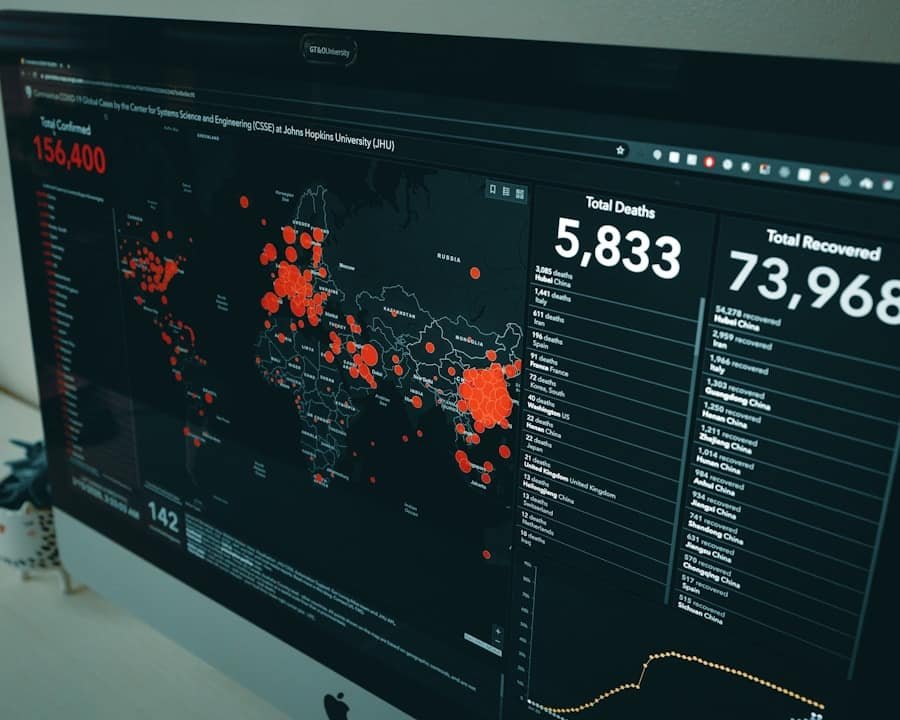
Examining real-world case studies can provide valuable insights into how systems successfully detect suspicious behavior patterns. One notable example is the use of AI-driven surveillance in retail environments to combat shoplifting. You may have heard about stores implementing smart cameras that analyze customer movements and flag unusual behaviors—such as lingering near high-value items without making a purchase.
These systems have proven effective in reducing theft while also enhancing overall store security. Another compelling case study involves financial institutions utilizing AI algorithms to detect fraudulent transactions. You might be interested to know that banks analyze transaction patterns across millions of accounts to identify anomalies indicative of fraud.
For instance, if a customer’s account suddenly experiences a series of large withdrawals from an unfamiliar location, the system can flag this activity for further investigation. By leveraging technology in these ways, organizations can proactively address suspicious behaviors before they escalate into more significant issues.
Future Developments in Detecting Suspicious Behavior Patterns
As technology continues to advance, the future of detecting suspicious behavior patterns holds exciting possibilities. You may be intrigued by the potential for even more sophisticated AI algorithms that can analyze emotional cues and body language through video feeds. This could enhance the accuracy of detecting suspicious behaviors by providing deeper insights into an individual’s intent and state of mind.
Moreover, as privacy concerns grow, there is a push for developing ethical frameworks around surveillance technologies. You might find it encouraging that researchers are exploring ways to implement transparent AI systems that prioritize user consent and data protection while still effectively identifying suspicious behaviors. The integration of blockchain technology could also play a role in ensuring data integrity and security within these systems.
Conclusion and Recommendations for Improving System Detection of Suspicious Behavior
In conclusion, understanding and detecting suspicious behavior patterns is essential for maintaining safety and security in various environments. As you reflect on the role of artificial intelligence and technology in this process, it becomes clear that advancements are paving the way for more effective detection methods. However, challenges remain—particularly concerning false positives and ethical considerations.
To improve system detection of suspicious behavior patterns, organizations should invest in ongoing training for both technology and personnel involved in monitoring activities. You may also consider advocating for transparency in AI algorithms to build public trust while ensuring effective surveillance practices. By fostering collaboration between technology developers, security professionals, and community stakeholders, we can create safer environments while respecting individual rights and privacy concerns.
As you navigate your own experiences with suspicious behavior—whether as an observer or a participant—remember that awareness and understanding are key components in fostering a secure society. Embracing technological advancements while remaining vigilant about ethical implications will ultimately lead to more effective detection systems that benefit everyone involved.
If you are interested in learning more about enhancing your home security, you may want to check out the article Enhancing Home Security: Tips and Tricks for a Safer Home. This article provides valuable insights and strategies for improving the safety of your home, which can complement the information on detecting suspicious behavior patterns in your system. By implementing these tips and tricks, you can create a more secure environment for you and your loved ones.
FAQs
What is suspicious behavior pattern detection?
Suspicious behavior pattern detection is the process of using technology to identify and flag activities or actions that deviate from normal or expected behavior within a system or network.
How does a system detect suspicious behavior patterns?
A system can detect suspicious behavior patterns through the use of machine learning algorithms, anomaly detection techniques, and behavioral analysis. These methods allow the system to learn what is considered normal behavior and then identify any deviations from that norm.
What are some examples of suspicious behavior patterns that a system can detect?
Examples of suspicious behavior patterns that a system can detect include unusual login times or locations, a high volume of failed login attempts, unauthorized access to sensitive data, and abnormal network traffic patterns.
What are the benefits of detecting suspicious behavior patterns in a system?
Detecting suspicious behavior patterns in a system can help prevent security breaches, data theft, and other malicious activities. It can also help organizations identify and address potential vulnerabilities in their systems.
Can a system be trained to detect specific types of suspicious behavior patterns?
Yes, a system can be trained to detect specific types of suspicious behavior patterns by using historical data and machine learning techniques to identify and categorize different types of anomalies. This allows the system to become more accurate and effective over time.