
In today’s world, where urbanization and industrialization are on the rise, the quality of the air you breathe at home has become a significant concern. You may not realize it, but the air inside your home can often be more polluted than the air outside. This is where home air quality monitoring comes into play.
By understanding and monitoring the air quality in your living space, you can take proactive steps to ensure a healthier environment for yourself and your loved ones. Home air quality monitoring systems are designed to measure various pollutants and allergens in your indoor air. These systems can provide real-time data on the levels of particulate matter, volatile organic compounds (VOCs), carbon dioxide, and humidity, among other factors.
With this information at your fingertips, you can make informed decisions about how to improve your indoor air quality, leading to a healthier and more comfortable living space.
Key Takeaways
- Home air quality monitoring is essential for maintaining a healthy indoor environment and preventing potential health risks.
- Understanding the correlation between air quality and health risks is crucial for making informed decisions about home air quality monitoring.
- Home air quality monitoring systems work by measuring and analyzing various pollutants and contaminants in the indoor air.
- There are different types of home air quality monitoring systems available, including standalone monitors, smart home devices, and professional-grade systems.
- Monitoring your home’s air quality can provide numerous benefits, such as early detection of potential health hazards and the ability to take proactive measures to improve indoor air quality.
Understanding Air Quality and Health Risks
Air quality is a crucial aspect of your overall health and well-being. Poor indoor air quality can lead to a range of health issues, from minor irritations like headaches and fatigue to more severe conditions such as respiratory diseases and cardiovascular problems. You might be surprised to learn that indoor air can contain a variety of pollutants, including dust mites, mold spores, pet dander, and chemical fumes from household products.
The health risks associated with poor air quality are particularly concerning for vulnerable populations, such as children, the elderly, and individuals with pre-existing health conditions. For instance, children are more susceptible to the effects of air pollution due to their developing respiratory systems. By understanding the potential health risks associated with poor indoor air quality, you can take steps to mitigate these dangers and create a safer environment for everyone in your home.
How Home Air Quality Monitoring Systems Work
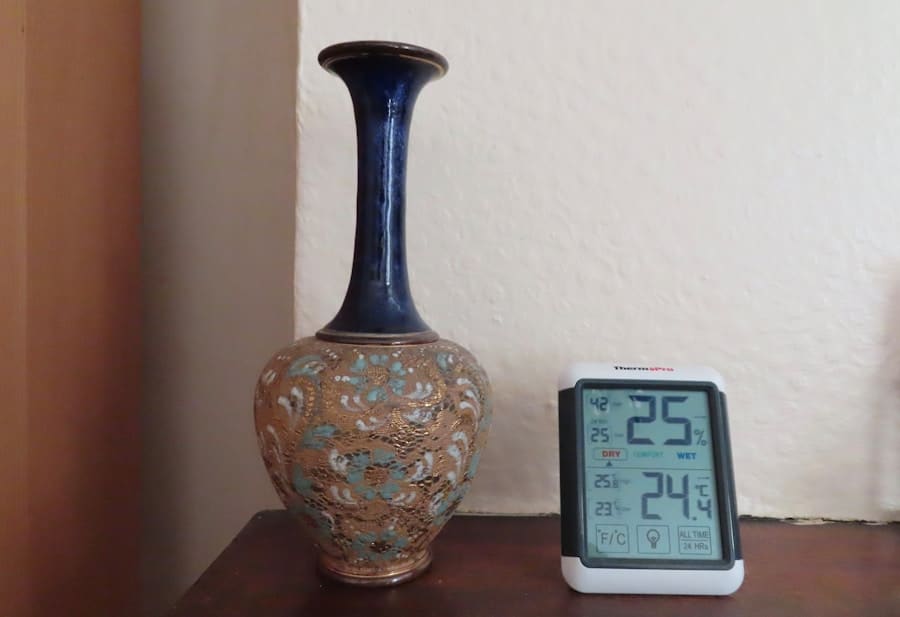
Home air quality monitoring systems operate using a combination of sensors and algorithms to detect and analyze various pollutants in the air. These devices typically measure particulate matter (PM), which includes tiny particles that can penetrate deep into your lungs, as well as gases like carbon dioxide and VOCs. When you install a monitoring system in your home, it continuously collects data on these pollutants and provides you with real-time feedback.
Most modern air quality monitors connect to your smartphone or computer via Wi-Fi or Bluetooth, allowing you to access the data remotely. This connectivity means you can receive alerts when pollutant levels exceed safe thresholds, enabling you to take immediate action. For example, if your monitor detects high levels of carbon dioxide, you might choose to open a window or turn on an air purifier to improve ventilation.
By understanding how these systems work, you can better appreciate their value in maintaining a healthy indoor environment.
Types of Home Air Quality Monitoring Systems
When it comes to home air quality monitoring systems, there are several types available on the market, each designed to meet different needs and preferences. One common type is the standalone air quality monitor, which typically measures key pollutants like PM2.5, VOCs, and carbon dioxide. These devices are user-friendly and often come with built-in displays that show real-time readings.
Another option is a smart home integration system that connects with other smart devices in your home. These systems can work in tandem with smart thermostats or air purifiers to optimize your indoor air quality automatically. For instance, if your monitor detects high levels of humidity, it can signal your dehumidifier to kick in, creating a more comfortable environment without any manual intervention.
Additionally, some advanced systems offer comprehensive monitoring capabilities that include outdoor air quality data. These devices can provide insights into how outdoor pollution levels may affect your indoor environment, allowing you to take preventive measures when necessary. By exploring the various types of home air quality monitoring systems available, you can find one that best suits your lifestyle and needs.
Benefits of Monitoring Your Home’s Air Quality
Monitoring your home’s air quality offers numerous benefits that extend beyond just knowing what you’re breathing in. One of the most significant advantages is the ability to identify potential health hazards before they become serious issues. By regularly checking pollutant levels, you can take proactive measures to reduce exposure to harmful substances, ultimately leading to improved health outcomes for you and your family.
Another benefit is enhanced comfort within your living space. Poor air quality can lead to unpleasant odors, excessive dust accumulation, and even mold growth. By using an air quality monitor, you can pinpoint sources of these issues and address them promptly.
For example, if you notice elevated levels of humidity, you might decide to invest in a dehumidifier or improve ventilation in certain areas of your home. This not only creates a more pleasant atmosphere but also contributes to the longevity of your home’s structure and furnishings.
Potential Health Hazards and How Monitoring Systems Can Help

The potential health hazards associated with poor indoor air quality are alarming. Common pollutants like mold spores can trigger allergic reactions and asthma attacks, while VOCs emitted from household products can lead to long-term health issues such as liver damage or cancer. By utilizing a home air quality monitoring system, you gain valuable insights into these hazards and can take steps to mitigate them effectively.
For instance, if your monitor detects high levels of particulate matter due to cooking or outdoor pollution seeping indoors, you can take immediate action by using an air purifier or improving ventilation through open windows or exhaust fans. Additionally, if VOC levels rise after using certain cleaning products or paints, you can switch to low-VOC alternatives or ensure proper ventilation during their use. By being proactive about monitoring your indoor air quality, you empower yourself to create a healthier living environment.
Choosing the Right Home Air Quality Monitoring System
Selecting the right home air quality monitoring system involves considering several factors that align with your specific needs and preferences. First and foremost, think about which pollutants are most relevant to your situation. If you live in an area with high outdoor pollution levels, for example, you may want a monitor that focuses on particulate matter and outdoor air quality data.
Next, consider the features that matter most to you. Do you prefer a device with a simple display for easy reading at a glance? Or would you benefit from a smart monitor that integrates with other devices in your home?
Additionally, look for systems that offer mobile app connectivity so you can track changes in real-time from anywhere. Finally, don’t forget about budget considerations. While some high-end models offer advanced features and comprehensive monitoring capabilities, there are also affordable options that provide essential data without breaking the bank.
By carefully evaluating these factors, you can choose a home air quality monitoring system that best fits your lifestyle and budget.
Conclusion and Recommendations for Maintaining Healthy Indoor Air Quality
In conclusion, maintaining healthy indoor air quality is essential for your overall well-being and comfort at home. By investing in a reliable home air quality monitoring system, you gain valuable insights into the pollutants present in your living space and can take proactive measures to improve it. Remember that knowledge is power; understanding what you’re breathing allows you to make informed decisions about how to create a healthier environment.
To maintain optimal indoor air quality, consider implementing additional strategies alongside monitoring. Regularly ventilate your home by opening windows when outdoor conditions permit and using exhaust fans in kitchens and bathrooms. Invest in high-quality air purifiers equipped with HEPA filters to capture airborne particles effectively.
Additionally, be mindful of the products you use in your home; opting for natural cleaning supplies and low-VOC paints can significantly reduce harmful emissions. By taking these steps and utilizing a home air quality monitoring system, you can create a safe haven for yourself and your loved ones—one where clean air promotes health and happiness for years to come.
If you are interested in monitoring your home’s air quality, you may also want to consider installing a home security camera system. This article provides tips on choosing the right system for your needs. Additionally, it is important to consider privacy concerns when installing any type of monitoring system in your home, as outlined in this privacy policy. For those living in the Rochester, New York area, this