In an age where security and surveillance have become paramount, outdoor cameras have emerged as essential tools for both residential and commercial properties. These devices not only provide peace of mind but also serve as a deterrent against potential threats. As you consider investing in outdoor cameras, it’s crucial to understand their capabilities, especially when it comes to enduring the elements.
The right outdoor camera can offer you reliable performance, even in the harshest weather conditions, ensuring that your property remains monitored and secure. Outdoor cameras are designed with specific features that cater to their unique environment. Unlike indoor cameras, which can be sheltered from the elements, outdoor models must withstand rain, snow, extreme temperatures, and even high winds.
This resilience is vital for maintaining functionality and ensuring that you capture clear images and video footage regardless of the weather. As you delve deeper into the world of outdoor surveillance, you’ll discover the various factors that contribute to a camera’s durability and effectiveness in extreme conditions.
Key Takeaways
- Outdoor cameras are designed to withstand extreme weather conditions and provide surveillance in outdoor environments.
- Extreme weather conditions such as high winds, heavy rain, and extreme temperatures can impact the durability and performance of outdoor cameras.
- Factors affecting outdoor camera durability include construction materials, weatherproof ratings, and protective features such as heating and cooling systems.
- Types of outdoor cameras include bullet cameras, dome cameras, and PTZ (pan-tilt-zoom) cameras, each with specific features for outdoor use.
- Testing outdoor cameras in extreme weather conditions is essential to ensure their reliability and performance in harsh environments.
Understanding Extreme Weather Conditions
Extreme weather conditions can vary significantly depending on your geographical location. From torrential rain and heavy snowfall to scorching heat and freezing temperatures, each climate presents its own set of challenges for outdoor cameras. Understanding these conditions is essential for selecting a camera that will perform reliably throughout the year.
For instance, if you live in an area prone to heavy rainfall, you’ll want a camera with a high IP (Ingress Protection) rating to ensure it is waterproof and can withstand moisture without compromising its functionality. Moreover, temperature fluctuations can also impact the performance of outdoor cameras. Cameras that are not designed for extreme cold may experience issues such as battery failure or lens fogging, while those exposed to intense heat may overheat or suffer from reduced image quality.
By familiarizing yourself with the specific weather patterns in your area, you can make informed decisions about which outdoor camera will best suit your needs and withstand the elements.
Factors Affecting Outdoor Camera Durability
When evaluating outdoor cameras, several key factors influence their durability and overall performance in extreme weather conditions. One of the most critical aspects is the camera’s housing material. High-quality materials such as aluminum or polycarbonate are often used to construct weather-resistant cameras, providing protection against physical damage as well as environmental factors.
As you assess different models, pay attention to the materials used in their construction, as this can significantly impact their longevity. Another important factor is the camera’s sealing and protection ratings. The IP rating system indicates how well a device is protected against dust and water ingress.
A higher IP rating means better protection; for example, an IP66 rating signifies that the camera is dust-tight and can withstand powerful water jets. Additionally, consider features like temperature tolerance and UV resistance, which can further enhance a camera’s ability to function effectively in extreme weather conditions. By understanding these factors, you can choose a camera that will stand the test of time.
Types of Outdoor Cameras
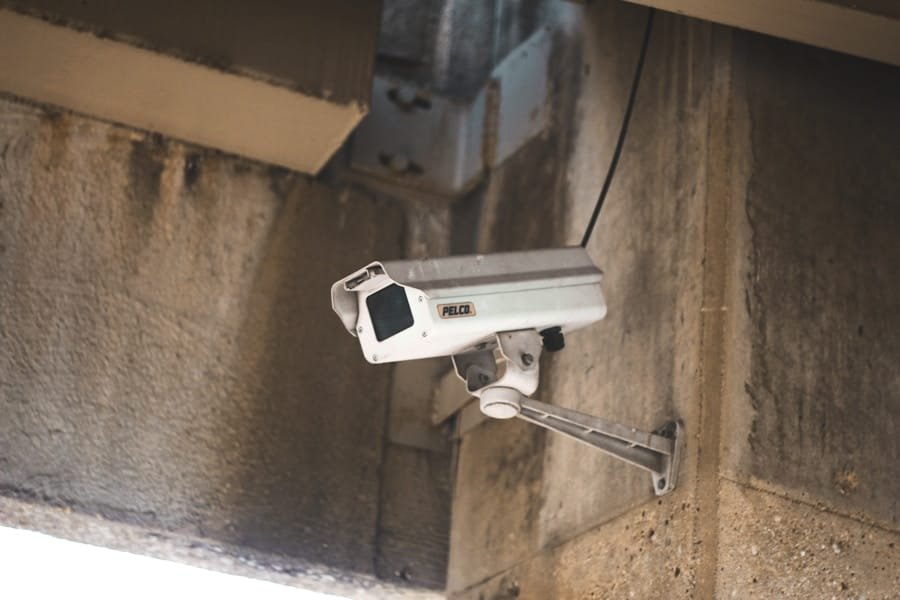
There are various types of outdoor cameras available on the market, each designed to meet different surveillance needs and preferences. One popular option is the bullet camera, known for its long-range capabilities and compact design. Bullet cameras are ideal for monitoring specific areas such as driveways or entrances due to their focused field of view.
If you require a wider coverage area, dome cameras may be more suitable. Their discreet design makes them less obtrusive while still providing excellent image quality. Another type worth considering is PTZ (pan-tilt-zoom) cameras, which offer flexibility in monitoring large areas.
With the ability to pan across a wide field of view and zoom in on specific details, PTZ cameras are perfect for dynamic environments where movement is expected. Additionally, some outdoor cameras come equipped with advanced features such as night vision, motion detection, and cloud storage options. As you explore these various types, think about your specific surveillance needs and how each camera type can fulfill them.
Testing Outdoor Cameras in Extreme Weather
To ensure that outdoor cameras perform reliably in extreme weather conditions, rigorous testing is essential. Manufacturers often subject their products to various environmental simulations to assess their durability and functionality under stress. This testing may include exposure to high humidity levels, extreme temperatures, heavy rainfall, and even simulated hailstorms.
By understanding how these tests are conducted, you can gain confidence in the reliability of the camera you choose. When evaluating outdoor cameras, look for those that have undergone third-party testing or have received certifications for their performance in adverse conditions. Reviews from other users can also provide valuable insights into how well a camera has performed in real-world scenarios.
By gathering information from multiple sources, you can make a more informed decision about which outdoor camera will best meet your needs while standing up to extreme weather challenges.
Tips for Maintaining Outdoor Cameras in Extreme Weather
Once you’ve invested in an outdoor camera, proper maintenance becomes crucial to ensure its longevity and effectiveness in extreme weather conditions. Regular cleaning is one of the simplest yet most effective ways to maintain your camera’s performance. Dust, dirt, and debris can accumulate on the lens and housing over time, obstructing your view and affecting image quality.
Make it a habit to inspect your camera periodically and clean it with a soft cloth or appropriate cleaning solution. Additionally, consider protecting your outdoor camera from direct exposure to harsh elements by installing it under eaves or awnings whenever possible. This simple adjustment can help shield it from rain and snow while still allowing for optimal surveillance coverage.
Furthermore, check the camera’s seals and gaskets regularly to ensure they remain intact; any wear or damage could compromise its weather resistance. By taking these proactive steps, you can extend the life of your outdoor camera and maintain its performance throughout various weather conditions.
Benefits of Using Outdoor Cameras in Extreme Weather
The advantages of using outdoor cameras extend far beyond mere surveillance; they play a vital role in enhancing security and providing peace of mind even during extreme weather events. One significant benefit is their ability to deter criminal activity. The presence of a visible camera can discourage potential intruders from targeting your property, knowing they are being monitored.
This deterrent effect remains effective regardless of weather conditions. Moreover, outdoor cameras equipped with advanced features such as motion detection and alerts can keep you informed about any unusual activity around your property in real-time. This capability allows you to respond promptly to potential threats or emergencies, ensuring that you remain vigilant even when severe weather strikes.
Additionally, many modern outdoor cameras offer cloud storage options, allowing you to access recorded footage from anywhere at any time—an invaluable feature during extreme weather when traditional power sources may be compromised.
Choosing the Right Outdoor Camera for Extreme Weather
In conclusion, selecting the right outdoor camera for extreme weather conditions requires careful consideration of various factors including durability, type, and maintenance needs. By understanding the unique challenges posed by your local climate and evaluating different camera options based on their specifications and performance ratings, you can make an informed decision that best suits your security needs. As you embark on this journey to enhance your property’s security with outdoor cameras, remember that investing in quality equipment will pay off in the long run.
With proper maintenance and attention to detail, your chosen outdoor camera will not only withstand extreme weather but also provide reliable surveillance year-round. Ultimately, the right choice will empower you with peace of mind knowing that your property is protected against both environmental elements and potential threats alike.
If you are interested in learning more about the future of home security and advanced system innovations, you may want to check out this article. It delves into the latest technologies and trends shaping the industry, including how outdoor cameras are evolving to withstand extreme weather conditions. Understanding the fundamentals of safeguarding your home, as discussed in this article, can further enhance your home security measures.
FAQs
What are extreme weather conditions?
Extreme weather conditions refer to severe and unusual weather events such as hurricanes, blizzards, extreme heat, heavy rain, and strong winds.
Can outdoor cameras withstand extreme weather conditions?
Yes, there are outdoor cameras specifically designed to withstand extreme weather conditions. These cameras are built with durable materials and are weatherproof to ensure they can function properly in harsh environments.
What features should outdoor cameras have to withstand extreme weather conditions?
Outdoor cameras designed to withstand extreme weather conditions should have features such as weatherproof housing, durable construction, and resistance to temperature fluctuations, moisture, and dust.
What are some examples of extreme weather-resistant outdoor cameras?
Some examples of outdoor cameras that can withstand extreme weather conditions include those with an IP66 or IP67 weatherproof rating, built-in heaters for cold climates, and sunshields for hot and sunny environments.
How can outdoor cameras be protected from extreme weather conditions?
To protect outdoor cameras from extreme weather conditions, they can be installed in sheltered areas, under eaves, or with protective housings. Regular maintenance and cleaning can also help prolong the lifespan of outdoor cameras in harsh environments.