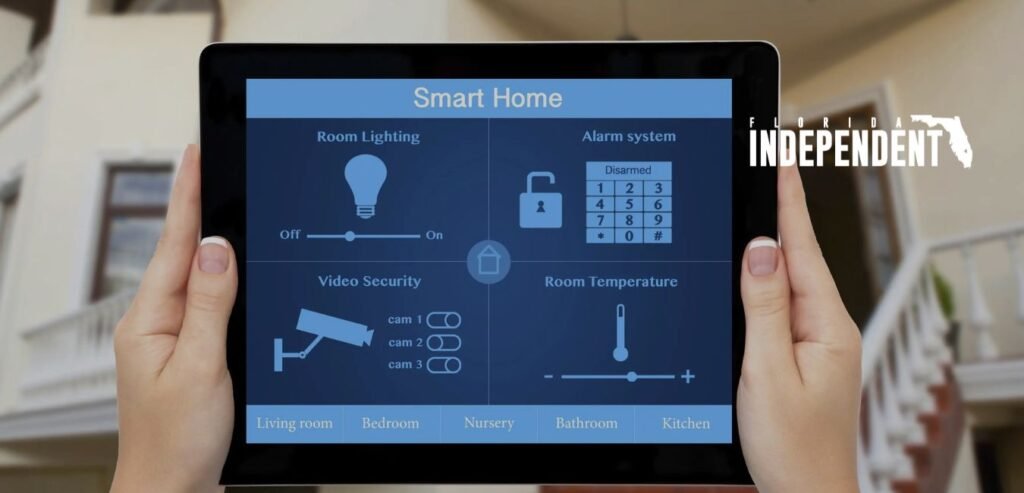
Imagine a world where your home is always protected, where advanced technology takes your peace of mind to a whole new level. The future of home security is here, with innovative system solutions designed to keep you and your loved ones safe. Say goodbye to the worries of burglary and intrusion, and say hello to a new era of convenience and security. With cutting-edge features such as facial recognition, AI-powered sensors, and smart locks, your home becomes a fortress that is impenetrable by any unauthorized individuals. Experience the future of home security and step into a world where your safety is paramount.
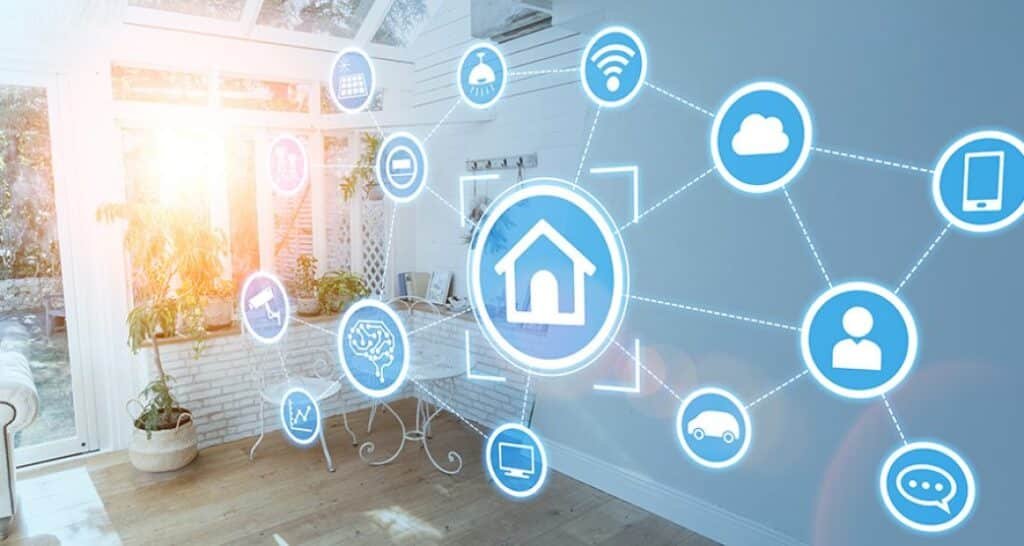
The rise of smart home technology
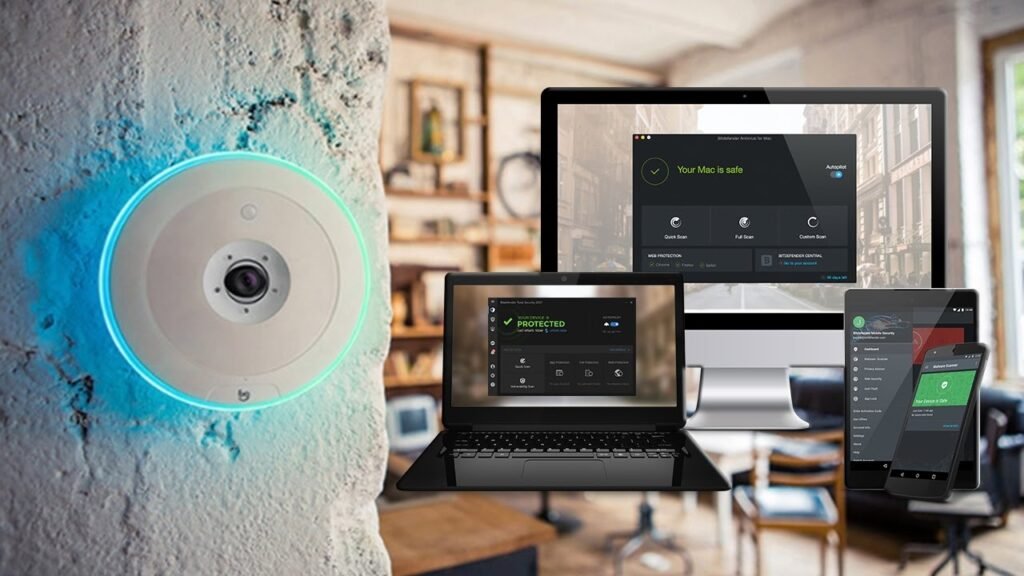
In recent years, the concept of a smart home has become increasingly popular, with technology revolutionizing the way we live. Smart home devices allow us to control and automate various functions within our homes, from lighting and heating to entertainment systems and even security. One area where smart home technology has made significant advancements is in the integration of smart home devices with security systems. Rather than having separate security systems that operate independently, smart home security systems bring all the devices and components together into a cohesive system that can be controlled from a single interface.
Integration of smart home devices with security systems
The integration of smart home devices with security systems offers a range of benefits. First and foremost, it provides homeowners with greater convenience and peace of mind. With a smart home security system, you can control and monitor your home security from anywhere, whether you’re at work or on vacation. This means you can check on your home, receive real-time alerts, and even remotely arm or disarm your security system. The seamless integration of smart home devices also ensures that your security system works in harmony with other smart devices in your home, creating a more efficient and interconnected environment.
Advantages of smart home security systems
Smart home security systems offer a myriad of advantages over traditional security systems. One key advantage is the ability to customize and expand your security system as per your specific needs. With smart home security, you can easily add or remove devices as required, giving you the flexibility to adapt your security setup to changing circumstances. Additionally, smart home security systems often come with advanced features such as video surveillance, motion detection, and entry sensors, which provide comprehensive and reliable protection for your home. With these features, you can monitor and track activities around your home, deter potential intruders, and gather evidence in the event of a security breach.
Compatibility with voice assistants
Another exciting aspect of smart home security systems is their compatibility with voice assistants such as Amazon Alexa or Google Assistant. This integration allows you to control and manage your security system simply by using voice commands. Whether it’s arming or disarming your security system, checking the status of your devices, or even receiving security updates, you can do it all through voice commands. This hands-free and intuitive interface revolutionizes the way we interact with our security systems and adds an extra layer of convenience to our everyday lives.
Biometric authentication for enhanced security
Biometric authentication is a cutting-edge technology that is gaining popularity in the field of home security. This technology utilizes unique physical or behavioral characteristics to verify a person’s identity, ensuring that only authorized individuals can access a secure area. Among the various biometric authentication methods, fingerprint scanning has become particularly common. With a fingerprint scanner, you can easily unlock your security system or specific areas of your home by placing your finger on the sensor. This eliminates the need for keys or passcodes, reducing the chances of unauthorized access.
Retina and iris recognition
In addition to fingerprint scanning, retina and iris recognition are also gaining traction as advanced biometric authentication methods. These technologies analyze the unique patterns and features of the eye to verify the identity of an individual. Retina recognition focuses on the blood vessels in the back of the eye, while iris recognition examines the colored part of the eye. Both methods offer highly accurate and secure forms of authentication, as the patterns of the eye are virtually impossible to replicate. By incorporating retina or iris recognition into your home security system, you can ensure that only authorized individuals can gain access to your property.
Voice recognition
Voice recognition is another form of biometric authentication that is being increasingly integrated into home security systems. By analyzing the unique characteristics of an individual’s speech patterns, voice recognition technology can accurately identify and authenticate the person speaking. This can be utilized to grant access to specific areas of your home or to control and manage your security system through voice commands. With voice recognition, you can enjoy a seamless and hands-free experience, knowing that your security system is tailored to your unique voice.
Artificial Intelligence and machine learning
Artificial Intelligence (AI) and machine learning have made significant strides in the field of home security. These technologies enable security systems to learn and adapt to their environment, improving threat detection and response capabilities. Adaptive learning algorithms are employed to analyze patterns and identify potential security threats. By continuously analyzing data from various sensors and devices, AI-powered security systems can detect abnormalities and alert homeowners to potential risks. This creates a smarter and more intuitive security system that can proactively respond to emerging threats.
Behavioral analysis to identify abnormal activities
One of the key applications of AI in home security is behavioral analysis. By analyzing the typical behavior patterns of individuals within a home, AI algorithms can identify deviations from the norm and flag them as potential security risks. For example, if a person usually arrives home at a certain time each day, but suddenly enters at an unusual hour, the security system can alert the homeowner to investigate the situation. This behavioral analysis provides an additional layer of security by identifying abnormal activities and ensuring homeowners are promptly notified of any potential threats.
Automated response systems
AI and machine learning also empower security systems to take automated actions in response to security breaches. For example, if an unauthorized entry is detected, the security system can automatically trigger an alarm, notify the homeowner, and even contact the authorities. This automated response minimizes the response time and ensures that appropriate measures are taken to mitigate the security risk. Furthermore, AI-powered security systems can learn from these incidents and adapt their response strategies accordingly, constantly improving their ability to protect the home.
IoT and interconnected security systems
The Internet of Things (IoT) has brought about a new era of interconnectedness, and home security systems have benefitted greatly from this technology. IoT allows all the devices and sensors within a home security system to communicate and share information seamlessly. This interconnectedness not only enables a more comprehensive coverage of the home but also facilitates real-time monitoring and notifications. With IoT, you can receive instant alerts on your smartphone whenever a security event occurs, allowing you to take immediate action, no matter where you are.
Wireless sensor networks for comprehensive coverage
One of the key advantages of IoT in home security is the ability to create wireless sensor networks. These networks consist of various sensors strategically placed around the home to detect and monitor different aspects of security, such as motion, door/window openings, and environmental conditions. Wireless connectivity eliminates the need for complex wiring installations and offers the flexibility to expand or reposition the sensors as needed. With wireless sensor networks, you can achieve comprehensive coverage of your home and ensure that every corner is protected.
Real-time monitoring and notifications
IoT-enabled security systems provide real-time monitoring and notifications, ensuring that you stay informed about the status of your home at all times. Whether it’s receiving alerts about an open door, a triggered motion sensor, or even a fire alarm, these notifications enable you to take immediate action and address any security risks. Real-time monitoring also allows you to remotely access live video feeds from your security cameras, providing you with a constant visual check on your home’s security. This level of awareness and control gives you peace of mind, knowing that you are always connected to your home’s security system.
Integration with home automation systems
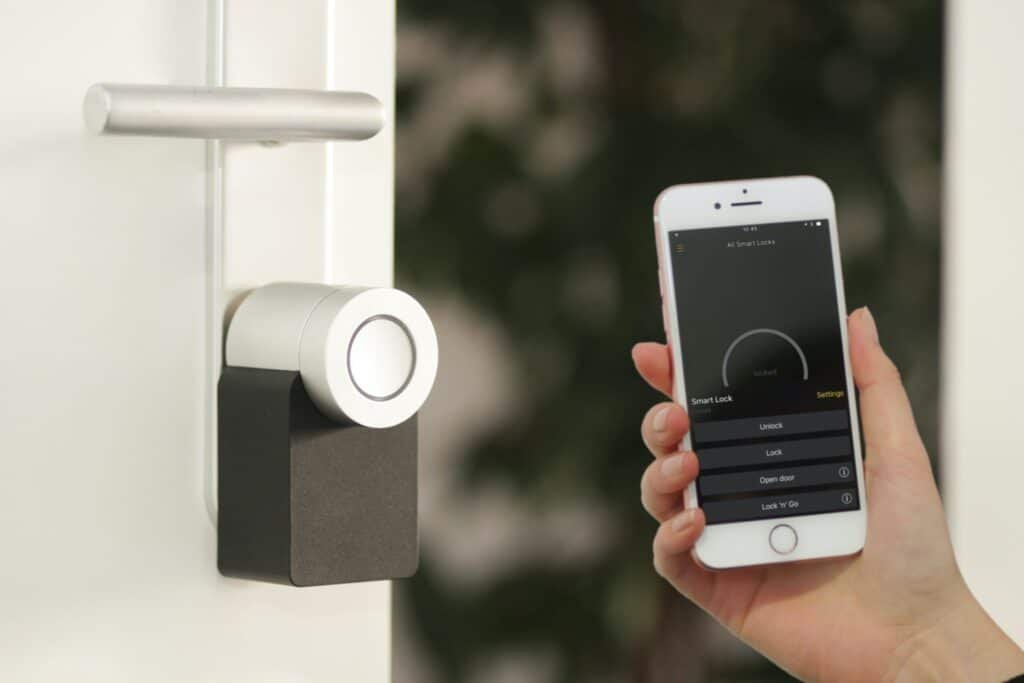
IoT integration extends beyond security and includes the integration of home automation systems. With interconnected security and home automation systems, you can create customized routines and automations that enhance the security of your home. For example, you can program your lighting system to mimic your daily routine when you’re away, giving the illusion that someone is home. You can also integrate your security system with smart locks, allowing you to remotely lock or unlock your doors, grant access to visitors, and even receive alerts when someone enters or leaves your home. The integration of security and home automation systems opens up a world of possibilities for enhancing the security and convenience of your home.
Cloud-based storage and remote access
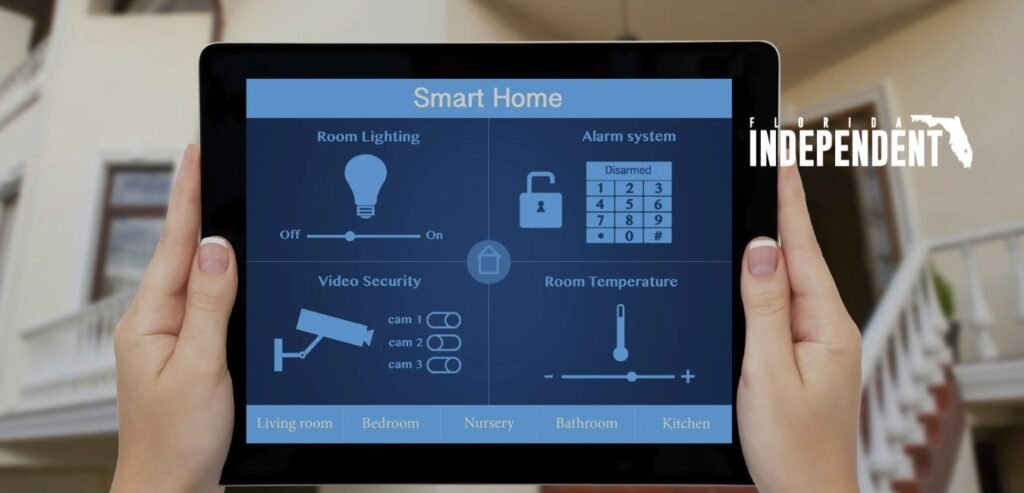
Cloud-based storage and remote access have revolutionized the way we store, access, and manage data, including surveillance footage from home security cameras. When it comes to security systems, cloud-based storage provides secure and reliable storage for your surveillance footage. Instead of relying on local storage devices that can be easily tampered with or damaged, cloud storage stores your footage in remote servers, ensuring its safety and accessibility. With remote access, you can conveniently view and manage your surveillance footage from anywhere in the world, using your smartphone, tablet, or computer.
Secure storage of surveillance footage
Cloud-based storage ensures the secure storage of your surveillance footage. The footage is encrypted and transmitted over secure channels, protecting it from unauthorized access and ensuring its integrity. This eliminates the risk of losing valuable evidence in the event of a security breach or tampering with the footage. Cloud storage also provides redundancy, with multiple copies of your footage stored in different locations, safeguarding against data loss due to hardware failure or natural disasters. With secure and reliable cloud-based storage, you can have peace of mind, knowing that your surveillance footage is protected and readily accessible when needed.
Accessing security system remotely
One of the major advantages of cloud-based storage is the ability to access your security system remotely. With remote access, you can view live video feeds from your security cameras, check the status of your security system, and even control your devices, all from the convenience of your smartphone or computer. This remote access empowers homeowners to stay connected to their homes, even when they’re away. Whether you’re on vacation, at work, or simply running errands, you can monitor your home and ensure its security with just a few taps on your smartphone.
Enhanced reliability and data redundancy
Cloud-based storage offers enhanced reliability and data redundancy compared to local storage solutions. With local storage, there is always a risk of data loss due to hardware malfunctions, theft, or physical damage. Cloud storage eliminates these risks, as your footage is securely stored in remote servers with built-in redundancies. This means that even if one server fails, your data will still be accessible from other servers. The added reliability and data redundancy provided by cloud-based storage ensure that you never lose crucial surveillance footage and can rely on your security system to protect your home effectively.
Drone technology for proactive surveillance
With the rise of automation and technological advancements, drone technology has emerged as a game-changer in the field of home security. Drones equipped with advanced surveillance capabilities can be utilized to provide proactive surveillance and security monitoring for homes. These drones can be programmed to perform automated patrols, covering large areas and capturing real-time video footage. By flying over your property, drones can identify potential security breaches, such as open doors or suspicious activities, and notify homeowners or security personnel immediately.
Automated patrols and monitoring
Drones equipped with autonomous capabilities can perform automated patrols and monitoring of your property. By following predefined flight paths and patterns, drones can cover large areas of your home, providing comprehensive surveillance without human intervention. This automated patrol system ensures that no area goes unmonitored, minimizing blind spots and enhancing the overall security of your property. Automated patrols can operate at scheduled times or be triggered by specific events, such as detecting motion or unusual activities.

Thermal imaging and night vision capabilities
One of the key features of security drones is their ability to capture video footage in challenging lighting conditions. Drones equipped with thermal imaging and night vision capabilities can see and record activities even in complete darkness or low-light environments. This enables your security system to remain effective and vigilant 24/7, regardless of the time of day. Thermal imaging allows drones to detect heat signatures, making it easier to identify warm bodies or potential intruders, while night vision technology enables clear visibility in the absence of natural or artificial lighting.
Rapid response to security breaches
Drones provide a rapid response to security breaches by swiftly identifying and reporting any suspicious or unauthorized activities. By transmitting real-time video feeds, drones can provide homeowners or security personnel with immediate visual confirmation of a security breach. This allows for prompt action to be taken, such as contacting the authorities, dispatching security personnel, or activating alarms. The ability of drones to quickly respond to security breaches can greatly enhance the effectiveness of home security systems and contribute to timely intervention, ultimately deterring potential intruders.
Blockchain for secure data management
Blockchain technology, originally developed for cryptocurrencies like Bitcoin, has found its way into various industries, including home security. Blockchain technology offers secure and tamper-proof recording of security system data, ensuring the integrity and transparency of the information. By utilizing a decentralized and distributed ledger, blockchain eliminates the need for a central authority, making it almost impossible for the data to be tampered with or altered. This provides an added layer of security for sensitive security system data, such as access logs, surveillance footage, and authentication records.
Tamper-proof recording of security system data
Blockchain technology ensures tamper-proof recording of security system data by encrypting the data and storing it in blocks. Each block contains a unique identifier, a timestamp, and a reference to the previous block, creating a chain of blocks that is virtually impossible to modify without detection. This means that security events, access logs, and other crucial data recorded by your security system cannot be tampered with, providing a reliable and verifiable record of every activity within your home. This transparency and audibility make blockchain technology an ideal solution for secure data management in home security systems.
Enhanced privacy and encryption
Privacy is a major concern when it comes to home security, and blockchain technology addresses this concern by enhancing privacy and encryption. With blockchain, data is encrypted using advanced cryptographic algorithms, ensuring that only authorized individuals can access and decipher the information. This level of encryption provides an extra layer of protection for sensitive security system data, preventing unauthorized access or eavesdropping. Furthermore, the decentralized nature of blockchain ensures that your data is not stored in a single location, reducing the risk of data breaches and unauthorized access.
Decentralized storage and access control
Blockchain technology offers decentralized storage and access control, eliminating the need for centralized servers and authorities. Instead of relying on a single point of failure, data is distributed across multiple nodes or computers within the blockchain network. This redundancy ensures that even if one node fails or is compromised, the data remains accessible from other nodes. Decentralized access control means that homeowners have full control over their security system data, with the ability to grant or revoke access rights as needed. This decentralized approach adds an extra layer of security and protection to your home security system.
Virtual reality for immersive security experiences
Virtual reality (VR) technology has gained widespread popularity in the gaming and entertainment industry, but it also has applications in the field of home security. VR can provide immersive and realistic security experiences, enabling homeowners to visualize potential security threats, simulate emergency scenarios, and train security personnel effectively.
Virtual walkthroughs and simulations
Virtual reality allows homeowners to take virtual walkthroughs of their homes, inspecting every room and area with a 360-degree view. By using VR headsets or mobile devices, homeowners can virtually explore their homes, giving them a detailed understanding of the layout and potential vulnerabilities. This immersive experience enables homeowners to identify weak points in their security systems, such as blind spots or areas with limited coverage. VR simulations can also be utilized to create emergency scenarios, such as simulated break-ins or fire incidents, allowing homeowners to practice their response strategies and ensure their readiness in real-life situations.
Training security personnel
Virtual reality can be a valuable tool for training security personnel, providing them with realistic and immersive training scenarios. By simulating various security threats and emergency situations, security personnel can practice their response strategies in a virtual environment, honing their skills and decision-making abilities. VR training can include scenarios such as dealing with intruders, responding to alarms, or managing crowd control during large events. This hands-on training not only enhances the effectiveness of security personnel but also reduces the cost and logistical challenges associated with traditional training methods.
Visualizing potential security threats
Virtual reality allows homeowners to visualize potential security threats and vulnerabilities in a highly realistic and immersive manner. By simulating real-world scenarios, homeowners can gain insight into the effectiveness of their security measures and identify areas for improvement. For example, VR can simulate how an intruder might attempt to break into a home or how a fire might spread through different areas. By visualizing these threats, homeowners can make informed decisions about enhancing their security systems, such as adding additional cameras, upgrading locks, or installing fire detection systems.
Advanced sensor technologies
Home security systems rely on a variety of sensors to detect and monitor various aspects of security. Advances in sensor technologies have made home security systems more accurate, efficient, and reliable in detecting potential threats or hazards.
Laser-based motion detection
Laser-based motion detection is an advanced sensor technology that offers precise and accurate detection of motion. Laser sensors emit a laser beam and monitor the reflection pattern. When an object or person disrupts the pattern, the sensor can detect and trigger an alarm or activate cameras. Laser-based motion detection is highly effective in distinguishing between human movement and other types of movement, minimizing false alarms and enhancing the overall reliability of the security system.
Facial recognition sensors
Facial recognition sensors are becoming increasingly common in home security systems. These sensors analyze facial features and compare them to stored profiles to verify the identity of individuals. Facial recognition sensors offer a more convenient and secure form of access control, as homeowners can grant access to authorized individuals by simply scanning their faces. This eliminates the need for physical keys or passcodes, reducing the risk of unauthorized access.
Environmental sensors for hazard detection
In addition to detecting security threats, home security systems can incorporate environmental sensors to detect potential hazards. Environmental sensors can monitor factors such as temperature, humidity, smoke, and carbon monoxide levels, allowing homeowners to quickly respond to potential dangers. For example, if a sudden increase in temperature is detected, the security system can alert homeowners about a potential fire and activate fire suppression systems. By integrating environmental sensors into home security systems, homeowners can enhance the safety and well-being of their homes beyond just security.
Cybersecurity advancements in home security
As smart home technology continues to advance, so does the need for robust cybersecurity measures to protect homes from potential cyber threats. Home security systems are not exempt from potential vulnerabilities and attacks, making it crucial to incorporate cybersecurity advancements into the design and implementation of these systems.
Protecting smart home devices from cyber threats
Smart home devices, such as security cameras, doorbell cameras, and smart locks, are potential targets for cybercriminals. These devices can be vulnerable to hacking attempts, unauthorized access, or even used as gateways for further attacks. To protect smart home devices from cyber threats, robust security measures such as encryption, secure firmware and software updates, and regular vulnerability assessments must be implemented. Homeowners should also ensure that they follow best practices for securing their Wi-Fi network, such as using strong passwords and enabling network encryption.
Encrypting data transmission
Secure data transmission is crucial to prevent eavesdropping and unauthorized access to sensitive information. Home security systems should utilize encryption protocols to ensure that data transmitted between devices and the central hub is securely protected. Encryption protocols such as Transport Layer Security (TLS) or Secure Sockets Layer (SSL) can be employed to encrypt data and verify the authenticity of the communication channels. By encrypting data transmission, homeowners can have confidence that their security system is resistant to interception and tampering.
Securing firmware and software updates
Regular firmware and software updates are essential for maintaining the security of home security systems. These updates often contain important security patches and bug fixes that address vulnerabilities discovered over time. However, the process of updating firmware and software can introduce its own security risks if not done properly. Security systems should implement secure update mechanisms that verify the authenticity of the updates and ensure that they haven’t been tampered with. Homeowners should also ensure that they promptly install updates released by the manufacturers of their security systems to stay protected against emerging threats.
In conclusion, the future of home security is shaped by advancements in technology that offer innovative solutions for enhanced security, convenience, and peace of mind. From the integration of smart home devices with security systems to the utilization of biometric authentication methods, artificial intelligence, IoT, cloud-based storage, drone technology, blockchain, virtual reality, advanced sensor technologies, and cybersecurity measures, the possibilities for home security systems are expanding rapidly. With these advancements, homeowners can create comprehensive and intelligent security systems that not only protect their homes but also provide a seamless and personalized experience. Whether it’s monitoring your home from anywhere in the world, having biometric access control, or visualizing potential threats in virtual reality, the future of home security promises a new level of security and convenience.