In today’s world, the need for effective home security has never been more critical. As crime rates fluctuate and the threat of home invasions looms, homeowners are increasingly seeking ways to protect themselves and their loved ones. One of the most vital components of modern home security systems is the panic button.
This small yet powerful device serves as a lifeline in emergencies, allowing you to summon help quickly and discreetly. The importance of panic buttons cannot be overstated; they provide peace of mind and a sense of safety that is invaluable in an unpredictable world. When you consider the various scenarios that could necessitate the use of a panic button—such as a break-in, medical emergency, or even a fire—the significance becomes even clearer.
In moments of crisis, every second counts, and having immediate access to emergency services can make all the difference. Panic buttons empower you to take control of your safety, ensuring that help is just a press away. This capability not only enhances your security but also fosters a greater sense of confidence in your home environment.
Key Takeaways
- Panic buttons are crucial in home security devices as they provide a quick and easy way to call for help in case of an emergency.
- Types of home security devices with panic buttons include key fobs, wearable devices, and smart home security systems.
- Panic buttons work by sending a distress signal to a monitoring center or directly to emergency services when activated.
- Having a panic button in a home security system provides peace of mind and quick access to help in dangerous situations.
- In case of an emergency, users can simply press the panic button to alert authorities and receive immediate assistance.
Types of Home Security Devices with Panic Buttons
Home security devices equipped with panic buttons come in various forms, each designed to cater to different needs and preferences. One common type is the traditional alarm system, which often includes a panic button on the control panel or as a separate remote device. This setup allows you to trigger an alarm that alerts local authorities while simultaneously notifying you and your family members.
The simplicity and effectiveness of these systems make them a popular choice among homeowners. Another innovative option is the wearable panic button, which can be integrated into personal safety devices like smartwatches or dedicated pendants. These devices are particularly beneficial for individuals who may be at higher risk, such as the elderly or those living alone.
With a wearable panic button, you can maintain mobility while still having immediate access to emergency assistance. Additionally, some smart home systems now offer panic buttons that can be activated through mobile apps, providing you with even more flexibility in how you manage your home security.
How Panic Buttons Work in Home Security Devices
Understanding how panic buttons function within home security systems is essential for maximizing their effectiveness. When you press a panic button, it typically sends a signal to the central control panel of your security system. This signal can trigger various responses depending on how your system is configured.
For instance, it may activate loud alarms, flash lights, or send alerts to your smartphone or monitoring service. In many cases, it will also notify local law enforcement or emergency services automatically. The technology behind panic buttons has evolved significantly over the years.
Modern systems often utilize wireless communication, allowing for quick and reliable transmission of signals without the need for cumbersome wiring. This wireless capability not only enhances the ease of installation but also ensures that the panic button remains functional even during power outages or other emergencies. Understanding these mechanics can help you appreciate the reliability and efficiency of panic buttons in your home security setup.
Benefits of Having a Panic Button in a Home Security System
Incorporating a panic button into your home security system offers numerous benefits that extend beyond mere convenience. One of the most significant advantages is the rapid response it facilitates during emergencies. When faced with a threatening situation, having a dedicated panic button allows you to alert authorities without needing to dial a phone number or explain your situation verbally.
This immediacy can be crucial in life-threatening scenarios where every moment matters. Moreover, panic buttons contribute to an overall sense of security within your home. Knowing that you have a reliable means of summoning help can alleviate anxiety and allow you to feel more at ease in your living space.
This psychological benefit is particularly important for families with children or elderly members who may require additional support during emergencies. The presence of a panic button can foster a sense of safety that permeates your entire household, encouraging everyone to feel secure and protected.
How to Use a Panic Button in Case of Emergency
Using a panic button effectively during an emergency requires familiarity with its operation and understanding when to activate it. In most cases, activating the panic button is as simple as pressing it once; however, it’s essential to familiarize yourself with your specific device’s instructions beforehand. Take time to practice using the button so that you can do so quickly and confidently when needed.
In an emergency situation, remain calm and press the panic button without hesitation if you feel threatened or unsafe. Once activated, stay in a secure location if possible and wait for help to arrive. If your system allows for two-way communication, use it to provide any necessary information to emergency responders.
Remember that while panic buttons are designed for urgent situations, they should not be used lightly; reserve their use for genuine emergencies to ensure that resources are available for those who truly need them.
Integrating Panic Buttons with Other Home Security Features
Enhanced Monitoring and Response
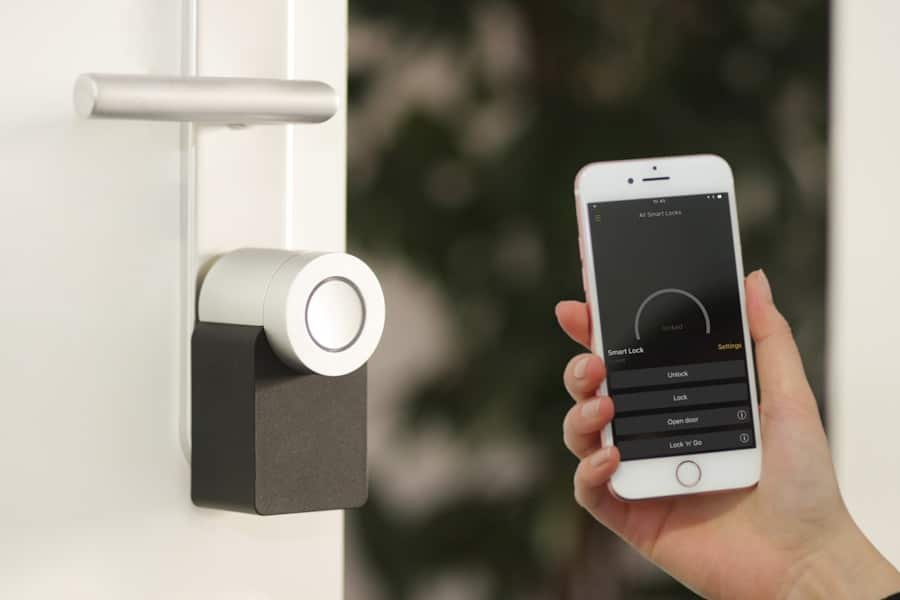
For instance, when a panic button is activated, it could trigger nearby cameras to start recording or send alerts to your smartphone about unusual activity around your property.
Convenience and Control through Smart Home Integration
Additionally, integrating panic buttons with smart home technology can provide even greater convenience and control. For example, if you have smart lighting installed, activating the panic button could cause all lights in your home to flash, drawing attention to your situation while simultaneously illuminating escape routes for you and your family.
A More Responsive Environment
This interconnected approach not only improves your overall security but also creates a more responsive environment tailored to your specific needs.
Considerations When Choosing a Home Security Device with a Panic Button
When selecting a home security device equipped with a panic button, several factors should influence your decision-making process. First and foremost, consider the reliability and reputation of the manufacturer. Research customer reviews and ratings to ensure that you’re investing in a product known for its durability and effectiveness.
A well-established brand often indicates quality assurance and dependable customer support. Another critical consideration is the ease of use and accessibility of the panic button itself. Ensure that it is conveniently located within your home and easy for all family members to operate, including children and elderly individuals who may require assistance during emergencies.
Additionally, evaluate whether the device offers features such as wireless connectivity or integration with other smart home systems, as these can enhance its functionality and convenience.
The Future of Panic Buttons in Home Security Devices
As technology continues to advance at an unprecedented pace, the future of panic buttons in home security devices looks promising. Innovations such as artificial intelligence and machine learning are likely to play significant roles in enhancing the functionality of these devices. For instance, future panic buttons may incorporate biometric features that allow for personalized access or even automatic alerts based on detected threats.
Moreover, as smart home technology becomes increasingly prevalent, we can expect panic buttons to evolve into more integrated systems that communicate seamlessly with other devices in your home. Imagine a scenario where your panic button not only alerts authorities but also locks all doors, activates surveillance cameras, and sends real-time updates to your smartphone—all within seconds of activation. This level of sophistication could redefine how we approach home security and personal safety in the years to come.
In conclusion, panic buttons are an essential component of modern home security systems that provide peace of mind and rapid response capabilities during emergencies. By understanding their importance, functionality, and integration with other security features, you can make informed decisions about protecting yourself and your loved ones. As technology continues to evolve, so too will the capabilities of panic buttons, ensuring that they remain a vital tool in safeguarding our homes and enhancing our sense of security.
If you are considering installing a home security system with panic buttons, you may also be interested in reading about essential tips for home protection. This article provides valuable information on how to enhance the security of your home and keep your loved ones safe. Check it out here.
FAQs
What is a panic button in a home security device?
A panic button in a home security device is a feature that allows the user to quickly and discreetly call for help in case of an emergency. It is designed to provide a rapid response from emergency services or a monitoring center.
Do all home security devices have panic buttons?
Not all home security devices have panic buttons. The availability of a panic button depends on the specific features and capabilities of the home security device. Some devices, such as security systems with professional monitoring, may include panic buttons as a standard feature, while others, such as standalone cameras or motion sensors, may not have this capability.
What types of home security devices typically have panic buttons?
Home security devices that are designed to provide comprehensive protection, such as professionally monitored security systems, often include panic buttons. These systems may have panic buttons on the control panel, key fobs, or mobile apps for easy access in case of an emergency.
How do panic buttons work in home security devices?
Panic buttons in home security devices are typically activated by pressing a designated button or triggering a specific command through the device’s interface. Once activated, the panic button sends an immediate alert to the monitoring center or designated contacts, signaling that the user needs assistance.
Can standalone panic buttons be added to home security systems?
Yes, standalone panic buttons can be added to home security systems as an additional feature. These standalone panic buttons can be placed in strategic locations throughout the home for easy access in case of an emergency. They can be integrated with the existing security system for a comprehensive safety solution.