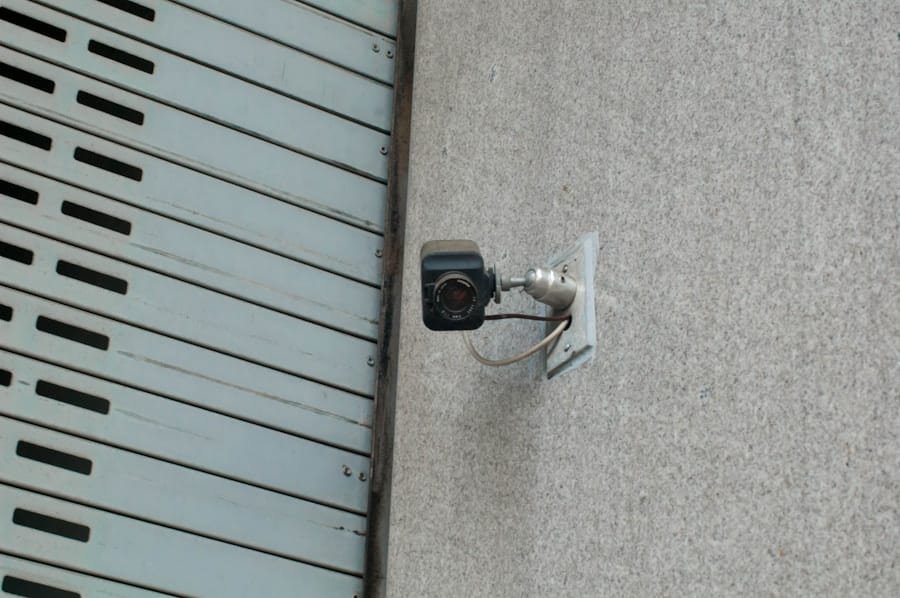
In today’s digital landscape, security systems are the backbone of protecting sensitive information and maintaining operational integrity. However, it is crucial for you to recognize that these systems are not infallible. Understanding the potential vulnerabilities inherent in security systems is the first step toward fortifying your defenses.
Cyber threats are constantly evolving, and attackers are becoming increasingly sophisticated in their methods. By familiarizing yourself with common vulnerabilities, such as outdated software, weak passwords, and social engineering tactics, you can better prepare your organization against potential breaches. Moreover, it is essential to consider the human element in security vulnerabilities.
Employees may inadvertently expose your systems to risks through careless actions or lack of awareness. For instance, clicking on phishing links or using unsecured networks can compromise even the most robust security measures. By acknowledging these vulnerabilities, you can create a more comprehensive security strategy that addresses both technological and human factors.
This understanding will empower you to implement proactive measures that mitigate risks and enhance the overall security posture of your organization.
Key Takeaways
- Security systems can be vulnerable to various threats, including cyber attacks, physical breaches, and insider threats.
- Strong encryption and authentication measures should be implemented to protect sensitive data and prevent unauthorized access.
- Regularly updating and patching security system software is essential to address known vulnerabilities and ensure optimal protection.
- Monitoring and analyzing network traffic for unusual activity can help detect and respond to potential security breaches in a timely manner.
- Firewalls and intrusion detection/prevention systems should be used to prevent unauthorized access and detect and block malicious activity on the network.
- Limiting access to security system controls and settings can help prevent unauthorized changes and reduce the risk of security breaches.
- Conducting regular security audits and penetration testing can help identify and address security weaknesses before they can be exploited by attackers.
- Educating employees and users about security best practices is crucial for creating a security-conscious culture and reducing the risk of human error leading to security breaches.
Implementing strong encryption and authentication measures
Once you have a grasp of potential vulnerabilities, the next step is to implement strong encryption and authentication measures. Encryption serves as a critical line of defense by converting sensitive data into a format that is unreadable without the appropriate decryption key. This means that even if an attacker gains access to your data, they will be unable to interpret it without the necessary credentials.
You should prioritize using advanced encryption standards (AES) for data at rest and in transit, ensuring that your information remains secure against unauthorized access. In addition to encryption, robust authentication measures are vital for safeguarding your systems. Multi-factor authentication (MFA) is an effective way to enhance security by requiring users to provide multiple forms of verification before accessing sensitive information.
This could include a combination of something they know (like a password), something they have (like a smartphone), or something they are (like a fingerprint). By implementing MFA, you significantly reduce the likelihood of unauthorized access, as attackers would need to bypass multiple layers of security to gain entry.
Regularly updating and patching security system software

Keeping your security system software up to date is another critical aspect of maintaining a secure environment. Software developers frequently release updates and patches to address known vulnerabilities and improve system performance. By neglecting these updates, you leave your systems exposed to potential threats that could have been mitigated with timely action.
You should establish a routine for checking for updates and applying them promptly to ensure that your security measures remain effective against emerging threats. Additionally, it is important to maintain an inventory of all software applications in use within your organization. This inventory will help you track which programs require updates and ensure that no outdated software slips through the cracks.
Regularly scheduled maintenance checks can also be beneficial in identifying any software that may no longer be supported by the vendor, as unsupported software can pose significant risks. By prioritizing updates and patches, you create a more resilient security framework that adapts to the ever-changing threat landscape.
Monitoring and analyzing network traffic for unusual activity
Monitoring and analyzing network traffic is essential for detecting unusual activity that may indicate a security breach. By keeping a close eye on network traffic patterns, you can identify anomalies that could signal an intrusion or other malicious behavior. Implementing network monitoring tools allows you to gain real-time insights into data flows, enabling you to respond swiftly to potential threats before they escalate into serious incidents.
In addition to real-time monitoring, it is beneficial to conduct regular analyses of historical network traffic data. This analysis can help you establish baseline behavior patterns, making it easier to spot deviations that may warrant further investigation. You should also consider employing machine learning algorithms that can automatically detect unusual patterns and alert you to potential threats.
By combining proactive monitoring with advanced analytical techniques, you can significantly enhance your ability to detect and respond to security incidents effectively.
Using firewalls and intrusion detection/prevention systems
Firewalls and intrusion detection/prevention systems (IDPS) are fundamental components of any comprehensive security strategy. Firewalls act as barriers between your internal network and external threats, controlling incoming and outgoing traffic based on predetermined security rules. By configuring firewalls correctly, you can block unauthorized access attempts while allowing legitimate traffic to flow freely.
It is essential for you to regularly review and update firewall rules to adapt to changing network conditions and emerging threats. Intrusion detection/prevention systems complement firewalls by actively monitoring network traffic for signs of malicious activity. An IDPS can alert you to potential intrusions in real-time, allowing for immediate response actions to mitigate risks.
Some systems even have the capability to automatically block suspicious traffic based on predefined criteria. By integrating firewalls with IDPS, you create a multi-layered defense that enhances your organization’s ability to detect and respond to threats effectively.
Limiting access to security system controls and settings

Limiting access to security system controls and settings is a crucial measure in safeguarding your organization’s sensitive information. Not all employees require access to every aspect of your security infrastructure; therefore, implementing role-based access control (RBAC) can help ensure that only authorized personnel have the ability to modify critical settings or access sensitive data. By restricting access based on job responsibilities, you minimize the risk of accidental or intentional misuse of security controls.
Furthermore, it is essential to regularly review access permissions and make adjustments as necessary. Employees may change roles or leave the organization, which can lead to outdated access rights if not managed properly. Conducting periodic audits of user access can help identify any discrepancies and ensure that only those who need access retain it.
By maintaining strict control over who can access security settings, you bolster your defenses against internal threats while also reducing the risk of external breaches.
Conducting regular security audits and penetration testing
Regular security audits and penetration testing are vital practices for assessing the effectiveness of your security measures. Security audits involve a comprehensive review of your organization’s policies, procedures, and technical controls to identify potential weaknesses or areas for improvement. By conducting these audits on a routine basis, you can ensure that your security posture remains strong and aligned with industry best practices.
Penetration testing takes this assessment a step further by simulating real-world attacks on your systems. Engaging ethical hackers to test your defenses allows you to identify vulnerabilities before malicious actors can exploit them. These tests provide valuable insights into how well your security measures hold up against various attack vectors.
You should consider scheduling penetration tests at least annually or after significant changes to your infrastructure. By prioritizing regular audits and testing, you create a culture of continuous improvement in your organization’s security practices.
Educating employees and users about security best practices
Finally, educating employees and users about security best practices is one of the most effective ways to enhance your organization’s overall security posture. Human error remains one of the leading causes of security breaches; therefore, investing in training programs can significantly reduce risks associated with employee actions. You should provide regular training sessions that cover topics such as recognizing phishing attempts, creating strong passwords, and understanding the importance of data protection.
In addition to formal training programs, fostering a culture of security awareness within your organization is essential. Encourage open communication about security concerns and empower employees to report suspicious activity without fear of repercussions. By creating an environment where everyone feels responsible for maintaining security, you strengthen your defenses against potential threats.
Remember that cybersecurity is not just the responsibility of IT; it requires a collective effort from all members of your organization to be truly effective. In conclusion, securing your organization’s information systems requires a multifaceted approach that encompasses understanding vulnerabilities, implementing strong measures, regular maintenance, monitoring activities, controlling access, conducting audits, and educating users. By taking these steps seriously and integrating them into your organizational culture, you can significantly enhance your resilience against cyber threats while fostering a safer digital environment for everyone involved.
If you are looking for effective strategies for home protection, you may want to check out this article on Our Secure Home. It provides valuable tips and techniques to enhance the security of your home. In addition, you can also read about the 5 must-have features for your home security system in this article. These resources can help you ensure that your security system itself is not vulnerable to hackers.
FAQs
What are the potential vulnerabilities of a security system to hackers?
Security systems can be vulnerable to hackers through weak passwords, outdated software, unsecured network connections, and lack of encryption.
How can I ensure my security system is not vulnerable to hackers?
To ensure your security system is not vulnerable to hackers, you can regularly update the software, use strong and unique passwords, enable encryption, secure network connections, and regularly monitor for any suspicious activities.
What are some best practices for securing a security system from hackers?
Best practices for securing a security system from hackers include using multi-factor authentication, implementing firewalls, regularly conducting security audits, and staying informed about the latest security threats and solutions.
What should I do if I suspect my security system has been compromised by hackers?
If you suspect your security system has been compromised by hackers, you should immediately disconnect it from the network, change all passwords, and contact the security system provider for assistance in addressing the breach.