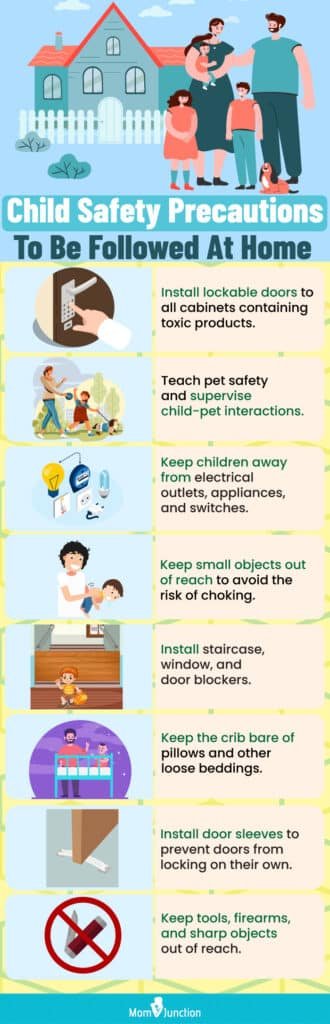
In today’s ever-changing world, ensuring the safety and security of your home has become more crucial than ever before. From burglaries to natural disasters, there are countless threats that can jeopardize the sanctity of your living space. That’s why it’s essential to have effective strategies in place to protect your home and loved ones. By implementing these strategies, such as installing a robust security system, reinforcing entry points, and practicing fire safety measures, you can gain peace of mind and create a safer environment for you and your family.
1. Security Systems
When it comes to ensuring the safety and security of your home, one of the most effective and popular options is installing a security system. There are several different types of security systems available, each offering its own unique set of features and benefits. In this section, we will explore three commonly used security systems: alarm systems, surveillance cameras, and smart locks.
1.1 Alarm Systems
Alarm systems can serve as a powerful deterrent against potential intruders and provide you with peace of mind knowing that your home is being continuously monitored. These systems typically consist of sensors placed on doors and windows, as well as motion detectors strategically positioned throughout your property. When an unauthorized entry or suspicious movement is detected, the alarm system will sound an alarm and send a signal to a monitoring center, where professionals can quickly assess the situation and take appropriate action. Some alarm systems also offer features such as smoke and carbon monoxide detectors, providing an additional layer of safety.
1.2 Surveillance Cameras
Surveillance cameras have become increasingly popular in recent years as a means of enhancing home security. These cameras can be installed both indoors and outdoors to monitor and record any suspicious activity. The footage captured by surveillance cameras can be accessed in real-time or reviewed later, providing valuable evidence in the event of a break-in or other security incident. Many surveillance cameras also offer features such as night vision, pan-tilt-zoom functionality, and motion detection, further enhancing their effectiveness.
1.3 Smart Locks
Smart locks are a modern and convenient way to ensure the security of your home’s entry points. These locks can be controlled remotely via a smartphone app, allowing you to lock and unlock your doors from anywhere. Smart locks often come with additional features such as keyless entry, temporary access codes for guests, and notifications that alert you when someone enters or leaves your home. With a smart lock, you can have greater control over who has access to your home while also eliminating the need for physical keys.
2. Outdoor Security Measures
While security systems provide excellent protection for the interior of your home, it is also important to focus on outdoor security measures. By taking steps to secure the exterior of your property, you can discourage potential intruders and create a safer environment for yourself and your family. In this section, we will discuss three essential outdoor security measures: adequate lighting, secure windows and doors, and fencing and gates.
2.1 Adequate Lighting
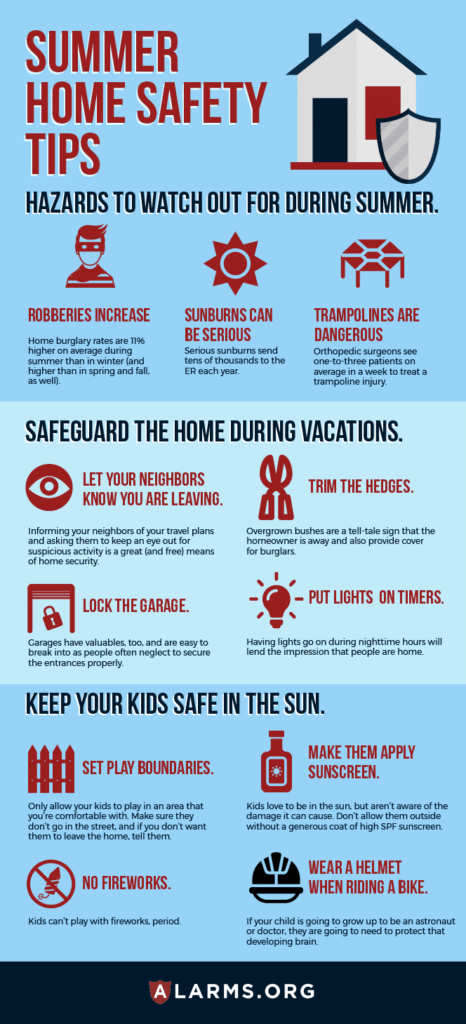
Having adequate lighting around the perimeter of your property is crucial for deterring criminals and improving overall safety. Well-lit areas make it more difficult for someone to approach your home unnoticed, as they are more likely to be seen by you or your neighbors. Install motion-activated lights at entry points, such as the front door and garage, as well as along pathways and near vulnerable areas. Additionally, consider using timers to automatically turn on lights inside your home when you are away, giving the illusion that someone is present.
2.2 Secure Windows and Doors
Windows and doors are common entry points for intruders, so it is essential to ensure they are secure. Install sturdy locks on all windows and doors, and consider reinforcing them with additional measures such as security bars or laminated glass. Double-pane windows are harder to break than single-pane windows, making them a smart investment for added security. Regularly inspect your windows and doors for any signs of wear or damage, and promptly repair or replace them as needed to maintain their effectiveness.
2.3 Fencing and Gate
Installing a fence around your property, particularly in the backyard, can provide an extra layer of security. A sturdy fence can act as a physical barrier, making it more difficult for intruders to gain access to your home. Choose a fence that is tall enough to deter climbing and has a secure gate that can be locked. Also, consider using materials that are difficult to climb or cut through, such as wrought iron or chain-link. Regularly inspect your fence for any signs of wear or damage and address any issues promptly to maintain its effectiveness.
3. Secure Entry Points
Securing the entry points of your home, such as doors and windows, is crucial for preventing unauthorized access. Intruders often target these vulnerable areas, so taking steps to reinforce them can significantly enhance your home’s security. In this section, we will discuss three effective methods for securing entry points: reinforced doors, window security film, and door and window sensors.
3.1 Reinforced Doors
Standard doors are often not strong enough to withstand forced entry attempts, making them an easy target for intruders. Reinforcing your doors can make them much more resistant to break-ins. Consider installing solid core or metal doors, as they are more secure than hollow core doors. Upgrade the strike plate and deadbolt on your doors to high-quality, heavy-duty versions. Additionally, install door frame reinforcement devices, such as door armor or door edge guards, to reinforce weak points.
3.2 Window Security Film
Windows are another common entry point for intruders, but adding security film can make them significantly more resistant to breakage. Security film is applied directly to the glass surface, creating a protective barrier that makes it harder to shatter the window. Even if the window is broken, the film holds the shards together, making it more difficult for someone to gain access. Security film also offers the added benefit of protecting your home from flying debris during storms or natural disasters.
3.3 Door and Window Sensors
Door and window sensors are an integral part of any comprehensive home security system. These sensors are typically placed on doors and windows throughout your home and are designed to detect any unauthorized entry attempts. When a door or window is opened or tampered with, the sensor sends a signal to the security system, triggering an alarm. Door and window sensors are easy to install and can provide an early warning system, giving you time to respond or contact the authorities.
4. Home Security Tips
In addition to implementing security measures, there are several other tips and practices you can follow to enhance the overall security of your home. By combining these strategies with the various security systems and measures discussed earlier, you can create a comprehensive and robust home protection plan. In this section, we will explore three important home security tips: getting to know your neighbors, using tracking systems for valuables, and maintaining landscaping.
4.1 Know Your Neighbors
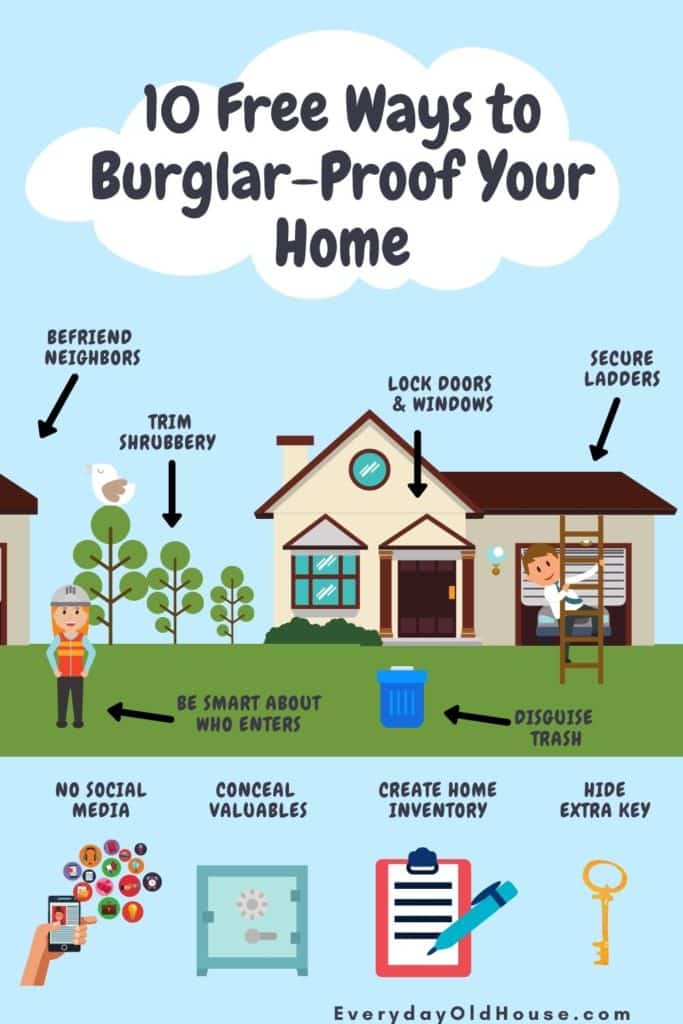
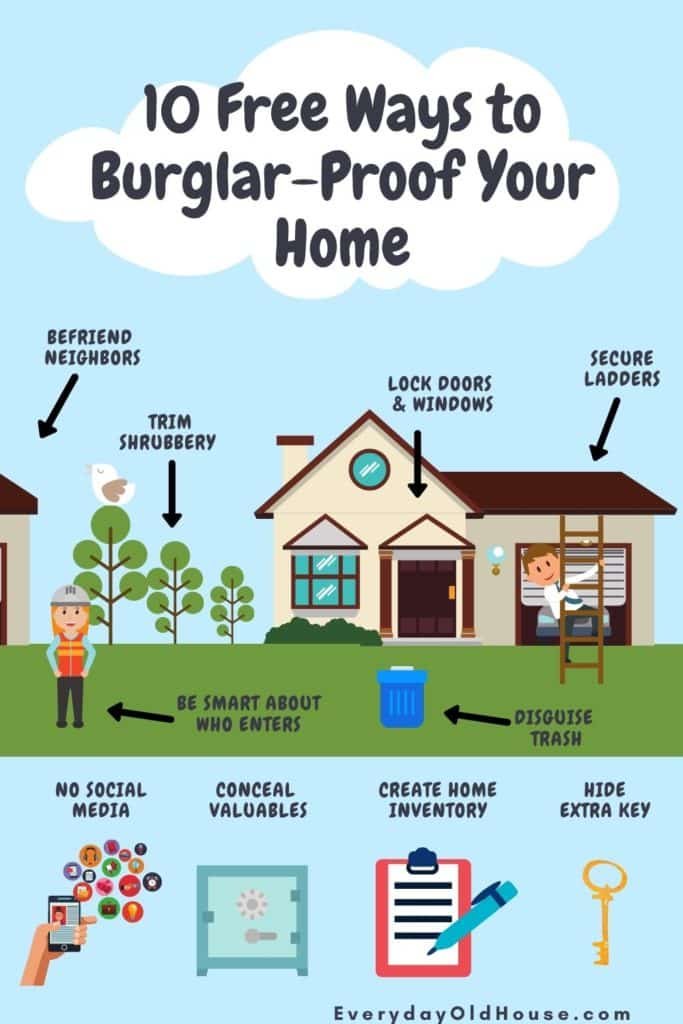
Building strong relationships with your neighbors can be a valuable asset when it comes to home security. Knowing and communicating with your neighbors can create a sense of community and encourage mutual watchfulness. Neighbors can look out for each other’s homes while someone is away, report any suspicious activity, and quickly alert authorities if necessary. Additionally, forming or joining a neighborhood watch program can further strengthen your community’s security.
4.2 Tracking Systems for Valuables
In the unfortunate event of a burglary, having a tracking system in place for your valuable possessions can help recover stolen items and increase the chances of catching the culprits. Consider using electronic tracking devices such as GPS trackers or microchips embedded in your belongings. These devices can help authorities trace the location of stolen items, potentially leading to their recovery. It is also important to keep an inventory of your valuable possessions, including serial numbers and photographs, to facilitate the reporting and identification process.
4.3 Maintain Landscaping
Properly maintaining your landscaping can play a surprising role in home security. Overgrown shrubs and trees can provide cover for burglars, obscuring their activities from view. Regularly trim back vegetation near windows and doors to eliminate potential hiding spots. It is also a good idea to install exterior lighting around your property to illuminate your landscaping at night and deter intruders. By keeping your landscaping well-maintained, you can improve the visibility of your home and reduce the likelihood of a break-in.
5. Safe Room or Panic Room
A safe room, also commonly referred to as a panic room, is a specially designed and fortified space within your home that provides a secure retreat during emergencies. Safe rooms are typically constructed to withstand forced entry attempts, extreme weather conditions, and other threats. In this section, we will discuss two key aspects of safe rooms: their design and construction, as well as the communication and essentials needed inside.
5.1 Design and Construction
The design and construction of a safe room should prioritize security and provide the utmost protection for its occupants. Ideally, the safe room should be located in a central area of your home, away from the exterior walls and windows. The walls, floor, and ceiling of the safe room should be reinforced with materials such as concrete, steel, or Kevlar to resist forced entry and withstand impacts. It is also important to ensure that the room has good ventilation, access to basic utilities, and proper insulation.
5.2 Communication and Essentials
Communication and essential supplies are critical components of a safe room. It is essential to have a reliable means of communication inside the safe room to contact emergency services or notify others of your situation. Consider installing a dedicated phone line, a two-way radio, or a cellular communication device in the safe room. Additionally, stock the room with essential supplies such as food, water, a first aid kit, flashlights, and a battery-powered radio. It is important to regularly check and update these supplies to ensure they are in good working condition.
6. Fire Safety Measures
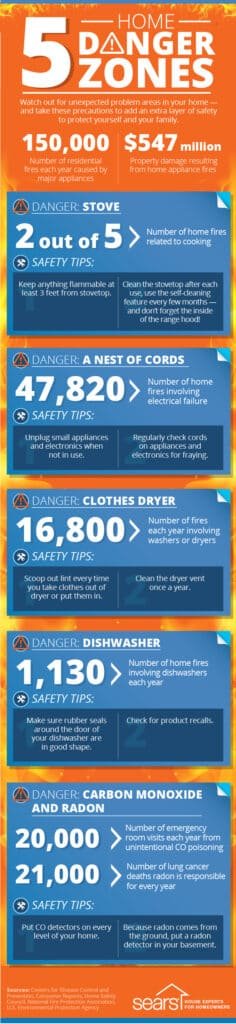
Protecting your home from fires is an essential part of home safety. Fires can cause significant damage and pose a serious threat to the lives of you and your family. Taking proactive measures to prevent fires and implementing fire safety measures can greatly reduce the risk and potential consequences of a fire. In this section, we will explore three important fire safety measures: smoke detectors, fire extinguishers, and a home fire escape plan.
6.1 Smoke Detectors
Smoke detectors are a crucial component of every home’s fire safety system. These devices can detect the presence of smoke and alert you to a potential fire, giving you valuable time to evacuate and contact emergency services. It is important to install smoke detectors on every level of your home and inside each bedroom. Regularly test the detectors to ensure they are functioning correctly, and replace the batteries at least once a year. Consider interconnected smoke detectors, which can communicate with each other and sound all alarms simultaneously if one detector is activated.
6.2 Fire Extinguishers
Fire extinguishers are an essential tool for controlling small fires before they escalate. Place fire extinguishers in easily accessible locations throughout your home, such as the kitchen, garage, and near any fire-prone areas. Make sure that everyone in your household knows how to use a fire extinguisher correctly. Remember the acronym “PASS” when using a fire extinguisher: Pull the pin, Aim at the base of the fire, Squeeze the handle, and Sweep from side to side. Regularly inspect your fire extinguishers, noting their expiration dates and replacing them as necessary.
6.3 Home Fire Escape Plan
Having a well-thought-out and practiced home fire escape plan is crucial for ensuring the safety of everyone in your household. In the event of a fire, every second counts, so it is important to know exactly what to do and where to go. Create a detailed escape plan that includes multiple exit routes from each room, especially bedrooms. Make sure that everyone in your household knows the plan and regularly practices it. Consider installing escape ladders for rooms located on higher floors to provide a safe way to exit if the main stairwell is unusable.
7. Protection Against Natural Disasters
While it is impossible to prevent natural disasters, there are certain measures you can take to protect your home and increase your chances of minimizing damage and ensuring the safety of your family. In this section, we will explore three important protection measures for natural disasters: seismic retrofitting, hurricane preparedness, and flood prevention.
7.1 Seismic Retrofitting
If you live in an area prone to earthquakes, seismic retrofitting is a crucial step in protecting your home. Seismic retrofitting involves reinforcing the structure of your home to withstand the forces generated by earthquakes. This can include adding support beams, reinforcing the foundation, and securing heavy furniture and appliances to prevent them from toppling over during an earthquake. Consult with a professional engineer or contractor experienced in seismic retrofitting to assess your home’s specific needs.
7.2 Hurricane Preparedness
If you reside in a coastal area or an area prone to hurricanes, it is essential to be prepared well in advance of the hurricane season. Start by creating a hurricane emergency kit that includes essential supplies such as non-perishable food, water, flashlights, batteries, a battery-powered radio, a first aid kit, and medications. It is also important to have a plan in place for evacuation, should it become necessary. Stay informed about weather updates and follow the recommendations and instructions of local authorities.
7.3 Flood Prevention
Flooding can cause significant damage to your home and pose serious safety risks. Taking preventive measures can help reduce the likelihood and impact of a flood. Ensure that your home’s foundation is properly sealed to prevent water intrusion. Install sump pumps and consider installing a battery backup system to ensure continuous operation even during power outages. Keep your gutters and downspouts clear of debris to facilitate proper drainage. If you live in an area prone to flooding, consider purchasing flood insurance to protect your home and belongings.
8. Home Insurance
Home insurance is an essential component of protecting your property and belongings against various risks. In the event of a burglary, fire, natural disaster, or other covered events, home insurance can provide financial protection to help you recover and rebuild. In this section, we will explore three important aspects of home insurance: understanding coverage options, policy review and updates, and potential discounts.
8.1 Understanding Coverage Options
It is important to understand your home insurance coverage options to ensure that you have adequate protection in place. The two primary types of coverage are dwelling coverage, which protects the structure of your home, and personal property coverage, which protects your belongings. Additionally, liability coverage can provide financial protection in the event that someone is injured on your property and holds you responsible. Familiarize yourself with the specifics of your policy and consider adding any additional coverage options that may be relevant to your needs.
8.2 Policy Review and Updates
Regularly reviewing and updating your home insurance policy is crucial to ensure that it accurately reflects your current circumstances and adequately covers your property and belongings. Factors such as renovations, additions, or changes in the value of your home or belongings may necessitate adjustments to your policy. Review your policy annually or whenever there are significant changes in your circumstances. Consult with your insurance provider to ensure that your coverage is up to date and meets your needs.
8.3 Potential Discounts
Many insurance companies offer discounts that can help reduce the cost of your home insurance premiums. These discounts are typically based on factors such as the installation of security systems, smoke detectors, and fire extinguishers, as well as the presence of certain safety features like gated communities or a sprinkler system. Contact your insurance provider to inquire about any available discounts and take advantage of them to potentially lower your insurance costs.
9. Neighborhood Watch Programs
Neighborhood watch programs are community-based initiatives that promote cooperation and vigilance among residents to deter crime and enhance overall safety. Participating in a neighborhood watch program can provide you with a sense of security and build strong relationships with your neighbors. In this section, we will discuss three important aspects of neighborhood watch programs: involvement and participation, reporting suspicious activity, and crime prevention measures.
9.1 Involvement and Participation
Getting involved in a neighborhood watch program is an excellent way to actively contribute to the safety of your community. Attend meetings and events organized by the neighborhood watch program to stay informed about local safety concerns and initiatives. Get to know your neighbors and encourage them to participate as well. By working together and looking out for each other, you can create a safer neighborhood for everyone.
9.2 Reporting Suspicious Activity
One of the key responsibilities of neighborhood watch participants is to report any suspicious activity to the appropriate authorities. Be observant of your surroundings and report any unusual or criminal behavior promptly. Take note of details such as physical descriptions, license plate numbers, or any other relevant information that can help law enforcement respond effectively. Many neighborhood watch programs have dedicated channels or liaisons to facilitate communication with law enforcement agencies.
9.3 Crime Prevention Measures
Neighborhood watch programs also play a crucial role in implementing crime prevention measures. This may include initiatives such as organizing regular patrols, implementing lighting improvements in public spaces, or organizing community events to raise awareness about safety and crime prevention. Collaborate with local law enforcement agencies and community organizations to identify and implement effective crime prevention strategies. By working together, you can create a safer and more secure community for everyone.
10. Personal Safety Precautions
While securing your home and community is important, it is equally important to prioritize your personal safety. By taking certain precautions and staying prepared for emergencies, you can better protect yourself and your loved ones. In this section, we will explore three important personal safety precautions: self-defense training, emergency preparedness kit, and home security assessments.
10.1 Self-defense Training
Self-defense training can provide you with valuable skills and techniques to protect yourself in potentially dangerous situations. Consider enrolling in self-defense classes or workshops to learn effective techniques and strategies for personal safety. These classes typically cover topics such as situational awareness, basic self-defense moves, and how to avoid and de-escalate confrontations. Regular practice and reinforcement of these skills can help boost your confidence and enhance your personal safety.
10.2 Emergency Preparedness Kit
Having an emergency preparedness kit readily available can be a lifesaver in the event of a natural disaster or other emergency situations. Your emergency kit should include essential supplies such as food, water, a first aid kit, flashlights, batteries, a battery-powered radio, a multipurpose tool, and any necessary medications. Customize your kit to suit the specific needs of you and your family, and regularly check and restock the supplies to ensure they are up to date and in good working condition.
10.3 Home Security Assessments
Regularly conducting home security assessments can help identify any weaknesses or vulnerabilities in your home’s security. This assessment should include a thorough inspection of all doors, windows, locks, and other entry points to ensure they are secure and functioning correctly. Check for any signs of wear or damage and promptly address any issues. Consider enlisting the services of a professional security consultant or local law enforcement agency to conduct a comprehensive assessment and provide recommendations for improving your home’s security.
In conclusion, ensuring the safety and security of your home involves a combination of comprehensive security systems, outdoor security measures, secure entry points, home security tips, safe rooms, fire safety measures, protection against natural disasters, home insurance, neighborhood watch programs, and personal safety precautions. By implementing these strategies and measures, you can create a secure and protected environment for yourself and your loved ones in your home.