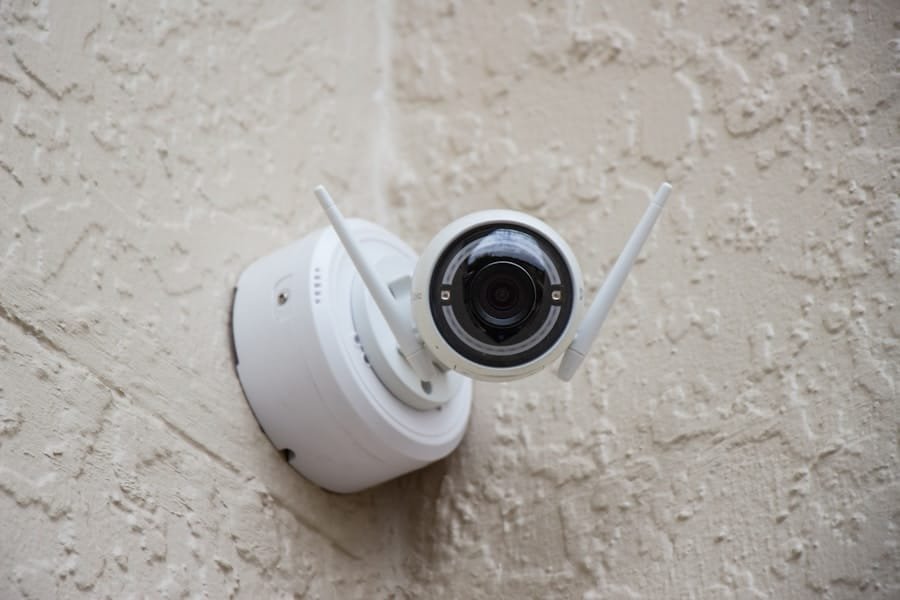
In an age where security is paramount, the integration of technology into our daily lives has become increasingly essential. Security cameras have emerged as a vital tool for safeguarding homes and businesses alike. They provide a sense of safety and peace of mind, allowing you to monitor your property in real-time or review footage later.
However, when it comes to positioning these cameras, many individuals consider placing them near windows. This decision can be influenced by various factors, including aesthetics, convenience, and the desire to capture a broader view of the surroundings. Yet, while this may seem like a practical solution, it is crucial to understand the implications and effectiveness of using security cameras through windows.
The placement of security cameras is not merely a matter of convenience; it involves a careful consideration of how to maximize their functionality. Windows can offer a vantage point that allows for a wider field of view, but they also present unique challenges that can hinder the performance of your surveillance system. As you delve deeper into the world of security cameras, it becomes evident that understanding how they operate and the factors that affect their performance is essential for making informed decisions.
This article will explore the intricacies of using security cameras through windows, addressing their functionality, challenges, and potential alternatives.
Key Takeaways
- Security cameras can be a valuable tool for monitoring and protecting your property, but using them through windows presents unique challenges.
- Security cameras work by capturing and transmitting video footage to a monitoring system, but their effectiveness can be compromised when used through windows.
- Challenges of using security cameras through windows include glare, reflection, and reduced image quality, which can impact the ability to capture clear and useful footage.
- Factors affecting the effectiveness of security cameras through windows include the type of glass, the angle of the camera, and the presence of obstructions or obstacles.
- Tips for improving security camera performance through windows include using anti-glare coatings, adjusting the camera angle, and minimizing obstructions to the camera’s view.
How Security Cameras Work
To appreciate the effectiveness of security cameras, it is essential to understand their fundamental operation. At their core, security cameras are designed to capture video footage of a designated area. They utilize various technologies, including analog and digital systems, to record and transmit images.
Most modern security cameras are equipped with high-definition capabilities, allowing for clear and detailed footage. They often come with features such as motion detection, night vision, and remote access via smartphones or computers, enhancing their utility in monitoring your property. When you install a security camera, it typically connects to a recording device or cloud storage system.
This connection allows you to access live feeds or recorded footage from anywhere at any time. The camera captures images through its lens, which is then processed by an internal system that converts the visual data into a digital format. This process enables you to review footage later or receive alerts when motion is detected.
Understanding this basic functionality is crucial as it sets the stage for evaluating how effective these cameras can be when placed near windows.
Challenges of Using Security Cameras Through Windows
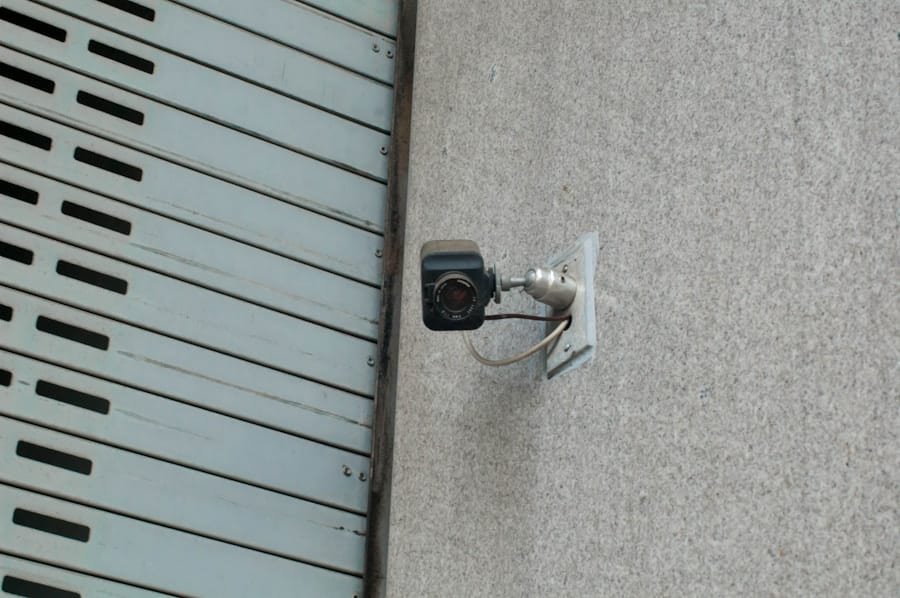
While placing security cameras near windows may seem advantageous, several challenges can arise that may compromise their effectiveness. One significant issue is glare and reflections caused by sunlight or artificial light sources. When sunlight hits the glass, it can create reflections that obscure the camera’s view, making it difficult to capture clear images of any activity outside.
This glare can be particularly problematic during certain times of the day when the sun is low on the horizon. Another challenge is the potential for distortion caused by the glass itself. Windows can alter the quality of the images captured by the camera, leading to blurry or unclear footage.
Additionally, if your camera is positioned too close to the window, it may struggle to focus properly on objects outside due to the glass’s refractive properties. These challenges highlight the importance of considering alternative placements for your security cameras to ensure optimal performance.
Factors Affecting the Effectiveness of Security Cameras Through Windows
Several factors can influence how well security cameras perform when positioned near windows. One primary consideration is the type of glass used in your windows. For instance, tinted or reflective glass can significantly impact image quality by distorting colors or creating excessive glare.
If your windows are double-glazed or have low-emissivity coatings designed for energy efficiency, they may also hinder infrared light from reaching the camera’s sensor, affecting night vision capabilities. The angle at which the camera is mounted also plays a crucial role in its effectiveness. If the camera is not aligned correctly with the window, it may miss critical areas or fail to capture important details.
Furthermore, environmental factors such as weather conditions can affect visibility through windows. Rain, snow, or dirt accumulation on the glass can obstruct the camera’s view and reduce its ability to capture clear images. Understanding these factors will help you make informed decisions about camera placement and ensure that your surveillance system operates at its best.
Tips for Improving Security Camera Performance Through Windows
If you decide to use security cameras through windows despite the challenges, there are several strategies you can employ to enhance their performance. First and foremost, consider using anti-reflective window film or coatings that can minimize glare and improve visibility for your camera. These films are designed to reduce reflections while still allowing natural light into your space, creating a more favorable environment for surveillance.
Additionally, adjusting the angle and distance of your camera from the window can significantly improve image quality. Experiment with different placements to find the optimal position that minimizes glare while maximizing visibility. You might also consider using outdoor-rated cameras that are designed to withstand environmental conditions better than standard indoor models.
These cameras often come equipped with features that enhance their performance in challenging lighting conditions.
Alternatives to Using Security Cameras Through Windows
If you find that using security cameras through windows presents too many challenges, there are several alternatives worth considering. One option is to install outdoor security cameras that are specifically designed for external use. These cameras are built to withstand various weather conditions and typically offer superior image quality compared to indoor models placed behind glass.
Another alternative is utilizing motion-activated lights in conjunction with outdoor cameras. By illuminating areas around your property at night, you can enhance visibility and deter potential intruders while ensuring that your cameras capture clear footage in low-light conditions. Additionally, integrating smart home technology can provide added layers of security through automated alerts and remote monitoring capabilities.
Legal Considerations for Using Security Cameras Through Windows
Before installing security cameras—whether through windows or outdoors—it’s essential to be aware of legal considerations regarding privacy and surveillance laws in your area. Different jurisdictions have varying regulations concerning video recording in public spaces versus private property. In many places, it is legal to record video on your property as long as you do not infringe on others’ reasonable expectation of privacy.
When positioning cameras near windows, be mindful of what areas they capture. If your camera inadvertently records public spaces or neighboring properties without consent, you may face legal repercussions. It’s advisable to familiarize yourself with local laws regarding surveillance and privacy rights to ensure compliance and avoid potential disputes with neighbors.
Making Informed Decisions About Security Cameras Through Windows
In conclusion, while using security cameras through windows may seem like a convenient solution for monitoring your property, it comes with its own set of challenges and considerations. Understanding how security cameras work and recognizing the factors that affect their performance is crucial for making informed decisions about placement and usage. By being aware of potential issues such as glare, distortion, and legal implications, you can take proactive steps to enhance your surveillance system’s effectiveness.
Ultimately, whether you choose to install cameras through windows or opt for outdoor alternatives, prioritizing security should always be at the forefront of your decision-making process. By implementing best practices and staying informed about technological advancements in surveillance systems, you can create a safer environment for yourself and your loved ones while ensuring compliance with legal standards.
If you are interested in learning more about securing your home, I recommend checking out the article Securing Your Home: A Guide to Home Protection. This comprehensive guide provides valuable tips and strategies for keeping your home safe and secure. Additionally, for those living in San Jose, California, the article Home Security System Service in San Jose, California offers information on professional security services in the area. And for emergency preparedness tips, be sure to read Emergency Preparedness for a Secure Home.
FAQs
Can security cameras work through windows?
Yes, security cameras can work through windows. However, there are some limitations and factors to consider when doing so.
What are the limitations of using security cameras through windows?
Using security cameras through windows can result in glare, reflection, and reduced image quality. Additionally, some cameras may have difficulty capturing clear images at night due to the infrared light reflecting off the window.
How can I minimize the limitations of using security cameras through windows?
To minimize glare and reflection, it is recommended to use cameras with adjustable lenses and to position the camera at an angle to the window. Additionally, using external infrared illuminators can help improve night vision through windows.
Are there specific types of security cameras that are better for use through windows?
Yes, there are specific types of security cameras designed for use through windows, such as cameras with adjustable lenses, wide dynamic range (WDR) cameras, and cameras with advanced infrared technology.
What are some alternative options to using security cameras through windows?
Some alternative options to using security cameras through windows include installing cameras outside or using wireless cameras that can be placed in different locations without the need for wires or cables.