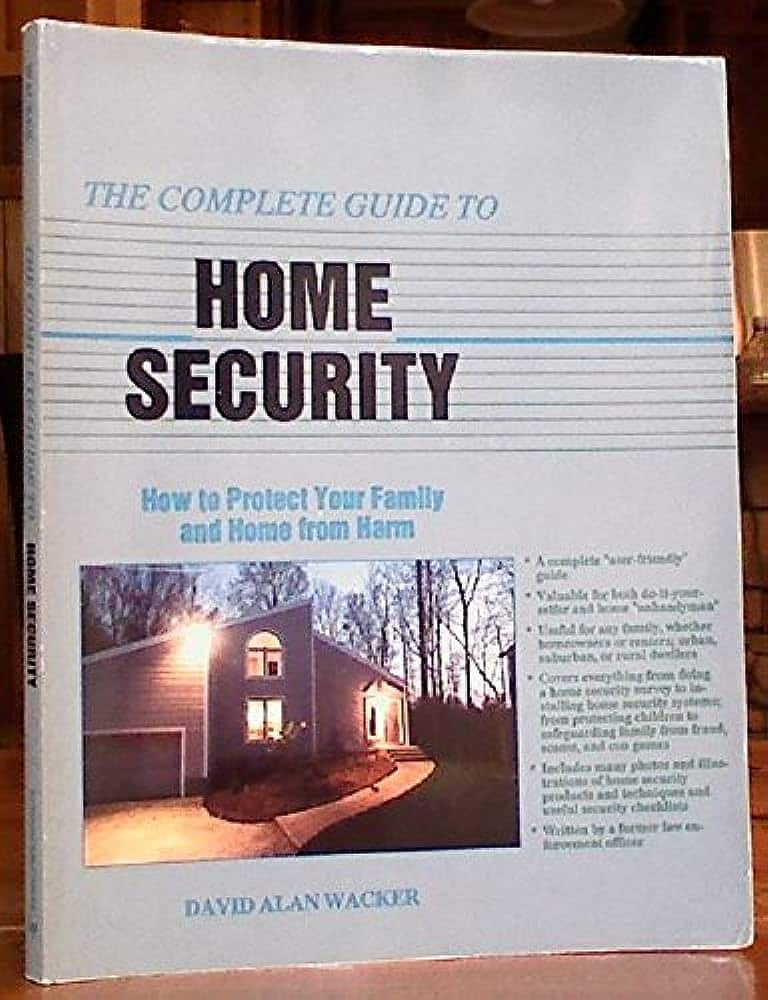
Securing Your Home: A Guide to Home Protection is a comprehensive article that provides valuable insights and practical tips on safeguarding your living space. From securing doors and windows to installing surveillance systems, this guide offers a wealth of information on how to protect your home from potential threats. Whether you’re a new homeowner or have been living in your house for years, this article is a must-read to ensure the safety and security of your loved ones and belongings.
Securing Your Home: A Guide to Home Protection
Welcome to this comprehensive guide on securing your home and ensuring the safety of your loved ones. In this article, we will walk you through various steps and measures that you can take to protect your home from potential threats. From assessing vulnerabilities to developing emergency plans, we’ve got you covered. So let’s dive in and make your home a fortress of security.
1. Assessing Vulnerabilities
1.1 Evaluating Crime Rates
Before implementing any security measures, it’s important to assess the crime rates in your area. Understanding the type and frequency of crimes in your neighborhood will give you valuable insights into potential threats. You can check local crime statistics, reach out to law enforcement agencies, or even consult with neighbors to gather this information.
1.2 Identifying Weak Points
Now that you have a better sense of the crime rates in your area, it’s time to identify the weak points in your home’s security. Walk around your property and carefully examine all entry points, such as doors, windows, garage, basement, and attic. Look for any vulnerabilities that could be exploited by intruders, such as weak locks, broken windows, or poorly lit areas.
1.3 Understanding Home Security Risks
Every home is unique, and so are the security risks associated with it. It’s crucial to understand the potential risks specific to your property. Factors such as the layout of your home, its surroundings, and neighborhood dynamics can all contribute to the risks you face. By having a clear understanding of these risks, you can tailor your security measures accordingly.
1.4 Conducting a Home Security Audit
To have a comprehensive overview of your home’s security, consider conducting a home security audit. This involves a thorough inspection of your property, both inside and out. Take note of any existing security measures, evaluate their effectiveness, and identify areas where improvements can be made. A home security audit will serve as the foundation for your security enhancements.
2. Building a Strong Foundation
2.1 Choosing the Right Location
If you’re in the process of buying or building a new home, consider the location carefully. Opt for neighborhoods with lower crime rates and good community engagement. Proximity to essential services, such as police stations and fire departments, can also play a role in the overall security of your home.
2.2 Investing in Quality Construction Materials
When building or renovating your home, prioritize the use of quality construction materials. Solid and durable materials can significantly enhance the physical security of your property. Reinforced steel doors, shatterproof windows, and sturdy roofing materials are all examples of investments that can prevent forced entry and withstand potential security threats.
2.3 Building a Security Wall or Fence
A security wall or fence around your property can act as a strong deterrent to potential intruders. Choose a design that not only provides physical barriers but also complements the aesthetics of your home. Consider options like razor wire or anti-climbing features to further enhance the security provided by your perimeter.
2.4 Installing Sturdy Doors and Windows
Your doors and windows are the primary entry points for any intruder. It’s essential to invest in high-quality doors and windows that are difficult to breach. Look for solid core doors made of materials like steel or solid wood, equipped with robust locks. Consider adding reinforced glass or security film to your windows to prevent break-ins.

3. Enhancing Entry Points
3.1 Reinforcing Front Door Security
Your front door is the gateway to your home, so it’s crucial to reinforce its security. Install a deadbolt lock with at least a one-inch throw, reinforced strike plates, and heavy-duty hinges. Consider upgrading to a smart lock that allows keyless entry and remote monitoring for added convenience and security.
3.2 Strengthening Garage Security
Garages are often overlooked as potential entry points, but they can provide easy access for intruders. Strengthen the security of your garage by ensuring it has a strong, solid-core door with a robust lock. If your garage door has windows, consider covering them or using frosted glass to prevent visibility of valuable items inside.
3.3 Securing Sliding Doors
Sliding doors are another vulnerable entry point that requires attention. Install a security bar or rod in the track to prevent the door from being forced open. Additionally, place a wooden dowel or metal rod in the track when the door is closed, making it difficult to pry open from the outside.
3.4 Protecting Basement and Attic Access Points
Basements and attics are often overlooked when it comes to security. Ensure that access points to these areas, such as doors and windows, are secure and properly locked. Consider installing sensors or alarms to detect any unauthorized entry and ensure that these areas are well-lit to deter intruders.
4. Installing Security Systems
4.1 Understanding Alarm Systems
An alarm system is a crucial component of home security. It typically consists of sensors, control panels, and a connection to a monitoring service. When triggered, alarms can alert occupants, neighbors, or monitoring personnel, deterring intruders and summoning help.
4.2 Choosing the Right Alarm System
When selecting an alarm system, prioritize features like motion sensors, door/window sensors, and glass-break detectors. Choose a system that suits your budget and incorporates additional features, such as smartphone integration or remote access. Consider professional installation or opt for a wireless system if you prefer a DIY approach.
4.3 Installing Motion Sensors
Motion sensors are an excellent addition to your security system. They detect movement and can trigger alarms or activate surveillance cameras. Place motion sensors in strategic locations, such as hallways and entry points, to provide an extra layer of security.
4.4 Using Smart Home Security Technology
Take advantage of smart home security technology to enhance your home’s security. Smart locks, video doorbells, and integrated security systems can all be controlled remotely from your smartphone. Receive real-time alerts, monitor activities, and even grant access to trusted individuals while you’re away from home.

5. Utilizing Surveillance Cameras
5.1 Determining Camera Locations
Strategically determine the locations for your surveillance cameras to maximize their effectiveness. Consider covering entry points, blind spots, and areas with valuable assets. Ensure that cameras are positioned at a height where they can capture clear footage, and protect them from vandalism or tampering.
5.2 Selecting the Right Surveillance Cameras
There are numerous types of surveillance cameras available, each with its unique features. Choose cameras that provide high-resolution video, wide-angle views, and night vision capabilities. Consider options such as dome cameras, bullet cameras, or even hidden cameras for specific purposes.
5.3 Installing Cameras Correctly
Proper installation is essential for optimal surveillance camera functionality. Follow the manufacturer’s instructions or seek professional help to ensure cameras are securely mounted and properly connected to power and monitoring systems. Regularly clean and maintain cameras to keep them in top working condition.
5.4 Implementing Remote Monitoring
Take advantage of remote monitoring capabilities provided by your surveillance system. Access live video feeds from your cameras through a mobile app or web interface. This allows you to monitor your property in real-time, receive alerts, and even provide evidence to law enforcement if necessary.
6. Reinforcing Doors and Windows
6.1 Upgrading Door Locks
Consider upgrading your door locks to enhance your home’s security. Choose deadbolt locks with high-security ratings, preferably those featuring anti-pick, anti-drill, and anti-bump features. Reinforce your locks further by using longer screws in the strike plates and adding door jammers or security bars for extra strength.
6.2 Installing Door Reinforcement Products
Door reinforcement products add an additional layer of strength to your doors, making forced entry more difficult. Reinforcement options such as door wraps, security plates, or door armor kits can be installed to reinforce weak areas like the jamb or strike plate.
6.3 Adding Window Security Film
Window security film is a cost-effective measure to reinforce your windows. It consists of a transparent film that adheres to the glass, making it more difficult to break. In case of an attempted break-in, the film holds the glass fragments together, preventing easy access for intruders.
6.4 Using Window Bars or Grilles
Window bars or grilles are highly effective physical barriers that can deter potential intruders. Choose well-designed bars that do not obstruct visibility or prevent egress during emergencies. Customizable designs offer enhanced aesthetics while providing optimal security.

7. Securing Outdoor Spaces
7.1 Landscaping for Home Security
Thoughtful landscaping can contribute to your home’s security. Trim tall bushes or trees that could provide hiding spots for intruders. Strategically place thorny plants near windows or fences to discourage unauthorized access. Maintain a well-lit landscape to minimize dark areas where intruders can hide.
7.2 Installing Outdoor Lighting
Outdoor lighting plays a crucial role in deterring criminals and making your property less attractive to potential intruders. Install motion-sensor-activated lights near entry points, pathways, and vulnerable areas. Consider using energy-efficient LED lights to ensure visibility without significantly impacting your electricity bill.
7.3 Securing Sheds and Outbuildings
Don’t forget to secure sheds and outbuildings on your property. Install sturdy locks, reinforced doors, and secure windows on these structures. Consider using anchor plates or chain locks to further enhance their security. Store valuable items out of sight from prying eyes.
7.4 Utilizing Secure Mailboxes
Secure mailboxes can protect your sensitive information and prevent identity theft. Choose a mailbox with a locking mechanism to keep your mail safe. Position the mailbox in a well-lit area to discourage tampering or theft.
8. Creating a Safe Neighborhood
8.1 Establishing a Neighborhood Watch Program
Engage with your neighbors to establish a neighborhood watch program. This collective effort allows residents to look out for one another and report suspicious activities to law enforcement. Organize regular meetings, distribute information regarding crime prevention, and encourage community involvement.
8.2 Engaging with Neighbors
Building strong relationships with your neighbors is an essential aspect of creating a safe neighborhood. Get to know your neighbors and establish open lines of communication. This can foster a sense of community and enable better cooperation, ultimately improving the security of your entire neighborhood.
8.3 Organizing Community Events
Organize community events that promote safety and security. These can include block parties, safety workshops, or even self-defense classes. Engaging residents in these activities fosters a stronger sense of community and encourages everyone to actively contribute to neighborhood safety.
8.4 Communicating Safety Concerns
Maintain open communication with your neighbors and local authorities about safety concerns. Sharing information about recent incidents or suspicious activities can help raise awareness among residents. Stay informed about local crime updates through newsletters, social media groups, or community forums.

10. Developing Emergency Plans
10.1 Preparing an Emergency Kit
Create an emergency kit that includes essential supplies to sustain you and your family during emergencies. Items such as non-perishable food, water, medications, flashlights, extra batteries, and first aid kits should be readily available. Store the kit in an easily accessible location.
10.2 Creating an Emergency Communication Plan
Establish an emergency communication plan with your family members. Designate a meeting point outside your home in case of an evacuation. Share contact information and ensure everyone knows how to reach each other during emergencies. Practice the plan regularly to ensure its effectiveness.
10.3 Establishing Safe Meeting Points
Identify safe meeting points in your neighborhood for emergencies. These can be community centers, schools, or parks. Ensure each family member knows the location and how to get there safely. Having predetermined meeting points minimizes confusion during crisis situations.
10.4 Training for Emergency Situations
Enroll in training programs or workshops that focus on emergency preparedness and response. Learn basic first aid techniques, CPR, or self-defense skills. Training equips you with the necessary knowledge and skills to effectively handle emergency situations and protect yourself and your family.
With the information provided in this guide, you now have a solid foundation for securing your home. Remember, no security measure is foolproof, but the combination of multiple measures significantly decreases the likelihood of becoming a victim of crime. By investing time and effort in implementing these strategies, you can create a safe and secure environment for you and your loved ones. Stay vigilant, stay proactive, and prioritize home protection.