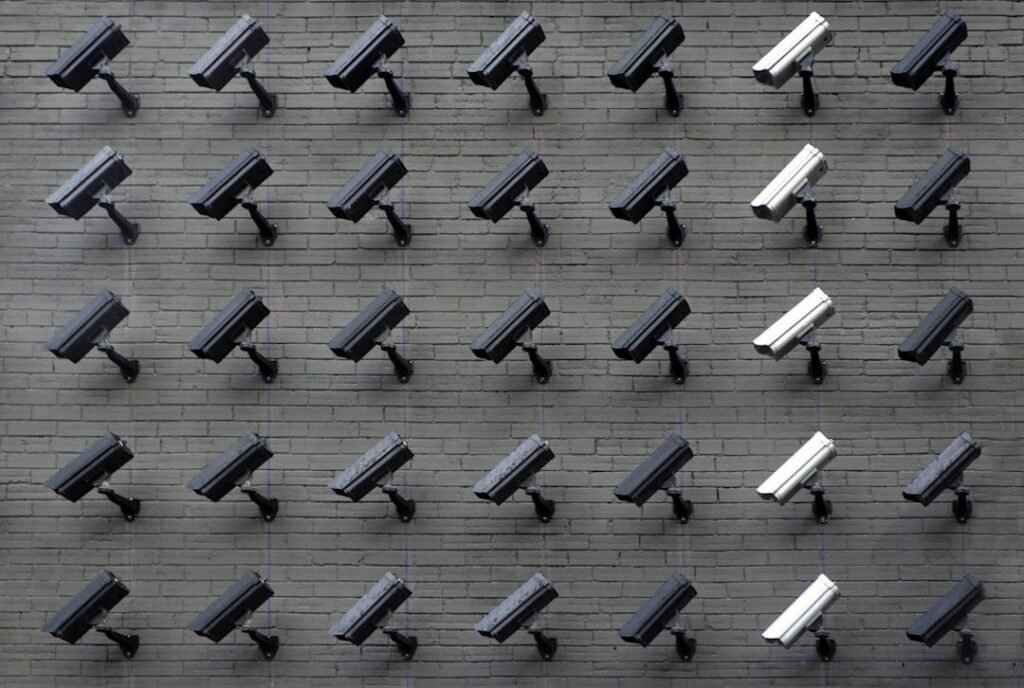
In today’s world, the importance of home security cannot be overstated. You may often hear stories about break-ins and thefts, which can leave you feeling vulnerable in your own space. A secure home not only protects your belongings but also provides peace of mind for you and your family.
Knowing that your home is safeguarded against potential threats allows you to focus on what truly matters—your loved ones and your daily life. The emotional toll of a burglary can be significant, leading to feelings of anxiety and fear that linger long after the incident. Therefore, investing in a robust home security system is not just a matter of protecting physical assets; it’s about ensuring a safe haven for you and your family.
Moreover, a well-implemented home security system can deter criminals from targeting your property. Statistics show that homes without security measures are significantly more likely to be broken into than those with visible security features. When you take proactive steps to secure your home, you send a clear message to potential intruders: your home is not an easy target.
This deterrent effect can be one of the most effective aspects of home security, as it reduces the likelihood of an attempted break-in before it even occurs. By prioritizing home security, you are not only safeguarding your possessions but also fostering a sense of safety and stability in your life.
Key Takeaways
- Home security is important for protecting your family and belongings from potential threats.
- Types of home security systems include alarm systems, surveillance cameras, and smart locks.
- When choosing a home security system, look for features such as 24/7 monitoring, mobile app access, and home automation integration.
- DIY installation may be cost-effective, but professional installation ensures proper setup and functionality.
- The cost of home security systems varies based on the type of system and features included.
Types of Home Security Systems
When it comes to home security systems, you have a variety of options to choose from, each designed to meet different needs and preferences. Traditional alarm systems are one of the most common types, featuring door and window sensors that trigger an alarm when breached. These systems often come with a control panel that allows you to arm or disarm the system easily.
While they provide a basic level of protection, they may not offer the comprehensive coverage that modern homeowners seek. On the other hand, smart home security systems have gained immense popularity in recent years. These systems integrate with your smartphone or other devices, allowing you to monitor your home remotely.
You can receive real-time alerts, view live video feeds from security cameras, and even control locks and lights from anywhere in the world. This level of connectivity not only enhances your ability to respond to potential threats but also provides greater convenience in managing your home’s security. As technology continues to evolve, you may find that smart home security systems offer features that traditional systems simply cannot match.
Features to Look for in a Home Security System

When selecting a home security system, it’s essential to consider the features that will best suit your lifestyle and needs. One critical feature is 24/7 monitoring, which ensures that your home is being watched around the clock. This service typically involves a professional monitoring center that responds to alarms and alerts authorities if necessary.
Knowing that someone is always keeping an eye on your property can provide an added layer of reassurance. Another important feature to look for is video surveillance. Security cameras can be placed both inside and outside your home, allowing you to monitor activity in real-time or review footage later if needed.
Many modern cameras come equipped with motion detection and night vision capabilities, making them effective at capturing any suspicious activity regardless of the time of day. Additionally, consider systems that offer mobile app integration, enabling you to access camera feeds and receive alerts directly on your smartphone. This level of accessibility can significantly enhance your ability to respond quickly to any potential threats.
DIY vs Professional Installation
When it comes to installing a home security system, you may find yourself weighing the pros and cons of DIY versus professional installation. DIY systems have become increasingly popular due to their affordability and ease of use. Many companies offer kits that come with all the necessary components, allowing you to set up the system at your own pace.
This option can be particularly appealing if you enjoy hands-on projects or want to save on installation costs. However, it’s essential to ensure that you follow the instructions carefully to avoid any gaps in security. On the other hand, professional installation offers the advantage of expertise and experience.
Trained technicians can assess your home’s unique layout and recommend the best placement for cameras, sensors, and other components. They can also ensure that everything is installed correctly and functioning optimally from the start. While this option may come with a higher upfront cost, the peace of mind that comes from knowing your system has been installed by professionals can be worth the investment.
Ultimately, the choice between DIY and professional installation will depend on your budget, comfort level with technology, and desire for convenience.
Cost of Home Security Systems
The cost of home security systems can vary widely based on several factors, including the type of system you choose, the features included, and whether you opt for professional installation. Basic alarm systems may start at a few hundred dollars, while more advanced smart systems with multiple cameras and monitoring services can run into the thousands. It’s essential to assess your budget and determine what level of protection you need before making a decision.
Additionally, consider ongoing costs such as monthly monitoring fees or maintenance expenses. Some companies offer no-contract options that allow you to pay only for the services you use, while others may require long-term commitments. Be sure to read the fine print and understand what you’re signing up for before committing to a particular system.
By carefully evaluating both initial costs and ongoing expenses, you can make an informed decision that aligns with your financial situation while still providing adequate protection for your home.
Tips for Maximizing Home Security

Secure Entry Points
To maximize your home security efforts, ensure that all entry points—doors and windows—are secure and equipped with sturdy locks. Deadbolts are an excellent choice for exterior doors as they provide an additional layer of protection against forced entry.
Reinforcing Vulnerable Areas
Consider reinforcing sliding doors with a rod or dowel in the track to prevent them from being easily opened. This simple yet effective measure can greatly reduce the risk of unauthorized access.
Creating the Illusion of Occupancy
Create the illusion that someone is always home, even when you’re away, by using timers for lights or smart home technology that allows you to control lighting remotely. This can deter potential intruders who may be scouting for empty homes.
By taking these proactive measures, you can significantly enhance your home’s security and deter potential intruders. Additionally, avoid posting about vacations or extended absences on social media until you return, as this information can alert potential burglars that your home is unoccupied.
Common Mistakes to Avoid with Home Security
While implementing a home security system is crucial, there are common mistakes that many homeowners make that can undermine their efforts. One significant error is neglecting to regularly update passwords for smart devices and security systems. Using weak or easily guessable passwords can leave your system vulnerable to hacking or unauthorized access.
Make it a habit to change passwords periodically and use complex combinations of letters, numbers, and symbols. Another mistake is failing to conduct regular maintenance on your security system. Just like any other technology, security systems require updates and checks to ensure they are functioning correctly.
Regularly test alarms, check camera angles, and replace batteries as needed. Ignoring these tasks can lead to false alarms or gaps in coverage when you need it most. By staying vigilant about maintenance and security practices, you can ensure that your home remains protected at all times.
Integrating Home Security with Smart Home Technology
As technology continues to advance, integrating your home security system with smart home technology has become increasingly feasible and beneficial. Smart locks allow you to control access to your home remotely; you can lock or unlock doors from anywhere using your smartphone. This feature is particularly useful if you need to grant access to someone while you’re away or if you forget to lock up before leaving.
Additionally, smart cameras can provide real-time alerts when motion is detected or when someone approaches your property. Many systems now offer facial recognition technology that can distinguish between familiar faces and strangers, allowing for more tailored alerts based on who is at your door. By combining these smart technologies with traditional security measures like alarms and sensors, you create a comprehensive security ecosystem that enhances both convenience and safety in your daily life.
In conclusion, investing in a reliable home security system is essential for protecting yourself and your loved ones from potential threats. By understanding the various types of systems available, evaluating their features, considering installation options, budgeting wisely, maximizing security measures, avoiding common pitfalls, and integrating smart technology, you can create a secure environment tailored specifically to your needs. Your home should be a sanctuary where you feel safe and at ease; taking these steps will help ensure that it remains just that.
When considering the installation of a good home security system, it’s also essential to think about the role of lighting in enhancing your home’s security. Strategic illumination can deter potential intruders and increase the effectiveness of other security measures. For more detailed insights on how to integrate smart lighting solutions into your home security strategy, you might find the article “Secure Home Lighting: Smart and Strategic Illumination” particularly useful. You can read more about it by visiting Secure Home Lighting. This resource provides valuable tips on how to use lighting effectively to protect your property.
FAQs
What is a home security system?
A home security system is a network of integrated electronic devices and sensors designed to detect and prevent unauthorized entry into a home or property.
What are the components of a good home security system?
A good home security system typically includes a control panel, door and window sensors, motion detectors, surveillance cameras, and a high-decibel alarm.
How does a home security system work?
Home security systems work by using sensors to detect intruders or unauthorized entry. When a sensor is triggered, the system sends a signal to the control panel, which then activates the alarm and may also alert a monitoring service or the homeowner.
What are the benefits of having a home security system?
Having a home security system can provide peace of mind, deter burglars, protect your home and valuables, and may also lower your homeowner’s insurance premiums.
How do I choose the right home security system for my home?
When choosing a home security system, consider factors such as the size and layout of your home, your budget, and any specific security needs or concerns you may have. It’s also important to research and compare different systems and providers to find the best fit for your home.