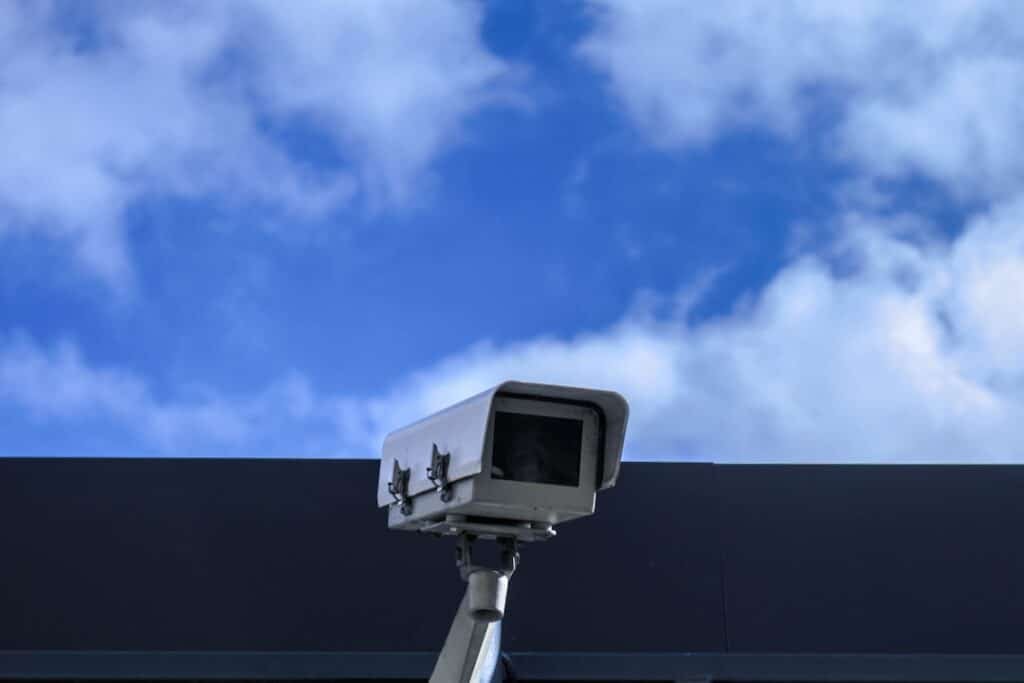
In today’s world, the importance of home security systems cannot be overstated. You may often hear stories about break-ins and thefts, which can leave you feeling vulnerable in your own space. A home security system acts as a protective barrier, not only safeguarding your belongings but also providing peace of mind for you and your family.
Knowing that your home is monitored 24/7 can significantly reduce anxiety and allow you to focus on what truly matters in life. Moreover, the presence of a security system can deter potential intruders. Many criminals are opportunistic, and the sight of a security camera or a sign indicating that a property is protected can make them think twice before attempting a break-in.
This deterrent effect is crucial, as it not only protects your home but also contributes to the overall safety of your neighborhood. When more homes are secured, the entire community benefits from a lower crime rate, creating a safer environment for everyone.
Key Takeaways
- Home security systems are important for protecting your home and family from intruders and emergencies.
- Types of home security systems include alarm systems, video surveillance, and smart home integration.
- When choosing a home security system, look for features such as 24/7 monitoring, mobile app access, and home automation capabilities.
- Having a home security system can provide benefits such as peace of mind, potential insurance discounts, and increased home value.
- When choosing a home security system, consider factors such as your budget, the size of your home, and whether you prefer DIY or professional installation.
Types of Home Security Systems
When considering home security systems, you’ll find a variety of options available to suit your specific needs. Traditional wired systems are one of the oldest forms of security, relying on physical connections to transmit signals. While they can be reliable, installation can be invasive and costly, often requiring professional help.
If you prefer a less intrusive option, wireless systems have gained popularity in recent years. These systems use Wi-Fi or cellular networks to communicate, making them easier to install and more flexible in terms of placement. Another option is monitored security systems, where a professional monitoring service keeps an eye on your property around the clock.
In the event of an alarm trigger, they can quickly alert the authorities. Alternatively, you might consider unmonitored systems that rely on loud alarms to scare off intruders. While these can be effective, they may not provide the same level of immediate response as monitored systems.
Additionally, smart home security systems have emerged as a modern solution, integrating with your existing smart devices to offer enhanced control and automation.
Features to Look for in a Home Security System

When selecting a home security system, it’s essential to consider the features that will best meet your needs. One critical feature is remote access, which allows you to monitor your home from anywhere using your smartphone or tablet. This capability enables you to check live feeds from security cameras, receive alerts about unusual activity, and even control locks and lights remotely.
The convenience of being able to manage your home’s security from afar can be invaluable. Another important feature is motion detection technology. Systems equipped with motion sensors can alert you when movement is detected in or around your home, providing an extra layer of protection.
Some advanced systems even offer facial recognition capabilities, allowing you to distinguish between familiar faces and potential intruders. Additionally, consider systems that offer integration with other smart home devices, such as smart locks and lighting systems. This interconnectedness not only enhances security but also allows for greater automation and convenience in your daily life.
Benefits of Having a Home Security System
Investing in a home security system comes with numerous benefits that extend beyond mere protection against theft. One significant advantage is the potential reduction in insurance premiums. Many insurance companies offer discounts for homeowners who have security systems installed, recognizing that these systems lower the risk of loss or damage.
This financial incentive can help offset the initial costs of installation and monitoring. Furthermore, having a security system can enhance your overall quality of life. The peace of mind that comes from knowing your home is secure allows you to enjoy your space without constant worry.
You can travel with confidence, knowing that your property is being monitored while you’re away. Additionally, many modern security systems come equipped with features that promote safety beyond theft prevention, such as smoke detectors and carbon monoxide alarms, ensuring that you and your family are protected from various hazards.
Tips for Choosing the Right Home Security System
Choosing the right home security system can feel overwhelming given the multitude of options available. Start by assessing your specific needs and lifestyle. Consider factors such as the size of your home, the number of entry points, and whether you have any vulnerable areas that require extra attention.
This assessment will help you determine what type of system will best suit your situation. Next, research different brands and models to find one that offers the features you desire at a price point that fits your budget. Read customer reviews and seek recommendations from friends or family who have experience with various systems.
It’s also wise to inquire about customer support and warranty options; a reliable company should provide assistance when needed and stand behind their product with a solid warranty.
DIY vs Professional Installation

When it comes to installing a home security system, you may find yourself weighing the pros and cons of DIY versus professional installation. DIY systems have become increasingly popular due to their affordability and ease of setup. Many modern security products come with user-friendly instructions that allow you to install them without needing specialized skills or tools.
This option can save you money on installation fees and give you the flexibility to customize your system according to your preferences. On the other hand, professional installation offers peace of mind that everything is set up correctly and functioning optimally. Professionals have experience in assessing vulnerabilities in homes and can provide tailored solutions that you might overlook during a DIY installation.
Additionally, if you opt for a monitored system, professional installation may be required to ensure proper integration with monitoring services. Ultimately, the choice between DIY and professional installation will depend on your comfort level with technology and your budget.
Common Mistakes to Avoid When Using a Home Security System
While having a home security system is an excellent step toward protecting your property, there are common mistakes that you should avoid to maximize its effectiveness. One frequent error is failing to regularly update passwords and access codes. Just as you would change passwords for online accounts periodically, it’s crucial to keep your security system’s access information secure and up-to-date to prevent unauthorized access.
Another mistake is neglecting maintenance and testing of your system. Many homeowners set up their security systems and then forget about them until an incident occurs. Regularly testing alarms, cameras, and sensors ensures that everything is functioning correctly when you need it most.
Additionally, be mindful of where you place cameras and sensors; covering them with decorations or furniture can obstruct their effectiveness.
Integrating Home Security Systems with Smart Home Technology
As technology continues to evolve, integrating your home security system with smart home technology has become increasingly feasible and beneficial. Smart home devices allow for seamless communication between various systems in your home, enhancing both convenience and security. For instance, you can program smart locks to automatically lock when you leave or unlock when you arrive home, all while receiving notifications about any unusual activity.
Moreover, integrating your security system with smart lighting can create an illusion of occupancy when you’re away from home. You can set lights to turn on and off at specific times or control them remotely through an app on your smartphone. This added layer of automation not only deters potential intruders but also enhances your overall living experience by making everyday tasks more manageable.
In conclusion, investing in a home security system is an essential step toward ensuring the safety and well-being of your family and property. By understanding the various types available, evaluating key features, and considering integration with smart technology, you can make informed decisions that best suit your needs. Whether you choose DIY installation or professional help, being proactive about home security will ultimately provide peace of mind in an ever-changing world.
If you’re interested in enhancing the safety of your home, you might find the article “Protect Your Home with Professional Security Services” particularly useful. It provides detailed insights into various security measures and professional services that can help safeguard your residence from potential threats. For more comprehensive information on how to secure your home effectively, you can read the full article here.
FAQs
What is a home security system?
A home security system is a network of integrated electronic devices and sensors designed to detect and prevent unauthorized entry into a home or property.
What are the components of a good home security system?
A good home security system typically includes a control panel, door and window sensors, motion detectors, surveillance cameras, and a high-decibel alarm.
How do home security systems work?
Home security systems work by using sensors to detect intruders or unauthorized entry. When a sensor is triggered, the system sends a signal to the monitoring center, which can then alert the homeowner or authorities.
What are the benefits of having a home security system?
Having a home security system can provide peace of mind, deter burglars, lower homeowners insurance premiums, and provide remote access to monitor and control the security of your home.
What should I consider when choosing a home security system?
When choosing a home security system, consider factors such as the size and layout of your home, your budget, the level of monitoring and automation you desire, and the reputation and reliability of the security system provider.