In this article, you will discover the essential fundamentals of safeguarding your home and ensuring the utmost security for you and your loved ones. From understanding the importance of proper lighting and locks to exploring the world of smart technology and alarm systems, we will guide you through the basics of home security. With these valuable insights, you can create a safe and protected haven that brings peace of mind and tranquility to your everyday life. So let’s dive into the world of home security and embark on a journey towards a more secure future for your home.
Overview of Home Security
Home security is a crucial aspect of ensuring the safety and well-being of you and your family. It involves measures and systems put in place to protect your home from potential threats, such as burglaries, vandalism, and other criminal activities. By implementing effective home security measures, you can significantly reduce the risks and provide yourself with peace of mind.
Why is home security important?
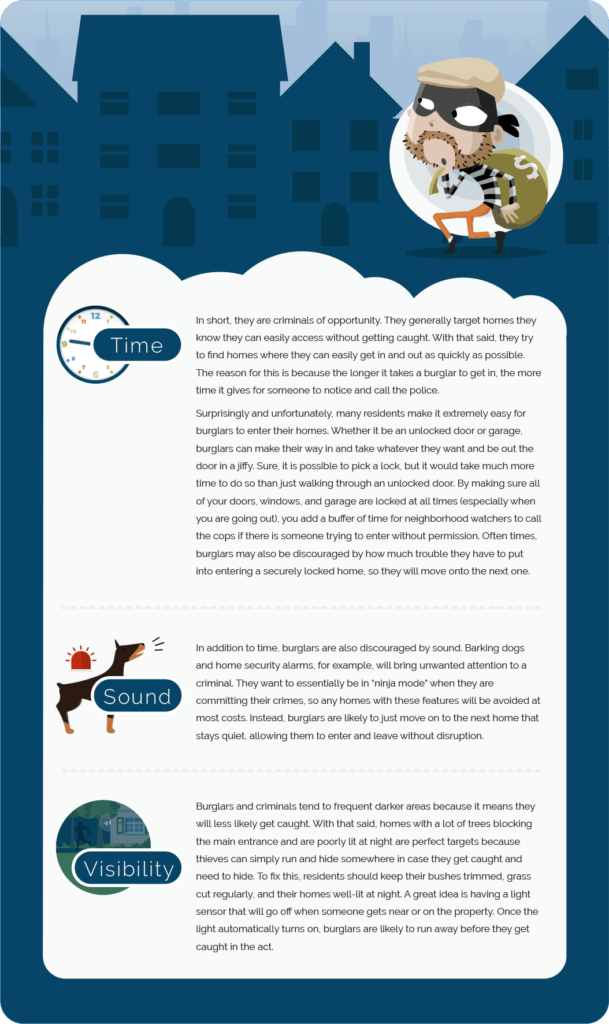
Home security is important for several reasons. First and foremost, it helps deter potential criminals from targeting your home. By installing visible security measures, such as alarm systems and surveillance cameras, you send a clear message that your home is protected and not an easy target. Additionally, home security measures can provide you with early detection and prompt response in the event of an incident, giving you valuable time to take appropriate action or contact authorities.
Types of home security threats
There are various types of threats that can compromise the security of your home. Burglaries are one of the most common, where criminals break into the property to steal valuable items. Vandalism and property damage are another threat, where individuals may deface or destroy your property. Home invasions, where criminals enter the residence while occupants are present, pose a significant risk to personal safety. It is essential to understand these threats to better prepare and protect your home.
Statistics on home burglaries
Understanding the statistics on home burglaries can shed light on the importance of home security. According to recent reports, a burglary occurs approximately every 25.7 seconds in the United States. This translates to over two million burglaries every year, with the majority taking place during daylight hours. Homes without any security systems are three times more likely to be targeted, emphasizing the significance of implementing effective security measures.
Physical Security Measures
Physical security measures focus on strengthening the physical barriers of your home to prevent unauthorized access. By fortifying doors, windows, and other potential entry points, you can significantly enhance your home’s security.
Securing doors
Securing your doors is a crucial step in home security. Reinforce your doors by installing solid wood or metal entry doors that are difficult to break through. Use deadbolt locks that extend at least one inch into the door frame, making it harder for intruders to force the door open. Additionally, consider installing door reinforcement plates and strike plates to provide additional strength and prevent kick-ins.
Securing windows
Windows can be vulnerable points of entry for intruders. Reinforce them by installing window security film or laminated glass, making it harder to break. Use window locks or upgrade to double-hung windows with built-in locks. Additionally, installing window security bars, particularly for basement or ground-level windows, can act as a strong deterrent to potential burglars.
Installing deadbolts
Deadbolts are an essential component of any home security system. Opt for high-quality deadbolts that meet industry standards and include anti-pry features. Install deadbolts on all exterior doors, ensuring they extend deep into the door frame. Remember to reinforce the strike plate with longer screws to provide additional security.
Using security bars
Security bars are an effective measure to prevent intruders from accessing your home through windows or doors. They are made of sturdy materials, such as steel, and can be installed on doors and windows to create an additional physical barrier. Ensure the bars can be easily released from the inside in case of emergencies.
Fortifying garage doors
Many homeowners overlook the security of their garage doors, yet they can be vulnerable entry points. Reinforce your garage doors by installing deadbolt locks and ensuring the door is made of durable materials. Consider adding security cameras or an alarm system to enhance the security of your garage and protect any valuables stored inside.
Alarm Systems
Alarm systems are an integral part of modern home security. These systems provide a reliable way to detect and prevent unauthorized access to your home and alert you and the authorities in case of a security breach.
Types of alarm systems
There are various types of alarm systems available to suit different needs and preferences. Some common types include:
-
Burglar alarms: These systems use sensors to detect motion or unauthorized entry into your home. They can be linked to a monitoring company that alerts you and the authorities if an alarm is triggered.
-
Smoke and fire alarms: These alarms are designed to detect smoke or fire and sound an audible alert. They are crucial for early fire detection and giving occupants ample time to evacuate safely.
-
Carbon monoxide alarms: These alarms monitor the levels of carbon monoxide, a colorless and odorless gas that can be deadly. They provide an early warning in case of a gas leak, allowing you to evacuate and seek assistance.
-
Flood and water detection alarms: These alarms detect water leaks or flooding in your home, helping prevent extensive water damage and providing early warning for potential hazards.
Choosing the right alarm system
When choosing an alarm system for your home, consider factors such as the size of your property, your budget, and your specific security needs. Consult with a reputable security company to assess your requirements and recommend the most suitable system. Look for features such as wireless connectivity, mobile app integration, and 24/7 monitoring for enhanced security and convenience.
Installation process
The installation process of an alarm system may vary depending on the chosen system and your specific requirements. It is generally recommended to hire a professional security company to ensure proper installation and functionality. They will assess your property, determine the optimal sensor placement, and connect the system to a central control panel. Professionals can also guide you on system operation and provide necessary training.
Integration with other security measures
Alarm systems can be integrated with other home security measures to create a comprehensive security system. For example, integrating your alarm system with surveillance cameras allows for live monitoring and recording of potential security breaches. You can also link your alarm system with smart technology, enabling remote access and control through your smartphone or other devices.
Surveillance Systems
Surveillance systems provide continuous monitoring and recording of your property, allowing you to keep a close eye on any potential security threats even when you are not at home.
Benefits of surveillance systems
Surveillance systems offer several benefits when it comes to home security. They act as a visible deterrent, dissuading potential criminals from targeting your property. Additionally, surveillance cameras provide valuable evidence in case of an incident, aiding in identification and prosecution. The ability to monitor your property remotely gives you peace of mind and ensures timely response in case of suspicious activities.
Types of surveillance cameras
There are various types of surveillance cameras available, each with its unique features and capabilities. Some common types include:
-
Outdoor cameras: These cameras are specifically designed for outdoor use and are weatherproof. They are equipped with night vision capabilities, motion detection, and wide-angle lenses to capture a broader view.
-
Indoor cameras: Indoor cameras are typically smaller and discreet and are specifically designed for monitoring the interiors of your home. They offer features like two-way audio, pan-tilt-zoom functionality, and high-definition video recording.
-
Wireless cameras: Wireless cameras offer flexibility and ease of installation as they do not require extensive wiring. They can be installed anywhere within the Wi-Fi range and can be accessed remotely through a mobile app or computer.
Placement of cameras
The proper placement of surveillance cameras is crucial to ensure maximum coverage and effectiveness. Consider placing cameras at all entry points, such as doors and windows, to capture potential intruders. Additionally, aim to cover areas with high-value items, such as living rooms or home offices. When setting up outdoor cameras, position them to cover the front and back of your house, driveways, and other vulnerable areas.
Monitoring and recording
Surveillance systems provide real-time monitoring of your property, allowing you to keep an eye on activities and potential threats. You can access live footage through a dedicated monitor, computer, or mobile app. Additionally, most surveillance systems offer recording capabilities, allowing you to review footage later if needed. Ensure you have sufficient storage space and consider opting for systems with motion-triggered recording to save storage and focus on relevant events.
Access Control Systems
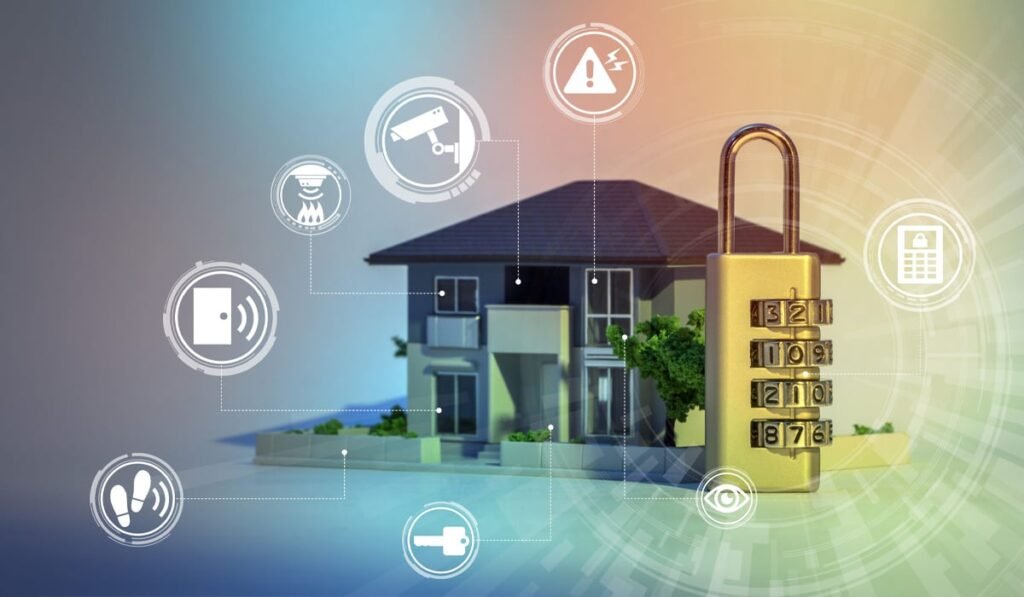
Access control systems provide an additional layer of security by regulating and monitoring access to your home. These systems offer advanced features such as keyless entry, biometric authentication, and remote access control.
Types of access control systems
There are various types of access control systems available to suit different security needs. Some common types include:
-
Keypad entry systems: Keypad entry systems require users to input a unique code to gain access to a property. These codes can be easily changed, providing added security.
-
Proximity card systems: Proximity card systems use RFID (Radio Frequency Identification) cards or key fobs to grant access to authorized individuals. Each card or fob contains a unique code and must be swiped or tapped to gain access.
-
Biometric access systems: Biometric access systems use unique physical characteristics, such as fingerprints or retinal patterns, to grant access. These systems offer a high level of security as they are difficult to replicate.
Implementing keyless entry
Keyless entry systems, such as keypad or proximity card systems, eliminate the need for traditional keys and provide added convenience. With keyless entry, you can easily grant temporary access to guests or service providers without the need for physical keys. It also eliminates the risk of lost or stolen keys compromising your home security.
Biometric authentication
Biometric authentication systems, such as fingerprint or retina scanners, offer an advanced level of security. These systems match unique physical characteristics to authorized individuals, ensuring only approved persons can gain access to your home. Biometric authentication is highly secure, as physical characteristics cannot be easily duplicated.
Remote access and control
Many access control systems offer remote access and control capabilities, allowing you to manage access to your home from anywhere. With remote access, you can monitor and control your access control system using a mobile app or web portal. This feature proves beneficial in situations where you need to grant access to someone while you are away or for emergency situations that require immediate access.
Home Automation and Smart Technology
Advancements in home automation and smart technology have revolutionized home security, providing enhanced convenience, control, and integration with existing security measures.
Smart locks
Smart locks offer convenience and security by replacing traditional locks with electronic locks that can be remotely controlled. These locks can integrate with your smartphone or other devices, allowing you to lock or unlock your doors from anywhere. You can also grant temporary access to guests or service providers and receive notifications of door activity.
Home security apps
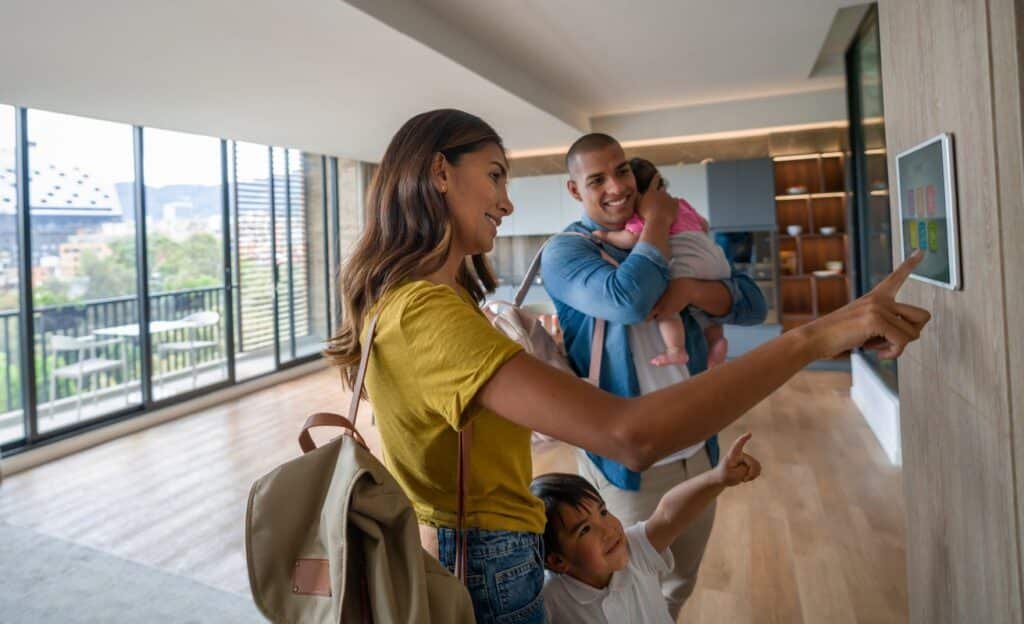
Home security apps provide a centralized platform for managing and monitoring various security measures in your home. These apps allow you to control and receive notifications from your alarm system, surveillance cameras, and access control systems. With home security apps, you can have complete control and awareness of your home’s security at your fingertips.
Remote monitoring
Smart technology enables remote monitoring of your home’s security systems. You can access live video feeds from your surveillance cameras, view alarm system status, and receive notifications of any security breaches. Remote monitoring gives you peace of mind, knowing that you can keep an eye on your home even when you are away.
Automation of lights and appliances
Automation of lights and appliances can enhance home security by giving the appearance that your home is occupied, even when it’s not. By scheduling lights to turn on and off at specific times or controlling appliances remotely, you can create the illusion of an occupied home, deterring potential burglars.
Securing Outdoor Spaces
Securing outdoor spaces is just as important as securing the inside of your home. By implementing proper measures, you can prevent unauthorized access to your property and protect valuable outdoor items.
Installing outdoor lighting
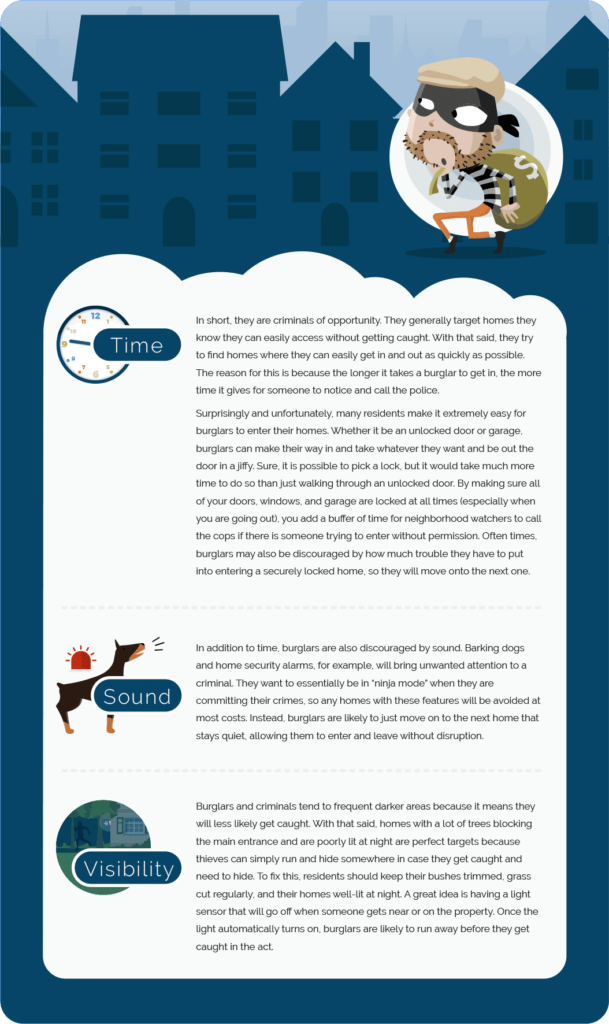
Installing outdoor lighting is a simple yet effective way to deter burglars and improve the security of your outdoor spaces. Install motion-activated lights around entry points and vulnerable areas to illuminate any suspicious activities. Well-lit areas provide fewer hiding spots for potential intruders and increase overall visibility.
Trimming trees and shrubs
Overgrown trees and shrubs can provide cover for criminals attempting to access your property. Regularly trim branches and foliage near windows, doors, and other access points to remove potential hiding spots. This will improve visibility and make it more difficult for burglars to approach your home undetected.
Securing fences and gates
Properly securing your fences and gates can act as a physical barrier to deter unauthorized individuals from entering your property. Ensure fences are in good condition and free of gaps or weaknesses that could be exploited. Install sturdy locks or gate latches to prevent easy access. Consider adding additional security measures, such as security cameras or motion sensors, near fences and gates for increased protection.
Protecting outdoor valuables
Outdoor valuables, such as garden equipment, bicycles, or patio furniture, are often targets for theft. Ensure these items are securely stored when not in use, preferably in locked sheds or garages. Consider marking valuable items with unique identifiers, such as engraving your name or using UV markers, to aid in recovery if they are stolen. Additionally, installing security cameras in outdoor areas can deter theft and provide evidence in case of a burglary.
Community Security Measures
Working together with your neighbors can significantly enhance the security of your community. By implementing community security measures, you create a united front against potential criminals and foster a safer environment for everyone.
Neighborhood watch programs
Neighborhood watch programs involve residents volunteering to keep a watchful eye on their community and report any suspicious activities to the authorities. These programs often organize regular meetings, share crime prevention tips, and encourage communication among neighbors. Participating in a neighborhood watch program can help establish a sense of community and deter criminals from targeting your area.
Collaboration with neighbors
Building strong relationships with your neighbors can be beneficial for home security. Get to know your neighbors and establish a network where you can look out for each other’s properties. By communicating and sharing information, you can alert each other to any suspicious activities or concerns. This collaborative effort can create a safer and more secure community for everyone.
Security signage and decals
Displaying security signage, such as neighborhood watch signs or security company logos, can act as a deterrent to potential criminals. These signs indicate that your community is vigilant and actively working to prevent crime. Additionally, placing security company decals on windows and doors can give the impression that your home is protected, discouraging burglars from targeting your property.

Fire Safety
In addition to protecting your home from intruders, it is crucial to prioritize fire safety. The following measures can help minimize the risk of fire-related incidents and ensure the safety of your household.
Installing smoke detectors
Smoke detectors are essential for early detection of fires and providing ample time for evacuation. Install smoke detectors on every level of your home and in every bedroom. Regularly test the detectors to ensure they are in proper working order, and replace batteries at least once a year.
Fire extinguishers and fire blankets
Fire extinguishers and fire blankets are valuable tools for extinguishing small fires or preventing them from spreading. Have multiple extinguishers strategically placed throughout your home, ensuring they are easily accessible. Additionally, consider keeping a fire blanket in the kitchen to smother cooking-related fires.
Creating a fire escape plan
Create a comprehensive fire escape plan for your household, ensuring everyone knows how to respond in an emergency. Identify primary and secondary escape routes from each room and establish a safe meeting point outside. Practice the escape plan regularly with all family members to ensure familiarity and preparedness.
Fireproofing important documents
Fireproof safes or cabinets are essential for protecting important documents, such as passports, birth certificates, and insurance policies, from fire damage. Store these documents in a secure and fire-resistant container to ensure their safety in the event of a fire. Additionally, consider utilizing cloud storage or off-site backups for digital copies of important documents.
Security Measures when Traveling
When you are away from home for an extended period, implementing specific security measures can help protect your property and give the appearance of an occupied home.
Informing trusted neighbors
Inform trusted neighbors about your travel plans and provide them with contact information in case of emergencies. Ask them to keep an eye on your property and report any suspicious activities. Trusted neighbors can also help by collecting mail or packages that may accumulate during your absence, making your home appear occupied.
Hiring house sitters
Consider hiring a house sitter or asking a trusted friend or family member to stay at your home while you are away. Having someone present can deter burglars and provide additional security. House sitters can also take care of routine tasks like watering plants and maintaining the appearance of an occupied home.
Putting mail and deliveries on hold
A pileup of mail or packages can signal to potential burglars that no one is home. Contact your post office and request a mail hold while you are away. Similarly, inform any regular delivery services to suspend deliveries until your return. Alternatively, ask a trusted neighbor or house sitter to collect your mail and packages.
Using timers for lights and electronics
Set timers for lights and electronics in different areas of your home to give the illusion of active occupancy. Programmable timers can turn lights on and off at designated times, creating the appearance that someone is present. This simple measure can significantly enhance the security of your home while you are away.
In conclusion, home security encompasses a range of measures and systems designed to protect your home from potential threats. By implementing physical security measures, alarm systems, surveillance systems, access control systems, and utilizing smart technology, you can significantly enhance the security and safety of your home. Additionally, securing outdoor spaces, collaborating with neighbors, prioritizing fire safety, and implementing security measures when traveling further contribute to a comprehensive approach to home security. By understanding the fundamentals and taking proactive steps, you can create a secure environment for you and your family.