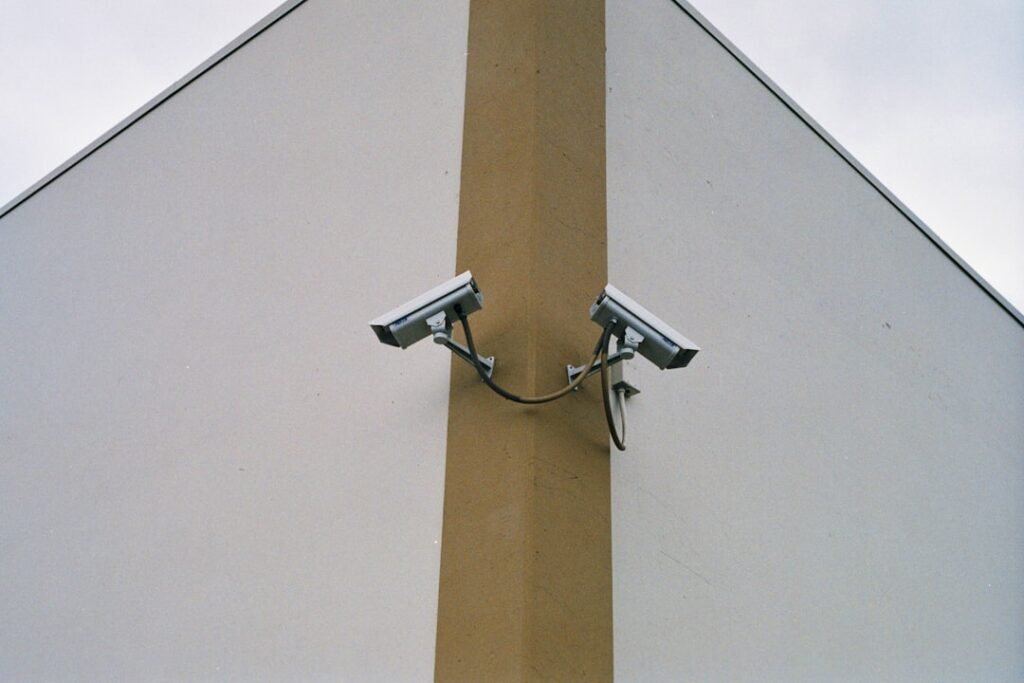
Navigating the landscape of home security for a large residence can feel like charting an uncharted territory. The sheer expanse of your property, with its multiple entry points, sprawling grounds, and perhaps detached structures, presents unique challenges that a standard residential system simply cannot adequately address. You require a security solution that acts as a vigilant sentinel, a multifaceted guardian tailored to the specific architecture and layout of your spacious home. This article will guide you through the considerations and options available from home security system companies specializing in large homes, empowering you to make an informed decision that provides robust protection and peace of mind.
Your large home is not a single entity; it’s a complex ecosystem. The perimeter itself is a formidable barrier, but with increased square footage comes an increased number of potential vulnerabilities. Think of your home not as a single fortress, but as a cluster of interconnected strongholds, each requiring its own defenses.
The Perimeter’s Paradox: More Space, More Entry Points
The most obvious challenge is the sheer number of doors and windows that constitute the outer shell of your residence. Unlike a compact dwelling, your home may boast multiple ground-floor access points, expansive glass doors leading to patios, and even basement entrances that are often overlooked by less sophisticated systems.
Minimizing Blind Spots with Comprehensive Coverage
A security system designed for smaller homes often focuses on primary entry points. For yours, however, you need to consider every potential avenue of ingress. This means a higher density of sensors, ensuring that no corner of your home remains a blind spot.
The Importance of Outdoor Surveillance
The grounds surrounding your large home are an integral part of its security. The transition from your property line to your dwelling is a critical zone. Protecting this buffer is as important as securing the dwelling itself.
Multi-Story Complexity and Internal Zones
Large homes often span multiple floors, each presenting its own security considerations. The attic, the basement, and even the internal corridors form a labyrinth that requires careful monitoring.
Segmenting Your Home into Security Zones
Instead of a single overarching security network, it’s often more effective to divide your large home into distinct security zones. This allows for customized monitoring and alerts. For instance, you might want to treat a guest wing differently from a private study or a finished basement.
Protecting Against Internal Threats
While external threats are a primary concern, don’t underestimate the importance of internal security. This could involve monitoring access to sensitive areas within your home or ensuring the safety of all occupants, particularly if you have staff or frequent guests.
Addressing Detached Structures and Outbuildings
Many large properties include detached garages, workshops, guest houses, or even stables. These structures, while separate from your main dwelling, are still part of your overall security footprint and are often vulnerable to intrusion.
Extending Your Security Network
A comprehensive system will offer solutions to incorporate these outbuildings into your primary security network, ensuring that they are monitored with the same diligence as your main residence.
Independent Power and Connectivity Considerations
Detached structures may require independent power sources or specialized connectivity solutions to ensure their security devices remain operational and communicate effectively with your central system.
When considering the best home security system companies for large homes, it’s essential to explore various options that cater specifically to expansive properties. A related article that provides valuable insights into home security services is available at Home Security System Service in Anaheim, California. This resource discusses different security solutions and services that can be tailored to meet the unique needs of larger residences, ensuring comprehensive protection for your property.
Key Components of a Robust System for Large Residences
The technological arsenal you deploy for your large home’s security must be built for scalability and sophistication. Think of it as assembling a crack team of specialized agents, each with a specific role to play in safeguarding your property.
Advanced Sensor Technologies and Their Applications
The effectiveness of any security system hinges on the quality and variety of its sensors. For a large home, relying on basic contact sensors alone will leave significant gaps.
Motion Detectors: Beyond Basic Coverage
Standard motion detectors might be sufficient for a small apartment, but your sprawling residence demands more advanced solutions. Dual-technology motion detectors, which combine passive infrared (PIR) and microwave detection, are less prone to false alarms triggered by environmental factors such as temperature fluctuations.
Pet-Immune Motion Sensors: Protecting Your Four-Legged Family Members
If you have pets, opting for pet-immune motion sensors is crucial. These are calibrated to ignore pets below a certain weight threshold, preventing unnecessary activations while still detecting human intruders.
Outdoor Motion Detectors: Guarding the Approaches
Strategically placed outdoor motion detectors can provide early warning of approaching individuals long before they reach your dwelling. These are often designed to withstand various weather conditions.
Glass Break Sensors: Listening for Danger
Windows are a common point of entry. Glass break sensors are designed to detect the specific acoustic frequencies of breaking glass, providing an immediate alert if a window is shattered.
Environmental Sensors: Expanding Beyond Intrusion
Modern security systems can extend their purview to include environmental threats.
Smoke and Carbon Monoxide Detectors: Life-Saving Alerts
Integrated smoke and carbon monoxide detectors offer a critical layer of safety. These systems can alert you and emergency services even if you are not present to detect the danger yourself.
Flood and Freeze Sensors: Protecting Against Water Damage
For basements, garages, or areas prone to moisture, flood sensors can alert you to potential water damage. Freeze sensors can protect pipes from bursting in colder months, particularly in garages or unheated outbuildings.
Professional-Grade Surveillance Cameras: The Eyes of Your Security
High-definition surveillance cameras are indispensable for large homes. They serve not only as a deterrent but also as a crucial tool for identification and evidence gathering.
Indoor Camera Placement Strategies
Strategic placement of indoor cameras can cover high-traffic areas, hallways, and rooms containing valuable assets. Consider how these cameras can offer a comprehensive view of your internal environment without compromising privacy where it’s not intended.
Outdoor Camera Capabilities: Weatherproofing and Wide-Angle Lenses
Outdoor cameras must be built to withstand the elements – rain, snow, extreme temperatures, and even direct sunlight. Wide-angle lenses ensure that each camera covers a significant portion of the exterior, reducing the number of cameras needed while maximizing coverage.
Night Vision and Infrared Capabilities: Seeing in the Dark
Effective night vision, utilizing infrared technology, is essential for round-the-clock surveillance, ensuring that your property is monitored even in complete darkness.
Recording Capabilities and Storage Solutions
The volume of video footage generated by multiple cameras on a large property necessitates robust recording and storage solutions. Options range from local Network Video Recorders (NVRs) to cloud-based storage, each with its own advantages.
Smart Home Integration: A Connected Defense Network
The true power of a modern security system for a large home lies in its ability to integrate with other smart home devices, creating a unified and intelligent defense network.
Automation for Enhanced Security
Imagine your security system not just detecting an intrusion, but automatically activating exterior lights, locking down specific doors, and even closing blinds to obscure interior views. This level of automation acts as a powerful deterrent and a proactive response.
Remote Access and Control: Your Command Center on the Go
The ability to remotely monitor your cameras, arm and disarm your system, and receive real-time alerts via your smartphone or tablet is a non-negotiable feature for owners of large homes. This provides you with ultimate control, no matter where you are.
Integration with Lighting and Smart Locks
Seamless integration with smart lighting systems can create a more dynamic deterrent. Lights can be programmed to turn on and off randomly when you are away, mimicking occupancy. Smart locks can ensure that all doors are secured upon arming the system.
Choosing the Right Provider: When Size Matters
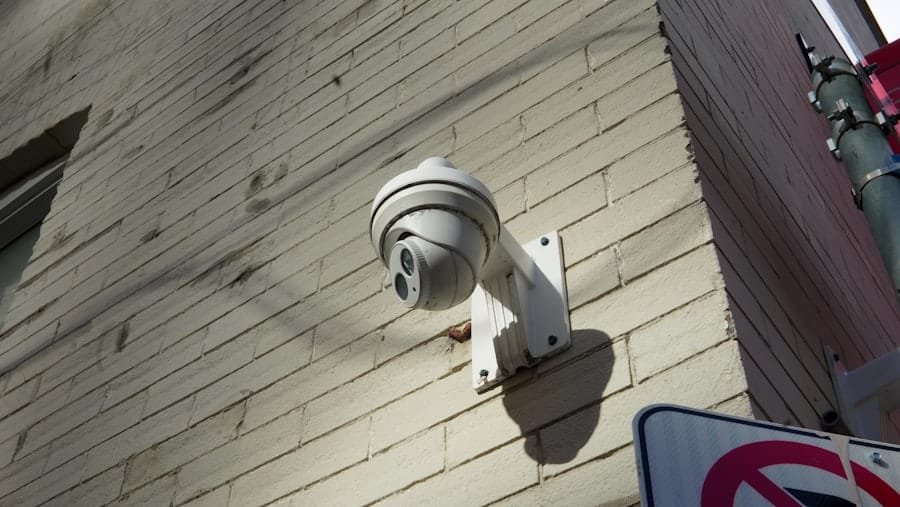
Not all home security companies are equipped to handle the complexities of safeguarding a large residence. You need a provider that understands the unique demands of such properties and possesses the expertise and resources to deliver a tailored solution.
Scalability and Customization: The Foundation of a Large Home System
The security needs of a large home are not one-size-fits-all. The provider you choose must demonstrate a commitment to offering highly customizable solutions that can be scaled as your needs evolve.
Bespoke System Design: Tailoring to Your Property’s Layout
A reputable provider will conduct a thorough assessment of your property, taking into account its size, layout, potential vulnerabilities, and your specific security concerns. This leads to a bespoke system design, not a generic installation.
Modular Components for Future Expansion
The ability to add components to your system over time – whether it’s more cameras, additional sensors, or smart home devices – is crucial for long-term security planning.
Professional Installation and System Maintenance: Ensuring Peak Performance
The installation of a complex security system in a large home requires skilled professionals. Improper installation can lead to system failures and compromised security.
Expert Technicians for Complex Setups
Look for companies that employ highly trained and certified technicians who have experience with large-scale residential installations. They understand the nuances of wiring, sensor placement, and system integration in expansive properties.
Ongoing Support and System Upgrades
A truly comprehensive security solution extends beyond the initial installation. Regular maintenance, software updates, and the availability of timely technical support are critical to ensure your system remains effective and up-to-date.
Monitoring Services: The Vigilant Watch
While self-monitoring offers a degree of control, professional monitoring services provide an invaluable layer of security. For a large home, this becomes even more critical.
24/7 Professional Monitoring: A Constant Guardian
A professional monitoring center acts as an extension of your own vigilance, providing round-the-clock surveillance. When an alarm is triggered, trained professionals verify the event and dispatch emergency services if necessary.
Rapid Response Protocols: Minimizing Reaction Time
The speed at which an alarm is addressed can make a significant difference. Professional monitoring services have established protocols to ensure rapid response, minimizing the time it takes for help to arrive.
Verified Alarms: Reducing False Dispatches
False alarms can be a nuisance and can even result in fines. Many modern monitoring services employ verification techniques, such as two-way voice communication with the premise or visual verification from cameras, to confirm an actual security breach before dispatching authorities.
Evaluating Service Providers: Due Diligence for Your Investment

Choosing the right security company is an investment in your peace of mind and the safety of your family and property. Treat this decision with the same care you would a significant financial commitment.
Company Reputation and Track Record: Beyond the Marketing Hype
The reputation of a security company is a strong indicator of its reliability and customer satisfaction. Seek out established companies with a proven history of serving large residential clients.
Customer Reviews and Testimonials: Real-World Experiences
Look beyond the glossy brochures. Seek out unbiased customer reviews and testimonials from homeowners with properties similar in size and complexity to yours. Websites that specialize in aggregating customer feedback can be valuable resources.
Industry Certifications and Accreditations: A Mark of Professionalism
Reputable security companies often hold industry certifications and accreditations, demonstrating their commitment to professional standards and best practices. These can provide an extra layer of confidence in their capabilities.
Service Contracts and Warranty Information: Understanding the Long-Term Commitment
The terms of service contracts and warranty information are crucial elements to scrutinize. They outline the ongoing relationship between you and the security provider.
Contract Length and Renewal Policies: Clarity is Key
Understand the duration of the contract, the terms for renewal, and any associated fees. Avoid providers who are evasive or unclear about these aspects.
Warranty on Equipment and Installation: Protecting Your Investment
Ensure that the equipment and the installation itself come with a comprehensive warranty. This protects you from unexpected costs should components fail or installation issues arise.
Pricing Structures and Hidden Fees: Transparency is Paramount
The cost of a comprehensive security system for a large home can be significant. It’s essential to understand the pricing structure and to be wary of hidden fees.
Understanding Package Options: What’s Included?
Many companies offer tiered package options. Carefully review what is included in each package to ensure it meets your specific needs. Don’t be swayed by a seemingly low introductory price if it doesn’t cover the essential components for your large home.
Potential for Hidden Costs: Asking the Right Questions
Inquire about any potential hidden costs, such as installation fees, monthly monitoring fees, equipment maintenance fees, or charges for remote access features. Transparency in pricing is a hallmark of a trustworthy provider.
When considering the best options for home security system companies that cater to large homes, it’s essential to explore various services and features that can provide comprehensive protection. A related article that offers valuable insights into this topic is available at Our Secure Home, where you can find information on tailored security solutions that meet the unique needs of expansive properties. This resource can help you make informed decisions about safeguarding your home effectively.
The Future of Large Home Security: Embracing Innovation
| Company | Monitoring Type | Equipment Included | Smart Home Integration | Installation Type | Monthly Monitoring Cost | Contract Length | Customer Rating (out of 5) |
|---|---|---|---|---|---|---|---|
| ADT | Professional | Control panel, door/window sensors, motion detectors, cameras | Alexa, Google Assistant, Z-Wave | Professional | 45 | 36 months | 4.2 |
| Vivint | Professional | Smart hub, door/window sensors, cameras, smart locks, glass break sensors | Alexa, Google Assistant, Apple HomeKit | Professional | 50 | 42 months | 4.5 |
| Frontpoint | Professional | Control panel, door/window sensors, motion detectors, cameras | Alexa, Google Assistant | DIY or Professional | 40 | 36 months | 4.3 |
| SimpliSafe | Self & Professional | Base station, entry sensors, motion sensors, cameras | Alexa, Google Assistant | DIY | 30 | None | 4.1 |
| Brinks Home Security | Professional | Control panel, door/window sensors, motion detectors, cameras | Alexa, Google Assistant | Professional | 45 | 36 months | 4.0 |
The field of home security is constantly evolving, with new technologies emerging that offer even greater levels of protection and convenience. For owners of large homes, staying abreast of these innovations can ensure your security remains at the cutting edge.
Artificial Intelligence and Machine Learning: Smarter Threat Detection
AI and machine learning are revolutionizing security systems by enabling them to learn patterns of normal activity and to identify anomalies with greater accuracy.
Predictive Analytics: Anticipating Threats Before They Occur
AI-powered systems can analyze data to predict potential security risks, allowing for proactive measures to be taken before an actual intrusion occurs.
Behavioral Analysis: Distinguishing Between Routine and Suspicious Activity
By analyzing patterns of movement and behavior on your property, AI can better distinguish between normal activities (like a delivery driver dropping off a package) and suspicious behavior, reducing false alarms.
Advanced Biometric Security: Personalized Access Control
Biometric authentication, such as fingerprint or facial recognition, offers a highly secure and convenient method of access control for your large home.
Secure Entry for Authorized Personnel
This technology can be particularly useful for granting access to specific zones or at entry points for trusted individuals, such as family members or household staff, while maintaining a high level of security.
Enhanced Privacy and Control Over Access
Biometrics can provide a granular level of control over who can access which areas of your home and when, offering enhanced privacy and security.
The Interconnected Ecosystem: A Truly Smart and Secure Home
The ultimate goal for many homeowners is a fully integrated smart home where security is not an afterthought but a foundational element.
Seamless Integration of All Smart Devices
Imagine a scenario where your security system interacts intelligently with your smart thermostat, lighting, entertainment systems, and even your smart appliances, creating a truly cohesive and responsive living environment.
Enhanced Convenience and Lifestyle Benefits
Beyond security, this interconnectedness can lead to significant lifestyle benefits, such as automated energy management, personalized ambiance settings, and a more streamlined daily routine, all while maintaining a robust security posture. When you consider the scale of your dwelling, a well-integrated security system can feel less like a rigid imposition and more like an invisible, intelligent partner, working tirelessly to protect what matters most.
FAQs
What features should I look for in a home security system for a large home?
When choosing a home security system for a large home, look for features such as extensive sensor coverage, multiple cameras with wide-angle lenses, smart home integration, 24/7 professional monitoring, and scalable system options to cover all entry points and outdoor areas.
Are home security systems for large homes more expensive than those for smaller homes?
Yes, home security systems for large homes typically cost more due to the need for additional equipment like extra sensors, cameras, and control panels, as well as potentially higher monitoring fees to cover the larger property.
Can I install a home security system for a large home myself, or should I hire a professional?
While some systems offer DIY installation, large homes often benefit from professional installation to ensure all areas are properly covered, devices are optimally placed, and the system is correctly configured for maximum security.
Do home security companies offer customized solutions for large homes?
Many home security companies provide customized solutions tailored to the size and layout of large homes, including personalized equipment packages, advanced monitoring options, and integration with other smart home devices.
How important is 24/7 professional monitoring for large home security systems?
24/7 professional monitoring is highly important for large homes as it ensures immediate response to alarms or emergencies, providing an added layer of security and peace of mind, especially when the property is unoccupied.