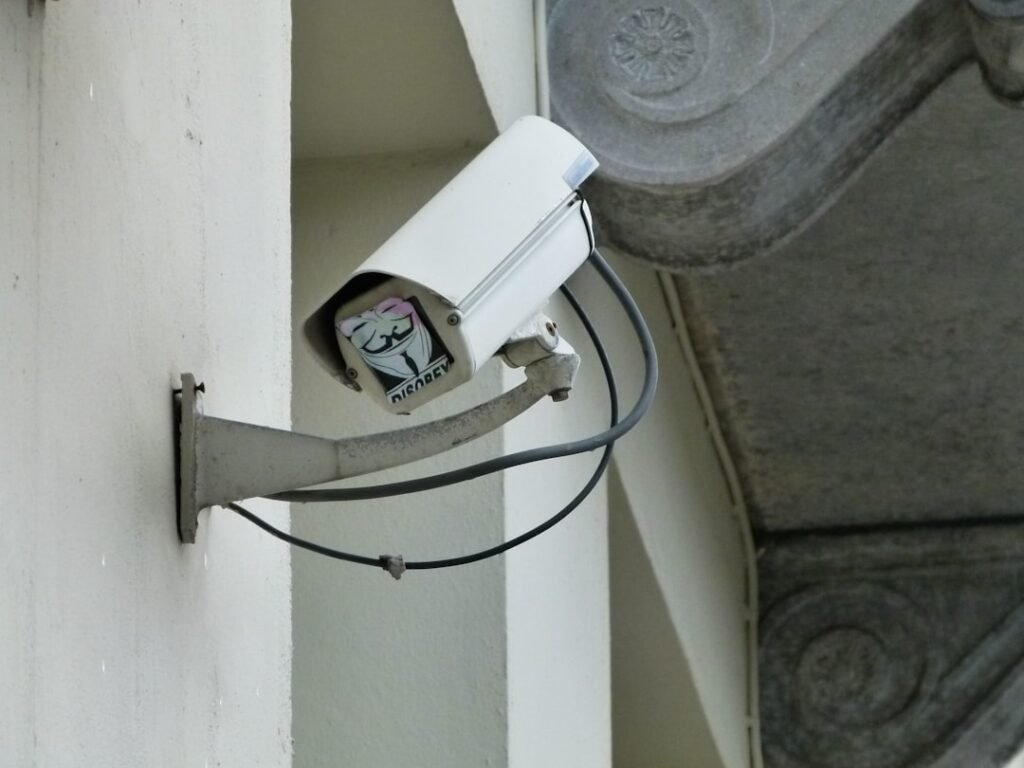
You’re considering a home security system, and that’s a wise choice. Protecting your domicile is akin to building a fortress around your sanctuary, and modern security systems offer layers of defense that go far beyond a simple lock and key. Often, the investment in a robust system includes the understanding that it’s not a one-time purchase but an ongoing commitment to safety. This is where subscription plans and upgrade options become crucial elements in your security strategy. These plans are designed to evolve with your needs and the ever-changing landscape of potential threats, much like a living organism adapting to its environment. Ignoring these facets of a security system is like leaving a crucial gatepost unfortified, a vulnerability waiting to be exploited.
When you embark on the journey of securing your home, you’ll encounter a variety of base security system packages. These are the fundamental building blocks of your defense, offering essential protection. Think of them as the sturdy walls and solid foundation of your fortress, providing the initial line of deterrence and response.
Core Components of a Base Package
At their most rudimentary level, base security packages typically include a central control panel, also known as the hub. This is the brain of your operation, coordinating all the other components and communicating with the outside world.
The Central Hub: Your System’s Command Center
The central hub is where everything converges. It’s the nerve center that receives signals from your sensors and dictates the system’s response. Its functionality can vary greatly, from simple arming and disarming to more advanced features like programmable schedules and remote access. Consider it the vigilant sentry at the gate, always aware and ready to relay information.
Door and Window Sensors: The First Layer of Intrusion Detection
These discreet devices are your first line of defense against unauthorized entry. When a door or window is opened, these sensors trigger an alert. They are the watchful eyes and ears at every potential point of ingress, ensuring that no unwanted guest can slip in unnoticed.
Magnetic Contact Sensors
These are the most common type. They consist of two parts: a magnet and a switch. When the door or window is closed, the magnet keeps the switch closed. When opened, the magnetic connection is broken, and the sensor sends a signal to the hub. This is a simple yet effective mechanism, like a well-placed tripwire.
Inertia Sensors
These sensors detect vibration or force applied to a door or window, often before it’s actually opened. If an intruder attempts to pry open a window or force a door, the inertia sensor will trigger. This offers a proactive layer of detection, alerting you to tampering before a full breach. It’s like detecting the faint tremors of an approaching siege engine before the battering ram hits.
Motion Detectors: Covering Larger Areas
Motion detectors are designed to sense movement within a room or a defined area. They are particularly useful for covering larger spaces or areas with multiple entry points.
Passive Infrared (PIR) Detectors
These are the most prevalent type of motion detector. They work by detecting changes in infrared energy emitted by body heat. When a warm body moves across the detector’s field of vision, it registers a change and triggers an alert. This is analogous to a thermal imaging scanner, picking up the heat signature of an intruder.
Dual-Technology Detectors
Combining PIR technology with microwave sensors, dual-technology detectors offer enhanced accuracy and reduce the likelihood of false alarms. The microwave sensor detects movement based on the Doppler effect, and both sensors must be triggered simultaneously for an alarm to be activated. This redundancy makes them more reliable, like having two independent patrols confirming a sighting before raising an alarm.
Keypads and Remotes: User Interface and Control
These components allow you to interact with your security system. Keypads are typically mounted near entryways for easy access, while remotes offer portable control.
Arming and Disarming the System
The primary function of keypads and remotes is to arm and disarm the system. You’ll usually have different modes, such as “stay” (for when you’re home and want to secure perimeters) and “away” (for when the house is empty). This is your personal override, the command to draw the drawbridge or lower it.
Emergency Buttons
Many systems include panic buttons on keypads or remotes that, when pressed, immediately trigger an alarm and alert emergency services. This can be a vital lifeline in critical situations.
When considering home security system subscription plans with upgrades, it’s essential to be informed about common misconceptions that may influence your decision. A related article that addresses these myths is available at Common Myths About Home Security Systems Debunked. This resource provides valuable insights that can help you make a more informed choice regarding the features and benefits of various security options available today.
The Recurring Investment: Security System Subscription Plans
Once you’ve established the basic framework of your home security, you’ll likely encounter subscription plans. These plans are not merely a revenue stream for security companies; they are the engine that powers the advanced features and ongoing support that elevate your security from basic to comprehensive, much like a well-maintained moat and drawbridge system.
Why Subscribe? The Value Proposition of Ongoing Services
The decision to subscribe to a security system plan often hinges on the enhanced functionality and peace of mind it provides. It’s about moving beyond the static defense of your initial hardware and embracing a dynamic, responsive security posture.
Professional Monitoring: The Always-On Guardian
Perhaps the most significant benefit of a subscription plan is professional monitoring. This means that when your alarm is triggered, it doesn’t just make noise; it alerts a dedicated monitoring center. These trained professionals then assess the situation and can dispatch emergency services if necessary.
24/7 Alarm Response
Professional monitoring services operate around the clock, ensuring that an alert is never missed, regardless of the time of day or night. This is your vigilant night watch, never sleeping, always observing.
Dispatching Emergency Services
Upon verifying a genuine alarm, the monitoring center can directly contact police, fire departments, or medical personnel, significantly speeding up response times. This is the direct line to the cavalry, ensuring rapid reinforcement when needed.
False Alarm Reduction Protocols
Reputable monitoring centers employ protocols to minimize false alarms. They will typically attempt to contact you to verify the situation before dispatching authorities, preventing unnecessary fines and disruptions. This is the vetting process, ensuring that the alarm is not a false call to arms.
Remote Access and Control: Your Security in Your Pocket
Many subscription plans unlock the ability to control and monitor your security system remotely via a smartphone app. This empowers you with real-time awareness and control, no matter where you are.
Live System Status Updates
You can check if your system is armed or disarmed, view sensor status, and receive instant notifications of any events, such as a door opening or motion detected. This is like having a real-time tactical overview of your defenses.
Arming and Disarming Remotely
Forget to arm your system before leaving? No problem. With remote access, you can arm or disarm your system from anywhere with an internet connection. This adds a layer of convenience and ensures your home is always protected.
Event History and Logs
Subscription plans often provide access to a log of all system events, allowing you to review past activity and identify patterns or potential issues. This is your historical record of skirmishes and patrols, offering insights into past threats.
Cloud Storage for Video Footage
If your system includes cameras, subscription plans are typically required for cloud storage of recorded video footage. This is crucial for evidence collection and reviewing incidents.
Accessing Recorded Events
You can review footage of triggered events, such as doorbell alerts or motion detection in specific areas, to understand what happened. This is like accessing the security camera footage from a critical checkpoint.
Secure Storage of Evidence
Cloud storage provides a secure off-site location for your video recordings, protecting them from damage or theft at your property. This ensures your evidence remains safe and accessible even if your home is compromised.
The Evolution of Defense: Understanding Upgrade Options

The security needs of your home are not static. As your life evolves, so too might your demands on your security system. This is where upgrade options come into play, allowing you to enhance your existing system’s capabilities and adapt to new challenges, much like a seasoned warrior acquiring new and more potent weaponry.
Expanding Your System’s Reach: Additional Devices and Sensors
One of the primary ways to upgrade your system is by adding more devices and sensors. This allows you to cover more areas, detect a wider range of threats, and increase the overall redundancy of your security.
Indoor and Outdoor Cameras: Extending Your Visual Perimeter
Cameras offer an invaluable visual deterrent and a powerful tool for monitoring. Upgrading to additional cameras, including specialized outdoor models, significantly extends your awareness.
High-Definition Video Quality
Newer cameras often offer significantly higher resolution than older models, providing clearer images and more detail, crucial for identification purposes. This is like upgrading from a blurry sketch to a high-definition photograph.
Night Vision and Low-Light Capabilities
Advanced cameras are equipped with powerful night vision and low-light capabilities, ensuring clear footage even in complete darkness. This is your ability to see in the darkest of nights.
Wide-Angle Lenses and Pan-Tilt-Zoom (PTZ) Functionality
Wide-angle lenses capture a broader field of view, while PTZ cameras allow you to remotely control their direction and zoom, offering greater flexibility in monitoring. This is like having a drone capable of surveying vast areas.
Environmental Sensors: Protecting Against Internal Threats
Beyond intrusion, your home faces internal threats that can be just as devastating. Environmental sensors add a crucial layer of protection.
Smoke and Carbon Monoxide Detectors
Integrating smart smoke and carbon monoxide detectors with your system provides instant alerts to your phone and the monitoring center in case of fire or the silent killer, CO. This is your early warning system for infernos and asphyxiation.
Water Leak Detectors
These small sensors can be placed in basements, near water heaters, or under sinks. They will alert you to the presence of water, helping to prevent catastrophic water damage and mold growth. This is your early detection of flooding, preventing the deluge.
Temperature Sensors
In extreme climates, temperature sensors can alert you to dangerously high or low temperatures that could damage your home’s infrastructure or perishable goods, or even indicate a malfunctioning HVAC system. This is your early warning against the ravages of extreme heat or cold.
Enhancing Intelligence: Advanced Software Features
Upgrades aren’t always about hardware; they can also involve enhancing the “brain” of your system with more sophisticated software features that leverage artificial intelligence and data analysis.
Smart Home Integration: A Unified Ecosystem
Many modern security systems can integrate with other smart home devices, creating a more cohesive and automated living environment.
Voice Control Integration (e.g., Alexa, Google Assistant)
Controlling your security system with voice commands adds a layer of convenience. You can arm your system, check its status, or even trigger certain actions simply by speaking. This is like having a digital butler at your beck and call.
Automation with Other Smart Devices
Your security system can be programmed to interact with other smart devices. For instance, when your system is armed “away,” your smart lights could automatically turn off, and your smart thermostat could adjust to an energy-saving mode. This creates a symphony of smart home automation orchestrated by your security.
AI-Powered Video Analytics
This is a significant upgrade that moves beyond simple motion detection. AI-powered cameras can analyze video feeds to identify specific objects or behaviors.
Person Detection and Recognition
Instead of triggering an alarm for any movement, AI can be trained to recognize the difference between a person, a pet, or a vehicle, reducing false alarms and providing more context. This is like having an intelligent guard who can distinguish friend from foe.
Package Detection
For homes where deliveries are frequent, package detection can alert you specifically when a package is delivered or removed from your doorstep. This is your vigilant porch watch, ensuring your parcels are accounted for.
Facial Recognition (with privacy considerations)
While controversial due to privacy concerns, some advanced systems offer facial recognition capabilities, allowing for personalized alerts or even automated actions when recognized individuals enter or leave the property. This is the ultimate personalized welcome or farewell, but one that requires careful ethical consideration.
The Cost of Comprehensive Security: Subscription Tiers and Pricing

When you explore home security system subscription plans, you’ll find a spectrum of options, each with its own pricing structure and feature set. Understanding these tiers is crucial for making an informed decision that aligns with your budget and security needs, much like choosing the right armament for a specific battle.
Different Tiers of Service: From Basic to Premium
Security companies typically offer multiple subscription tiers, allowing you to select the level of service that best suits your requirements.
Basic Tier: The Essentials
This tier usually includes professional monitoring, basic remote access, and a limited amount of cloud storage for video footage. It’s the fundamental protection you need.
Key Features
- Professional 24/7 monitoring.
- Basic smartphone app access for arming/disarming and alerts.
- Limited cloud storage (e.g., history for 7-30 days).
- No or very limited access to advanced analytics.
Mid-Tier: Enhanced Functionality
This level often expands on the basic tier by offering more comprehensive remote control, increased cloud storage, and potentially the inclusion of a few environmental sensors.
Key Features
- All features of the basic tier.
- Increased cloud storage capacity (e.g., 30-60 days).
- More advanced remote control features.
- Potential to include one or two environmental sensors.
- May offer basic video recording capabilities for multiple cameras.
Premium Tier: The Ultimate Security Suite
The premium tier is designed for those who want the most robust protection and the latest features. This often includes unlimited cloud storage, advanced AI analytics, and priority support.
Key Features
- All features of the mid-tier.
- Unlimited or very extensive cloud storage.
- AI-powered video analytics (person detection, package detection).
- Priority customer support.
- Integration with a wider range of smart home devices.
- Potentially advanced features like cellular backup for internet outages.
Unpacking the Pricing: One-Time Costs vs. Monthly Fees
It’s important to differentiate between the initial costs of acquiring the security hardware and the ongoing monthly fees for the subscription services.
Hardware Purchase or Lease
You may have the option to purchase your security system hardware outright, which represents a significant upfront investment. Alternatively, many companies offer a lease or rental option, where the hardware is included in your monthly subscription cost.
Outright Purchase
- Pros: You own the equipment outright, no ongoing hardware costs.
- Cons: Higher initial expense. You are responsible for any repairs or replacements outside of warranty.
Hardware Lease/Rental
- Pros: Lower upfront cost, hardware is typically maintained or replaced by the company.
- Cons: Ongoing monthly cost for hardware. You don’t own the equipment.
Monthly Subscription Fees
The monthly subscription fee is what gives you access to the ongoing services like professional monitoring, remote access, and cloud storage. This fee will vary based on the tier of service you choose and the number of devices you have connected.
Factors Influencing Monthly Costs
- Tier of Service: Premium tiers naturally come with higher monthly fees.
- Number of Devices: More cameras, sensors, and other connected devices can sometimes increase the monthly cost, especially if there are per-device fees for cloud storage or monitoring.
- Contract Length: Some companies offer discounts for longer-term contracts (e.g., 3-5 years).
- Promotional Offers: New customer discounts and bundled packages can significantly reduce initial and ongoing costs.
When considering home security system subscription plans with upgrades, it’s essential to explore various options that enhance your overall safety. A related article discusses modern home security solutions that go beyond traditional locks and alarms, providing insights into innovative technologies and features that can be integrated into your security system. For more information on these advancements, you can read the article here. This resource can help you make informed decisions about the best upgrades for your home security needs.
Navigating Upgrade Costs: When and How to Invest More
| Plan Name | Monthly Cost | Equipment Included | Monitoring Type | Smart Home Integration | Video Storage | Professional Installation | Upgrade Options |
|---|---|---|---|---|---|---|---|
| Basic | 20 | Door/Window Sensors, Keypad | Self-Monitoring | No | None | Optional, extra cost | Additional Sensors, Mobile App |
| Standard | 35 | Door/Window Sensors, Motion Detectors, Keypad | 24/7 Professional Monitoring | Yes | 7 days cloud storage | Included | Video Cameras, Smart Locks, Environmental Sensors |
| Premium | 50 | All Standard Equipment + Indoor/Outdoor Cameras | 24/7 Professional Monitoring | Yes, advanced automation | 30 days cloud storage | Included | Video Doorbell, Home Automation Packages, Additional Cameras |
| Ultimate | 70 | All Premium Equipment + Smart Thermostat, Glass Break Sensors | 24/7 Professional Monitoring + Emergency Response | Full Smart Home Integration | 60 days cloud storage + Local Backup | Included | Personalized Security Consulting, Advanced AI Detection |
Deciding when and how to invest in upgrades requires a strategic approach, balancing immediate needs with future security considerations. It’s about making calculated moves to strengthen your defenses, not simply adding components for the sake of it.
Assessing Your Current Needs and Potential Vulnerabilities
Before you commit to an upgrade, take stock of your current situation. Are there areas of your home that feel less secure? Have your lifestyle or living situation changed?
Identifying Gaps in Coverage
Walk through your property and identify any blind spots or areas that lack adequate sensor coverage. This might include specific hallways, rooms with multiple windows, or exterior areas.
Evaluating Past Incidents or Near Misses
Reflect on any past security concerns, even minor ones. Did a package go missing? Was there an unusual noise late at night? These experiences can highlight areas where an upgrade might be beneficial.
Considering Lifestyle Changes
Have you recently expanded your family, acquired valuable possessions, or started working from home more frequently? These changes can alter your security needs and might warrant an upgrade. For example, a growing family might need more indoor cameras for monitoring, while a home office might require enhanced cybersecurity for connected devices.
Types of Upgrade Costs: Hardware and Installation
When you opt for hardware upgrades, you’ll typically encounter costs associated with both the new equipment and its installation.
Purchasing Additional Hardware
The cost of individual sensors, cameras, smart locks, or other devices will vary depending on the brand and complexity of the product. It’s advisable to research and compare prices from different manufacturers.
Researching Device Compatibility
Ensure any new hardware you purchase is compatible with your existing security system’s hub and platform. This avoids the scenario of buying an advanced piece of equipment only to find it cannot connect to your existing network.
Bulk Purchase Discounts
If you plan on making several upgrades at once, inquire about potential bulk purchase discounts from your security provider.
Installation Fees
Some upgrades, particularly those involving cameras or complex sensor placements, may require professional installation. This can add to the overall cost.
DIY Installation vs. Professional Installation
Many basic sensors and devices can be installed by the homeowner, saving on installation fees. However, for more complex installations or if you lack the time or technical expertise, professional installation might be necessary. This is like choosing to build your own rampart or hiring skilled engineers.
Factors Affecting Installation Costs
- Complexity of Installation: Installing a new camera on an exterior wall will likely cost more than placing a window sensor.
- Number of Devices: The more devices that need to be installed, the higher the labor cost.
- Location and Accessibility: Difficult-to-access areas might incur additional charges.
When considering the best options for home security, exploring various subscription plans can be essential for finding the right fit for your needs. A related article discusses the benefits of Home Security System Subscription Plans with Upgrades, highlighting how these plans can enhance your safety while offering flexibility and customization. For more insights on this topic, you can check out the detailed information available in this article, which provides a comprehensive overview of services available in Santa Ana, California.
The Long Game: Planning for Future Security Needs
Home security is not a sprint; it’s a marathon. Planning for future security needs ensures that your system remains effective and relevant over time, much like anticipating future territorial expansion and reinforcing your borders accordingly.
Adapting to Technological Advancements
The field of home security technology is constantly evolving. New innovations emerge regularly, offering enhanced capabilities and improved performance.
Keeping Pace with Emerging Threats
As criminals develop new tactics, security technologies also advance to counter them. Staying informed about these developments can help you make informed decisions about future upgrades. This is about staying one step ahead of the adversary’s ingenuity.
Leveraging New Features and Capabilities
New software updates and hardware advancements can introduce features that you might not have initially considered but could significantly enhance your security. For instance, advancements in AI might offer more sophisticated threat detection capabilities than were available when you first installed your system.
Regular System Reviews and Maintenance
Just as a fortress requires ongoing maintenance, your security system needs regular attention to ensure optimal performance.
Scheduled System Checks
Most security companies recommend periodic system checks to ensure all components are functioning correctly and that your monitoring service is active.
Firmware Updates
Ensure your system’s firmware is up to date. Manufacturers frequently release updates that patch security vulnerabilities and improve functionality. This is like applying the latest tactical doctrines to your defense strategy.
Battery Replacement for Wireless Sensors
Wireless sensors rely on batteries. Regularly check and replace these batteries to prevent unexpected system failures. This is the simple, yet crucial, act of replenishing your sentries’ ammunition.
Re-evaluating Your Subscription Plan
As your needs change and new features become available, it’s wise to periodically re-evaluate your subscription plan. Perhaps a newer tier offers benefits that now outweigh the increased cost, or perhaps your needs have diminished, allowing you to downgrade. This is about periodically assessing your troop deployments and resource allocation.
By understanding the intricacies of home security system subscription plans with upgrades, you empower yourself to build and maintain a robust, adaptable, and future-proof defense for your home and loved ones. It’s an ongoing commitment to safety, a layered approach that evolves with you and the world around you.
FAQs
What is included in a typical home security system subscription plan?
A typical home security system subscription plan usually includes 24/7 professional monitoring, access to a mobile app for remote control, cloud storage for video recordings, and regular system updates. Some plans may also offer additional features like smart home integration and emergency response services.
Can I upgrade my home security system subscription plan?
Yes, most home security providers offer upgrade options for their subscription plans. Upgrades can include enhanced monitoring services, additional cameras or sensors, higher video storage capacity, and advanced automation features.
Are there different tiers of subscription plans available?
Yes, home security companies often provide multiple subscription tiers to suit different needs and budgets. Basic plans may cover essential monitoring and alerts, while premium plans offer comprehensive protection with added features such as video analytics, professional installation, and priority customer support.
Is professional monitoring necessary for a home security system?
Professional monitoring is not mandatory but highly recommended. It ensures that emergency services are notified promptly in case of an alarm, even if the homeowner is unavailable. Some systems also offer self-monitoring options without a subscription fee, but these rely on the homeowner to respond to alerts.
How do subscription plan upgrades affect the monthly cost?
Upgrading a subscription plan typically increases the monthly cost, depending on the additional features and services included. Providers usually offer clear pricing details for each upgrade option, allowing customers to choose plans that fit their security needs and budget.