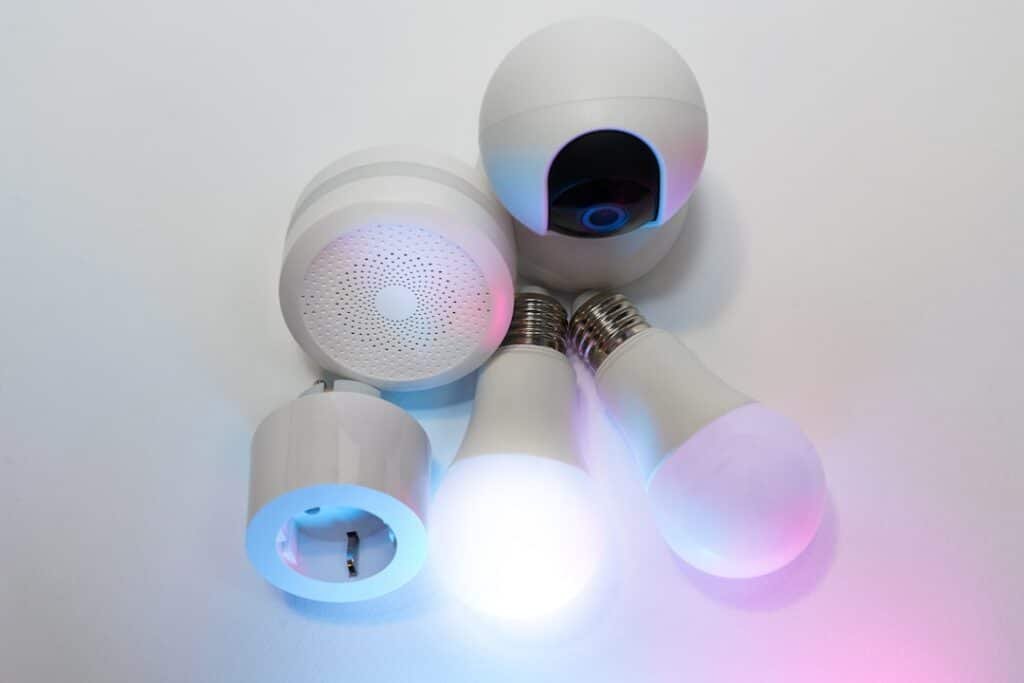
In an age where safety and peace of mind are paramount, home security systems have become an essential aspect of modern living. You may find yourself increasingly concerned about the safety of your home and loved ones, especially with the rise in crime rates in various areas. A home security system serves as a protective barrier, deterring potential intruders and providing you with the reassurance that your property is being monitored.
With advancements in technology, these systems have evolved significantly, offering a range of features that cater to different needs and preferences. As you consider investing in a home security system, it’s important to understand the various options available and how they can enhance your sense of security. Whether you live in a bustling urban environment or a quiet suburban neighborhood, the right system can help you feel more secure in your own space.
This article will guide you through the different types of home security systems, their features, benefits, and how to choose the best one for your unique situation.
Key Takeaways
- Home security systems are essential for protecting your home and loved ones from potential threats.
- There are various types of home security systems available, including DIY systems, professionally monitored systems, and smart home security systems.
- When choosing a home security system, look for features such as 24/7 monitoring, mobile app control, video surveillance, and smart home integration.
- Having a home security system can provide benefits such as deterring burglars, notifying authorities in case of emergencies, and providing peace of mind for homeowners.
- Consider factors such as your budget, home size, and specific security needs when choosing the best home security system for your home.
Types of Home Security Systems
When it comes to home security systems, you have several options to choose from, each designed to meet specific needs and preferences. One of the most common types is the traditional wired security system. This system involves installing physical wires throughout your home to connect various components such as cameras, alarms, and sensors.
While this option can be more reliable in terms of connectivity, it often requires professional installation and can be more expensive due to the labor involved. On the other hand, wireless security systems have gained popularity for their ease of installation and flexibility. These systems use Wi-Fi or cellular networks to connect devices, allowing you to set up your security system without the need for extensive wiring.
This means you can easily relocate cameras or sensors as needed, making it a great choice for renters or those who frequently rearrange their living spaces. Additionally, many wireless systems come with mobile apps that allow you to monitor your home remotely, providing you with real-time updates and alerts.
Features to Look for in a Home Security System

When selecting a home security system, it’s crucial to consider the features that will best suit your lifestyle and needs. One key feature to look for is 24/7 monitoring. This service ensures that your home is being watched around the clock by trained professionals who can respond quickly in case of an emergency.
Knowing that someone is always keeping an eye on your property can provide you with invaluable peace of mind. Another important feature is smart home integration. Many modern security systems can connect with other smart devices in your home, such as smart locks, lights, and thermostats.
This integration allows you to create a comprehensive smart home ecosystem that enhances both security and convenience. For instance, you can set your lights to turn on automatically when your security system detects motion, creating the illusion that someone is home even when you’re away.
Benefits of Having a Home Security System
Investing in a home security system comes with numerous benefits that extend beyond mere protection against intruders. One of the most significant advantages is the deterrent effect it has on potential burglars. Studies have shown that homes equipped with visible security systems are less likely to be targeted by criminals.
The mere presence of cameras or alarm signs can make your property less appealing to those with ill intentions. Moreover, many insurance companies offer discounts on homeowners’ insurance premiums for those who have a security system in place. This means that not only are you enhancing your safety, but you could also be saving money in the long run.
Additionally, many modern systems come equipped with features like fire and carbon monoxide detection, providing an extra layer of protection for your family against various hazards.
How to Choose the Best Home Security System for Your Needs
Choosing the right home security system can feel overwhelming given the multitude of options available. To simplify the process, start by assessing your specific needs. Consider factors such as the size of your home, the number of entry points, and any particular vulnerabilities you may have.
For instance, if you live in a larger house with multiple floors, you may require a more comprehensive system with additional cameras and sensors. Next, think about your budget. Home security systems can vary significantly in price based on features and monitoring options.
Determine how much you are willing to invest upfront and whether you prefer a monthly monitoring plan or a one-time payment for equipment. It’s also wise to read reviews and seek recommendations from friends or family who have experience with different systems. This research will help you make an informed decision that aligns with both your safety needs and financial situation.
Installation and Maintenance of Home Security Systems

DIY Installation
If you have opted for a wireless system, you may find that setting it up yourself is relatively simple. Most manufacturers provide detailed instructions and user-friendly interfaces to guide you through the process.
Professional Installation
However, if you have chosen a wired system or prefer not to handle installation yourself, hiring a professional may be the best option. Professionals can ensure that all components are installed correctly and functioning optimally.
Maintenance and Upkeep
After installation, regular maintenance is essential to keep your system running smoothly. This includes routine tasks such as checking batteries in wireless devices, ensuring cameras are clean and unobstructed, and testing alarms periodically to confirm they are operational.
Top Home Security System Brands
As you navigate the world of home security systems, you’ll encounter several reputable brands known for their quality and reliability. One such brand is ADT, which has been a leader in the industry for decades. ADT offers comprehensive monitoring services and customizable packages tailored to individual needs.
Their extensive experience in the field makes them a trusted choice for many homeowners. Another popular option is Ring, known for its innovative video doorbells and smart home integration capabilities. Ring’s user-friendly app allows you to monitor your property from anywhere and communicate with visitors at your door remotely.
Additionally, companies like SimpliSafe and Vivint offer flexible plans and advanced technology features that cater to various budgets and preferences. Researching these brands will help you find one that aligns with your specific requirements.
Conclusion and Final Tips for Home Security Systems
In conclusion, investing in a home security system is a proactive step toward safeguarding your property and loved ones. With various types of systems available, it’s essential to assess your unique needs and preferences before making a decision. By considering factors such as features, budget, installation options, and reputable brands, you can find a solution that provides peace of mind.
As you embark on this journey toward enhanced security, remember to stay informed about new technologies and trends in the industry. Regularly review your system’s performance and make adjustments as necessary to ensure optimal protection. Ultimately, a well-chosen home security system not only protects your physical space but also fosters a sense of safety that allows you to enjoy your home fully.
If you’re considering enhancing the safety of your home, you might find the article “Investing in Home Protection: Worthwhile Measures” particularly insightful. It discusses various strategies and technologies that can significantly improve your home’s security, complementing traditional systems. For a deeper understanding of how to effectively safeguard your property and loved ones, you can read more about it here. This resource is ideal for anyone looking to make informed decisions about home security investments.
FAQs
What are home security systems?
Home security systems are a network of integrated electronic devices and sensors designed to detect unauthorized entry into a home or property. These systems can include alarms, surveillance cameras, motion detectors, and smart locks.
How do home security systems work?
Home security systems work by using a combination of sensors and devices to detect and alert homeowners to potential security threats. When a sensor is triggered, such as a door or window opening, the system will sound an alarm and/or send a notification to the homeowner or a monitoring service.
What are the benefits of having a home security system?
Some benefits of having a home security system include deterring burglars, providing peace of mind, and potentially lowering homeowners insurance premiums. Additionally, some systems offer the ability to remotely monitor and control the security of a home.
What features should I look for in a home security system?
When choosing a home security system, it’s important to consider features such as 24/7 monitoring, cellular connectivity, smart home integration, and the ability to customize the system to fit the specific needs of your home.
How much does a home security system cost?
The cost of a home security system can vary depending on the features and level of protection desired. Basic systems can start at around $200, while more comprehensive systems with professional monitoring can cost several hundred dollars upfront, plus a monthly monitoring fee.