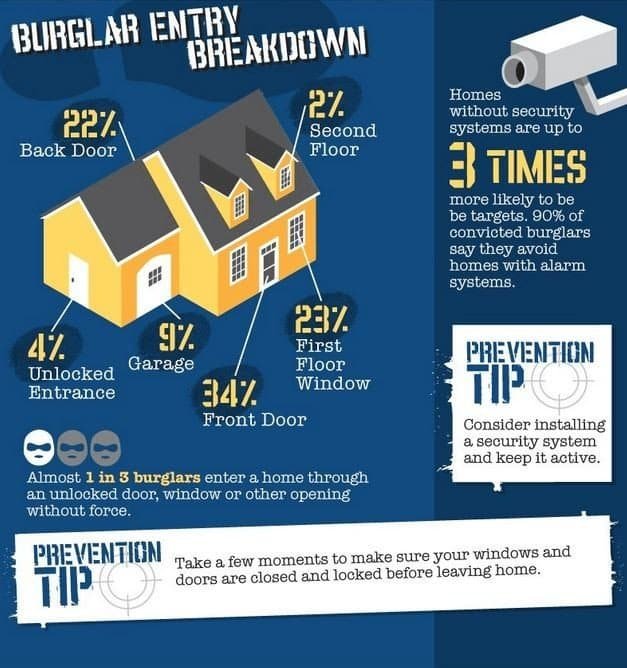
Are you looking for ways to protect your home and ensure the safety of your loved ones? Look no further! In this article, we will explore some valuable measures you can take to invest in home protection. From installing security systems to reinforcing doors and windows, these measures are not only worthwhile but essential for maintaining peace of mind. Discover practical tips and expert advice to safeguard your home against potential risks and dangers. It’s time to prioritize the security of your home and make it a safe haven for everyone.

1. Security Systems
Investing in a comprehensive security system is a crucial step in ensuring the safety and security of your home and loved ones. There are various types of security systems available in the market, each offering different features to cater to your specific needs. When choosing the right security system for your home, it is important to consider factors such as the size of your property, the level of security required, and your budget. Proper installation and regular maintenance of the security system are also essential to ensure its effectiveness.
1.1 Types of Security Systems
There are several types of security systems available, including:
- Burglar Alarms: These systems use sensors to detect intruders and alert the homeowners or a monitoring company. They can be set up to include motion detectors, door and window sensors, and glass break sensors.
- Video Surveillance Systems: Video surveillance systems are an effective way to monitor and record activities in and around your home. They can provide both a visual deterrent to potential criminals and crucial evidence in the event of an incident.
- Access Control Systems: Access control systems allow you to control who has access to your home. These systems can include keyless entry options such as smart locks, keypad systems, or biometric scanners.
- Security Cameras: Security cameras can be a standalone solution or part of a larger security system. They are available in various types, such as dome cameras, bullet cameras, and PTZ (pan-tilt-zoom) cameras.
1.2 Choosing the Right Security System
When selecting a security system for your home, it is essential to evaluate the specific needs of your household. Consider factors such as the size of the property, the level of security desired, and the budget available for installation and maintenance. It may be helpful to consult with a professional security system provider who can assess your requirements and suggest an appropriate system.
1.3 Installation and Maintenance Tips
Proper installation and regular maintenance are key to ensuring the effectiveness of your security system. While some security systems can be installed by homeowners, it is often advisable to seek professional installation services to ensure proper placement and connectivity of all components. Regular maintenance tasks may include checking batteries, upgrading software or firmware, and testing the system to ensure all sensors and detectors are functioning correctly. A well-maintained security system will provide you with peace of mind and a high level of protection for your home.
2. Surveillance Cameras
Surveillance cameras are an integral part of any modern security system. They provide a visual deterrent to potential criminals and can capture crucial evidence in the event of a break-in or other incidents. When it comes to surveillance cameras, there are various types available, and careful consideration should be given to their placement and the recording and monitoring systems used in conjunction with them.
2.1 Types of Surveillance Cameras
There are several types of surveillance cameras to choose from, depending on your specific needs:
- Dome Cameras: Dome cameras are named after their dome-shaped design. They are versatile and can be mounted on walls or ceilings, making them suitable for both indoor and outdoor use. Dome cameras can also be vandal-resistant, ensuring their longevity and effectiveness.
- Bullet Cameras: Bullet cameras are cylindrical in shape and are often used for outdoor surveillance. They are highly visible and can act as a deterrent to potential criminals. Bullet cameras are typically weatherproof and may offer features such as infrared night vision and wide-angle lenses.
- PTZ Cameras: PTZ cameras, short for pan-tilt-zoom, offer the ability to rotate horizontally and vertically, providing a wide field of view. These cameras can be controlled remotely and are ideal for monitoring large areas. PTZ cameras often have zoom capabilities, allowing users to focus on specific areas of interest.
2.2 Placement of Surveillance Cameras
Proper placement of surveillance cameras is essential for maximizing their effectiveness. Some key considerations for camera placement include:
- Entry Points: Place cameras at all entry points, such as doors and windows, to capture any potential break-ins or unauthorized access.
- Perimeter Coverage: Ensure cameras are strategically placed to cover the perimeter of your property, providing a comprehensive view of any activity happening outside.
- High-Value Areas: Identify high-value areas, such as safes or jewelry cabinets, and install cameras to monitor these specific locations.
- Well-Lit Areas: Ensure cameras are placed in well-lit areas to capture clear footage. Consider installing additional outdoor lighting if needed.
2.3 Recording and Monitoring Systems
In addition to surveillance cameras, it is crucial to have a recording and monitoring system in place to store and review the captured footage. There are different options available for recording and monitoring, including:
- DVR (Digital Video Recorder): A DVR is a standalone device that records and stores video footage from surveillance cameras. It offers various features such as remote access, motion detection, and scheduled recording.
- NVR (Network Video Recorder): NVRs are similar to DVRs but use IP (Internet Protocol) cameras instead of analog cameras. They offer higher video quality and additional features, such as advanced analytics and intelligent video search.
- Cloud Storage: Cloud storage allows you to store recorded footage remotely, eliminating the need for physical recording devices. This option provides easy accessibility and backup options for your video footage.
It is essential to choose a recording and monitoring system that suits your needs and budget. Consider factors such as storage capacity, video quality, and remote access capabilities when selecting the right system for your home.
3. Alarm Systems
Alarm systems are an important component of home security, providing a powerful deterrent to potential burglars and alerting homeowners or monitoring companies of any unauthorized access. There are different types of alarm systems available, each offering unique features to enhance the security of your home.
3.1 Types of Alarm Systems
There are several types of alarm systems to choose from, including:
- Burglar Alarms: Burglar alarms are designed to detect unauthorized entry into your home. They can include door and window sensors, motion detectors, glass break sensors, and audible alarms to alert occupants and neighbors.
- Smoke Alarms: Smoke alarms are crucial for early detection of fires in your home. They can help save lives by providing an immediate alert, allowing occupants to evacuate safely.
- Carbon Monoxide Alarms: Carbon monoxide (CO) alarms are essential for detecting this odorless and potentially lethal gas. They provide an early warning of the presence of CO, enabling occupants to escape and seek medical attention if necessary.
3.2 Benefits of Alarm Systems
Investing in an alarm system for your home offers several benefits, including:
- Deterrent Effect: The mere presence of an alarm system can be a powerful deterrent to potential burglars or intruders.
- Immediate Response: Alarm systems provide an immediate response in the event of an unauthorized entry, ensuring that help is on the way quickly.
- Peace of Mind: Having an alarm system installed can provide peace of mind, knowing that you have taken proactive steps to protect your home and loved ones.
3.3 Integration with Security Systems
Alarm systems can be integrated with comprehensive security systems to provide a layered approach to home protection. Integration allows for central monitoring and control of both alarm and security systems, ensuring seamless operation and enhancing overall effectiveness.
4. Sensors and Detectors
Sensors and detectors play a vital role in home security by providing early detection of potential threats such as fires, smoke, and intruders. There are various types of sensors and detectors available, each serving a specific purpose to enhance the safety and security of your home.
4.1 Fire and Smoke Detectors
Fire and smoke detectors are essential for early detection of fires, allowing occupants to evacuate quickly and minimize potential damage. These detectors can be installed in various areas of your home, including bedrooms, living spaces, and kitchens. There are different types of fire and smoke detectors, including ionization detectors, photoelectric detectors, and combination detectors that utilize both technologies.
4.2 Carbon Monoxide Detectors
Carbon monoxide (CO) is a colorless and odorless gas that can be fatal if inhaled in high concentrations. CO detectors are essential for early detection of this gas, providing an immediate warning to occupants. It is important to install CO detectors near bedrooms and other sleeping areas, as well as in areas where fuel-burning appliances are present, such as furnaces and water heaters.
4.3 Motion Sensors
Motion sensors are a valuable addition to any home security system, as they can detect movement in designated areas and trigger an alarm or activate surveillance cameras. These sensors can be used both indoors and outdoors and offer various technologies, including infrared sensors, microwave sensors, and dual-technology sensors that combine multiple technologies for increased accuracy and reliability.
Proper placement of sensors and detectors is crucial for their effectiveness. Consult with a professional security system provider to determine the optimal locations for installing these devices based on your specific needs and the layout of your home.
5. Smart Locks and Access Control
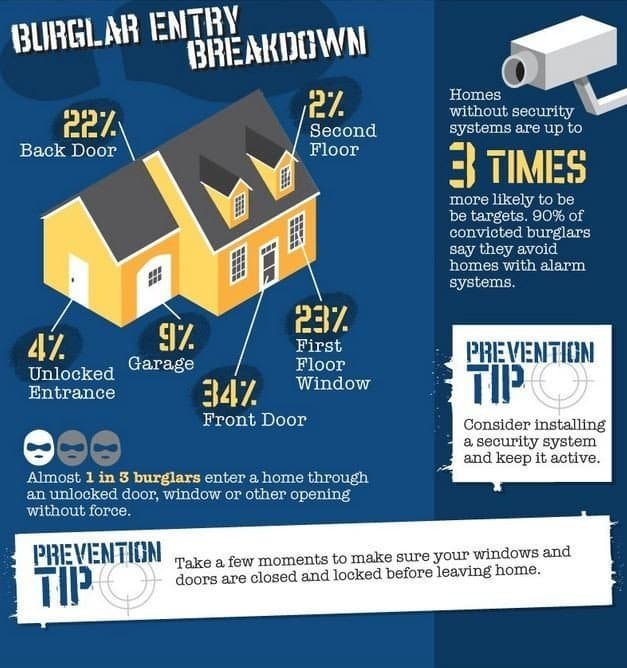
Smart locks and access control systems provide convenient and secure ways to restrict access to your home. These systems eliminate the need for traditional keys and offer advanced features such as keyless entry, remote access, and monitoring capabilities.
5.1 Benefits of Smart Locks
Investing in smart locks offers several benefits, including:
- Convenience: Smart locks allow you to unlock and lock your doors with ease using methods such as keypad codes, smartphone apps, or biometric scanners.
- Enhanced Security: Smart locks eliminate the risk of lost or stolen keys and provide options for monitoring and controlling access to your home.
- Integration with Other Systems: Smart locks can be integrated with other security systems, such as surveillance cameras and alarm systems, to enhance overall safety and convenience.
5.2 Keyless Entry Systems
Keyless entry systems provide a secure and convenient way to access your home without the need for physical keys. These systems typically utilize keypad codes, electronic key fobs, or smartphone apps to unlock doors. Keyless entry systems offer flexibility and allow you to grant access to family members, guests, or service providers without the need for physical keys.
5.3 Remote Access and Monitoring
Many smart lock and access control systems offer remote access and monitoring capabilities, allowing you to control and monitor your home’s access points from anywhere using a smartphone or computer. This feature is particularly useful for granting temporary access or monitoring the comings and goings of household members or service providers.
6. Security Doors and Windows
Security doors and windows are essential components of a comprehensive home protection plan. Reinforced doors, impact-resistant windows, window bars, and grilles provide an additional layer of security to deter potential intruders and protect your home from forced entry.
6.1 Reinforced Doors
Reinforced doors are designed to withstand brute force attacks and prevent unauthorized access to your home. These doors are typically made from materials such as solid wood, metal, or fiberglass, and are reinforced with additional components such as metal frames, deadbolt locks, and security plates. Proper installation of reinforced doors is crucial to ensure their effectiveness in providing a high level of security.
6.2 Impact-Resistant Windows
Impact-resistant windows are specifically designed to resist breakage from impact, such as attempted forced entry or severe weather conditions. These windows are made from laminated glass, which consists of two or more layers of glass bonded together with a layer of clear plastic. Impact-resistant windows can withstand significant force and provide added protection to your home.
6.3 Window Bars and Grilles
Window bars and grilles are an effective visual deterrent to intruders and provide physical barriers to prevent forced entry through windows. These security features are available in various materials, such as metal or wrought iron, and can be customized to match the architectural style of your home. Proper installation of window bars and grilles is crucial to ensure their functionality and ease of use in the event of an emergency.
When considering security doors and windows, consult with a professional contractor or security specialist to assess your specific needs and recommend the most suitable options for your home.

7. Home Safes
Home safes offer secure storage solutions for valuable items such as cash, jewelry, important documents, and electronic devices. Investing in a home safe provides additional protection against theft and ensures the safety of your most valuable possessions.
7.1 Types of Home Safes
There are various types of home safes to choose from, depending on your specific requirements:
- Fireproof Safes: Fireproof safes are designed to withstand high temperatures and protect the contents from fire damage. They are typically constructed with layers of fire-resistant materials and can provide an added layer of security for important documents and irreplaceable items.
- Burglary Safes: Burglary safes are specifically designed to deter break-ins and protect against theft. They are constructed with durable materials such as steel and often feature advanced locking mechanisms and additional security features.
- Hidden Safes: Hidden safes are designed to blend in with household items, making them less visible to potential intruders. These safes can be disguised as everyday objects such as books, cans, or household appliances.
7.2 Placement and Installation
Proper placement and installation of a home safe are crucial for its effectiveness. Consider the following factors when deciding on the placement of your safe:
- Accessibility: Choose a location that allows convenient access to the safe without compromising security. Consider areas such as closets, basements, or dedicated secure rooms.
- Anchoring: Safes should be securely anchored to the floor or wall to prevent their removal or unauthorized tampering.
- Discretion: If opting for a hidden safe, choose a location where it won’t be easily detected by potential intruders.
7.3 Fire and Waterproof Features
When selecting a home safe, consider the fire and waterproof ratings to ensure maximum protection for your valuables. Fireproof safes are classified based on their ability to withstand certain temperatures and time periods, while waterproof safes protect against potential water damage, such as from sprinklers or flooding.
Consult with a professional safe installer to determine the most suitable type of safe and the optimal placement within your home based on your specific needs.
8. Outdoor Lighting
Outdoor lighting plays a crucial role in home protection by illuminating the exterior of your home, deterring potential criminals, and providing enhanced visibility for security cameras and surveillance systems. Proper outdoor lighting should be an essential component of your home security plan.
8.1 Importance of Outdoor Lighting
Outdoor lighting serves several purposes in home security:
- Deterrence: Well-lit areas make it less attractive for potential intruders to approach your home, as they are more likely to be seen and identified.
- Visibility: Adequate outdoor lighting ensures clear visibility for surveillance cameras, allowing for better image quality and accurate identification of individuals or suspicious activities.
- Safety: Properly illuminated walkways, driveways, and entry points enhance safety for residents and visitors, reducing the risk of accidents and falls.
8.2 Types of Outdoor Lighting
There are various types of outdoor lighting fixtures to consider for your home:
- Floodlights: Floodlights provide a broad, intense light that can cover large areas. They are ideal for illuminating large outdoor spaces, such as driveways, yards, or parking areas.
- Path Lights: Path lights are low-intensity fixtures that provide localized illumination along walkways or garden paths. They improve visibility and safety, especially during nighttime.
- Wall-Mounted Lights: Wall-mounted lights can be strategically placed near entry points to provide both aesthetic appeal and functional illumination. They can also act as a deterrent to potential intruders.
- Solar Lights: Solar lights are energy-efficient options that harness sunlight to power the illumination. They are easy to install and are a cost-effective way to enhance outdoor lighting.
8.3 Motion-Activated Lights
Motion-activated lights are a popular choice for outdoor security lighting. These lights use motion sensors to detect movement and automatically turn on when triggered. They can startle potential intruders and alert occupants to any suspicious activity. Additionally, motion-activated lights help conserve energy by only illuminating when necessary.
When planning your outdoor lighting, consider the specific areas that require illumination, the type of lighting fixtures suitable for each area, and the desired level of brightness. Consult with a professional electrician or lighting specialist to ensure proper installation and functionality of your outdoor lighting system.

9. Home Insurance
Home insurance is an essential aspect of home protection, providing financial coverage against potential losses or damages. Understanding home insurance policies, choosing adequate coverage, and regularly reviewing and updating policies are important steps to ensure that you are adequately protected.
9.1 Understanding Home Insurance Policies
Home insurance policies typically consist of several types of coverage, including:
- Dwelling Coverage: This covers the physical structure of your home against damages caused by covered perils such as fire, windstorms, or vandalism.
- Personal Property Coverage: Personal property coverage protects your belongings, such as furniture, electronics, and clothing, against loss or damage.
- Liability Coverage: Liability coverage provides financial protection in case someone is injured on your property and you are found legally responsible.
- Additional Living Expenses Coverage: This coverage helps cover temporary living expenses if your home becomes uninhabitable due to a covered peril.
It is essential to review your policy carefully to understand the specific coverage and exclusions. Consult with an insurance professional to ensure you have a comprehensive understanding of your policy.
9.2 Choosing Adequate Coverage
When choosing home insurance coverage, consider factors such as the value of your home, the replacement cost of your belongings, and any specific risks or perils that may be prevalent in your area. It is important to ensure that the coverage limits adequately protect your assets and that you understand any deductibles or limitations that may apply.
Consult with an insurance agent or broker who can help assess your needs and recommend appropriate coverage options. Regularly review and update your policy to ensure it reflects any changes in your home value, lifestyle, or possession inventory.
9.3 Reviewing and Updating Policies
Regularly reviewing and updating your home insurance policy is crucial to ensure you are adequately protected. When reviewing your policy, consider the following:
- Home Renovations: If you have made any significant renovations or additions to your home, such as room expansions or installing new security features, ensure that your policy reflects these changes.
- New Valuables: If you have acquired new valuable items since your last policy review, such as expensive jewelry, artwork, or electronics, consider adding additional coverage or updating the coverage limits to protect these assets.
- Changes in Lifestyle: Changes in lifestyle, such as bringing in new pets or starting a home-based business, may require adjustments to your coverage, including liability protection or additional endorsements.
Review your policy annually or whenever significant changes occur to ensure that your coverage remains adequate and up to date.
10. Neighborhood Watch and Community Involvement
Establishing a neighborhood watch program and fostering community involvement are effective ways to enhance home protection. By working together with your neighbors, you can create a supportive and vigilant community that looks out for one another’s safety.
10.1 Establishing a Neighborhood Watch
Starting a neighborhood watch program involves creating a network of neighbors who are committed to observing and reporting suspicious activities in the community. Steps to establishing a neighborhood watch program may include:
- Organize a Meeting: Begin by organizing a neighborhood meeting to gauge interest and establish the goals and guidelines for the watch program.
- Appoint Leaders: Nominate volunteers who will serve as leaders or coordinators for the neighborhood watch program. These individuals will help organize meetings, disseminate information, and communicate with local law enforcement.
- Communication Channels: Establish effective communication channels such as email lists, social media groups, or dedicated apps to share information and alert neighbors about potential risks or suspicious activities.
10.2 Sharing Information and Resources
Encourage neighbors to share information and resources that can contribute to the safety and security of the community. This can include sharing tips on home security, recommending reliable contractors, or organizing community events focused on safety and preparedness.
- Security Tips: Share home security tips and best practices with neighbors, such as keeping doors and windows locked, properly lighting the exterior of homes, and reporting any suspicious activities to local law enforcement.
- Referrals: Recommending reliable contractors or service providers for security system installation, landscaping, or maintenance can help neighbors enhance their security measures.
- Community Events: Organize community events focused on safety, such as neighborhood safety fairs, CPR training sessions, or emergency preparedness workshops.
10.3 Building a Supportive Community
Building a strong and supportive community is an essential aspect of home protection. By fostering relationships with your neighbors, you create a network of individuals who are invested in the safety and security of your area. Some strategies to build a supportive community may include:
- Neighborhood Gatherings: Organize block parties, community picnics, or other social events that allow neighbors to get to know each other and build relationships.
- Mutual Assistance: Encourage neighbors to offer assistance and support to one another, such as checking on each other’s homes while away or helping with emergency preparedness.
- Volunteer Opportunities: Participate in local volunteer opportunities or community projects that contribute to the overall well-being and safety of your neighborhood.
By working together and fostering a sense of community, you create an environment where everyone is invested in maintaining a safe and secure neighborhood.
In conclusion, investing in home protection measures is crucial in today’s world. By implementing a comprehensive security system, installing surveillance cameras, utilizing alarm systems, incorporating sensors and detectors, installing smart locks, reinforcing doors and windows, using home safes, implementing outdoor lighting, understanding home insurance policies, and fostering community involvement, you can significantly enhance the safety and security of your home and loved ones. Remember, the key to effective home protection lies in careful planning, proper installation, regular maintenance, and a proactive community approach. Stay safe and enjoy the peace of mind that comes with a secure home!