In your home, safety should always be a top priority, and one of the most critical aspects of that safety is the detection of carbon monoxide (CO). This colorless, odorless gas can be a silent killer, and its presence can go unnoticed until it’s too late. By investing in carbon monoxide detectors, you are taking a proactive step to protect yourself and your loved ones from the potentially lethal effects of this gas.
The importance of having a reliable detection system cannot be overstated; it serves as an early warning system that can alert you to danger before it escalates. Moreover, carbon monoxide detection is not just about protecting your family; it’s also about safeguarding your home. Many appliances, such as gas stoves, furnaces, and water heaters, can produce CO if they malfunction.
By ensuring that you have functioning detectors in place, you can prevent costly damage to your property and avoid the health risks associated with prolonged exposure to carbon monoxide. In essence, a carbon monoxide detector is an essential tool for maintaining a safe living environment.
Key Takeaways
- Carbon monoxide detection is crucial for the safety of your home and family.
- Understanding the dangers of carbon monoxide is essential for taking preventive measures.
- Carbon monoxide detectors work by sensing the presence of the gas and alerting you to potential danger.
- Choosing the right carbon monoxide detector for your home involves considering factors such as power source and features.
- Proper installation and placement of carbon monoxide detectors is key to effectively detecting the gas in your home.
Understanding the Dangers of Carbon Monoxide
To fully appreciate the importance of carbon monoxide detection, it’s crucial to understand the dangers associated with this gas. Carbon monoxide is produced when fuels such as gas, oil, coal, or wood do not burn completely. When inhaled, CO binds to hemoglobin in the blood more effectively than oxygen does, which can lead to serious health issues or even death.
Symptoms of carbon monoxide poisoning can mimic those of the flu, including headaches, dizziness, and nausea, making it easy to overlook until it’s too late. The risk of carbon monoxide exposure is particularly high in enclosed spaces where ventilation is limited. For instance, if you use a generator indoors or leave your car running in an attached garage, you may unknowingly expose yourself and your family to dangerous levels of CO.
Understanding these risks is vital for every homeowner. By being aware of the potential sources of carbon monoxide in your home and the symptoms of poisoning, you can take steps to mitigate these dangers effectively.
How Carbon Monoxide Detectors Work

Carbon monoxide detectors are designed to monitor the air quality in your home continuously. They work by using sensors that detect the presence of CO in the air. When the concentration of carbon monoxide reaches a certain level, the detector triggers an alarm to alert you to the danger.
Most detectors use either electrochemical sensors or metal oxide semiconductor sensors to identify CO levels. Electrochemical sensors are generally more sensitive and accurate, making them a popular choice for residential use. In addition to their primary function of detecting carbon monoxide, many modern detectors come equipped with additional features such as digital displays that show real-time CO levels and battery backup systems that ensure functionality during power outages.
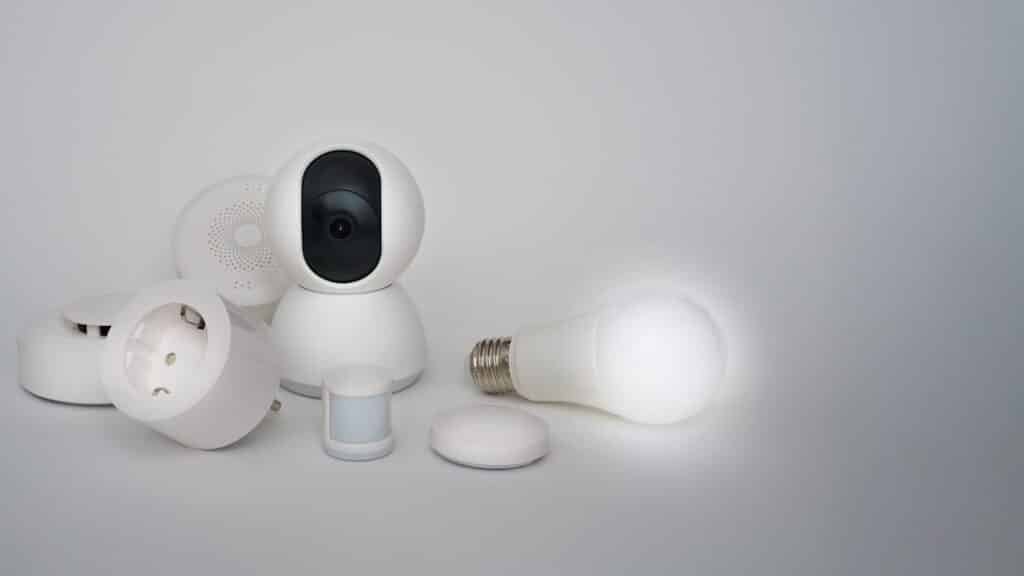
Some advanced models even connect to your smartphone or home security system, providing alerts directly to your device. Understanding how these devices work can help you choose the right model for your needs and ensure that you are adequately protected against this invisible threat.
Choosing the Right Carbon Monoxide Detector for Your Home
When it comes to selecting a carbon monoxide detector for your home, there are several factors to consider. First and foremost, you should decide between battery-operated and hardwired models. Battery-operated detectors offer flexibility in placement and are easy to install, while hardwired models provide a more permanent solution and often come with additional features like interconnected alarms that sound simultaneously if one goes off.
Another important consideration is whether you want a standalone detector or one that integrates with your existing home security system. If you already have a security system in place, choosing a compatible CO detector can enhance your overall safety measures. Additionally, look for models that have received safety certifications from recognized organizations such as Underwriters Laboratories (UL).
This ensures that the detector meets specific performance standards and will function reliably when needed.
Installation and Placement of Carbon Monoxide Detectors
Proper installation and placement of carbon monoxide detectors are crucial for their effectiveness. You should install detectors on every level of your home, especially near sleeping areas where you and your family spend significant time. It’s also advisable to place them near potential sources of carbon monoxide, such as furnaces or gas appliances.
However, avoid placing them too close to these sources to prevent false alarms. When installing your detectors, follow the manufacturer’s guidelines regarding height and distance from walls or corners. Most detectors work best when mounted on walls at least five feet above the floor or on ceilings since carbon monoxide is slightly lighter than air but can still accumulate at lower levels in enclosed spaces.
By ensuring that your detectors are correctly placed, you maximize their ability to detect dangerous levels of carbon monoxide promptly.
Maintaining and Testing Your Carbon Monoxide Detector
Once you have installed your carbon monoxide detectors, regular maintenance is essential to ensure they function correctly. You should test each detector at least once a month by pressing the test button; this simple action can confirm that the alarm is working as intended. Additionally, replace the batteries at least once a year or whenever the low-battery warning sounds.
It’s also important to replace your carbon monoxide detectors every five to seven years, depending on the manufacturer’s recommendations. Over time, sensors can become less sensitive or fail altogether, which could put you at risk. Keeping track of when you installed each unit can help you stay on top of this maintenance task.
By committing to regular testing and maintenance, you can ensure that your home remains a safe haven for you and your family.
Integrating Carbon Monoxide Detection with Your Home Security System
Integrating carbon monoxide detection with your home security system offers an added layer of protection for your household. Many modern security systems allow for seamless integration with CO detectors, enabling them to communicate with one another. This means that if a carbon monoxide alarm goes off, not only will you hear it inside your home, but you may also receive alerts on your smartphone or through your security monitoring service.
This integration can be particularly beneficial if you are away from home when an alarm is triggered. Some systems even allow for remote monitoring and control, giving you peace of mind knowing that you can check on your home’s safety from anywhere. By incorporating carbon monoxide detection into your overall security strategy, you enhance your ability to respond quickly in case of an emergency.
Responding to Carbon Monoxide Alarms
When a carbon monoxide alarm sounds in your home, it’s crucial to respond quickly and appropriately. First and foremost, evacuate everyone from the premises immediately; do not ignore the alarm or assume it’s a false alarm without taking action. Once outside, call emergency services or your local fire department for assistance.
They have the training and equipment necessary to assess the situation safely. While waiting for help to arrive, avoid re-entering the building until it has been deemed safe by professionals. It’s also wise to have a plan in place for what to do in case of an alarm; this includes knowing where to meet outside and ensuring that everyone in your household understands the procedure.
By being prepared and knowing how to respond effectively, you can minimize risks associated with carbon monoxide exposure.
Carbon Monoxide Safety Tips for Homeowners
As a homeowner, there are several proactive steps you can take to enhance safety regarding carbon monoxide exposure. First and foremost, ensure that all fuel-burning appliances are properly installed and maintained by qualified professionals. Regular inspections can help identify potential issues before they become serious problems.
Additionally, never use outdoor appliances like grills or generators indoors or in enclosed spaces such as garages. Always ensure proper ventilation when using these devices outdoors as well. Educating yourself about the symptoms of carbon monoxide poisoning is also essential; knowing what to look out for can help you act quickly if someone in your household begins experiencing symptoms.
The Benefits of Professional Carbon Monoxide Detector Installation
While many homeowners may opt for DIY installation of carbon monoxide detectors, there are significant benefits to hiring professionals for this task. Professional installers have the expertise needed to assess your home’s layout and recommend optimal placement for maximum effectiveness. They can also ensure that all wiring is done correctly if you choose hardwired models.
Moreover, professional installation often comes with warranties or guarantees that provide peace of mind regarding functionality over time. If any issues arise after installation, having a professional service means you have someone to turn to for assistance without additional costs or hassle on your part.
Finding a Reliable Carbon Monoxide Detector Provider in Frisco, TX
When searching for a reliable provider of carbon monoxide detectors in Frisco, TX, consider looking for companies with strong reputations within the community. Online reviews and testimonials can provide valuable insights into customer experiences with various providers. Additionally, check if they offer installation services along with product sales; this can save you time and effort while ensuring quality service.
It’s also beneficial to inquire about warranties or guarantees on both products and installation services offered by potential providers. A reputable company will stand behind its products and services, giving you confidence in your purchase decision. By taking these steps to find a trustworthy provider in Frisco, TX, you can ensure that you are well-equipped to protect yourself and your family from the dangers of carbon monoxide exposure.
When considering home security, it’s essential to integrate safety measures such as carbon monoxide detectors, especially in areas like Frisco, TX. These devices not only protect against intruders but also safeguard your family from harmful gases. For more insights on enhancing your home security, you might find the article on securing your home office particularly useful, as it offers tips that can be applied to any living space. Check it out here: Securing Your Home Office: Tips for Remote Workers.
FAQs
What is a carbon monoxide detector?
A carbon monoxide detector is a device that detects the presence of carbon monoxide gas in the air. It is designed to alert individuals to the presence of this odorless, colorless, and tasteless gas, which can be deadly if inhaled in large amounts.
How does a carbon monoxide detector work?
Carbon monoxide detectors work by continuously monitoring the air for the presence of carbon monoxide gas. When the gas is detected at a certain level, the detector will sound an alarm to alert individuals in the area.
Why is it important to have a carbon monoxide detector in the home?
Carbon monoxide is a silent killer, as it is impossible to detect without a carbon monoxide detector. It is important to have a carbon monoxide detector in the home to protect against the dangers of carbon monoxide poisoning, which can lead to serious illness or even death.
Where should carbon monoxide detectors be placed in the home?
Carbon monoxide detectors should be placed in or near sleeping areas and on every level of the home, including the basement. It is important to follow the manufacturer’s instructions for proper placement and installation.
What are the benefits of a home security system with a carbon monoxide detector?
A home security system with a carbon monoxide detector provides added protection and peace of mind for homeowners. In the event of a carbon monoxide leak, the system will sound an alarm and alert the monitoring center, allowing for a quick response to the situation.