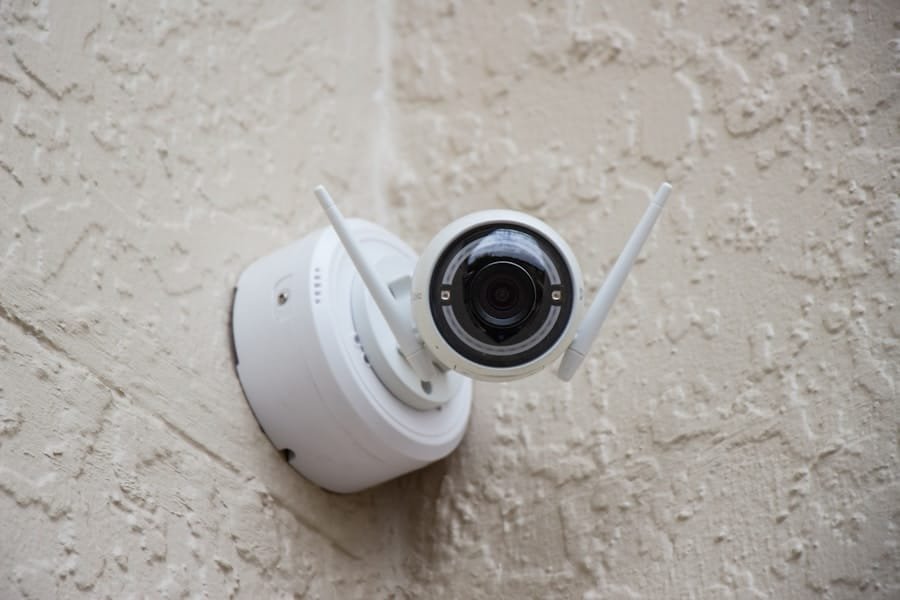
When it comes to securing your home or business, the first step is to assess your specific security needs. You should take a moment to evaluate the unique vulnerabilities of your property. Consider factors such as the location, the size of the premises, and the value of the items you wish to protect.
Are you in a high-crime area, or is your neighborhood relatively safe? Understanding these elements will help you determine the level of security you require. Additionally, think about the types of threats you might face.
Are you more concerned about burglary, vandalism, or perhaps fire safety? Each of these threats may require different security measures. For instance, if you live in an area prone to break-ins, you might prioritize a robust alarm system and surveillance cameras.
On the other hand, if fire safety is your main concern, investing in smoke detectors and fire alarms would be essential. By clearly identifying your security needs, you can make informed decisions about the systems that will best protect your property.
Key Takeaways
- Assess your security needs based on the size and layout of your property, as well as your specific security concerns.
- Research different types of security systems, such as alarm systems, surveillance cameras, and smart home security options, to find the best fit for your needs.
- Consider the cost of installation for each type of security system, including any additional equipment or professional installation fees.
- Look for affordable monitoring options, such as self-monitoring or professional monitoring services, to ensure your security system is always being monitored.
- Evaluate long-term costs, including monthly monitoring fees and potential maintenance costs, to determine the overall affordability of each security system option.
- Compare pricing and features of different security systems to find the best value for your budget and security needs.
- Take advantage of special offers and discounts from security system providers to save on installation, equipment, or monitoring costs.
- Seek professional advice from security system experts or professional installers to get personalized recommendations and ensure you’re making the best choice for your security needs.
Research Different Types of Security Systems
Once you have a clear understanding of your security needs, it’s time to delve into the various types of security systems available on the market. You’ll find a wide array of options, from traditional alarm systems to modern smart home technology. Traditional systems often include door and window sensors, motion detectors, and a central control panel that alerts you and the authorities in case of a breach.
These systems are reliable and have been used for decades, providing peace of mind to countless homeowners. On the other hand, smart security systems have gained popularity in recent years due to their advanced features and convenience. These systems can be controlled remotely via smartphone apps, allowing you to monitor your property in real-time from anywhere in the world.
Features such as video surveillance, smart locks, and integration with other smart home devices can enhance your security while providing added convenience. As you research these options, consider how each type aligns with your specific needs and lifestyle.
Consider the Cost of Installation
As you explore different security systems, it’s crucial to factor in the cost of installation. The price can vary significantly depending on the complexity of the system and whether you choose professional installation or a DIY approach. Professional installation may come with a higher upfront cost but can ensure that your system is set up correctly and functions optimally.
If you opt for a DIY system, you might save money on installation fees but should be prepared to invest time in learning how to set it up properly. Moreover, consider any additional costs that may arise during installation. For instance, if your property requires extensive wiring or modifications to accommodate the security system, these expenses can add up quickly.
It’s wise to obtain quotes from multiple providers to get a clearer picture of what you can expect to pay. By understanding the installation costs upfront, you can budget accordingly and avoid any unpleasant surprises down the line.
Look for Affordable Monitoring Options
After selecting a security system that meets your needs, it’s essential to explore monitoring options that fit within your budget. Many security companies offer various monitoring plans, ranging from basic to comprehensive services. Basic plans typically include 24/7 monitoring for alarms and alerts but may lack advanced features like video surveillance or mobile app access.
If you’re looking for an affordable option, this could be a suitable choice. However, if you desire more extensive monitoring capabilities, consider investing in a mid-tier or premium plan. These plans often include features such as real-time alerts sent directly to your smartphone, video footage access, and even home automation capabilities.
While these options may come at a higher monthly cost, they can provide greater peace of mind knowing that your property is being monitored around the clock. Take the time to compare different monitoring plans and choose one that aligns with both your security needs and budget constraints.
Evaluate Long-Term Costs
While initial installation and monitoring costs are important factors to consider, it’s equally vital to evaluate the long-term costs associated with your chosen security system. Over time, expenses such as equipment maintenance, software updates, and potential upgrades can add up significantly. For instance, some systems may require regular battery replacements or periodic servicing to ensure optimal performance.
Additionally, consider how long you plan to use the system. If you anticipate moving within a few years, investing in a high-end system with extensive features may not be cost-effective in the long run. Conversely, if you plan to stay in your current location for an extended period, it might be worth investing in a more robust system that offers longevity and reliability.
By taking a holistic view of long-term costs, you can make a more informed decision that aligns with your financial goals.
Compare Pricing and Features

With so many options available in the market, comparing pricing and features is crucial in finding the right security system for your needs. Start by creating a list of potential systems that interest you and their corresponding features. Pay attention to aspects such as camera resolution, motion detection capabilities, and integration with other smart devices.
Some systems may offer unique features like facial recognition or advanced analytics that could enhance your overall security. As you compare prices, keep in mind that the cheapest option may not always be the best choice. Look for systems that offer a balance between affordability and quality features.
Reading customer reviews can also provide valuable insights into how well a system performs in real-world scenarios. By thoroughly comparing pricing and features across different systems, you’ll be better equipped to make an informed decision that meets both your security needs and budget.
Take Advantage of Special Offers and Discounts
In today’s competitive market, many security companies offer special promotions and discounts that can help you save money on your purchase. Keep an eye out for seasonal sales or limited-time offers that may provide significant savings on equipment or installation fees. Signing up for newsletters from security providers can also keep you informed about upcoming promotions.
Additionally, consider whether any local organizations or community programs offer discounts for security systems. Some neighborhoods have initiatives aimed at reducing crime rates by encouraging residents to invest in home security measures. By taking advantage of these offers, you can enhance your property’s security without breaking the bank.
Seek Professional Advice
Finally, don’t hesitate to seek professional advice when navigating the world of security systems. Consulting with experts can provide valuable insights tailored to your specific situation. Security professionals can assess your property and recommend solutions based on their experience and knowledge of current trends in home security.
Moreover, engaging with professionals can help clarify any questions or concerns you may have about different systems or installation processes. They can guide you through the decision-making process and ensure that you choose a system that aligns with both your needs and budget. By leveraging their expertise, you’ll be better equipped to make informed choices that enhance your property’s safety and security.
In conclusion, securing your home or business requires careful consideration and planning. By assessing your security needs, researching different types of systems, evaluating costs, and seeking professional advice when necessary, you can make informed decisions that protect what matters most to you. Remember that investing in security is not just about purchasing equipment; it’s about creating a safe environment for yourself and those around you.
If you are looking for affordable ways to secure your home, you may want to check out the article Home Security on a Budget: Affordable Ways to Secure Your Home. This article provides tips and tricks for enhancing your home security without breaking the bank. It offers practical advice on how to protect your home and loved ones without overspending.
FAQs
What factors should I consider when choosing a security system for my budget?
When choosing a security system for your budget, consider factors such as the size of your home or business, the level of security needed, the type of monitoring (professional or self-monitoring), and any additional features or add-ons you may require.
What are the different types of security systems available for different budgets?
There are various types of security systems available for different budgets, including basic DIY systems, professionally monitored systems, and advanced smart home security systems. Each type offers different features and levels of security to accommodate various budgets.
How can I determine the right security system for my budget?
To determine the right security system for your budget, assess your specific security needs, research different options available within your budget range, and consider the long-term costs of maintenance and monitoring fees.
What are some cost-effective ways to enhance the security of my home or business?
Cost-effective ways to enhance security include installing motion sensor lights, reinforcing doors and windows, using security cameras, and implementing a neighborhood watch program. These measures can complement a security system and provide added protection within a budget.
Are there any government or local programs that offer assistance with purchasing a security system for those on a tight budget?
Some government and local programs may offer assistance or subsidies for purchasing security systems for low-income individuals or communities. It’s advisable to check with local authorities or community organizations to inquire about any available programs.