In today’s world, where safety and security are paramount, the role of home security devices cannot be overstated. You rely on these devices to protect your home and loved ones, and one of the most critical aspects of their functionality is the clarity of the images and videos they capture. Clear visuals are essential for identifying intruders, monitoring activities around your property, and providing evidence in case of incidents.
When you have a clear image or video, you can make informed decisions quickly, whether that means alerting authorities or taking preventive measures. Moreover, the importance of clear images extends beyond mere identification. In many cases, the quality of the footage can determine the outcome of legal proceedings.
If you ever find yourself needing to present evidence in court, high-resolution images can significantly bolster your case. You want to ensure that your security system provides you with the best possible visuals, as they can be the difference between a successful resolution and a missed opportunity for justice. Thus, investing in home security devices that prioritize image and video clarity is not just a matter of convenience; it is a crucial aspect of safeguarding your home.
Key Takeaways
- Clear images and videos are crucial for effective home security devices to capture and identify potential threats.
- Factors affecting image and video clarity include resolution, quality, lighting conditions, weather, and environmental factors.
- Different home security devices vary in their ability to capture clear images and videos, with some performing better than others.
- Resolution and quality play a significant role in determining the clarity of images and videos captured by home security devices.
- Lighting conditions have a direct impact on the clarity of images and videos, with proper lighting essential for clear footage.
Factors Affecting the Clarity of Images and Videos Captured by Home Security Devices
Several factors influence the clarity of images and videos captured by home security devices. One of the most significant is the camera’s resolution. Higher resolution cameras can capture more detail, allowing you to see faces, license plates, and other critical information clearly.
When selecting a security camera, you should consider its megapixel count; generally, the higher the megapixels, the clearer the image. However, resolution is just one piece of the puzzle. Another important factor is the lens quality.
A high-resolution camera with a poor-quality lens may still produce blurry or distorted images. The lens determines how much light enters the camera and how well it focuses on subjects. Additionally, the field of view plays a role in clarity; a wider field of view can capture more area but may sacrifice detail in distant objects.
Therefore, when evaluating home security devices, you should consider both resolution and lens quality to ensure optimal performance.
Comparison of Image and Video Clarity in Different Home Security Devices

When comparing various home security devices, you will notice significant differences in image and video clarity. For instance, traditional analog cameras often fall short in terms of resolution compared to modern digital IP cameras. While analog systems may suffice for basic monitoring, they typically offer lower image quality and limited features.
In contrast, IP cameras provide higher resolutions and advanced functionalities such as remote access and cloud storage. Moreover, smart home security systems that integrate artificial intelligence (AI) can enhance clarity through features like motion detection and facial recognition. These systems can filter out irrelevant footage and focus on significant events, ensuring that you receive only the most pertinent information.
As you explore different options, it becomes clear that investing in advanced technology can lead to superior image and video clarity, ultimately enhancing your home security experience.
The Role of Resolution and Quality in Image and Video Clarity
Resolution plays a pivotal role in determining the clarity of images and videos captured by home security devices. The term “resolution” refers to the number of pixels that make up an image; higher pixel counts result in more detailed visuals. For example, a 1080p camera captures 1920×1080 pixels, while a 4K camera captures 3840×2160 pixels.
The difference in detail is substantial, especially when zooming in on specific areas or objects within the frame. However, resolution alone does not guarantee clarity. The overall quality of the camera also matters significantly.
Factors such as sensor size, lens quality, and image processing capabilities contribute to how well a camera performs under various conditions. A high-resolution camera with poor image processing may produce grainy or washed-out images, while a lower-resolution camera with excellent processing capabilities can yield surprisingly clear visuals. Therefore, when evaluating home security devices, it is essential to consider both resolution and overall quality to ensure you achieve optimal clarity.
How Lighting Conditions Impact the Clarity of Images and Videos
Lighting conditions are another critical factor that affects the clarity of images and videos captured by home security devices. Cameras perform differently depending on whether they are operating in bright daylight or low-light environments. In well-lit conditions, most cameras can capture clear images with vibrant colors and sharp details.
However, as light diminishes, many cameras struggle to maintain clarity. Low-light performance is particularly important for home security devices since many incidents occur after dark. Cameras equipped with infrared (IR) technology or low-light sensors can capture clearer images in dim conditions by using infrared light to illuminate the scene without visible light.
This capability allows you to monitor your property effectively at night or during overcast days when natural light is limited. When selecting a security camera, consider its low-light performance to ensure that you have reliable visuals regardless of the time of day.
The Impact of Weather and Environmental Factors on Image and Video Clarity
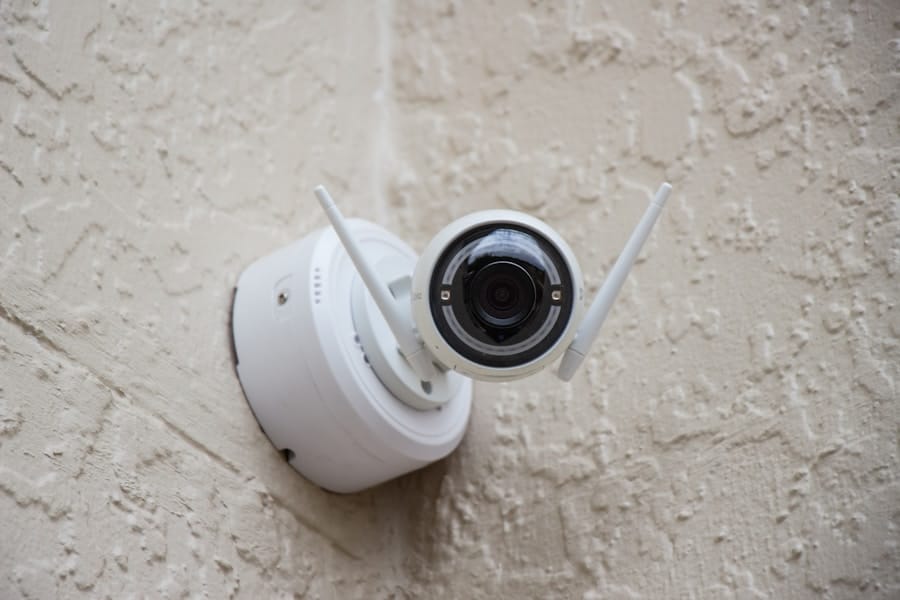
Weather conditions can significantly impact the clarity of images and videos captured by home security devices. Rain, fog, snow, and other environmental factors can obstruct visibility and reduce image quality. For instance, rain can create streaks on the camera lens or cause reflections that obscure details.
Similarly, fog can create a hazy effect that makes it difficult to discern objects at a distance. To combat these challenges, many modern security cameras are designed with weather-resistant features such as protective housings or specialized coatings that repel water and dirt. Additionally, some cameras come equipped with built-in heaters or defrosters to prevent condensation from forming on the lens during cold weather.
When choosing a home security device, it is essential to consider its ability to withstand various weather conditions to ensure consistent performance throughout the year.
Tips for Ensuring Clear Images and Videos from Home Security Devices
To maximize the clarity of images and videos captured by your home security devices, there are several practical tips you can follow. First and foremost, proper installation is crucial. Ensure that cameras are mounted at appropriate heights and angles to capture key areas without obstructions.
Additionally, regular maintenance is essential; clean camera lenses periodically to remove dust or debris that may hinder visibility. Another important consideration is lighting placement. If possible, position outdoor lights strategically to illuminate areas monitored by your cameras without creating glare or harsh shadows.
You might also want to invest in cameras with built-in low-light capabilities or infrared technology for optimal performance during nighttime hours. By taking these steps, you can significantly enhance the clarity of your home security footage.
The Future of Image and Video Clarity in Home Security Devices
As technology continues to advance at a rapid pace, the future of image and video clarity in home security devices looks promising. Innovations such as 4K resolution cameras are becoming more accessible to consumers, providing unprecedented detail for monitoring your property. Additionally, advancements in AI technology are enabling smarter systems that can analyze footage in real-time, alerting you to potential threats more effectively than ever before.
Furthermore, developments in cloud storage solutions allow for seamless access to high-quality footage from anywhere at any time. This means you can review past events with ease and share critical information with law enforcement if necessary. As manufacturers continue to prioritize image quality and user experience, you can expect even more sophisticated features that enhance clarity while making home security systems more intuitive and user-friendly.
In conclusion, investing in high-quality home security devices that prioritize clear images and videos is essential for effective monitoring and protection of your property. By understanding the factors that influence clarity—such as resolution, lighting conditions, weather impacts, and proper maintenance—you can make informed decisions that enhance your overall security experience. As technology evolves, staying informed about advancements will help you choose devices that meet your needs while ensuring peace of mind for you and your loved ones.
If you are interested in learning more about the latest advancements in home security technology, you may want to check out the article Secure Home Technology: Voice Assistants and IoT Devices. This article discusses how voice assistants and IoT devices are revolutionizing the way we protect our homes. It provides valuable insights into how these technologies can enhance the overall security of your home.
FAQs
What factors affect the clarity of images and videos captured by home security devices?
Factors that affect the clarity of images and videos captured by home security devices include the resolution of the camera, the quality of the lens, the lighting conditions, and the distance between the camera and the subject.
What is the importance of clear images and videos in home security devices?
Clear images and videos are important in home security devices as they provide accurate and detailed information about any potential security threats or incidents. This can help in identifying intruders, monitoring activities, and providing evidence in case of any criminal activities.
How can homeowners ensure clear images and videos from their home security devices?
Homeowners can ensure clear images and videos from their home security devices by choosing high-resolution cameras with good quality lenses, ensuring proper lighting around the area of surveillance, and regularly cleaning the camera lenses to avoid any obstruction.
What are some common issues that can affect the clarity of images and videos captured by home security devices?
Common issues that can affect the clarity of images and videos captured by home security devices include low light conditions, camera lens obstruction (such as dirt, dust, or spider webs), and low camera resolution.
Are there any advancements in home security devices that improve the clarity of images and videos?
Yes, there have been advancements in home security devices such as the use of high-definition cameras, infrared night vision technology, and wide dynamic range (WDR) technology, all of which contribute to improving the clarity of images and videos captured by home security devices.