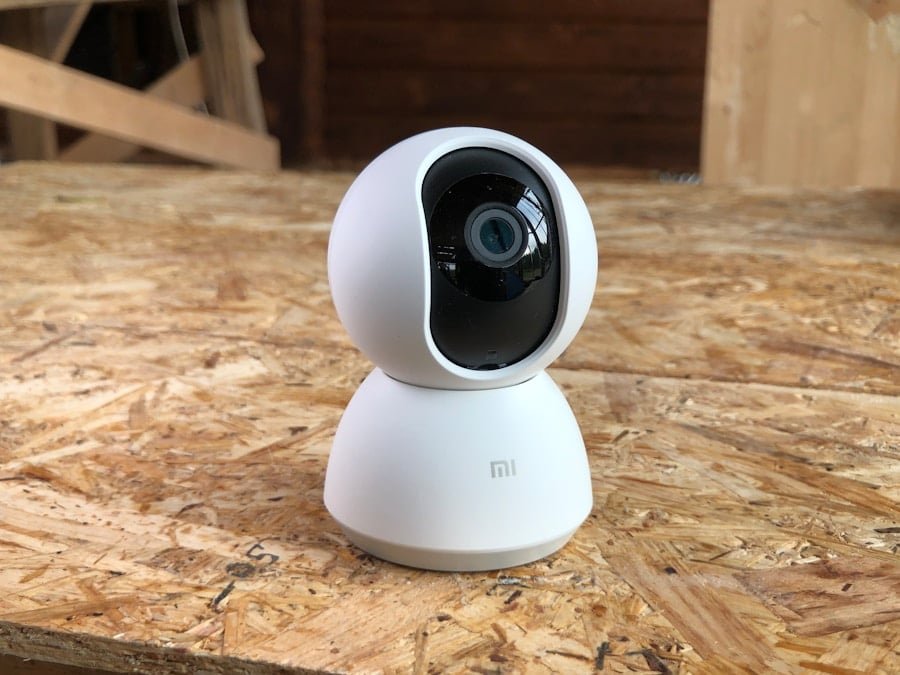
When it comes to securing your home, the first step is to assess your specific security needs. You might find it helpful to consider the layout of your property, the neighborhood you live in, and any previous security incidents that may have occurred. Take a moment to walk around your home and identify vulnerable areas, such as entry points like doors and windows, as well as blind spots that could be exploited by intruders.
By understanding these factors, you can tailor your security system to effectively address your unique concerns. Additionally, think about the lifestyle you lead and how it impacts your security requirements. If you travel frequently or work long hours away from home, you may want a more robust system that includes remote monitoring capabilities.
On the other hand, if you spend most of your time at home, a simpler setup might suffice. Consider whether you have children or pets, as their safety will also play a crucial role in determining the type of security measures you need. By taking the time to evaluate your situation, you can create a comprehensive security plan that provides peace of mind.
Key Takeaways
- Understanding your home security needs is the first step in choosing the right security camera system for your home.
- There are various types of security cameras available, including wired, wireless, and smart cameras, each with their own features and benefits.
- When considering outdoor security cameras, it’s important to look for weatherproof and vandal-resistant options to ensure durability and reliability.
- Indoor security cameras should be discreet and offer features like two-way audio and motion detection for optimal home surveillance.
- When choosing a security camera, look for features such as high resolution, night vision, remote access, and cloud storage to ensure comprehensive home security coverage.
Types of Security Cameras
As you delve into the world of home security, you’ll discover a variety of camera types designed to meet different needs. One of the most common options is the traditional wired security camera, which offers reliable performance and high-quality video footage. These cameras are typically hardwired into your home’s electrical system, ensuring a constant power supply.
However, installation can be more complex and may require professional assistance. In contrast, wireless security cameras have gained popularity due to their ease of installation and flexibility. These cameras connect to your home Wi-Fi network, allowing you to place them in various locations without the hassle of running cables.
They often come equipped with features like motion detection and cloud storage options, making them an attractive choice for many homeowners. Additionally, there are specialized cameras such as doorbell cameras and PTZ (pan-tilt-zoom) cameras that offer unique functionalities tailored to specific security needs.
Considerations for Outdoor Security Cameras

When selecting outdoor security cameras, there are several key factors to keep in mind. First and foremost, consider the camera’s weather resistance. Since these cameras will be exposed to the elements, it’s essential to choose models that are rated for outdoor use and can withstand rain, snow, and extreme temperatures.
Look for cameras with an IP (Ingress Protection) rating of at least IP65, which indicates they are dust-tight and protected against water jets. Another important consideration is the camera’s field of view and resolution. A wider field of view allows you to monitor larger areas with fewer cameras, while higher resolution ensures that you capture clear images for identification purposes.
Additionally, think about features like night vision capabilities and motion detection alerts. These functionalities can significantly enhance your outdoor security setup by providing real-time notifications when unusual activity is detected.
Considerations for Indoor Security Cameras
Indoor security cameras serve a different purpose than their outdoor counterparts, focusing primarily on monitoring activities within your home. When choosing indoor cameras, consider their design and how they will fit into your living space. Many modern indoor cameras are sleek and unobtrusive, allowing them to blend seamlessly with your home decor while still providing effective surveillance.
Another critical factor is the camera’s audio capabilities. Some indoor cameras come equipped with two-way audio, enabling you to communicate with family members or pets while you’re away. This feature can be particularly useful for checking in on children or ensuring that pets are safe and comfortable.
Additionally, consider whether you want a camera with continuous recording or one that only activates when motion is detected. This choice will depend on how closely you wish to monitor activities inside your home.
Features to Look for in a Security Camera
As you explore different security camera options, you’ll encounter a range of features designed to enhance their functionality. One of the most sought-after features is high-definition video quality. Cameras that offer 1080p or higher resolution provide clearer images, making it easier to identify faces or license plates in recorded footage.
Additionally, look for cameras with wide dynamic range (WDR) capabilities, which help maintain image clarity in varying lighting conditions. Another essential feature is cloud storage or local storage options for recorded footage. Cloud storage allows you to access your video recordings from anywhere with an internet connection, while local storage provides a backup option in case of internet outages.
Furthermore, consider cameras with smart home integration capabilities. Many modern security systems can connect with other smart devices in your home, allowing for seamless automation and enhanced control over your security setup.
Budgeting for Your Home Security System

Establishing a budget for your home security system is crucial to ensure that you get the best value for your investment. Start by determining how much you’re willing to spend on equipment and installation costs. Keep in mind that while it may be tempting to opt for the cheapest options available, investing in quality equipment can save you money in the long run by reducing maintenance costs and improving reliability.
In addition to equipment costs, consider ongoing expenses such as monitoring fees or subscription services for cloud storage. Some companies offer tiered pricing plans based on the level of service you require, so take the time to compare different providers and their offerings. By carefully evaluating your budget and prioritizing essential features, you can create a comprehensive security system that meets your needs without breaking the bank.
Installation and Monitoring Options
Once you’ve selected your security cameras and other components, you’ll need to decide on installation and monitoring options. If you’re comfortable with DIY projects, many wireless cameras come with user-friendly installation guides that allow you to set them up yourself. However, if you’re unsure about the installation process or prefer a professional touch, hiring a licensed technician can ensure that everything is set up correctly and functioning optimally.
Monitoring options also vary widely depending on the system you choose. Some homeowners prefer self-monitoring through mobile apps that send alerts directly to their smartphones when motion is detected or when unusual activity occurs. Others may opt for professional monitoring services that provide 24/7 surveillance and immediate response in case of emergencies.
Weighing the pros and cons of each option will help you determine which approach aligns best with your lifestyle and security needs.
Choosing a Reputable Security Camera Provider
Finally, selecting a reputable security camera provider is essential for ensuring that you receive quality products and reliable support. Start by researching different companies and reading customer reviews to gauge their reputation in the industry. Look for providers that offer comprehensive warranties and responsive customer service, as these factors can significantly impact your overall experience.
Additionally, consider whether the provider offers ongoing software updates and technical support for their products. A company that prioritizes customer satisfaction will likely invest in maintaining their systems and addressing any issues that may arise over time. By taking the time to choose a reputable provider, you can feel confident in your decision and enjoy the peace of mind that comes with knowing your home is well-protected.
In conclusion, securing your home is an important investment that requires careful consideration of various factors. By understanding your specific needs, exploring different types of cameras, and evaluating essential features, you can create a tailored security system that provides peace of mind for you and your loved ones. With proper budgeting and installation choices, along with selecting a reputable provider, you’ll be well on your way to enhancing your home’s safety and security.
When considering how to choose the right security camera for your home, it’s important to also think about the overall security system you have in place. A comprehensive home security system, like the ones offered in Lexington-Fayette, Kentucky, can provide added peace of mind and protection for your family. In addition to cameras, it’s crucial to also prioritize fire safety in a secure home. This article on fire safety prevention and preparedness offers valuable tips and insights on how to keep your home safe from potential fire hazards. Looking towards the future, advancements in home security systems are constantly evolving. This article on the future of home security discusses the latest innovations and technologies that are shaping the way we protect our homes. By staying informed and proactive, you can ensure that your home is equipped with the best security measures available. Source Source Source
FAQs
What factors should I consider when choosing a security camera for my home?
When choosing a security camera for your home, consider factors such as the camera’s resolution, field of view, night vision capabilities, weather resistance, and connectivity options.
What are the different types of security cameras available for home use?
There are several types of security cameras available for home use, including indoor cameras, outdoor cameras, wired cameras, wireless cameras, and smart cameras with advanced features such as motion detection and two-way audio.
What is the importance of resolution in a security camera?
Resolution is important in a security camera as it determines the clarity and detail of the footage. Higher resolution cameras provide clearer images and better quality video recordings.
How does night vision work in security cameras?
Night vision in security cameras uses infrared technology to capture clear footage in low-light or no-light conditions. This allows the camera to continue monitoring and recording even in the dark.
What are some important features to look for in a security camera for outdoor use?
When choosing a security camera for outdoor use, look for features such as weather resistance, durable construction, and a wide field of view to ensure comprehensive coverage of your outdoor space.
What are the connectivity options for security cameras?
Security cameras can be connected to a home network via Wi-Fi or Ethernet, allowing for remote viewing and access to footage through a smartphone, tablet, or computer. Some cameras also offer cloud storage options for saving and accessing recordings.