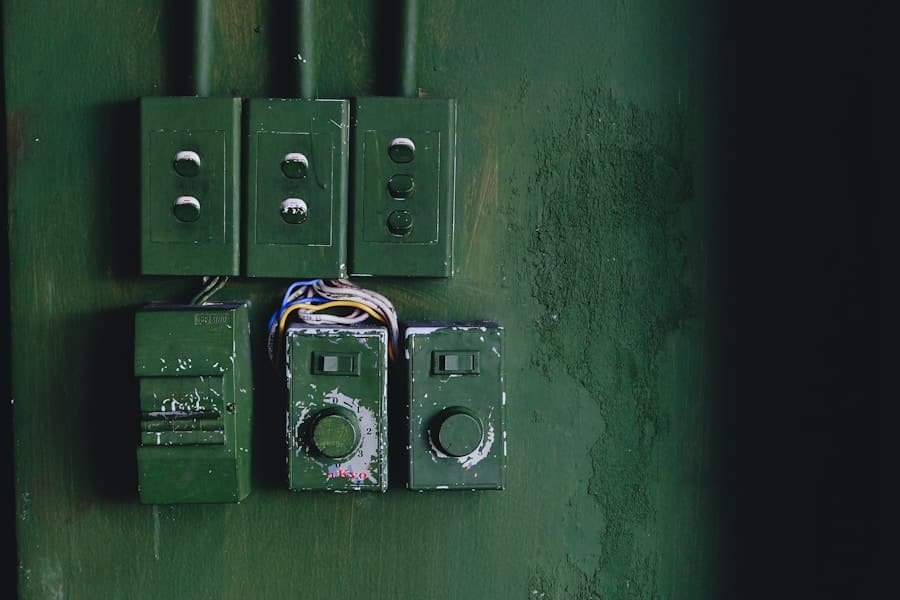
To effectively manage your home’s electrical system, it’s essential to grasp its fundamental components and how they work together. Your electrical system is the backbone of your home, providing power to everything from your lights and appliances to your security systems. At its core, the system consists of the main service panel, circuit breakers, wiring, and outlets.
Understanding how these elements function can help you troubleshoot issues and make informed decisions about upgrades or repairs. When you flip a switch or plug in a device, you rely on a complex network of wires and circuits that deliver electricity from the utility company to your home. The main service panel acts as the control center, distributing power to various circuits throughout your house.
Each circuit is protected by a breaker that prevents overloads and potential hazards. Familiarizing yourself with this setup not only empowers you to maintain your home but also prepares you for integrating new technologies, such as security systems, into your existing electrical framework.
Key Takeaways
- Understanding your home electrical system is crucial for ensuring the safety and functionality of your security system.
- There are various types of security systems available, including wired, wireless, and hybrid options, each with their own advantages and disadvantages.
- Compatibility considerations between your electrical system and security system are important to ensure seamless integration and optimal performance.
- Consulting with a professional electrician and security system installer can provide valuable insights and recommendations for your specific home setup.
- Upgrading your electrical system may be necessary to accommodate a new security system or to ensure compatibility and safety.
Types of Security Systems
As you consider enhancing your home’s safety, it’s crucial to explore the various types of security systems available. Traditional alarm systems typically include door and window sensors, motion detectors, and a central control panel that alerts you and authorities in case of a breach. These systems can be hardwired or wireless, offering flexibility based on your home’s layout and your personal preferences.
Hardwired systems tend to be more reliable but may require professional installation, while wireless options are easier to set up and can be expanded over time. In addition to traditional alarms, smart security systems have gained popularity in recent years. These systems integrate with your home’s Wi-Fi network, allowing you to monitor your property remotely through smartphone apps.
Features often include video surveillance, smart locks, and environmental sensors that detect smoke or carbon monoxide. The convenience of controlling these devices from anywhere adds an extra layer of security and peace of mind. As you evaluate your options, consider what features are most important to you and how they align with your lifestyle.
Compatibility Considerations
When selecting a security system for your home, compatibility with your existing electrical system is a critical factor. Not all security devices are created equal; some may require specific voltage levels or wiring configurations that your current setup may not support. Before making a purchase, take the time to assess the specifications of the security system you’re interested in and compare them with your home’s electrical capabilities.
This step can save you from potential headaches down the line. Moreover, consider how well the security system integrates with other smart home devices you may already have. Many modern security systems are designed to work seamlessly with smart home ecosystems, allowing for centralized control through a single app or platform.
If you have smart lights, thermostats, or cameras, ensure that the new security system can communicate with these devices effectively. This compatibility not only enhances functionality but also streamlines your home automation experience.
Consulting with a Professional
While it’s possible to install some security systems on your own, consulting with a professional can provide invaluable insights and ensure that everything is set up correctly. Electricians and security specialists have the expertise to evaluate your home’s electrical system and recommend solutions tailored to your needs. They can identify potential issues that may not be immediately apparent to you, such as outdated wiring or insufficient power supply for new devices.
Additionally, professionals can help you navigate local building codes and regulations that may affect your installation. Compliance with these standards is crucial for both safety and insurance purposes. By working with an expert, you can rest assured that your security system will function optimally and adhere to all necessary guidelines, giving you peace of mind as you enhance your home’s safety.
Upgrading Your Electrical System
If you find that your current electrical system is outdated or insufficient for your needs, it may be time to consider an upgrade. Modern homes often require more power due to the increasing number of electronic devices we use daily. Upgrading your electrical panel or adding new circuits can provide the capacity needed to support additional security features without risking overloads or malfunctions.
When planning an upgrade, think about future needs as well. As technology continues to evolve, having a robust electrical system will allow you to incorporate new devices without significant renovations down the line. Investing in higher-quality wiring and components can also enhance safety and efficiency, reducing the risk of electrical fires or other hazards associated with older systems.
Assessing Compatibility Issues
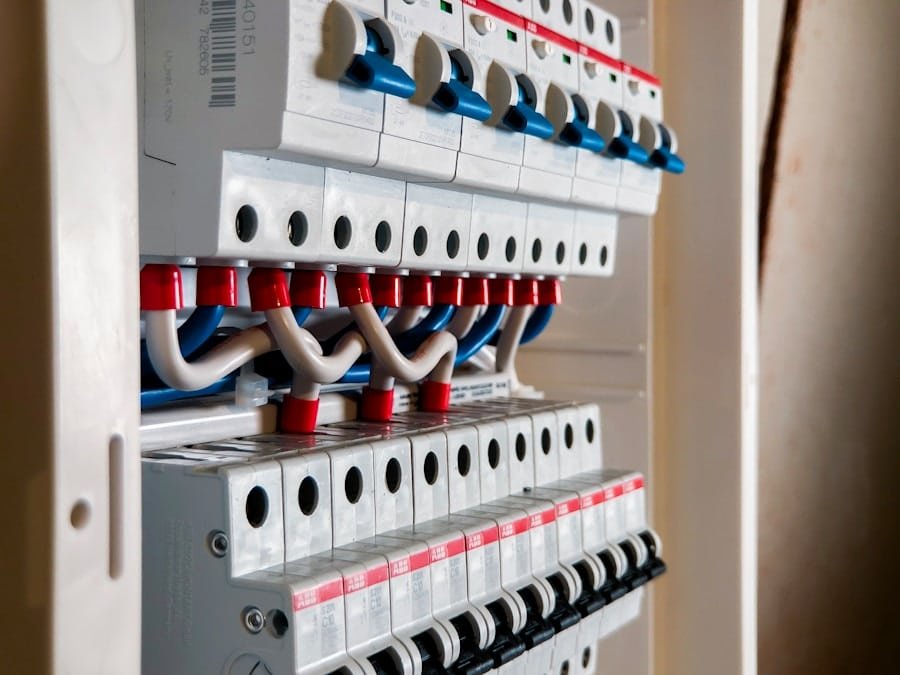
Once you’ve selected a security system and considered potential upgrades to your electrical system, it’s essential to assess any compatibility issues that may arise during installation. This process involves examining the specifications of both your existing electrical setup and the new security devices. Pay close attention to voltage requirements, wiring types, and communication protocols used by the security system.
If you encounter any discrepancies between what your current system can handle and what the new devices require, don’t hesitate to reach out for professional assistance. An electrician can help bridge any gaps by suggesting modifications or enhancements that will ensure seamless integration. Addressing compatibility issues upfront will save you time and frustration later on.
Testing Your Security System
After installation, testing your security system is a crucial step that should not be overlooked. This process ensures that all components are functioning correctly and that they communicate effectively with one another. Start by checking each sensor and camera individually to confirm they are operational.
For alarm systems, simulate breaches by opening doors or windows to see if alerts are triggered as expected. Additionally, take the time to test remote access features if applicable. Ensure that you can monitor your home through the associated app on your smartphone or tablet.
This testing phase is vital for identifying any potential issues early on so that they can be addressed promptly. A well-functioning security system provides peace of mind, knowing that your home is protected against intrusions.
Ensuring Long-Term Compatibility
As technology continues to advance at a rapid pace, ensuring long-term compatibility for your security system is essential for maintaining its effectiveness over time. Regularly review updates from the manufacturer regarding software upgrades or new features that may enhance functionality. Staying informed about advancements in security technology will help you make informed decisions about future upgrades or expansions.
Moreover, consider establishing a routine maintenance schedule for both your electrical system and security devices. Regular inspections can help identify wear and tear before they become significant issues. By prioritizing long-term compatibility and maintenance, you can ensure that your home remains secure for years to come while adapting to new technologies as they emerge.
In conclusion, understanding your home’s electrical system is fundamental when considering the installation of a security system. By exploring different types of security solutions, assessing compatibility issues, consulting professionals when necessary, and planning for future upgrades, you can create a safe environment tailored to your needs. Testing and maintaining these systems will further enhance their longevity and effectiveness, ensuring that your home remains a secure haven for you and your loved ones.
If you are looking to protect your family with a home security system, you may want to consider reading the article Protecting Your Family with a Home Security System. This article provides valuable information on the importance of having a security system in place to keep your loved ones safe. It also discusses the various features and options available for home security systems, helping you make an informed decision on the best system for your needs.
FAQs
What is a security system?
A security system is a network of integrated electronic devices designed to secure a property against intruders and other potential threats.
What is a home electrical system?
A home electrical system refers to the wiring, outlets, switches, and other components that distribute electricity throughout a home.
How do I know if my security system is compatible with my home electrical system?
To determine compatibility, you should consult the user manual or contact the manufacturer of your security system. Additionally, you can hire a professional electrician or security system installer to assess compatibility.
What are some common compatibility issues between security systems and home electrical systems?
Common compatibility issues include voltage requirements, wiring configurations, and communication protocols. It’s important to ensure that your security system is designed to work with the electrical specifications of your home.
Can I make adjustments to my home electrical system to accommodate a security system?
In some cases, it may be possible to make adjustments to your home electrical system to accommodate a security system. However, it’s important to consult with a qualified electrician to ensure that any modifications are made safely and in compliance with local building codes.
What are the potential risks of using a security system that is not compatible with my home electrical system?
Using a security system that is not compatible with your home electrical system can result in malfunctions, electrical hazards, and compromised security. It’s important to ensure that your security system is properly integrated with your home’s electrical infrastructure.