When it comes to home security, understanding your system is paramount. You may have invested in a comprehensive security setup that includes cameras, alarms, and motion detectors, but the heart of your security lies in how these components work together. Familiarizing yourself with the features and functionalities of your system can empower you to make informed decisions about upgrades or integrations.
Take the time to read through the user manual, explore the settings on your control panel, and even watch tutorial videos if available. This foundational knowledge will not only enhance your confidence in using the system but also help you identify areas where improvements can be made. Moreover, understanding your security system means recognizing its limitations and strengths.
For instance, some systems may offer advanced features like remote monitoring or smartphone alerts, while others might lack these capabilities. By assessing what your current system can do, you can better determine what additional features you might want to integrate, such as smart door locks or other smart home devices. This awareness will guide you in making choices that enhance your overall security without overwhelming you with unnecessary complexity.
Key Takeaways
- Understanding your security system is crucial before integrating smart door locks.
- Research smart door lock compatibility with your existing security system.
- Check for Z-Wave or Zigbee compatibility for seamless integration.
- Consult with your security system provider for expert advice on integration.
- Test the integration to ensure smooth functioning before relying on it for security.
- Consider a smart home hub for centralized control of all smart devices.
- Explore alternative integration options if your security system does not support smart door locks.
- Seek professional assistance for complex integration processes to ensure security and functionality.
Researching Smart Door Lock Compatibility
Once you have a solid grasp of your existing security system, the next step is to research smart door lock compatibility. Not all smart locks are created equal, and compatibility with your current system is crucial for seamless integration. Start by identifying the brand and model of your security system, as this information will be essential in your search for compatible smart locks.
Many manufacturers provide lists of compatible devices on their websites, so take advantage of these resources to narrow down your options. In addition to brand compatibility, consider the specific features you desire in a smart lock. Some locks offer keyless entry via smartphone apps, while others may include biometric options like fingerprint scanning.
Think about how you plan to use the lock and what features would best suit your lifestyle. For example, if you frequently have guests or service providers entering your home, a smart lock with temporary access codes might be beneficial. By aligning your needs with the available options, you can make a more informed decision that enhances both convenience and security.
Checking for Z-Wave or Zigbee Compatibility
As you delve deeper into the world of smart door locks, it’s essential to check for Z-Wave or Zigbee compatibility. These two wireless communication protocols are commonly used in smart home devices and can significantly impact how well your new lock integrates with your existing security system. If your security system supports either of these protocols, it opens up a wider range of smart lock options that can communicate effectively with your setup.
To determine if your system is compatible with Z-Wave or Zigbee, consult the user manual or the manufacturer’s website. If you find that your system supports one of these protocols, you can confidently explore smart locks that utilize the same technology. This compatibility ensures that your devices can communicate seamlessly, allowing for features like remote locking and unlocking, real-time notifications, and integration with other smart home devices.
By prioritizing Z-Wave or Zigbee compatibility, you set the stage for a cohesive and efficient smart home experience.
Consulting with Your Security System Provider
Before making any final decisions on integrating a smart door lock into your security system, it’s wise to consult with your security system provider. They possess valuable insights into the capabilities of your current setup and can guide you toward compatible devices that will enhance your security without causing disruptions. A quick phone call or email can yield significant benefits, as they may have recommendations based on customer experiences or even exclusive partnerships with certain smart lock manufacturers.
During this consultation, don’t hesitate to ask questions about installation processes, potential challenges, and any additional costs associated with integrating a new device. Your provider may also offer installation services or support that can simplify the process for you. By leveraging their expertise, you can ensure that you’re making choices that align with both your security needs and budgetary constraints.
Testing the Integration
Once you’ve selected a compatible smart door lock and completed the installation process, it’s time to test the integration thoroughly. This step is crucial to ensure that everything functions as intended and that there are no unexpected issues. Start by checking basic functionalities such as locking and unlocking the door using both the physical key (if applicable) and the smart features like smartphone apps or key codes.
Additionally, monitor how well the smart lock communicates with your existing security system. Are you receiving real-time notifications when the door is locked or unlocked? Does the lock trigger any alerts on your security panel?
Testing these features will help you identify any potential problems early on and allow you to address them before they become significant issues. Remember that thorough testing not only ensures functionality but also provides peace of mind knowing that your home is secure.
Considering a Smart Home Hub
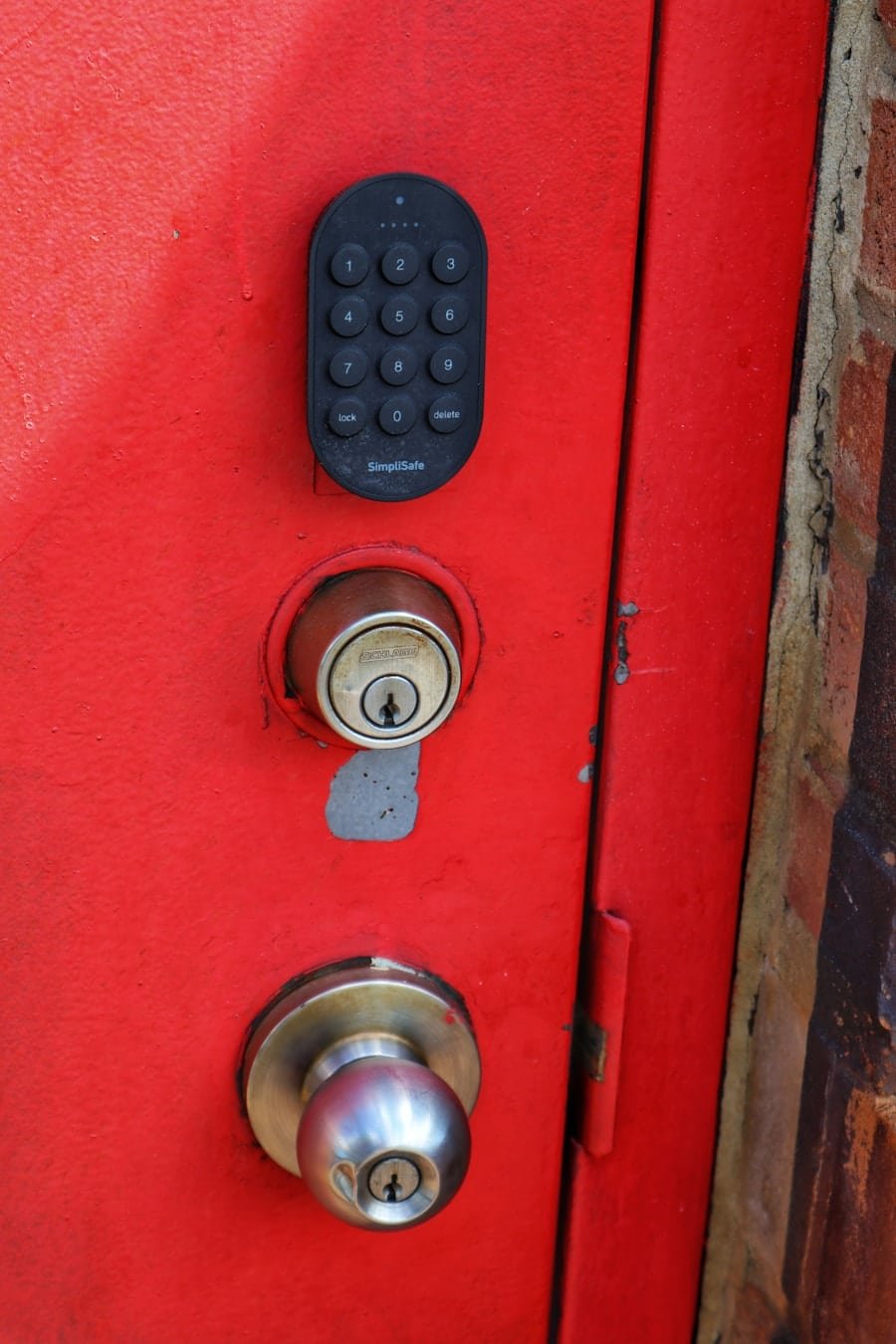
As you explore the integration of a smart door lock into your security system, consider whether investing in a smart home hub might be beneficial for you. A smart home hub acts as a central control point for all your connected devices, allowing them to communicate with each other seamlessly. If you plan to expand your smart home ecosystem beyond just a door lock—perhaps adding smart lights, thermostats, or cameras—a hub can simplify management and enhance automation capabilities.
When selecting a smart home hub, ensure it is compatible with both your existing security system and the new smart door lock you’ve chosen. Popular options include Samsung SmartThings, Amazon Echo Plus, and Google Nest Hub, each offering unique features and integrations. By centralizing control through a hub, you can create customized routines that enhance convenience and security—such as automatically locking the door when you leave home or receiving alerts if someone attempts to tamper with it.
Exploring Alternative Integration Options
If direct integration between your smart door lock and security system proves challenging or limited, don’t despair; there are alternative integration options available. One approach is to utilize third-party applications that can bridge the gap between different devices. Many smart locks come with their own apps that allow for remote control and monitoring; however, some also offer compatibility with broader platforms like IFTTT (If This Then That).
This service enables you to create custom automations that connect various devices across different brands. For instance, you could set up an automation that triggers your security cameras to start recording whenever someone unlocks the door using their smartphone app. Alternatively, consider using voice assistants like Amazon Alexa or Google Assistant to control both your smart lock and security system through voice commands.
These alternative integration options can provide flexibility and enhance functionality even if direct compatibility is lacking.
Seeking Professional Assistance
Finally, if at any point during this process you feel overwhelmed or uncertain about how to proceed, seeking professional assistance is always a viable option. Many companies specialize in home automation and security system integration and can provide expert guidance tailored to your specific needs. Hiring a professional can save you time and frustration while ensuring that everything is set up correctly for optimal performance.
When looking for professional assistance, seek out reputable companies with positive reviews and experience in integrating smart home devices with existing security systems. They can help assess your current setup, recommend compatible products, and handle installation to ensure everything works harmoniously together. By investing in professional help, you not only gain peace of mind but also ensure that your home remains secure while embracing modern technology.
In conclusion, integrating a smart door lock into your existing security system involves several steps that require careful consideration and research. By understanding your current setup, researching compatibility options, consulting with professionals, and testing thoroughly, you can create a cohesive and efficient home security solution that meets your needs while enhancing convenience and peace of mind. Whether you choose to go it alone or seek professional assistance, taking these steps will ultimately lead to a smarter and safer home environment for you and your loved ones.
If you are wondering how to ensure your security system is compatible with your smart door lock, you may also be interested in learning more about modern home security solutions. Check out this article to discover innovative ways to enhance the security of your home beyond just traditional locks and alarms. Explore the latest technologies and services available to protect your home and loved ones.
FAQs
What is a smart door lock?
A smart door lock is a keyless lock that can be controlled and monitored remotely using a smartphone or other smart devices. It offers features such as remote locking and unlocking, access control, and integration with other smart home devices.
What is a security system?
A security system is a network of integrated electronic devices designed to secure a property against intrusion, theft, and other hazards. It typically includes components such as sensors, alarms, and monitoring services.
How can I determine if my security system is compatible with a smart door lock?
To determine compatibility, you should check the specifications and requirements of both your security system and the smart door lock. Look for information on compatibility with specific security system brands or protocols, such as Z-Wave or Zigbee.
What are some common protocols for smart home devices?
Common protocols for smart home devices include Z-Wave, Zigbee, Wi-Fi, and Bluetooth. It’s important to ensure that the smart door lock and security system use the same protocol for seamless integration.
Can I consult with a professional to determine compatibility?
Yes, consulting with a professional security system installer or smart home technician can help you determine compatibility between your security system and smart door lock. They can provide expert advice and recommendations based on your specific setup.