To effectively protect your home or business, it is essential to have a solid grasp of the fundamentals of your security system. This knowledge not only empowers you to utilize the system to its fullest potential but also enables you to identify any issues that may arise. Start by familiarizing yourself with the components of your security setup, which typically includes alarms, sensors, cameras, and monitoring services.
Each element plays a crucial role in creating a comprehensive security network that can deter intruders and alert you to potential threats. Understanding how these components interact is equally important. For instance, when a motion sensor detects movement, it triggers an alarm that can notify you or a monitoring service.
Knowing the specifics of how these systems communicate can help you troubleshoot problems and optimize their performance. Additionally, take the time to read through the user manual provided by the manufacturer. This document often contains valuable information about installation, operation, and maintenance that can enhance your understanding and ensure your system functions as intended.
Key Takeaways
- Understanding the basics of your security system is crucial for effective use and troubleshooting.
- Conduct regular system checks to ensure all components are functioning properly.
- Monitor system activity to detect any unusual behavior or potential security threats.
- Test alarm and sensor functionality to ensure they are responsive and reliable.
- Assess camera and video surveillance quality to ensure clear and effective monitoring of your property.
- Verify communication with monitoring service to ensure timely response in case of an emergency.
- Ensure power supply and backup systems are in place to maintain security system functionality during power outages.
- Seek professional assistance if necessary to address any issues or concerns with your security system.
Conducting Regular System Checks
Regular system checks are vital for maintaining the integrity of your security system. Just like any other technology, security systems can experience wear and tear over time. By conducting routine inspections, you can identify potential issues before they escalate into significant problems.
Start by setting a schedule for these checks—monthly or quarterly inspections are often sufficient for most systems. During these checks, examine each component of your security setup to ensure everything is functioning correctly. Pay particular attention to the physical condition of your equipment.
Look for signs of damage or wear, such as frayed wires or cracked casings. Additionally, check that all sensors are clean and unobstructed, as dirt or debris can hinder their performance. If you notice any irregularities during your inspection, address them promptly to avoid compromising your security.
Regular checks not only help maintain the effectiveness of your system but also provide peace of mind knowing that you are taking proactive steps to protect your property.
Monitoring System Activity
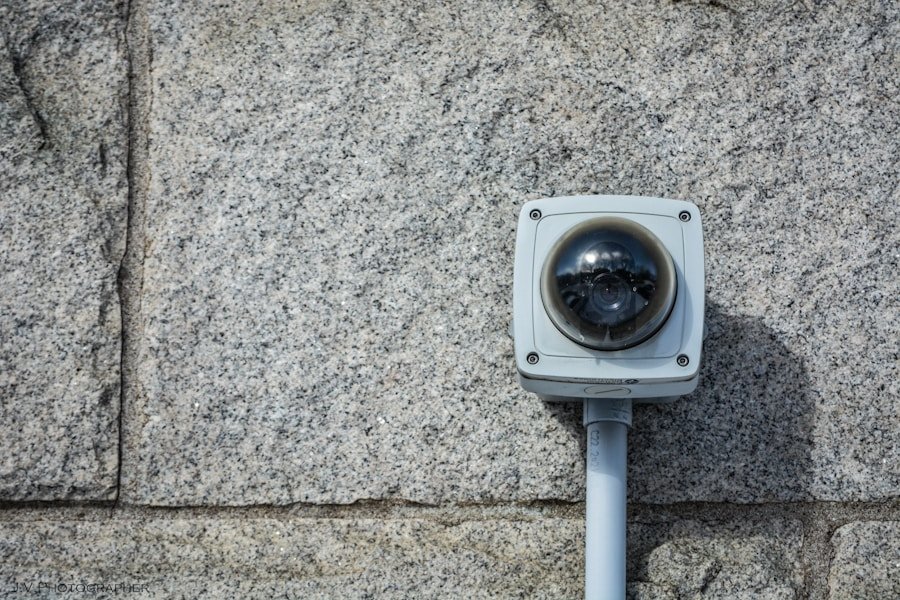
Monitoring the activity of your security system is crucial for understanding its effectiveness and identifying any unusual behavior. Most modern security systems come equipped with user-friendly interfaces that allow you to track activity in real-time. By regularly reviewing logs and alerts, you can gain insights into patterns and trends that may indicate potential security threats.
This proactive approach enables you to respond swiftly to any suspicious activity. In addition to reviewing logs, consider setting up notifications for specific events, such as when a door is opened or when motion is detected in a restricted area. These alerts can help you stay informed about what is happening on your property, even when you are not physically present.
By actively monitoring your system’s activity, you can enhance your overall security strategy and make informed decisions about any necessary adjustments or upgrades.
Testing Alarm and Sensor Functionality
Testing the functionality of your alarms and sensors is a critical aspect of maintaining an effective security system. Regular testing ensures that these components are working correctly and can respond appropriately in the event of an emergency. Begin by activating each alarm and sensor individually to confirm that they trigger as expected.
This process not only verifies their functionality but also familiarizes you with how they operate. In addition to testing alarms and sensors, it is essential to check their sensitivity settings. Sometimes, environmental factors can affect how well these devices perform.
For example, a motion sensor may be too sensitive in a high-traffic area, leading to false alarms. Conversely, it may not be sensitive enough in a less active space, failing to detect genuine threats. Adjusting these settings based on your observations during testing can significantly enhance the reliability of your security system.
Assessing Camera and Video Surveillance Quality
The quality of your camera and video surveillance system plays a pivotal role in your overall security strategy. High-resolution cameras provide clearer images, making it easier to identify individuals or events captured on video. Regularly assess the quality of your camera feeds by checking for clarity, color accuracy, and frame rate.
If you notice any degradation in quality, it may be time to clean the lenses or consider upgrading your equipment. Additionally, evaluate the placement of your cameras to ensure they cover all critical areas of your property. A well-placed camera can deter criminal activity while also providing valuable evidence if an incident occurs.
Consider conducting a walkthrough of your property while reviewing camera feeds to identify any blind spots or areas that may require additional coverage. By taking these steps, you can enhance the effectiveness of your video surveillance system and bolster your overall security measures.
Verifying Communication with Monitoring Service
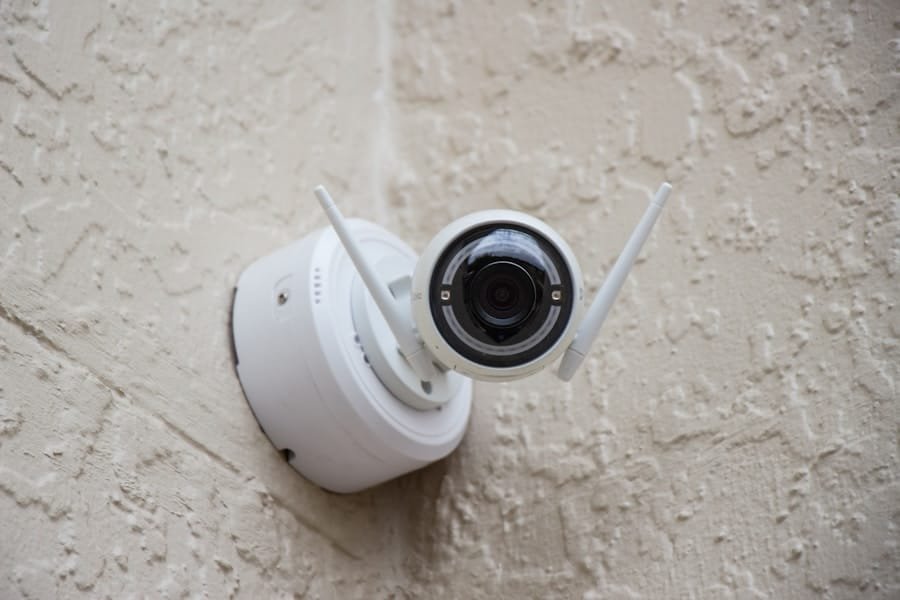
If your security system includes a monitoring service, verifying communication with this service is essential for ensuring prompt responses in emergencies. Start by checking that all connections between your system and the monitoring service are secure and functioning correctly. This includes both wired and wireless connections, as disruptions in communication can lead to delays in response times during critical situations.
Regularly test the communication features of your monitoring service by simulating an alarm event. This could involve triggering an alarm intentionally to see if the monitoring center receives the alert promptly. Additionally, confirm that they have up-to-date contact information for you and any designated emergency contacts.
Clear communication with your monitoring service ensures that they can act swiftly on your behalf when needed, providing an added layer of protection for your property.
Ensuring Power Supply and Backup Systems
A reliable power supply is fundamental to the operation of your security system. Without power, even the most advanced technology becomes ineffective at protecting your property. Begin by checking the primary power source for any signs of wear or malfunction.
Ensure that all connections are secure and that there are no frayed wires or damaged outlets that could disrupt power flow. In addition to assessing the primary power supply, consider implementing backup systems such as uninterruptible power supplies (UPS) or battery backups. These systems provide an additional layer of protection by ensuring that your security devices remain operational during power outages or disruptions.
Regularly test these backup systems to confirm they are functioning correctly and replace batteries as needed. By prioritizing power supply and backup systems, you can maintain continuous protection for your property.
Seeking Professional Assistance if Necessary
While many aspects of maintaining a security system can be handled independently, there are times when seeking professional assistance is advisable. If you encounter persistent issues that you cannot resolve on your own or if you are considering significant upgrades to your system, consulting with a professional can provide valuable insights and solutions. Security experts possess specialized knowledge and experience that can help you navigate complex situations effectively.
Additionally, professionals can conduct comprehensive assessments of your security setup to identify vulnerabilities you may have overlooked. They can recommend tailored solutions based on your specific needs and budget, ensuring that you receive optimal protection for your property. Whether it’s routine maintenance or major upgrades, enlisting professional help can enhance the effectiveness of your security measures and give you peace of mind knowing that experts are overseeing your safety.
In conclusion, maintaining an effective security system requires diligence and a proactive approach. By understanding the basics of your system, conducting regular checks, monitoring activity, testing functionality, assessing video quality, verifying communication with monitoring services, ensuring power supply, and seeking professional assistance when necessary, you can create a robust defense against potential threats. Your commitment to these practices will not only enhance the safety of your property but also provide peace of mind for you and those who rely on it.
If you are wondering how to enhance your home security beyond just ensuring your security system is working properly, you may want to check out this article on enhancing home security tips and tricks for a safer home. This comprehensive guide offers valuable insights and strategies to help you further protect your home and loved ones.
FAQs
What are the signs that my security system is working properly?
Signs that your security system is working properly include no false alarms, all sensors and cameras are functioning, and the system is able to communicate with the monitoring center.
How often should I test my security system?
It is recommended to test your security system at least once a month to ensure all components are working properly.
What should I do if I suspect my security system is not working properly?
If you suspect your security system is not working properly, contact your security provider immediately to schedule a maintenance check or repair.
What are common issues that can affect the proper functioning of a security system?
Common issues that can affect the proper functioning of a security system include dead batteries, faulty sensors, power outages, and communication errors.
Can I perform a self-check on my security system?
Yes, you can perform a self-check on your security system by testing each sensor, camera, and alarm to ensure they are functioning properly.