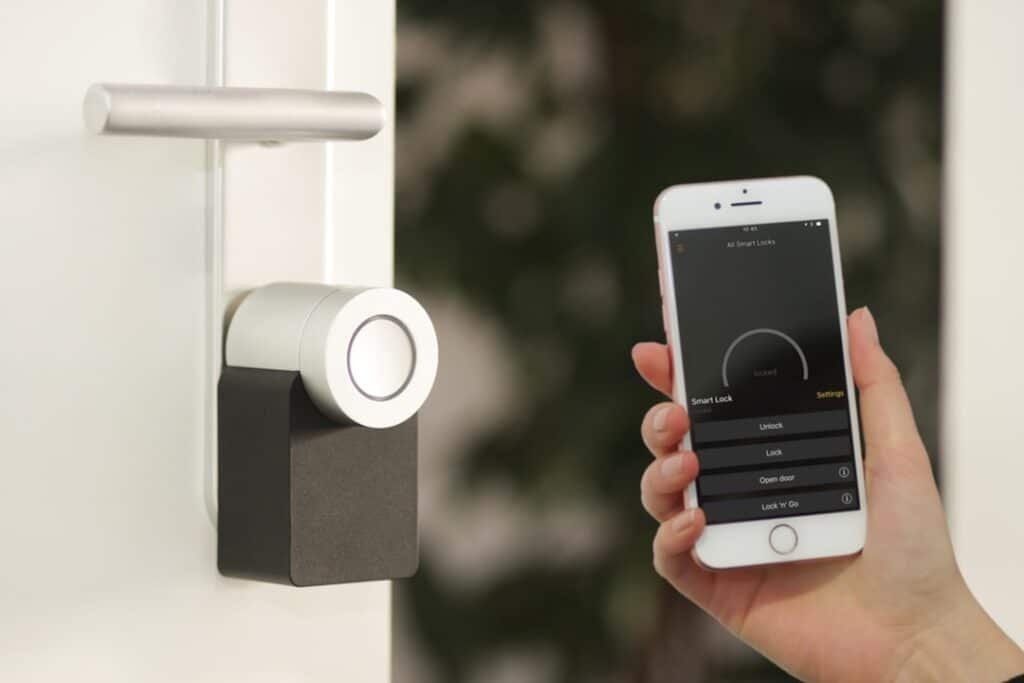
Smart door sensors are innovative devices designed to enhance the security of your home. These sensors work by detecting when a door is opened or closed, providing real-time updates to your smartphone or security system. By utilizing advanced technology, they can alert you to any unauthorized access, ensuring that you remain informed about the safety of your property.
As you delve into the world of smart door sensors, you will discover how they can significantly improve your home security and offer peace of mind. The functionality of smart door sensors is rooted in their ability to communicate wirelessly with your home network. Most models use either Wi-Fi or Bluetooth technology to send notifications directly to your mobile device.
This means that whether you are at home or away, you can monitor the status of your doors with ease. Additionally, many smart door sensors come equipped with features such as tamper alerts and battery status notifications, allowing you to stay ahead of potential issues before they compromise your security.
Key Takeaways
- Smart door sensors are devices that can detect when a door is opened or closed, providing an added layer of security to your home.
- When choosing a security system, ensure that it is compatible with smart door sensors to fully utilize their capabilities.
- Installing smart door sensors is a straightforward process that typically involves mounting the sensor on the door and the magnet on the door frame.
- Pairing smart door sensors with your security system is essential for receiving real-time notifications and alerts on your smartphone or other devices.
- Testing and troubleshooting your smart door sensors after installation is crucial to ensure they are functioning properly and providing the intended security benefits.
Choosing a Compatible Security System
When selecting a smart door sensor, it is crucial to consider compatibility with your existing security system. Not all sensors work seamlessly with every security platform, so you must do your research to ensure a smooth integration. Look for systems that offer a wide range of compatible devices, as this will give you the flexibility to expand your security setup in the future.
You may want to explore options that allow for easy upgrades and additional features, ensuring that your home remains secure as technology evolves. In addition to compatibility, consider the specific features that your security system offers. Some systems provide advanced functionalities such as video surveillance, motion detection, and remote monitoring.
By choosing a security system that complements your smart door sensors, you can create a comprehensive security network that addresses all aspects of your home’s safety. Take the time to read reviews and compare different systems to find one that meets your needs and budget.
Installing Smart Door Sensors
Once you have chosen the right smart door sensors and compatible security system, the next step is installation. Most smart door sensors are designed for easy installation, often requiring no more than a few screws or adhesive strips. Before you begin, ensure that you have all necessary tools on hand and carefully read the manufacturer’s instructions.
This will help you avoid any potential pitfalls during the installation process. When installing your smart door sensors, consider the best locations for optimal performance. Ideally, you should place the sensor on the door frame and the magnet on the door itself, ensuring that they align properly when the door is closed.
This alignment is crucial for accurate detection and notifications. Additionally, think about the placement of your security system’s hub or control panel; it should be within range of the sensors to maintain a strong connection. Taking these factors into account will help you achieve a successful installation.
Pairing Smart Door Sensors with Security System
After successfully installing your smart door sensors, it’s time to pair them with your security system. This process typically involves accessing the security system’s app or control panel and following specific pairing instructions provided by the manufacturer. You may need to put your smart door sensor into pairing mode, which usually involves pressing a button or flipping a switch on the device itself.
Once in pairing mode, your security system should detect the sensor and prompt you to complete the connection. Follow the on-screen instructions to finalize the pairing process. It’s essential to ensure that each sensor is correctly linked to your system so that you receive accurate notifications and alerts.
If you encounter any issues during this process, consult the troubleshooting section of the user manual or reach out to customer support for assistance.
Setting Up Notifications and Alerts
With your smart door sensors paired with your security system, it’s time to set up notifications and alerts. This feature is one of the most valuable aspects of smart door sensors, as it keeps you informed about any activity at your doors. Most systems allow you to customize notifications based on your preferences; for example, you can choose to receive alerts when a door is opened or closed or when someone attempts to tamper with the sensor.
To set up notifications, access the settings within your security system’s app or control panel. Here, you can select which types of alerts you want to receive and how you want them delivered—whether through push notifications, emails, or text messages. Customizing these settings ensures that you stay informed without being overwhelmed by unnecessary alerts.
Additionally, consider setting up different notification preferences for various family members if they have access to the system.
Testing and Troubleshooting
After setting up notifications and alerts, it’s essential to test your smart door sensors to ensure they are functioning correctly. Open and close each door equipped with a sensor while monitoring your smartphone or security system for notifications. This testing phase will help you confirm that everything is working as intended and that you receive timely alerts when doors are accessed.
If you encounter any issues during testing—such as delayed notifications or failure to detect door movements—don’t panic. Troubleshooting is a normal part of setting up any technology. Start by checking the battery levels of your sensors and ensuring they are adequately charged or replaced if necessary.
Additionally, verify that all devices are within range of your security system’s hub and that there are no obstructions interfering with their communication.
Integrating with Smart Home Platforms
To maximize the benefits of your smart door sensors, consider integrating them with other smart home platforms. Many modern smart home ecosystems allow for seamless integration between devices, enabling you to create automated routines that enhance convenience and security. For instance, you can set up scenarios where lights turn on automatically when a door is opened or receive alerts on other smart devices in your home.
Integration can also extend to voice-activated assistants like Amazon Alexa or Google Assistant. By linking your smart door sensors with these platforms, you can use voice commands to check the status of your doors or receive updates about their activity. This level of integration not only simplifies your daily routines but also adds an extra layer of convenience to managing your home’s security.
Maximizing Security System with Smart Door Sensors
Finally, to truly maximize your security system with smart door sensors, consider implementing additional layers of protection. For example, combining door sensors with motion detectors can provide comprehensive coverage for entry points in your home. You might also explore adding indoor cameras that activate when a door sensor detects movement, allowing you to monitor activity in real-time.
Regularly updating your security system’s software is another crucial step in maintaining optimal performance. Manufacturers often release updates that enhance functionality and address potential vulnerabilities. By keeping your system up-to-date, you ensure that it remains effective against emerging threats while benefiting from new features that may enhance your overall security experience.
In conclusion, smart door sensors are an invaluable addition to any home security system. By understanding their functionality, choosing compatible systems, installing them correctly, and integrating them with other smart home technologies, you can create a robust security network tailored to your needs. With proper setup and maintenance, these devices will provide peace of mind and help protect what matters most—your home and loved ones.
If you are looking to set up your security system to work with your smart door sensors, you may also be interested in reading about the essential steps to take after installing a home security system. This article provides valuable information on how to maximize the effectiveness of your security system and ensure that your home is well-protected. You can find more details in the article here. Additionally, if you are located in Plano, Texas, you may want to consider utilizing a professional home security system service. Learn more about the benefits of this service in the article here.
FAQs
What is a smart door sensor?
A smart door sensor is a device that detects when a door is opened or closed and sends a signal to a connected security system or smart home hub.
How do I set up my security system to work with my smart door sensors?
To set up your security system to work with your smart door sensors, you will need to follow the specific instructions provided by the manufacturer of your security system and smart door sensors. This typically involves connecting the sensors to the security system using a mobile app or control panel.
Can I connect multiple smart door sensors to my security system?
Yes, most security systems are designed to support multiple smart door sensors, allowing you to monitor and receive alerts for multiple doors in your home or business.
What are the benefits of using smart door sensors with a security system?
Using smart door sensors with a security system allows you to receive real-time alerts when doors are opened or closed, monitor activity in your home or business, and integrate the sensors with other smart home devices for enhanced automation and security.
Do smart door sensors require a monthly subscription to work with a security system?
Some smart door sensors may require a monthly subscription to access certain features or services, such as professional monitoring or advanced automation capabilities. It’s important to review the terms and requirements of the specific smart door sensors and security system you are using.